



Browse
by Paperbacks: Heritage Studies
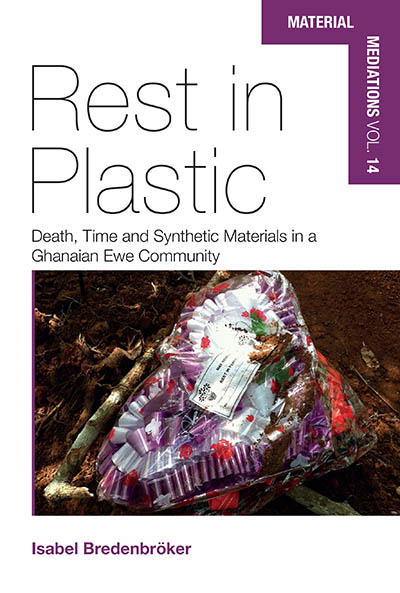
Rest in Plastic gives an insight into local entanglements of death, synthetic materials and power in Ewe community. It shows how different materials and things that come to shape power relations, exist in a delicate balance between state and local governance, kin and outsiders, death and life, the invisible and the visible, movement and containment.
Subjects: Anthropology (General) Heritage Studies Anthropology of Religion
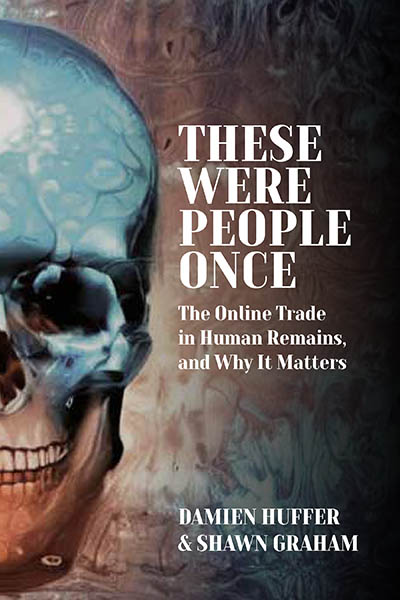
People buy and sell human remains online. Most of this trade these days is over social media. In a study of this ‘bone trade’, how it works, and why it matters, the authors review and use a variety of methods drawn from the digital humanities to analyze the sheer volume of social media posts in search of answers to questions regarding this online bone trade.
Subjects: Archaeology Heritage Studies Political and Economic Anthropology
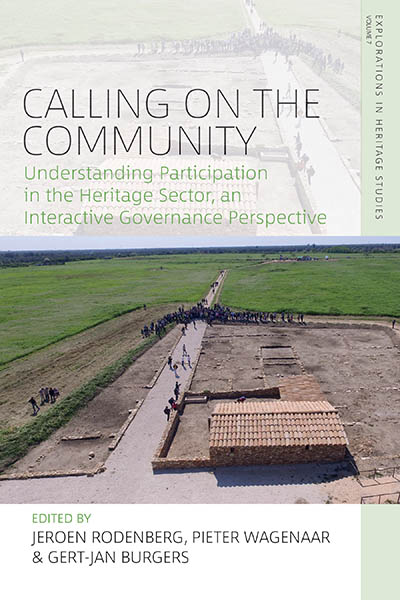
There is a call in Heritage Studies to democratize heritage practices and place local communities at the forefront; heritage plays an important role in identity formation, and therefore in social inclusion and exclusion. This series of studies contributes to a better understanding of public participation in the heritage sector by applying Public Administration theory on collaborative governance.
Subjects: Heritage Studies Cultural Studies (General)
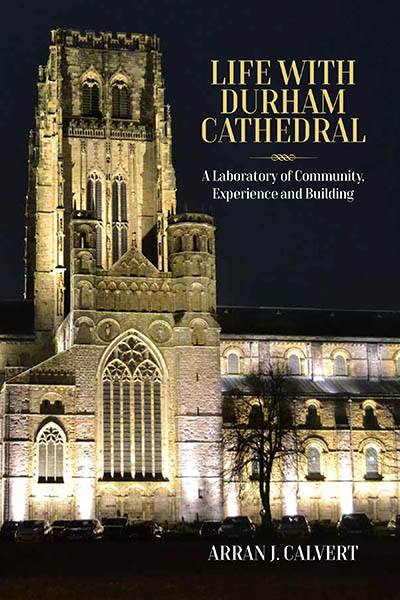
An ethnographic account of daily life in Durham Cathedral, this book examines the processes of negotiation and change between a community and their cathedral.
Subjects: Heritage Studies Anthropology (General) Anthropology of Religion
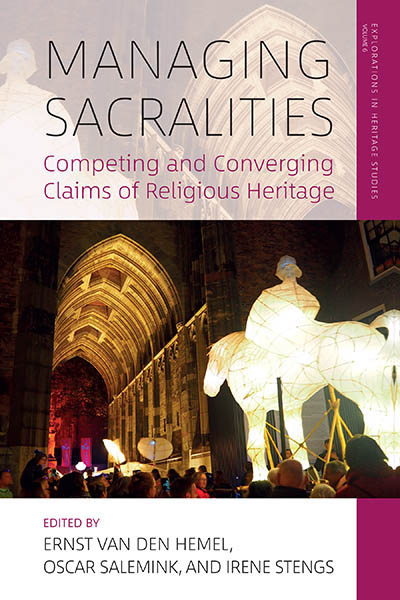
What happens when religious sites, objects and practices become cultural heritage? Case studies from Denmark, the Netherlands, Poland, Portugal and the United Kingdom present an analysis of the paradoxes and challenges that arise when religious sites are transformed into heritage.
Subjects: Heritage Studies History (General) Anthropology of Religion
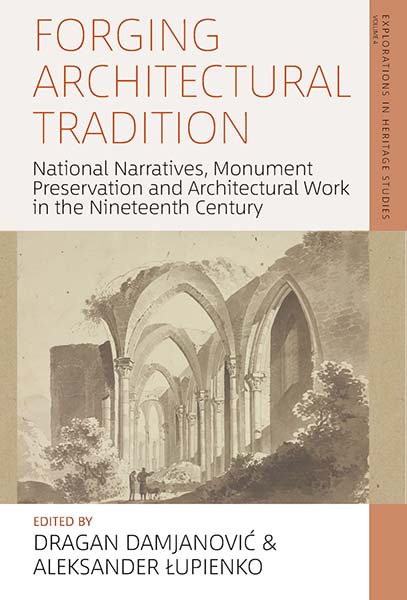
During the nineteenth century, a change developed in the way architectural objects from the distant past were viewed by contemporaries. Architectural heritage often was (and still is) an important element of nation building. Authors address the process of building national myths around certain architectural objects. National narratives are questioned, as is the position architectural heritage played in the nineteenth and the early twentieth centuries.
Subjects: Heritage Studies History (General) Cultural Studies (General)
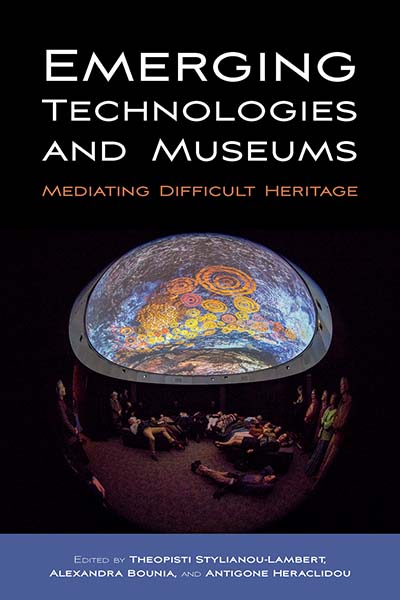
Emerging technologies in museums have the potential to reveal unheard or silenced stories, challenge preconceptions, encourage emotional responses, introduce the unexpected, and overall provide alternative experiences. By examining varied theoretical approaches and case studies, authors demonstrate how “awkward”, contested, and rarely discussed subjects and stories are treated – or can be potentially treated - in a museum setting with the use of the latest technology.
Subjects: Museum Studies Heritage Studies Media Studies
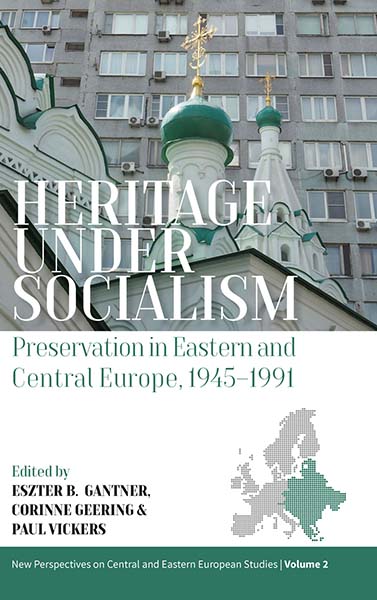
Heritage under Socialism enriches the conceptual, methodological and empirical scope of heritage studies. Its transnational approach highlights the socialist world’s diverse interpretations of heritage and its trajectories in post-socialist preservation practices, thus providing new perspectives on the way heritage has been shaped in the recent past.
Subjects: History: 20th Century to Present Heritage Studies Memory Studies
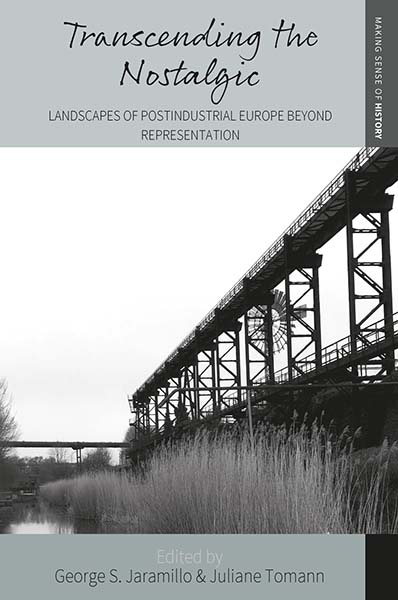
This collection explores the affective and “more-than-representational” dimensions of post-industrial landscapes, analyzing narratives, practices, social formations, and other phenomena. Focusing on case studies from across Europe, it examines both the objective and the subjective aspects of societies that produce fewer things and employ fewer workers.
Subjects: History: 20th Century to Present Heritage Studies
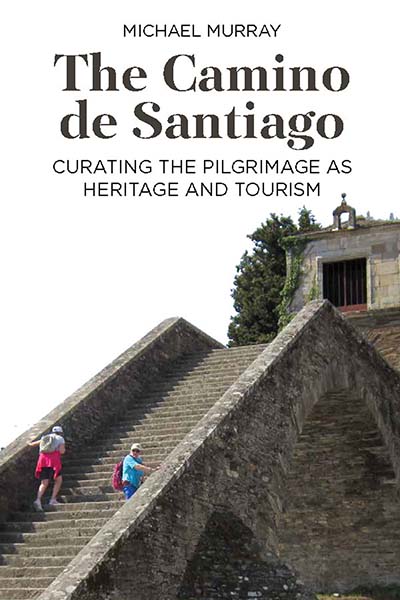
Pilgrimage, as a global activity linked to the sacred, speaks to the special significance of persons, places and events. This book relates these sentiments to the curatorship of the Camino de Santiago that comprises a lattice of European pilgrimage itineraries converging at Santiago de Compostela in northwest Spain.
Subjects: Heritage Studies Anthropology of Religion Anthropology (General)
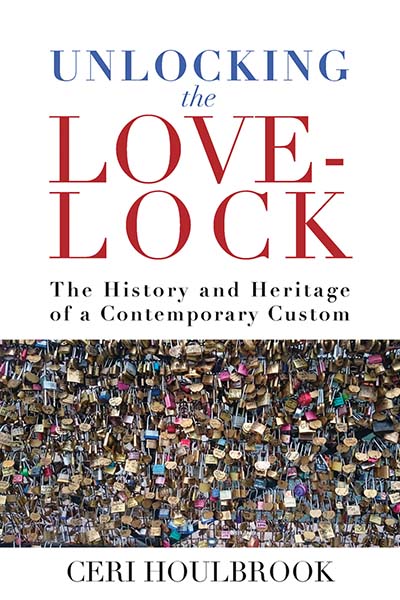
A padlock is a mundane object, designed to fulfil a specific – and secular – purpose. A contemporary custom has given padlocks new significance155. This custom is ‘love-locking’, where padlocks are engraved with names and attached to bridges in declaration of romantic commitment. This book explores the worldwide popularity of the love-lock as a ritual token of love and commitment by considering its history, symbolism, and heritage.
Subjects: Heritage Studies Archaeology Museum Studies Cultural Studies (General)
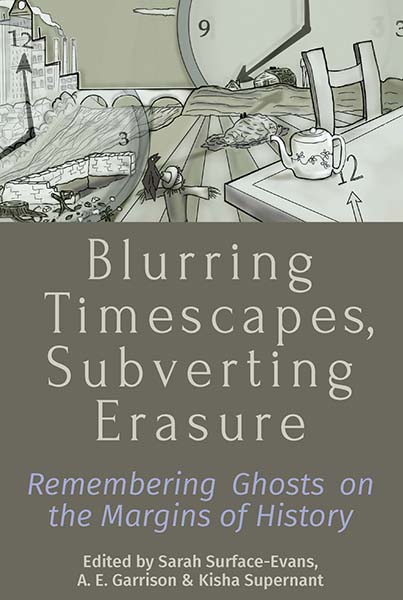
What happens when we blur time and allow ourselves to haunt or to become haunted by the ghosts of the past? The authors draw on archaeological, historical, and ethnographic data to imagine timescapes that transcend our temporality. This volume demonstrates the value of conceiving of ghosts not just as metaphors, but for making the past more concrete and allowing the negative specters of enduring historical legacies, such as colonialism and capitalism, to be exorcised.
Subjects: Archaeology Anthropology (General) Memory Studies Heritage Studies
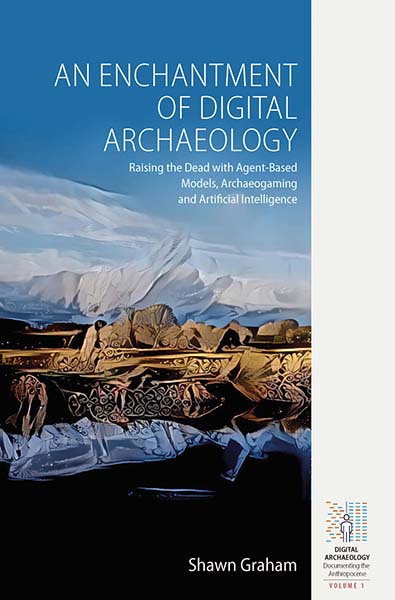
The use of computation in archaeology is a kind of magic, a way of heightening the archaeological imagination. Agent-based modelling allows archaeologists to test the ‘just-so’ stories they tell about the past. These models are one end of a spectrum that ends with video games. This volume explores this spectrum in the context of Roman archaeology, addressing the strengths, weaknesses, and opportunities of a formalized approach to computation and archaeogaming.
Subjects: Archaeology Media Studies Heritage Studies Anthropology (General)
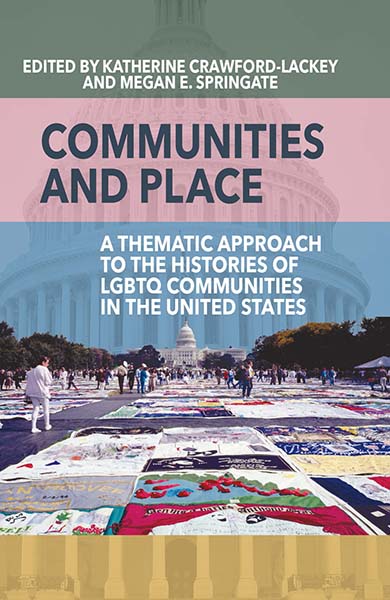
Framing the emergence of queer enclaves in reference to place, this volume explores the physical and symbolic spaces of LGBTQ Americans. Authors provide an overview of the concept of “place” and its role in informing identity formation and community building. The book also includes interactive project prompts, providing opportunities to practically apply topics and theories discussed in the chapters.
Subjects: Archaeology Heritage Studies
Stressing the interdisciplinary, public-policy oriented character of Cultural Resource Management (CRM), which is not merely “applied archaeology,” this short, relatively uncomplicated introduction is aimed at emerging archaeologists.
Subjects: Archaeology Heritage Studies
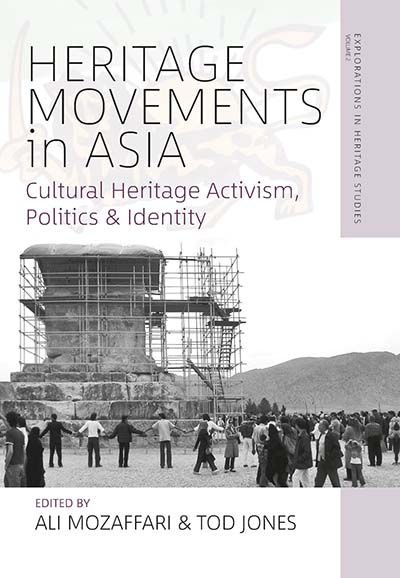
This volume is unique in that it is dedicated to approaching the analysis of heritage through the concepts of social movements. Adapting the latest developments in the field of social movements, the chapters examine the formation, use and contestation of heritage by various official, non-official and activist players and the spaces where such ongoing negotiations and contestation take place.
Subjects: Heritage Studies Museum Studies Anthropology (General)
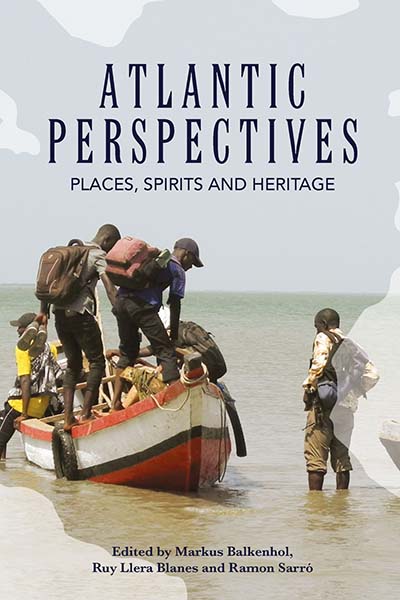
Focusing on mobility, religion, and belonging, the volume contributes to transatlantic anthropology and history by bringing together religion, cultural heritage and placemaking in the Atlantic world. The entanglements of religion, cultural heritage and belonging are ethnographically scrutinized to perceive the connections and disconnections of specific places.
Subjects: Anthropology of Religion Anthropology (General) Heritage Studies
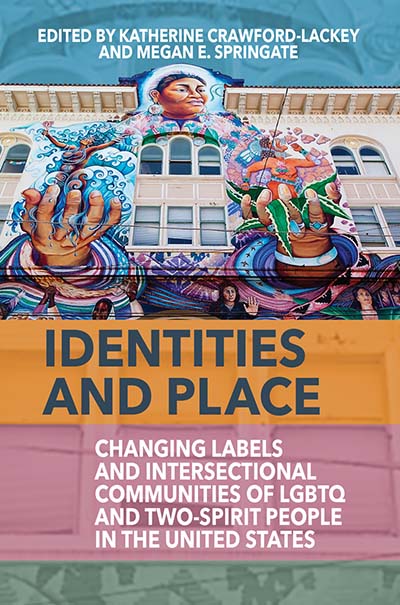
With a focus on historic sites, this volume explores the recent history of non- heteronormative Americans from the early twentieth century onward and the places associated with these communities. Authors explore how queer identities are connected with specific places: places where people gather, socialize, protest, mourn, and celebrate. Each chapter is accompanied by prompts and activities that invite readers to think critically and immerse themselves in the subject matter while working collaboratively with others.
Subjects: Archaeology Heritage Studies
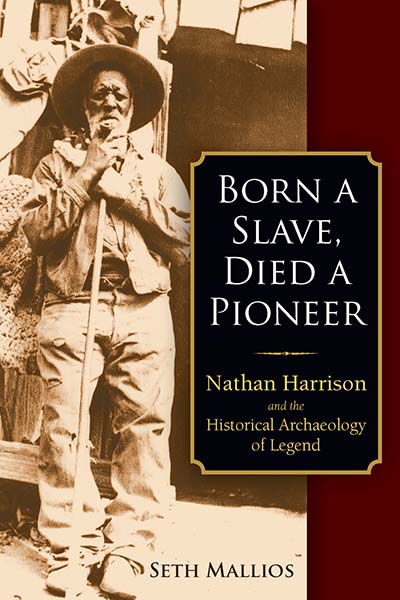
Few people in the history of the United States embody ideals of the American Dream more than Nathan Harrison. His is a story with prominent themes of overcoming staggering obstacles, forging something-from-nothing, and evincing gritty perseverance. This book uses spectacular recent discoveries from the Nathan Harrison cabin site to offer new insights and perspectives into this most American biography.
Subjects: Archaeology Heritage Studies History (General) Anthropology (General)
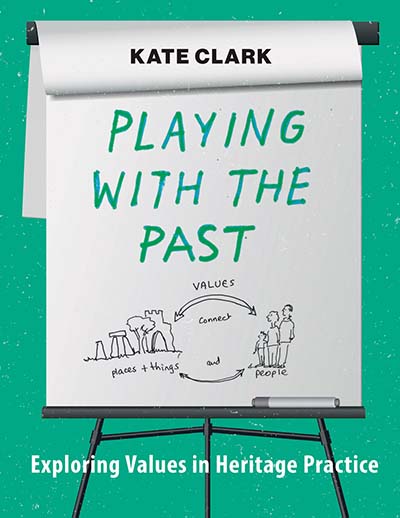
Heritage is all around us, not just in monuments and museums, but in places that matter, the countryside and in collections and stories. It touches all of us. How do we decide what to preserve? And how do we make the case for heritage when there are so many other priorities? Playing with the Past is designed to make the case for heritage. It is the first ever action-learning book about heritage.
Subjects: Museum Studies Heritage Studies Archaeology
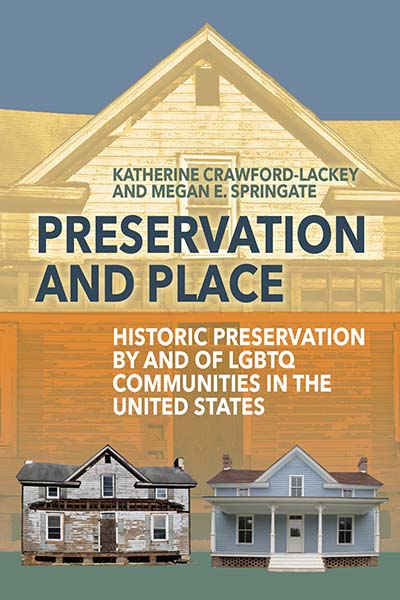
Historically significant archaeological sites affiliated with two-spirit, lesbian, gay, bisexual, transgender, and queer history in the United States are examined in this unique volume. The importance of the preservation process in documenting and interpreting the lives and experiences of queer Americans is emphasized. The book features chapters on archaeology and interpretation, as well as several case studies focusing on queer preservation projects.
Subjects: Archaeology Heritage Studies
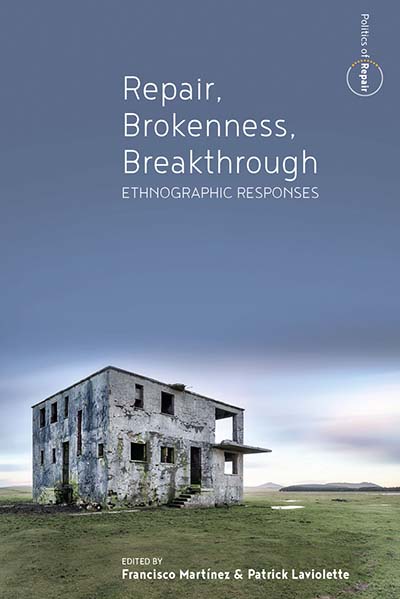
We are all repairers. Exploring some of the ways in which repair practices and perceptions of brokenness vary culturally Repair, Brokenness, Breakthrough argues that repair is an attempt to extend the life of things as well as an answer to failures, gaps, wrongdoings and leftovers.
Subjects: Anthropology (General) Sociology Heritage Studies
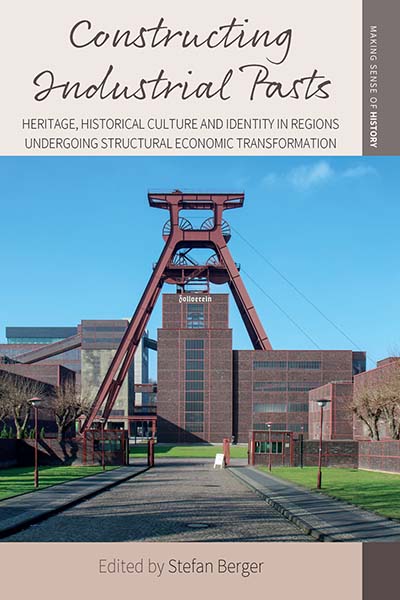
The contributions in this volume demonstrate that even as forms of industrial heritage provide anchors of identity for local populations, their meanings remain deeply contested, as both radical and conservative varieties of nostalgia intermingle with critical approaches as well as straightforward apologias for a past that was often full of pain, exploitation and struggle.
Subjects: History: 20th Century to Present Cultural Studies (General) Heritage Studies
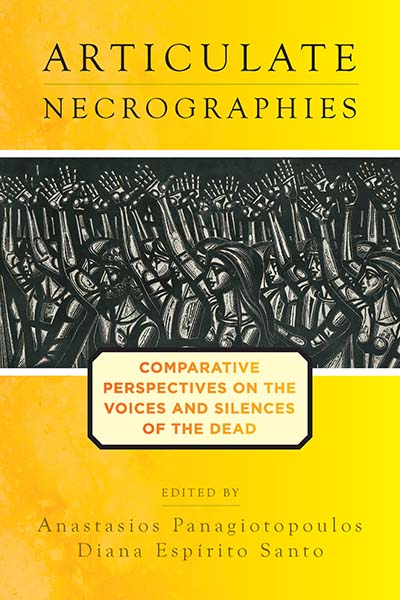
Going beyond the frameworks of the anthropology of death, Articulate Necrographies offers a dramatic new way of studying the dead and its interactions with the living. The collection introduces the concept of “necrography” to describe the way death and the dead create their own kinds of biographies in and among the living.
Subjects: Anthropology (General) Anthropology of Religion Heritage Studies Literary Studies
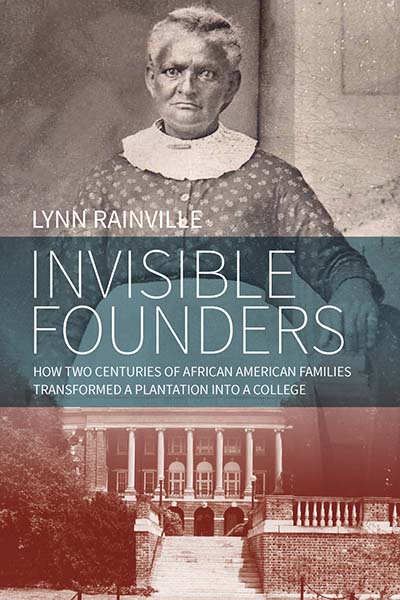
Literal and metaphorical excavations at Sweet Briar College reveal how African American labor enabled the transformation of Sweet Briar Plantation into a private women’s college in 1906. Despite being built and maintained by African American families, the college did not integrate its student body for sixty years after it opened. Invisible Founders challenges our ideas of what a college “founder” is, restoring African American narratives to their deserved and central place in the story of a single institution.
Subjects: Archaeology History (General) Educational Studies Heritage Studies
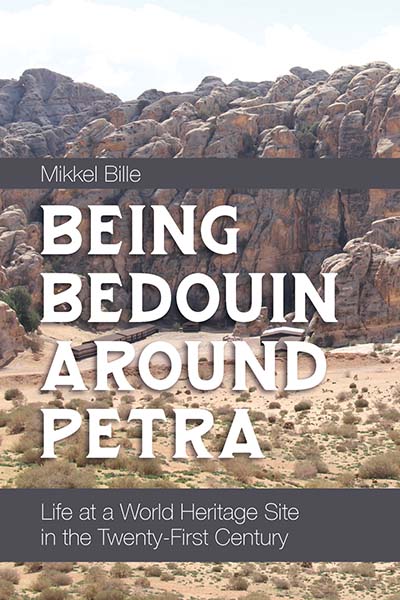
Being Bedouin Around Petra explores the relationships between the UNESCO protection conferred on Petra, Jordan, and the traditions and lives of the semi-nomadic Bedouin who inhabit the surrounding area. It explores what it means to be Bedouin when tourism, heritage protection, national discourse, and other forces lay competing claims to the past.
Subjects: Anthropology (General) Anthropology of Religion Heritage Studies
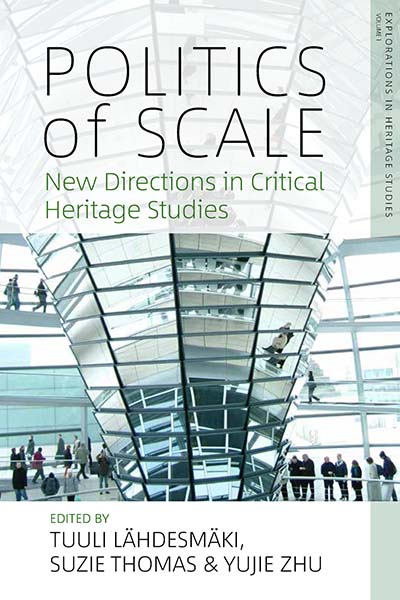
Politics of Scale offers a global, multi- and interdisciplinary point of view to the scaled nature of heritage, and provides a theoretical discussion on scale as a social construct and a method in Critical Heritage Studies.
Subjects: Heritage Studies Museum Studies
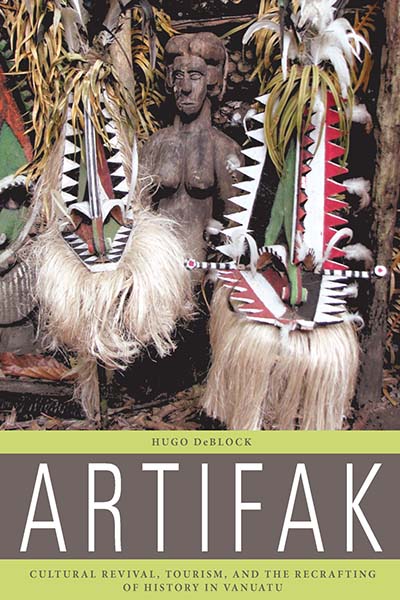
Artifak investigates the meaning and value of (art) objects as commodities in Vanuatu, in differing states of transit and transition: in the local place, on the market, and in the museum. It provides an ethnographic account of commoditization in the context of revitalization of culture and the arts in Vanuatu.
Subjects: Anthropology (General) Heritage Studies Museum Studies
Contrary to popular perceptions, cultural heritage is not given, but constantly in the making, subject to dynamic processes of (re)inventing culture within particular social formations and via particular forms of mediation. Through the heuristic concepts of the "politics of authentication" and "aesthetics of persuasion," this volume explores the centrality of this tension to heritage formation worldwide.
Subjects: Anthropology (General) Heritage Studies Museum Studies
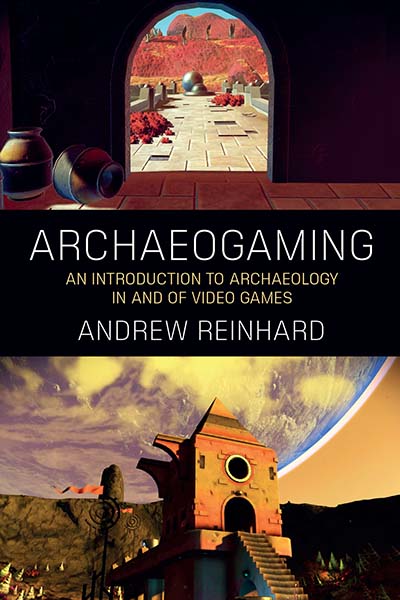
Video games exemplify contemporary material objects, resources, and spaces that people use to define their culture. This book serves as a general introduction to "archaeogaming"; it describes the intersection of archaeology and video games and applies archaeological method and theory into understanding game-spaces as both site and artifact.
Subject: Archaeology Heritage Studies Anthropology (General)
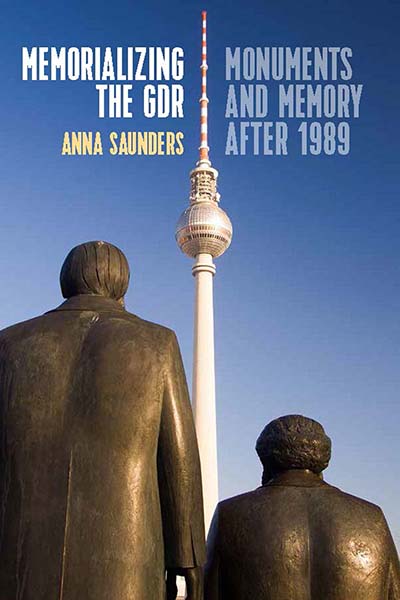
Since unification, eastern Germany has witnessed a rapidly changing memorial landscape. Memorializing the GDR provides the first in-depth study of this key topic, investigating the individuals and groups involved in the creation or destruction of memorials while addressing the subject’s complex aesthetic, political, and historical dimensions.
Subjects: History: 20th Century to Present Urban Studies Heritage Studies
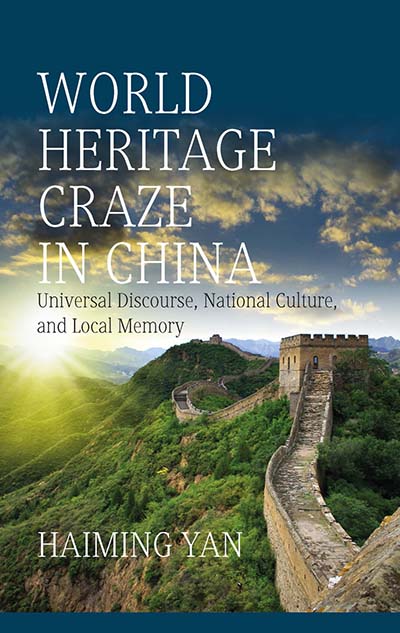
There is a World Heritage Craze in China. China claims to have the longest continuous civilization in the world and is seeking the recognition from UNESCO. With a sociological lens, this book offers comprehensive insights into World Heritage, as well as China’s deep social, cultural, and political structures.
Subjects: Heritage Studies Archaeology Sociology Travel and Tourism
This important contribution presents current research in the political ecology of indigenous revival and its role in nature conservation of sacred natural sites in the Americas. The book explores how struggles for land, rights, and political power are embedded within physical landscapes, and how indigenous identity is reformed as globalizing forces simultaneously threaten and promote the notion of indigeneity.
Subjects: Environmental Studies (General) Development Studies Anthropology (General) Heritage Studies
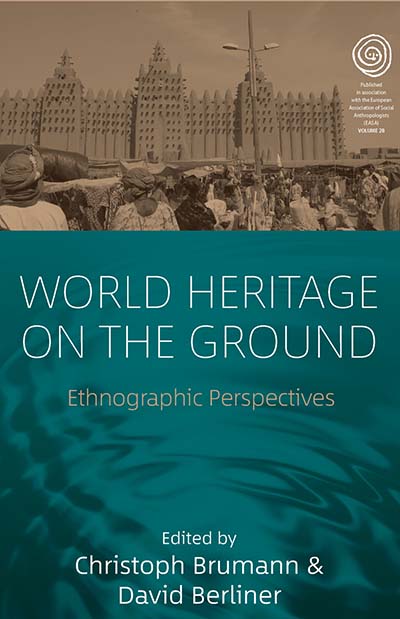
The UNESCO World Heritage Convention of 1972 is a key arena for contemporary cultural and natural conservation. In case studies from across the globe, anthropologists with situated expertise in specific World Heritage sites explore the consequences of the World Heritage framework and the global spread of this heritage regime.
Subjects: Anthropology (General) Heritage Studies Archaeology Museum Studies
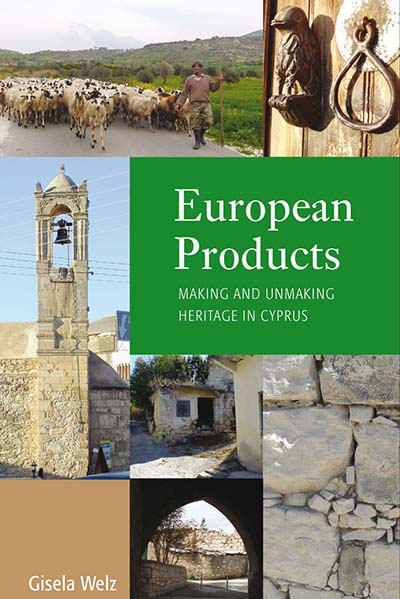
Since the Republic of Cyprus joined the European Union in 2004, heritage-making and Europeanization are becoming intertwined in Greek-Cypriot society. The author argues that heritage emerges as an increasingly standardized economic resource — a “European product” — and that heritage policy has become infused with transnational market regulations and neoliberal property regimes.
Subjects: Anthropology (General) Museum Studies Heritage Studies
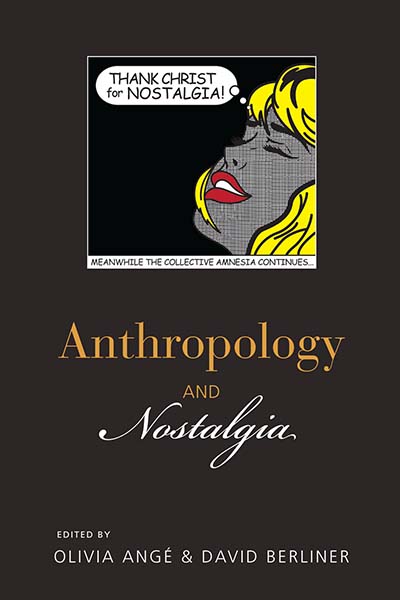
Anthropologists are realizing that nostalgia constitutes a fascinating object of study for exploring contemporary issues of identity, politics and history making. Contributors to this volume explore nostalgic narratives and practices in the fields of heritage and tourism, exile and diasporas, postcolonialism and postsocialism, business and economic exchange, social, ecological and religious movements, and nation building.
Subjects: Anthropology (General) Heritage Studies Theory and Methodology
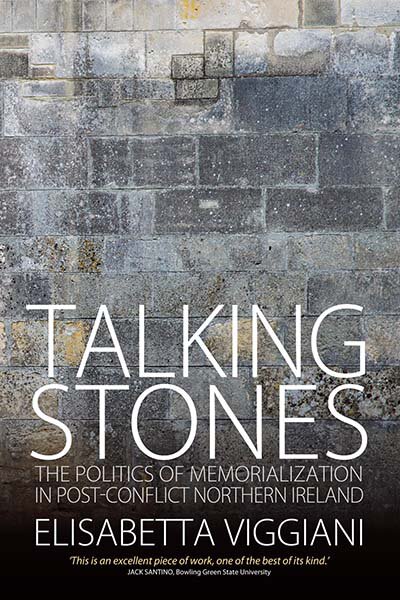
Using the memorialization of the Troubles in contemporary Northern Ireland as a case study, this book investigates how non-state, often proscribed, organizations have filled a societal vacuum in the creation of public memorials. In particular, these groups have sifted through the past to propose “official” collective narratives of national identification, historical legitimation, and moral justifications for violence.
Subjects: Memory Studies Heritage Studies Anthropology (General)
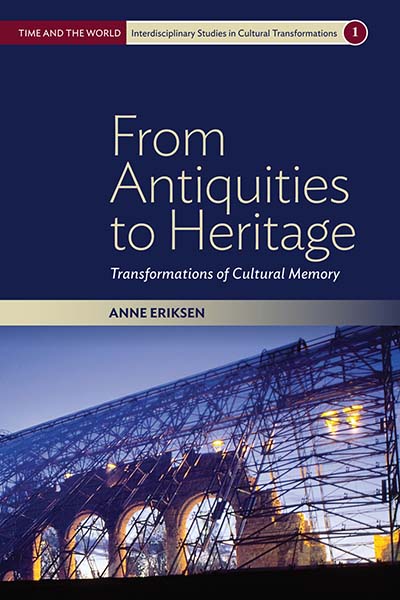
What does it mean when runic stones or medieval churches are transformed from antiquities to monuments to heritage sites? This book argues that the transformations concern more than words alone: They reflect fundamental changes in the way we experience the past, and the way historical objects are assigned meaning and value in the present.
Subjects: Museum Studies Memory Studies Heritage Studies
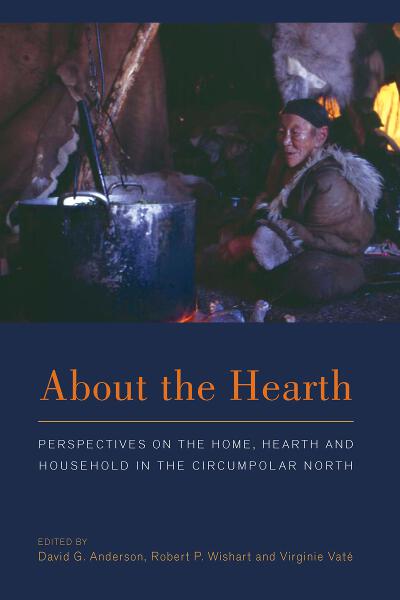
Subjects: Anthropology (General) Archaeology Museum Studies Heritage Studies

Subjects: Environmental Studies (General) History (General) Heritage Studies
Subjects: Anthropology of Religion Anthropology (General) Sociology Heritage Studies
Subjects: Museum Studies Anthropology (General) Heritage Studies
Subjects: Archaeology History (General) Heritage Studies
This book brings together archeologists, historians, psychologists, and educators from different countries and academic traditions to address the many ways that we tell children about the (distant) past. The contributors both examine the ways in which children come to grips with the past and critically assess the many ways in which contemporary societies and an increasing number of commercial agents construct and use the past.
Subjects: Archaeology Educational Studies Heritage Studies
Subjects: Heritage Studies Museum Studies Anthropology (General)
Subjects: History: 20th Century to Present Genocide History Heritage Studies
Subject: Heritage Studies
Subjects: History: 20th Century to Present Heritage Studies Memory Studies
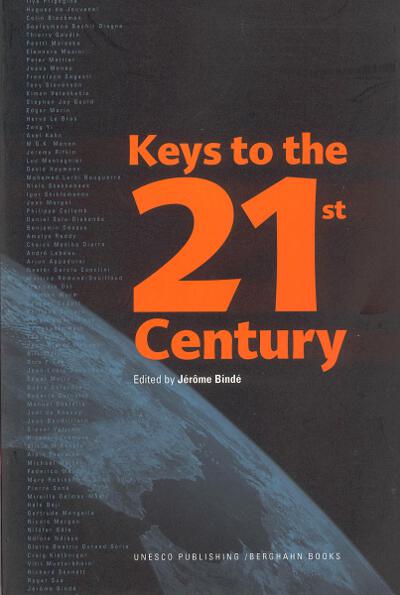
Subject: Heritage Studies