




Browse
by Subject: Archaeology

Engaging critically with concepts of race, species, and otherness, Alterity and Human Evolution contributes to current debates on human evolution. Drawing on postcolonial and critical frameworks from the Humanities and Social Sciences, it interrogates key foundational concepts and assumptions underpinning evolutionary discourses.
Subjects: Political and Economic Anthropology Archaeology

Robert L. Carneiro is one of the most influential figures in anthropology in the twentieth century who brought cultural evolutionism from its nineteenth century origins. This book aims to contribute to revitalizing Carneiro’s profound theoretical perspective for current and future generations of students and anthropologists.
Subjects: Anthropology (General) Archaeology
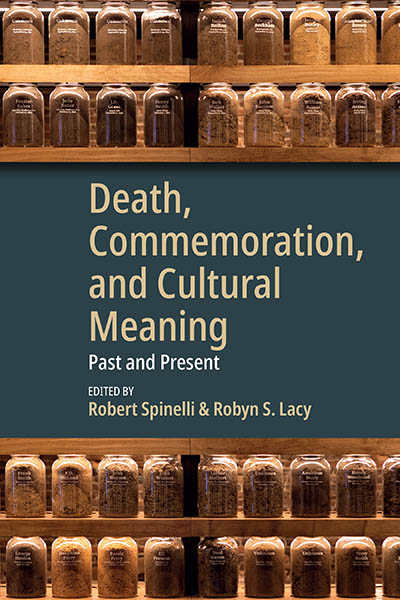
An overview of grieving and memorialization – from a diverse, international group of academics – ranging from traditional modes of expression to contemporary modes that revolve around the digital world.
Subjects: Cultural Studies (General) History (General) Archaeology
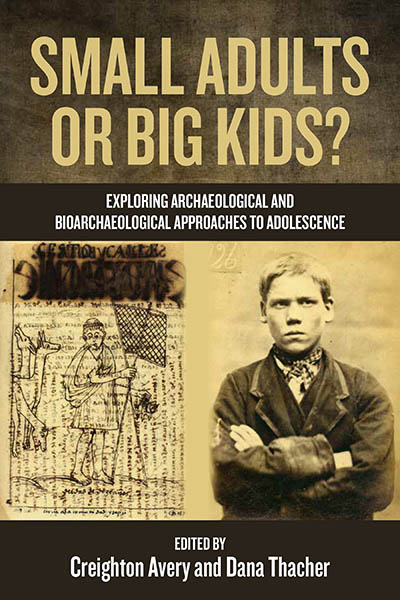
This book explores the meaning of adolescence, a critical period of the life course, through the analysis of material culture, historical documents, skeletal remains, isotope analysis, and other lines of evidence. By considering the implications for archaeologists and biological anthropologists, this book investigates the lived experiences of adolescents in the past to further our understanding of past societies.
Subjects: Anthropology (General) Archaeology Sociology

Considering the correlation between new digital technologies and the growth of the online trafficking landscape, Investigating Online Heritage Crime conducts an investigative deep-dive into how these relatively under-researched "sites" of heritage crime operate and how they function within the wider social media ecosystem of platforms like Facebook and Instagram.
Subjects: Heritage Studies Media Studies Archaeology

In this comprehensive reassessment of post-contact archaeology in the Upper Great Lakes region, Sarah L. Surface-Evans and Misty M. Jackson highlight the diversity and breadth of the area’s archaeological sites and the innovative findings they offer. In doing so, they highlight archaeology’s implications for transforming our understanding of present-day, social justice.
Subjects: Archaeology Heritage Studies History: 18th/19th Century

In North America metal use by hunter-gatherer populations began as early as 9,000 years ago and continued into modern times. The regional and cultural diversity of research in this volume contributes to how we conceptualize hunter-gatherer innovation, technological proficiency, and complex decision-making in the past.
Subjects: Archaeology Anthropology (General) Cultural Studies (General)

Ruins, rubble and decaying material can foster a more layered theory of time, change and memory. The seven ethnographic case studies in Haunting Ruins trace human engagements with the temporal forces of ruins, which can trace the past and transform the present.
Subjects: Anthropology (General) Archaeology
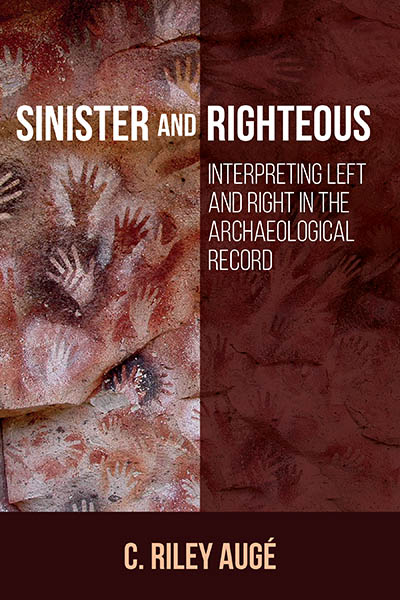
This research demonstrates the ubiquitous, but often overlooked, occurrence of material culture meaningfully arranged according to deeply entrenched left and right concepts and is the first to bring together and expand upon these cultural ideologies.
Subjects: Archaeology Cultural Studies (General)
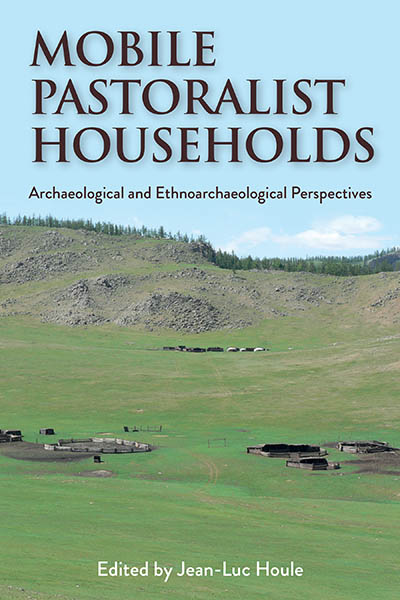
Mobile pastoralist activities occur at different scales across the landscape, including local, regional, and supra-regional scales. This research brings together the work of archaeologists currently engaged in mobile pastoralist household research in different regions of the world to highlight the importance of household studies and the utility of both archaeological and ethnoarchaeological approaches in understanding mobile pastoralist household formation, continuity, and adaptation to environmental, social, economic, and political change.
Subjects: Archaeology Cultural Studies (General) Anthropology (General)
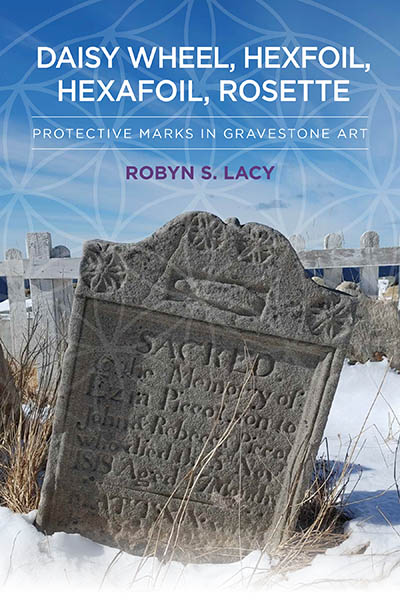
Hexfoils have a history of use for personal protection and were carved both intentionally or graffitied into church pews and walls, bed frames, doors, and gravestones. This research sheds light on the use of this historic symbol to protect the bodies and souls of the deceased, across several thousand years and multiple countries.
Subjects: Archaeology Cultural Studies (General) Anthropology of Religion
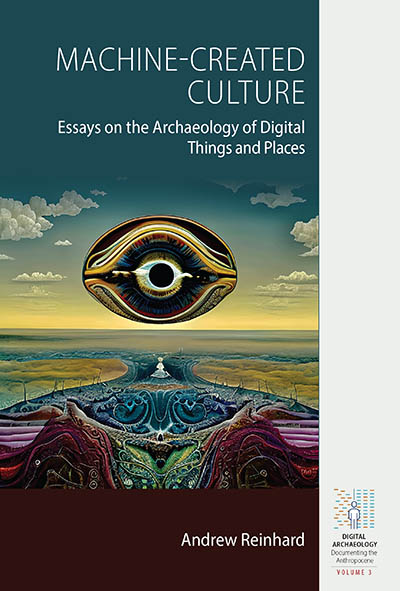
Machine-Created Culture offers archaeologists of any level new ways of interpreting electronic and digital artifacts, sites, and landscapes. Playfully told through the misadventures of a reluctant digital archaeologist, this book gently leads readers into emerging topics including quantum archaeology, entropy, psychogeography, complexity science, and more.
Subject: Archaeology
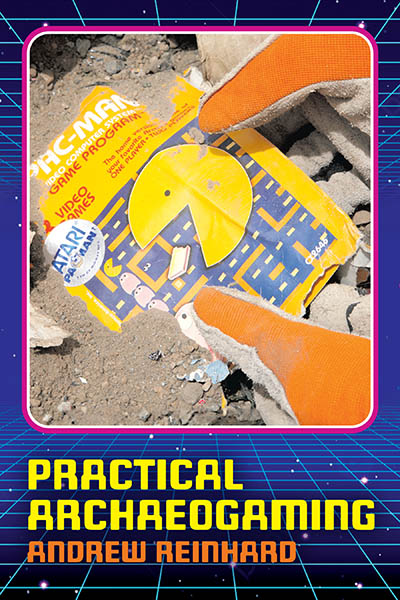
As a sequel to Archaeogaming: an Introduction to Archaeology in and of Video Games, the author focuses on the practical and applied side of the discipline, collecting recent digital fieldwork together in one place for the first time to share new methods in treating interactive digital built environments as sites for archaeological investigation.
Subject: Archaeology Anthropology (General)
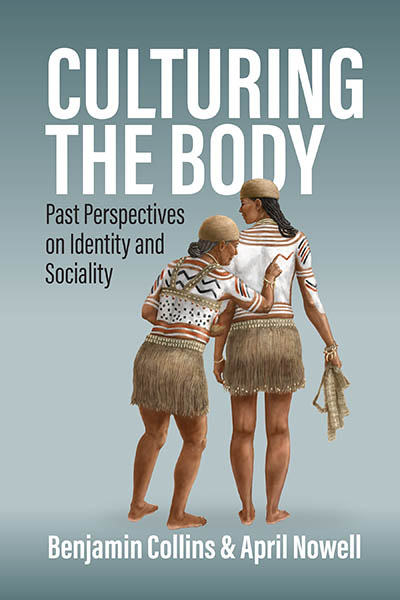
The human body is both the site of lived experiences and a means of communicating those experiences to a diverse audience. Hominins have been culturing their bodies, that is adding social and cultural meaning through the use pigments and objects, for over 100,000 years. There is archaeological evidence for practices of adornment of the body by late Pleistocene and early Holocene hominins, including personal ornaments, clothing, hairstyles, body painting, and tattoos. These studies contribute to a novel and growing body of evidence for diversity of cultural expression in the past, something that is a hallmark of human cultures today.
Subjects: Archaeology Anthropology (General)
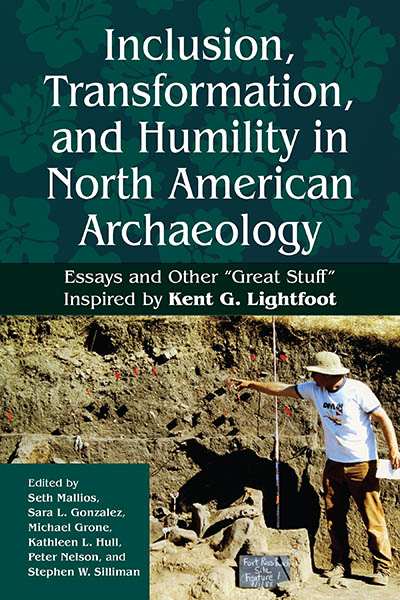
In a dynamic near half-century career of insight, engagement, and instruction, Kent G. Lightfoot transformed North American archaeology through his innovative ideas, robust collaborations, thoughtful field projects, and mentoring of numerous students. Authors emphasize the multifarious ways Lightfoot impacted—and continues to impact—approaches to archaeological inquiry, anthropological engagement, indigenous issues, and professionalism.
Subjects: Archaeology Anthropology (General)
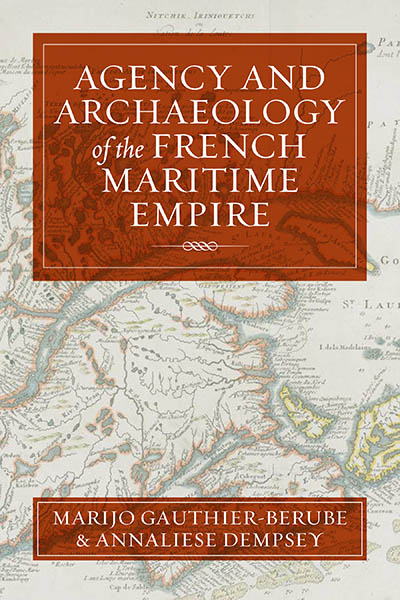
Through detailed archaeological case study, a multiregional approach and a theoretical approach around agencies and individuality, this volume focuses on the diversity of the population that participated in the maritime network of France through the 17th to the 19th century and whose agency and importance is often overlooked.
Subjects: Archaeology Colonial History Political and Economic Anthropology
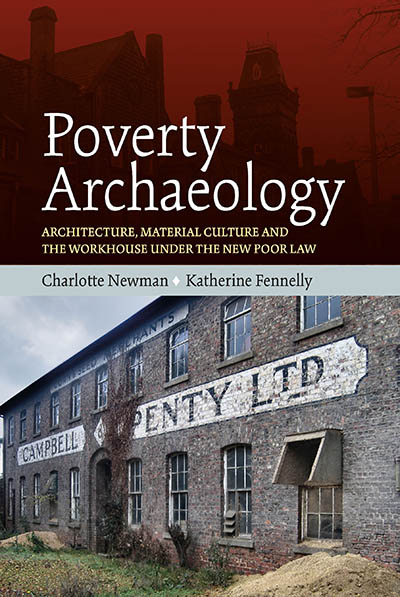
The Poor Laws in the United Kingdom left a built and material legacy of over two centuries of legislative provision for the poor and infirm. Workhouses represent the first centralized, state-organized system for welfare. This volume forms a social archaeology of the lived experience of poverty and health in the nineteenth century.
Subjects: Archaeology History (General) Political and Economic Anthropology
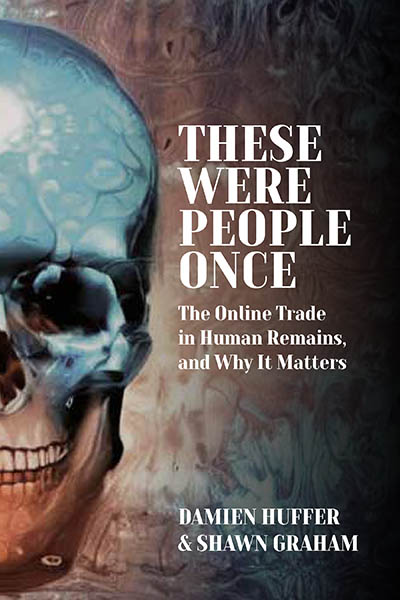
People buy and sell human remains online. Most of this trade these days is over social media. In a study of this ‘bone trade’, how it works, and why it matters, the authors review and use a variety of methods drawn from the digital humanities to analyze the sheer volume of social media posts in search of answers to questions regarding this online bone trade.
Subjects: Archaeology Heritage Studies Political and Economic Anthropology
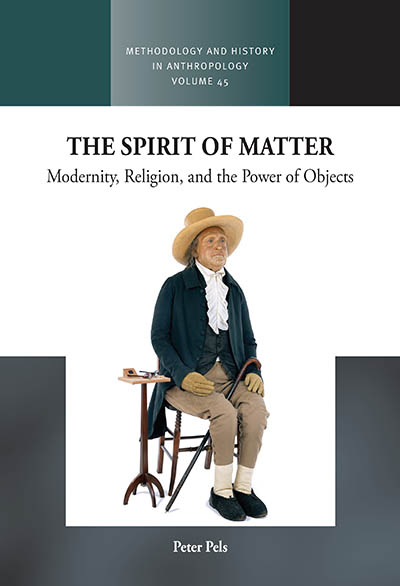
A range of meaningful objects—exhibits of human remains or live people, fetishes, objects in a Catholic Museum, exotic photographs, commodities, and computers—demonstrate a subordinate modern consciousness about powerful objects and their “life”. The Spirit of Matter discusses these objects that move people emotionally but whose existence is often denied by modern wishful thinking of “mind over matter”.
Subjects: Anthropology of Religion Archaeology Museum Studies
Paperback available
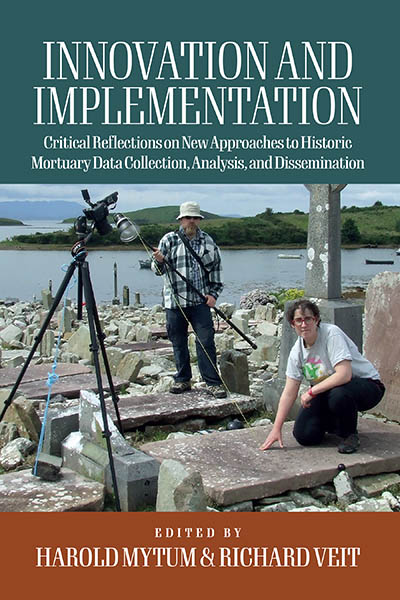
Providing a comprehensive set of guidance to assist researchers wishing to carry out, curate and disseminate field research at a historic burial ground, chapters offer up to date methods for surface and subsurface survey and for the recording and archiving of burial monument data. Also included is the archaeological potential of pet cemeteries and other pet memorials.
Subjects: Archaeology History (General) Anthropology (General)
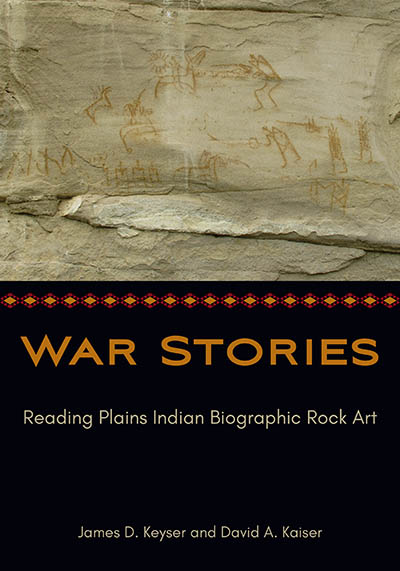
Presented is a lexicon of imagery, conventions, and symbols used by Plains Indians to communicate their warfare and social narratives. Familiarity with the lexicon will enable interested scholars and laypersons to understand what are otherwise enigmatic rock art drawings found from Calgary, Alberta through ten U.S. states, and into the Mexican state of Coahuila.
Subject: Archaeology
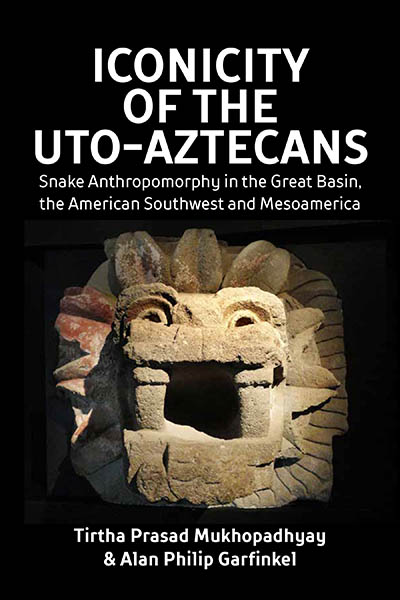
The attempt to study a snake simulacrum thus constitutes the basic objective of this volume. A long, all-embracing iconicity of snakes and related snake motifs are evident in different cultural expressions ranging from rock art templates to other cultural artifacts like basketry, pottery, temple architecture and sculptural motifs.
Subject: Archaeology
Paperback available
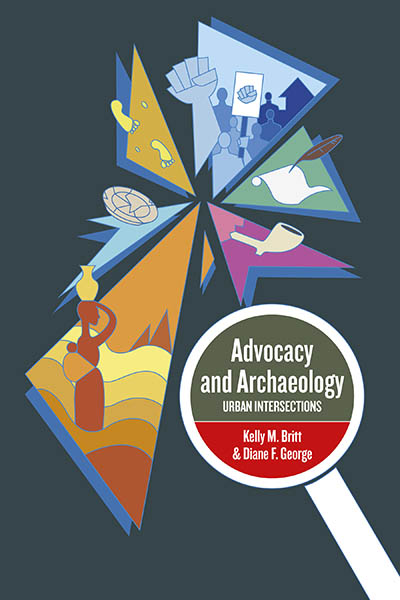
Inspired by the idea of revolution and excitement about the ways archaeology is being used in social justice arenas, this volume seeks to visualize archaeology as part of a movement by redefining what archaeology is and does for the greater good.
Subjects: Archaeology History (General) Political and Economic Anthropology
Paperback available
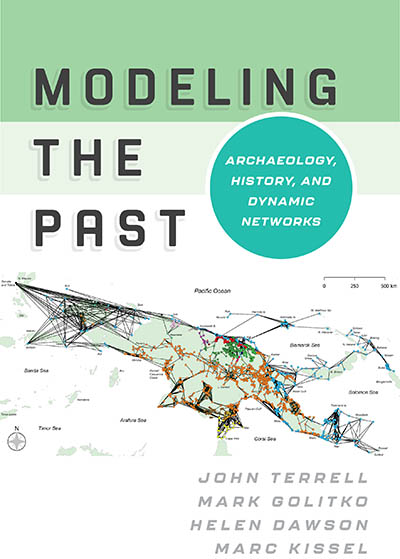
Using this handbook, researchers learn to develop historical and archaeological research questions anchored in dynamic network analysis (DYRA). Undergraduate and graduate students, as well as professional historians and archaeologists can consult on issues that range from hypothesis-driven research to critiquing dominant historical narratives, especially those that have tended ignore the diversity of the archaeological record.
Subjects: Archaeology History (General) Anthropology (General)
Paperback available
As an introduction to studying and reverse engineering a digital artifact, this volume is intended for nontechnical audiences wanting to learn how to conduct their own similar research on computer software. While presented through an archaeological lens, it is also suitable for readers in history, game studies, and other areas in the humanities and social sciences, as well as computer science and engineering.
Subjects: Archaeology Media Studies Anthropology (General)
Paperback available
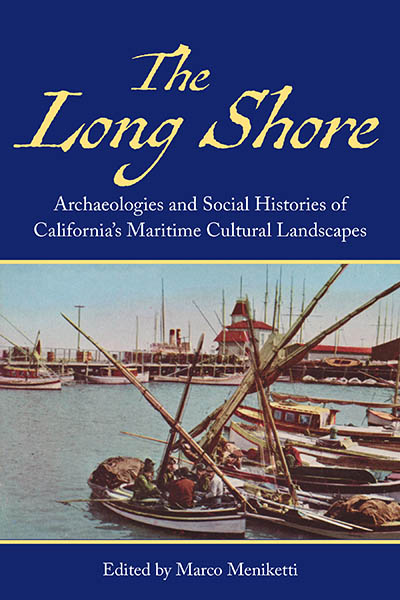
Authors investigate the multifaceted character of maritime landscapes and maritime oriented communities in California’s equally diverse cultural landscape; viewed through an archaeological lens, and emphasizing social behavior and community as material culture in order to reveal intersections and commonalities.
Subjects: Archaeology History (General) Anthropology (General)
Paperback available
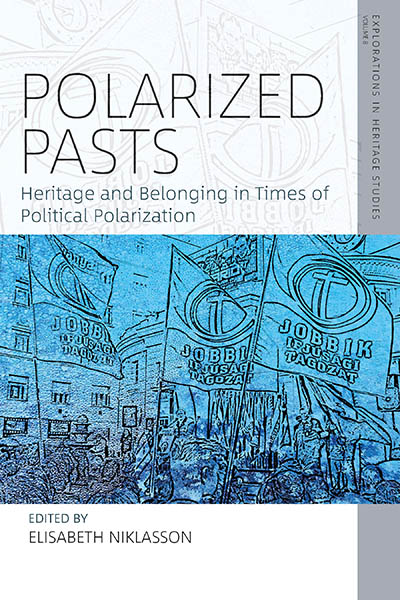
When questions of belonging enter the forefront of political debates, so too does heritage. From different ends at the political spectrum, people invoke the past to validate their stance on immigration, equality and security. Together, the texts pave the way for a better understanding of the role of the heritage in society.
Subjects: Heritage Studies Cultural Studies (General) Archaeology
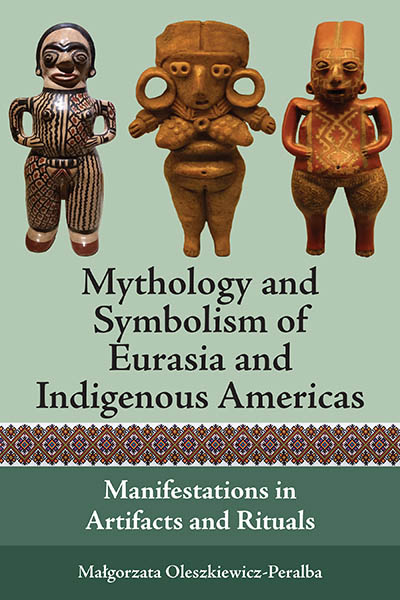
There is a continuity of a cohesive system of symbols and patterns from the Paleolithic and the Neolithic that survives in present-day imagery. The understanding of commonalities underlying these seemingly distant cultures demonstrates that, despite appearances, there is more that unites us than that divides us.
Subjects: Archaeology Anthropology (General)
Paperback available
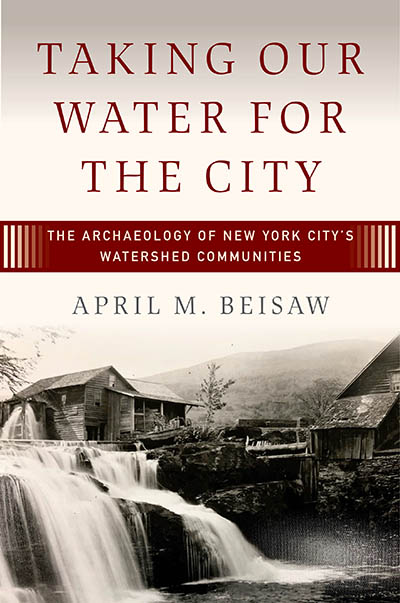
Tap water enables the development of cities in locations with insufficient natural resources to support such populations. This archaeological examination of the New York City watershed reveals the cultural costs of urban water systems. Urban water systems do more than reroute water from one place to another. At best, they redefine communities. At worst, they erase them.
Subjects: Archaeology History (General) Political and Economic Anthropology Sustainable Development Goals
Paperback available
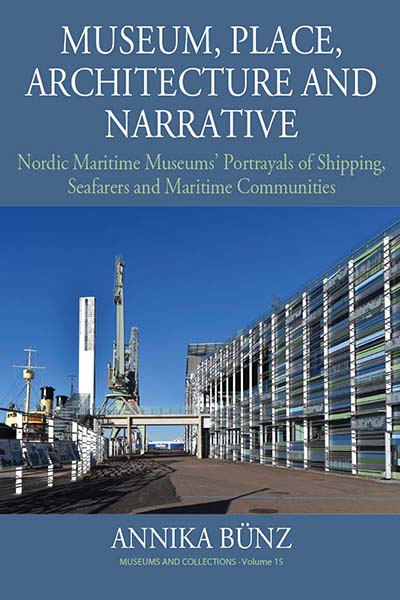
A characteristic trait of the maritime museums is that they are often located in a contemporary and/or historical environment from which the collections and narratives originate. This volume unravels the kinds of worlds and realities the Nordic maritime museums stage, which identities and national myths they depict, and how they make use of both the surrounding maritime environments and the architectural properties of the museum buildings.
Subjects: Museum Studies Archaeology Cultural Studies (General)
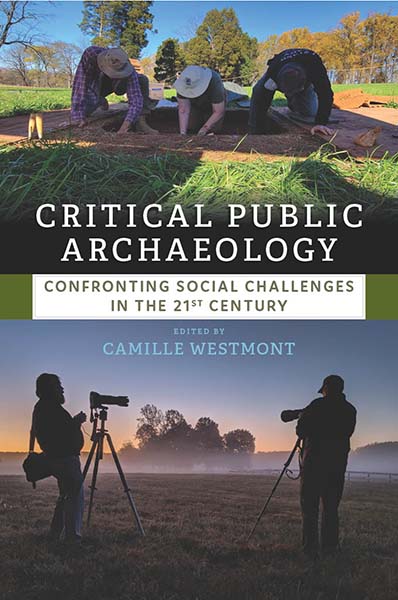
Critical approaches to public archaeology have been in use since the 1980s, however only recently have archaeologists begun using critical theory in conjunction with public archaeology to challenge dominant narratives of the past. This volume brings together current work on the theory and practice of critical public archaeology from Europe and the United States to illustrate the ways that implementing critical approaches can introduce new understandings of the past and reveal new insights on the present.
Subjects: Archaeology Anthropology (General) History (General)
Paperback available
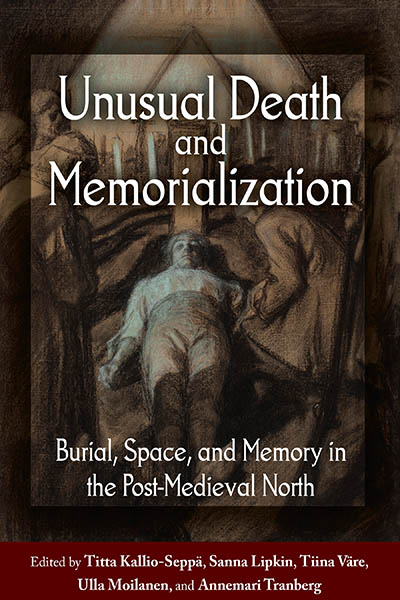
Most cultures and societies have their own customs and traditions of treating their dead. In the past, some deceased received a burial that deviated from tradition. The reasons for unusual burial could result from reasons such as outbreaks of epidemics or wars, or from premature births, distinctive social status, or disability. The case studies introduce varied views on ‘otherness’ that are visible in burial customs and memorialization.
Subjects: Archaeology Anthropology (General) Memory Studies
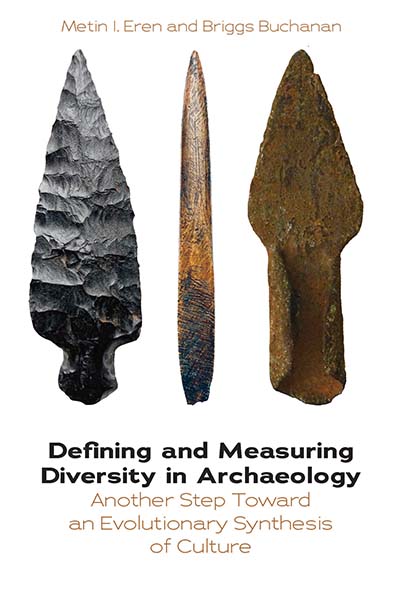
Calculating the diversity of biological or cultural classes is a fundamental way of describing, analyzing, and understanding the world around us. Featuring studies of archaeological diversity ranging from the data-driven to the theoretical, from the Paleolithic to the Historic periods, authors illustrate the range of data sets to which diversity measures can be applied, as well as offer new methods to examine archaeological diversity.
Subjects: Archaeology Anthropology (General) Theory and Methodology
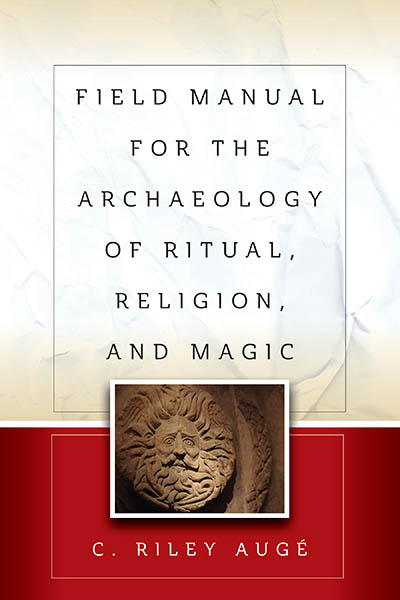
By bringing together in one place specific objects, materials, and features indicating ritual, religious, or magical belief used by people around the world and through time, this tool will assist archaeologists in identifying evidence of belief-related behaviors and broadening their understanding of how those behaviors may also be seen through less obvious evidential lines.
Subjects: Archaeology History (General) Anthropology of Religion
Paperback available
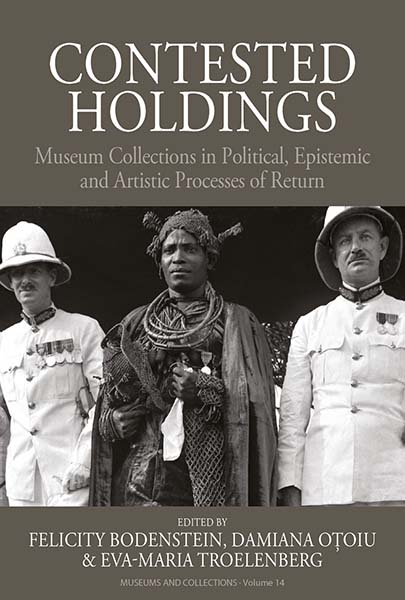
Covering a range of case studies and a global geography, authors aim to historicize and bring depth to contemporary debates in relation to both the return of material culture and human remains. Defined as contested holdings, differing museum collections ranging from fine arts to physical anthropology provide connections between the treatment and conceptualization of collections that generally occupy separate realms in the museum world.
Subjects: Museum Studies Archaeology Cultural Studies (General)
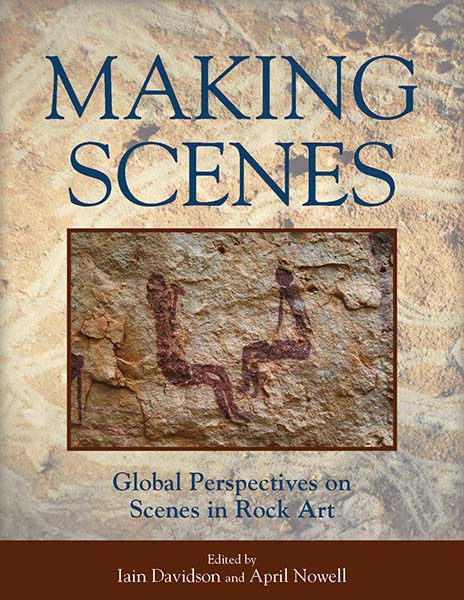
In this unique volume examining the nature of scenes in rock art, researchers examine what defines a scene, what are the necessary elements of a scene, and what can the evolutionary history tell us about storytelling, sequential memory and cognitive evolution among ancient and living cultures?
Subject: Archaeology
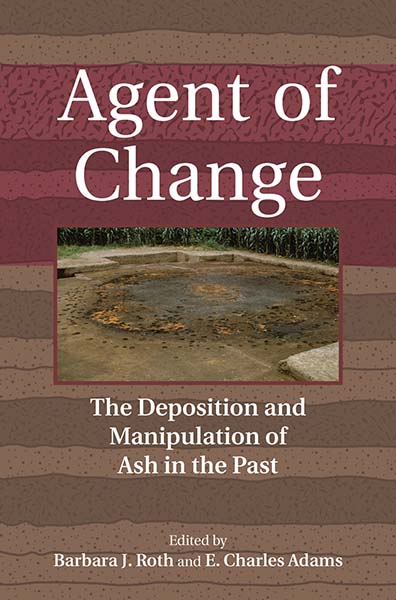
Drawn from across the U.S. and Mesoamerica, the chapters in this volume explore the use, meanings, and cross-cultural patterns present in the use of ash. and highlight the importance of ash in ritual closure, social memory, and cultural transformation.
Subjects: Archaeology Anthropology (General) Anthropology of Religion
Paperback available
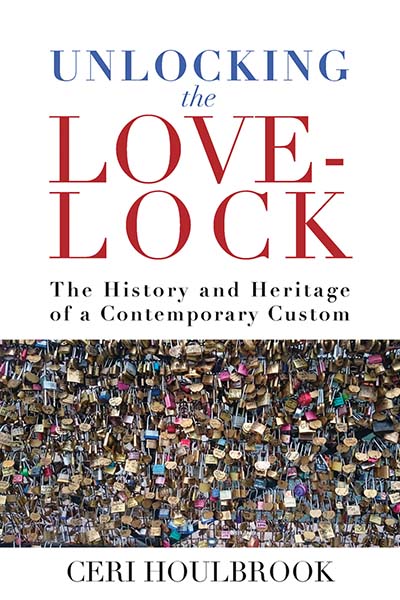
A padlock is a mundane object, designed to fulfil a specific – and secular – purpose. A contemporary custom has given padlocks new significance155. This custom is ‘love-locking’, where padlocks are engraved with names and attached to bridges in declaration of romantic commitment. This book explores the worldwide popularity of the love-lock as a ritual token of love and commitment by considering its history, symbolism, and heritage.
Subjects: Heritage Studies Archaeology Museum Studies Cultural Studies (General)
Paperback available
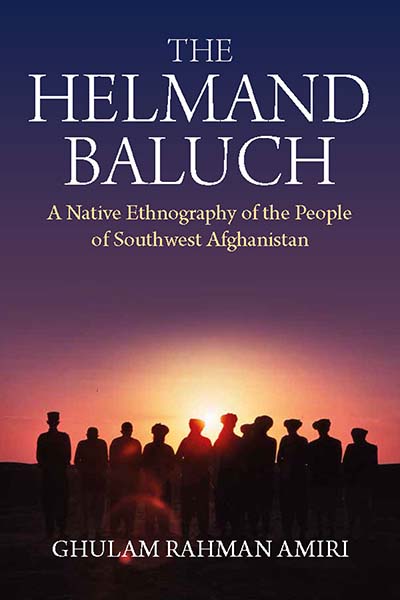
The late Ghulam Rahman Amiri accompanied a joint Aghan-US archaeological mission to the Sistan region of southwest Afghanistan in the 1970s and published the ethnography in Farsi in Kabul in 1987. This volume, the first English translation, describes the cultural, political, and economic systems of the Baluch people living in the lower Helmand River Valley of Afghanistan.
Subjects: Anthropology (General) Archaeology
Paperback available
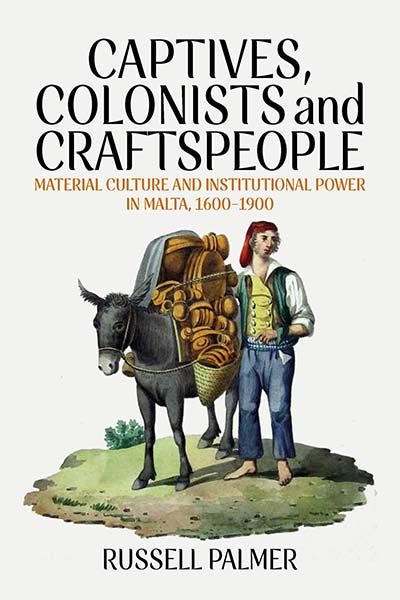
This innovative study draws on both archival evidence and archeological research to compare Malta’s experience under the regimes of the Knights of St. John from 1530 to 1798 and afterward as a maritime outpost of the British Empire in terms of such topics as slavery, the control of resources, and globalization.
Subjects: Colonial History Archaeology
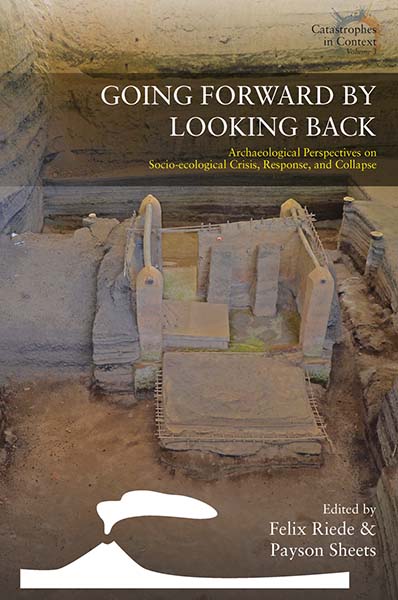
Catastrophes are on the rise due to climate change, as is their toll in terms of lives and livelihoods as world populations rise and people locate into hazardous places. This book catalogues a wide and diverse range of case studies of such disasters and human responses. This heritage of past disasters serves as inspiration for building culturally sensitive adaptions to present and future calamities, to mitigate their impacts, and facilitate recoveries.
Subjects: Archaeology Applied Anthropology Environmental Studies (General) Sustainable Development Goals
Paperback available
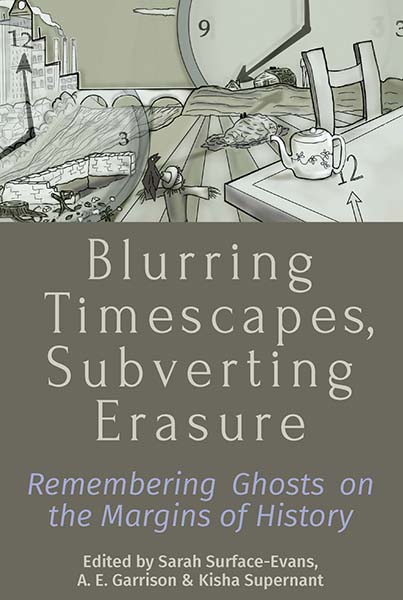
What happens when we blur time and allow ourselves to haunt or to become haunted by the ghosts of the past? The authors draw on archaeological, historical, and ethnographic data to imagine timescapes that transcend our temporality. This volume demonstrates the value of conceiving of ghosts not just as metaphors, but for making the past more concrete and allowing the negative specters of enduring historical legacies, such as colonialism and capitalism, to be exorcised.
Subjects: Archaeology Anthropology (General) Memory Studies Heritage Studies
Paperback available
The use of computation in archaeology is a kind of magic, a way of heightening the archaeological imagination. Agent-based modelling allows archaeologists to test the ‘just-so’ stories they tell about the past. These models are one end of a spectrum that ends with video games. This volume explores this spectrum in the context of Roman archaeology, addressing the strengths, weaknesses, and opportunities of a formalized approach to computation and archaeogaming.
Subjects: Archaeology Media Studies Heritage Studies Anthropology (General)
Paperback available
Framing the emergence of queer enclaves in reference to place, this volume explores the physical and symbolic spaces of LGBTQ Americans. Authors provide an overview of the concept of “place” and its role in informing identity formation and community building. The book also includes interactive project prompts, providing opportunities to practically apply topics and theories discussed in the chapters.
Subjects: Archaeology Heritage Studies
Paperback available
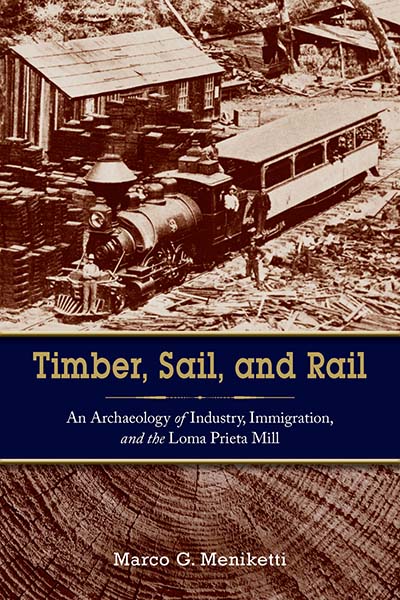
While taking a critical look at the labor and social issues related to timber, the story of labor, immigration, and development around the San Francisco Bay region is told through the lens of an archaeological case study of a major player of the timber industry between 1885 and 1920. Timber, Sail, and Rail recounts the mill operations and broadly examines its intersections with other industries, such as shipping, brick manufacture, rail companies, lime production, and other lesser enterprises.
Subjects: Archaeology History (General) Transport Studies
Stressing the interdisciplinary, public-policy oriented character of Cultural Resource Management (CRM), which is not merely “applied archaeology,” this short, relatively uncomplicated introduction is aimed at emerging archaeologists.
Subjects: Archaeology Heritage Studies
Paperback available
After millennia of wandering the earth with little impact, a universal, if inadvertent transition from hunting and gathering to agriculture and pastoralism was complete within a period of a few thousand years. Mixed Harvest tells the story of the Sedentary Divide, the most significant event since modern humans emerged.
Subjects: Archaeology Literary Studies Memory Studies Anthropology (General)
Paperback available
By drawing parallels between the past and present – for example, the coal mines of the nineteenth-century northeastern Pennsylvania and the sweatshops of the twenty-first century in Bangladesh – we can have difficult conversations about the past and advance our commitment to address social justice issues.
Subjects: Archaeology History (General) Political and Economic Anthropology
Paperback available
With a focus on historic sites, this volume explores the recent history of non- heteronormative Americans from the early twentieth century onward and the places associated with these communities. Authors explore how queer identities are connected with specific places: places where people gather, socialize, protest, mourn, and celebrate. Each chapter is accompanied by prompts and activities that invite readers to think critically and immerse themselves in the subject matter while working collaboratively with others.
Subjects: Archaeology Heritage Studies
Paperback available
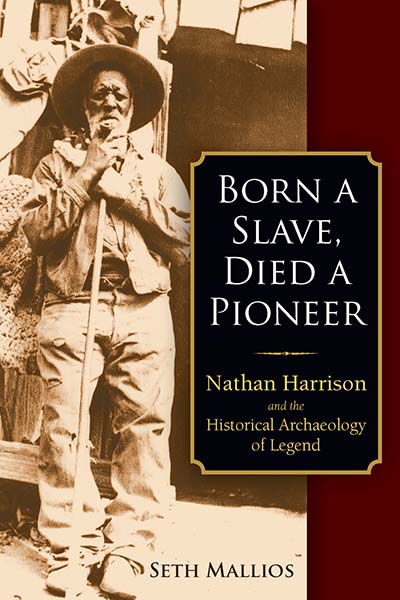
Few people in the history of the United States embody ideals of the American Dream more than Nathan Harrison. His is a story with prominent themes of overcoming staggering obstacles, forging something-from-nothing, and evincing gritty perseverance. This book uses spectacular recent discoveries from the Nathan Harrison cabin site to offer new insights and perspectives into this most American biography.
Subjects: Archaeology Heritage Studies History (General) Anthropology (General)
Paperback available
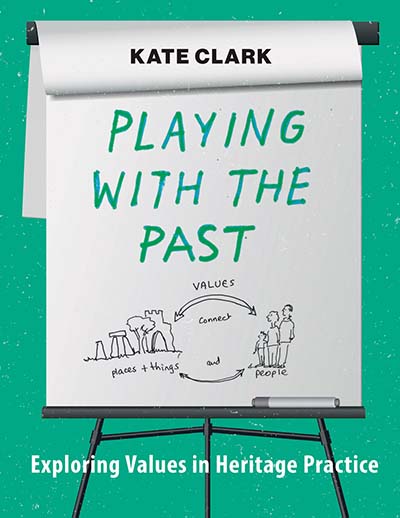
Heritage is all around us, not just in monuments and museums, but in places that matter, the countryside and in collections and stories. It touches all of us. How do we decide what to preserve? And how do we make the case for heritage when there are so many other priorities? Playing with the Past is designed to make the case for heritage. It is the first ever action-learning book about heritage.
Subjects: Museum Studies Heritage Studies Archaeology
Paperback available
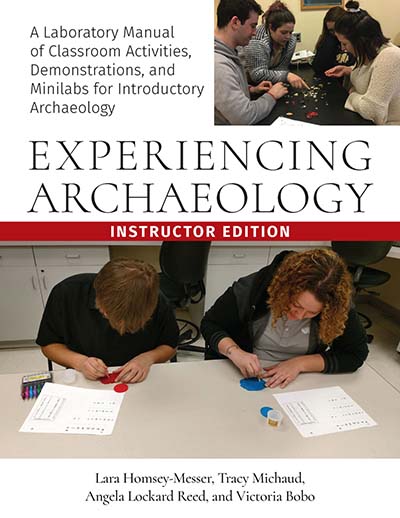
This laboratory-style manual compiles a wide variety of uniquely designed, hands-on classroom activities to acquaint advanced high school and introductory college students to the field of archaeology. This Instructor's Edition provides detailed explanations for activities ranging in length from five to thirty minutes that are designed to break up traditional classroom lecture, and easily integrate into large classes and/or short class periods that do not easily accommodate traditional laboratory work.
Subject: Archaeology
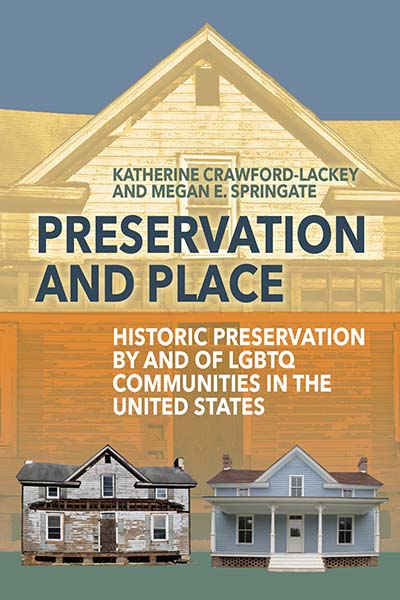
Historically significant archaeological sites affiliated with two-spirit, lesbian, gay, bisexual, transgender, and queer history in the United States are examined in this unique volume. The importance of the preservation process in documenting and interpreting the lives and experiences of queer Americans is emphasized. The book features chapters on archaeology and interpretation, as well as several case studies focusing on queer preservation projects.
Subjects: Archaeology Heritage Studies
Paperback available
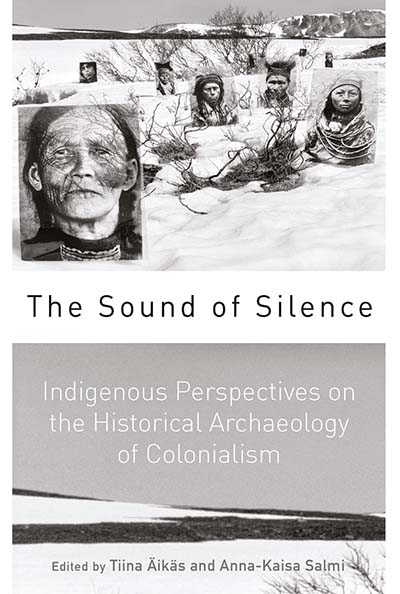
Colonial encounters between indigenous peoples and European state powers are overarching themes in the historical archaeology of the modern era, and postcolonial historical archaeology has repeatedly emphasized the complex two-way nature of colonial encounters. The volume examines common trajectories in indigenous colonial histories, and explores new ways to understand cultural contact, hybridization and power relations between indigenous peoples and colonial powers from the indigenous point of view.
Subjects: Archaeology Colonial History Memory Studies Anthropology (General)
Paperback available
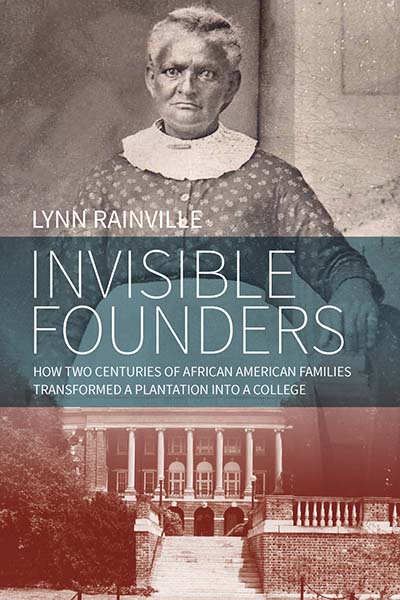
Literal and metaphorical excavations at Sweet Briar College reveal how African American labor enabled the transformation of Sweet Briar Plantation into a private women’s college in 1906. Despite being built and maintained by African American families, the college did not integrate its student body for sixty years after it opened. Invisible Founders challenges our ideas of what a college “founder” is, restoring African American narratives to their deserved and central place in the story of a single institution.
Subjects: Archaeology History (General) Educational Studies Heritage Studies
Paperback available
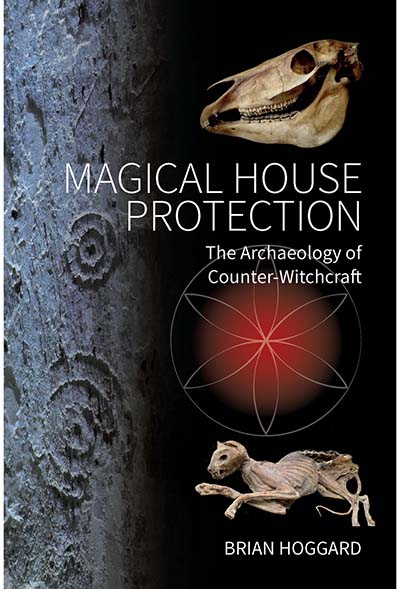
Belief in magic and particularly the power of witchcraft was a deep and enduring presence in popular culture; people created and concealed many objects to protect themselves from harmful magic. Detailed are the principal forms of magical house protection in Britain and beyond from the fourteenth century to the present day.
Subjects: Archaeology History (General) Anthropology of Religion
Paperback available
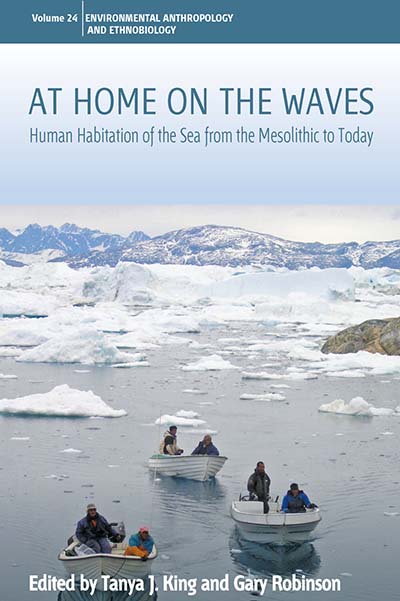
This collection explores the variety of ways in which people have long made themselves at home at sea, bringing together both ethnographic and archaeological research – much of it with an explicit Ingoldian approach – on a wide range of geographical areas and historical periods.
Subjects: Anthropology (General) Archaeology Environmental Studies (General)
Paperback available
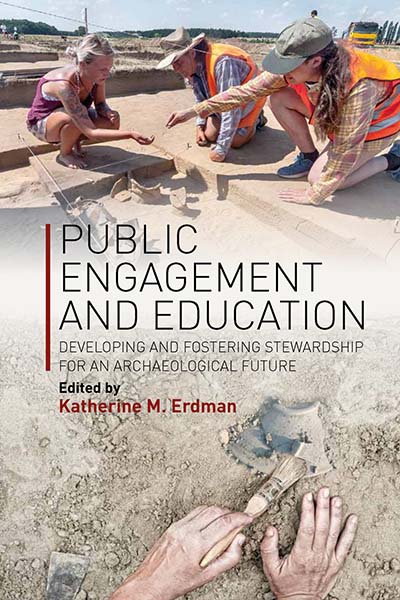
Public Engagement and Education shares effective approaches for engaging and educating learners of all ages about archaeology and how one can encourage them to become stewards of the past. Offered are applied examples that are not bound to specific geographies or cultures, but rather, are approaches that can be implemented almost anywhere.
Subjects: Archaeology Educational Studies
Paperback available
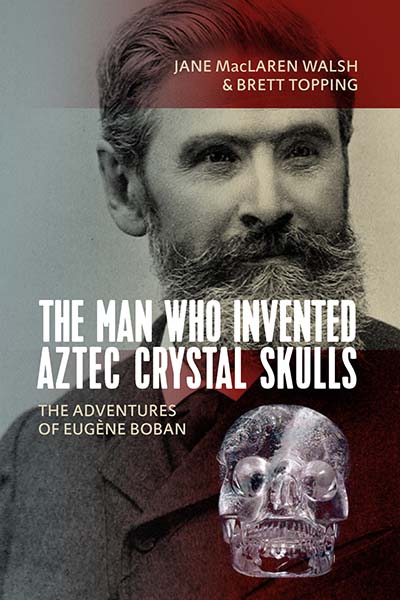
Detailed are the travels, self-education, and archaeological explorations of Eugène Boban, an expert in the field of pre-Columbian studies and explores the circumstances that allowed him to sell fakes to museums that would remain undetected for over a century.
Subjects: Museum Studies Archaeology
Paperback available
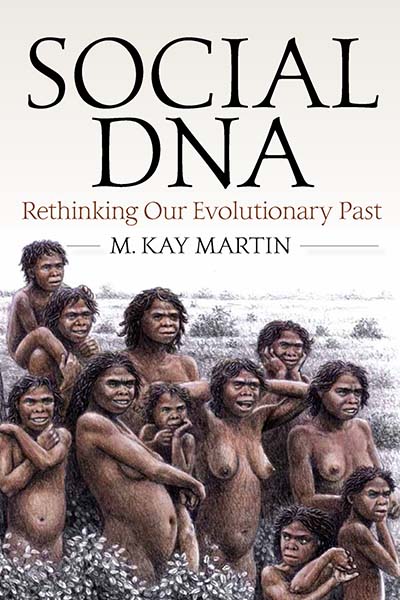
Social DNA presents a new synthesis of ideas on human social origins based upon the evolution of behavioral plasticity and the process of multilevel selection. What set our ancestors off on a separate evolutionary trajectory – what made them human – was the ability to flex their reproductive and social strategies in response to changing environmental conditions.
Subjects: Anthropology (General) Archaeology
Paperback available
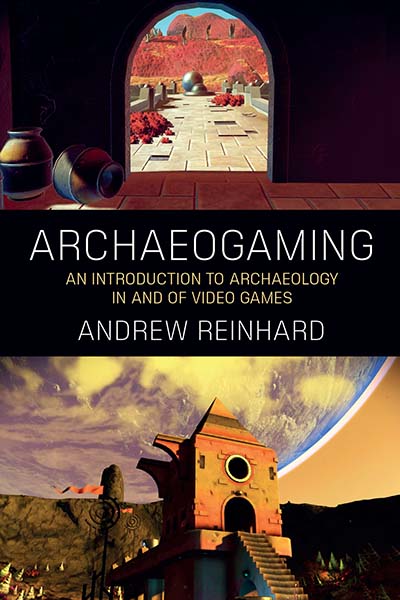
Video games exemplify contemporary material objects, resources, and spaces that people use to define their culture. This book serves as a general introduction to "archaeogaming"; it describes the intersection of archaeology and video games and applies archaeological method and theory into understanding game-spaces as both site and artifact.
Subject: Archaeology Heritage Studies Anthropology (General)
Paperback available
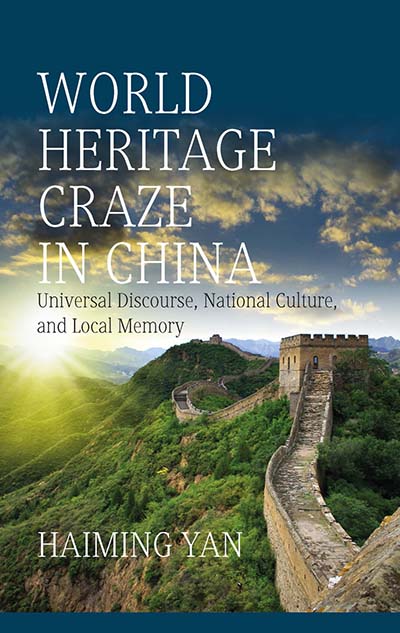
There is a World Heritage Craze in China. China claims to have the longest continuous civilization in the world and is seeking the recognition from UNESCO. With a sociological lens, this book offers comprehensive insights into World Heritage, as well as China’s deep social, cultural, and political structures.
Subjects: Heritage Studies Archaeology Sociology Travel and Tourism
Paperback available
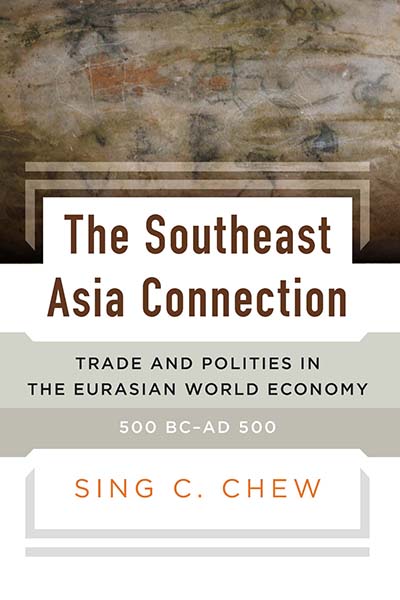
Over world history, Southeast Asia’s contribution to the world economy (during the late prehistoric and early historic periods) has not been given much attention. This book attempts to recalibrate these interactions of Southeast Asia with other parts of the world economy, and gives the region its due instead of treating it as little more than a region of peripheral entrepôts.
Subjects: Archaeology History (General) Political and Economic Anthropology
Paperback available
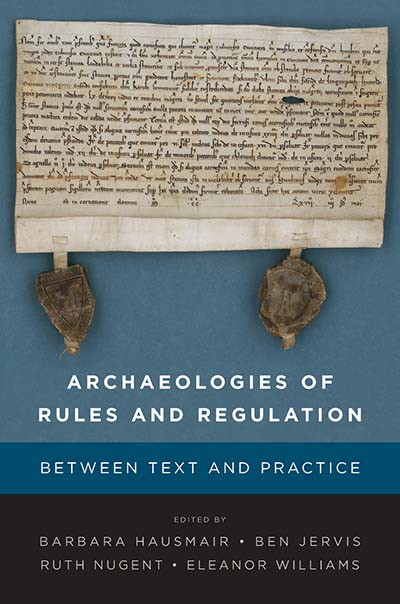
How can we study the impact of rules on the lives of past people using archaeological evidence? To answer this question, Archaeologies of Rules and Regulation presents case studies drawn from across Europe and the United States, exploring the use of archaeological evidence in understanding the relationship between rules, lived experience, and social identity.
Subjects: Archaeology History: Medieval/Early Modern Sociology History (General)
Paperback available
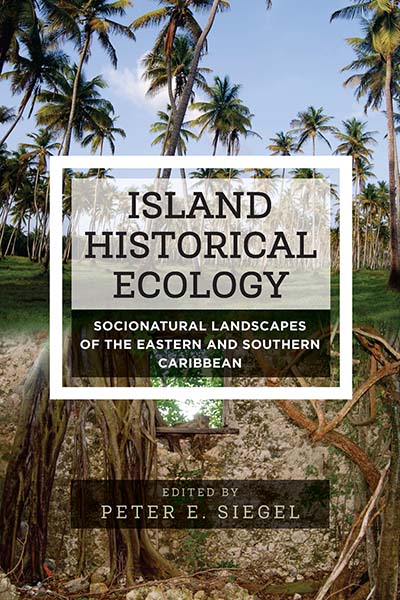
Island Historical Ecology addresses Caribbean island ecologies from the perspective of social and cultural intervention, focusing on selected islands between Venezuela and Puerto Rico. This volume goes on to compare these ecologies with well-documented patterns in the Mediterranean and Pacific islands, placing the Caribbean into a larger context of island historical ecology.
Subjects: Archaeology Environmental Studies (General) Anthropology (General)
Paperback available
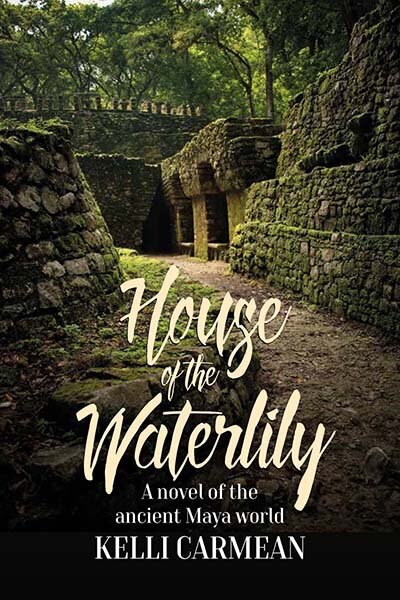
House of the Waterlily is a historical novel set in the world of the Late Classic Period Maya of the Southern Lowlands. Through the story of Lady Winik, a young Maya noble girl, the reader is immersed in the everyday world of the Maya
Subjects: Archaeology Literary Studies Memory Studies Anthropology (General)
Paperback available
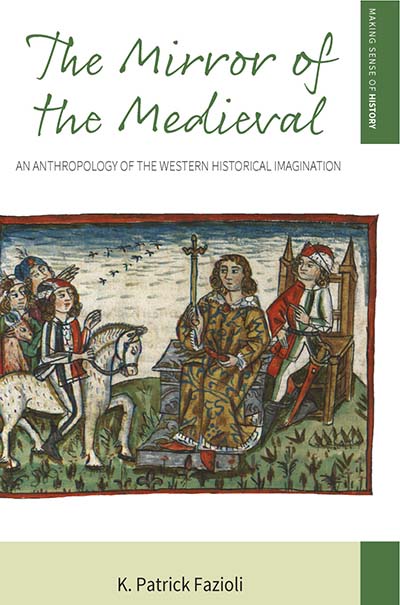
The Middle Ages have always held a uniquely important place in the Western imagination. This book gives an eye-opening account of the ways various political and intellectual projects have appropriated the medieval past for their own ends, grounded in an analysis of contemporary struggles over power and identity in the Eastern Alps.
Subjects: History: Medieval/Early Modern Theory and Methodology Archaeology
Paperback available
Biocultural and archaeological research on food, past and present, often relies on very specific, precise, methods for data collection and analysis. These are presented here in a broad-based review.
Subjects: Anthropology (General) Food & Nutrition Archaeology
Paperback available
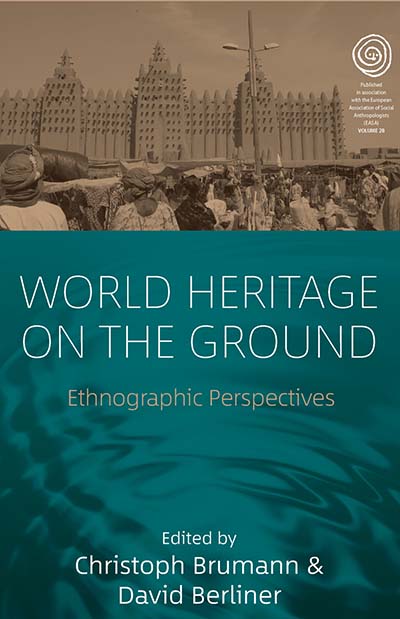
The UNESCO World Heritage Convention of 1972 is a key arena for contemporary cultural and natural conservation. In case studies from across the globe, anthropologists with situated expertise in specific World Heritage sites explore the consequences of the World Heritage framework and the global spread of this heritage regime.
Subjects: Anthropology (General) Heritage Studies Archaeology Museum Studies
Paperback available
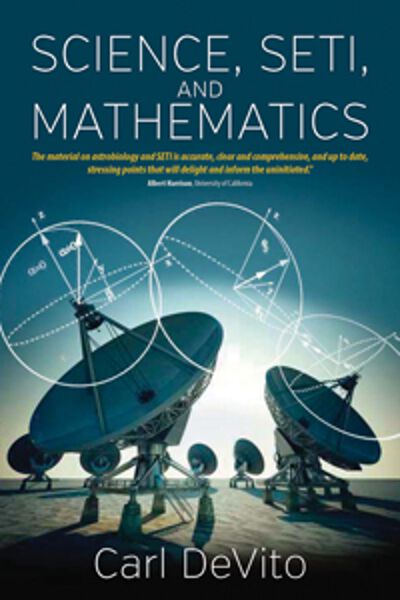
Mathematics is as much a part of our humanity as music and art. And it is our mathematics that might be understandable, even familiar, to a distant race and might provide the basis for mutual communication. This book discusses, in a conversational way, the role of mathematics in the search for extraterrestrial intelligence. The author explores the science behind that search, its history, and the many questions associated with it, including those regarding the nature of language and the philosophical/psychological motivation behind this search.
Subjects: Archaeology Cultural Studies (General)
Paperback available
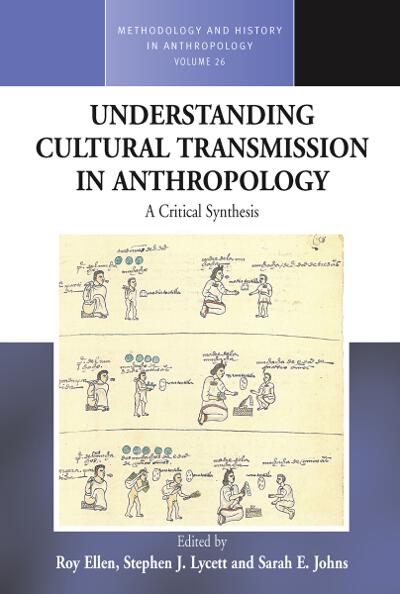
Subjects: Theory and Methodology Archaeology
Paperback available
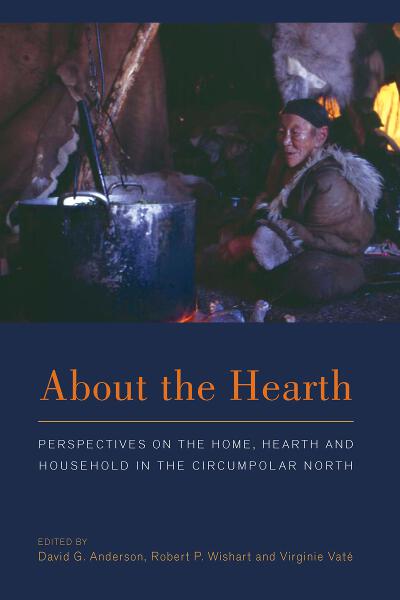
Subjects: Anthropology (General) Archaeology Museum Studies Heritage Studies
Paperback available
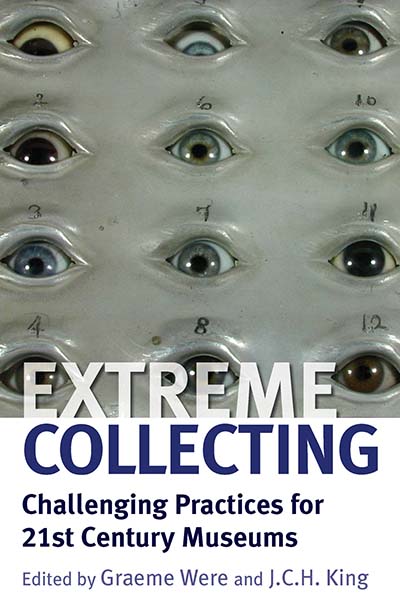
Subjects: Museum Studies Archaeology
Paperback available
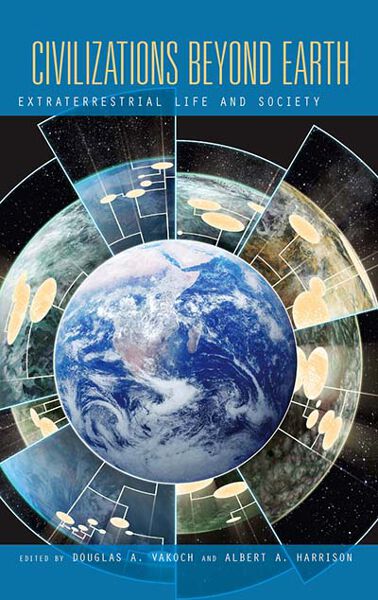
“For years sections of the SETI [Search for Extraterrestrial Intelligence] community have bemoaned the fact that the social sciences are often sidelined in favour of the hard sciences when it comes to SETI discussion. Civilizations Beyond Earth starts to redress the balance, edited skillfully by Douglas Vakoch, the only sociologist on staff at the SETI Institute in California, and Albert Harrison, a psychologist from the University of California.” • Astronomy
Subjects: Anthropology (General) Sociology Archaeology
Paperback available