




Browse
by Paperbacks: Archaeology
A range of meaningful objects—exhibits of human remains or live people, fetishes, objects in a Catholic Museum, exotic photographs, commodities, and computers—demonstrate a subordinate modern consciousness about powerful objects and their “life”. The Spirit of Matter discusses these objects that move people emotionally but whose existence is often denied by modern wishful thinking of “mind over matter”.
Subjects: Anthropology of Religion Archaeology Museum Studies
The attempt to study a snake simulacrum thus constitutes the basic objective of this volume. A long, all-embracing iconicity of snakes and related snake motifs are evident in different cultural expressions ranging from rock art templates to other cultural artifacts like basketry, pottery, temple architecture and sculptural motifs.
Subject: Archaeology
Inspired by the idea of revolution and excitement about the ways archaeology is being used in social justice arenas, this volume seeks to visualize archaeology as part of a movement by redefining what archaeology is and does for the greater good.
Subjects: Archaeology History (General) Political and Economic Anthropology
Using this handbook, researchers learn to develop historical and archaeological research questions anchored in dynamic network analysis (DYRA). Undergraduate and graduate students, as well as professional historians and archaeologists can consult on issues that range from hypothesis-driven research to critiquing dominant historical narratives, especially those that have tended ignore the diversity of the archaeological record.
Subjects: Archaeology History (General) Anthropology (General)
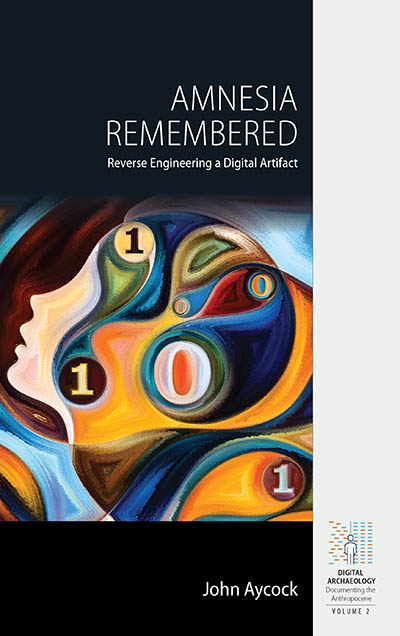
As an introduction to studying and reverse engineering a digital artifact, this volume is intended for nontechnical audiences wanting to learn how to conduct their own similar research on computer software. While presented through an archaeological lens, it is also suitable for readers in history, game studies, and other areas in the humanities and social sciences, as well as computer science and engineering.
Subjects: Archaeology Media Studies Anthropology (General)
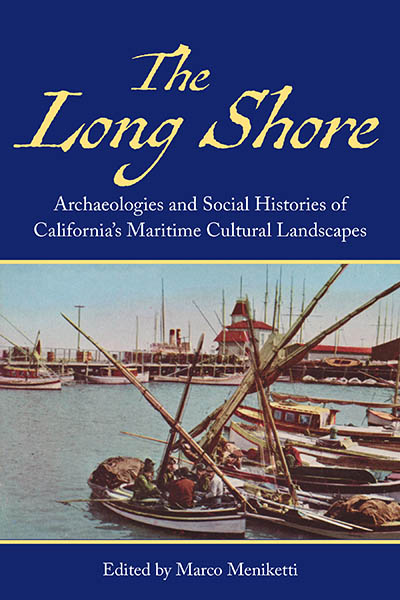
Authors investigate the multifaceted character of maritime landscapes and maritime oriented communities in California’s equally diverse cultural landscape; viewed through an archaeological lens, and emphasizing social behavior and community as material culture in order to reveal intersections and commonalities.
Subjects: Archaeology History (General) Anthropology (General)
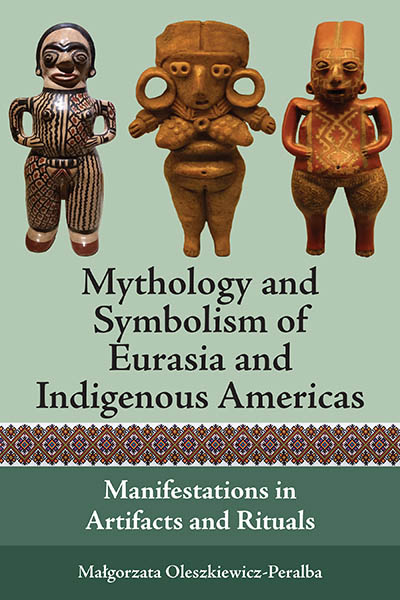
There is a continuity of a cohesive system of symbols and patterns from the Paleolithic and the Neolithic that survives in present-day imagery. The understanding of commonalities underlying these seemingly distant cultures demonstrates that, despite appearances, there is more that unites us than that divides us.
Subjects: Archaeology Anthropology (General)
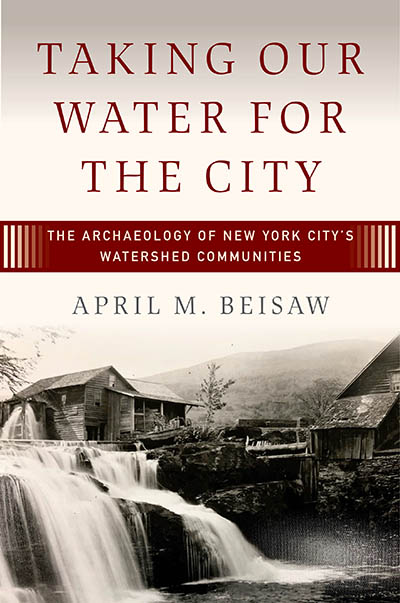
Tap water enables the development of cities in locations with insufficient natural resources to support such populations. This archaeological examination of the New York City watershed reveals the cultural costs of urban water systems. Urban water systems do more than reroute water from one place to another. At best, they redefine communities. At worst, they erase them.
Subjects: Archaeology History (General) Political and Economic Anthropology Sustainable Development Goals
Critical approaches to public archaeology have been in use since the 1980s, however only recently have archaeologists begun using critical theory in conjunction with public archaeology to challenge dominant narratives of the past. This volume brings together current work on the theory and practice of critical public archaeology from Europe and the United States to illustrate the ways that implementing critical approaches can introduce new understandings of the past and reveal new insights on the present.
Subjects: Archaeology Anthropology (General) History (General)
By bringing together in one place specific objects, materials, and features indicating ritual, religious, or magical belief used by people around the world and through time, this tool will assist archaeologists in identifying evidence of belief-related behaviors and broadening their understanding of how those behaviors may also be seen through less obvious evidential lines.
Subjects: Archaeology History (General) Anthropology of Religion
Drawn from across the U.S. and Mesoamerica, the chapters in this volume explore the use, meanings, and cross-cultural patterns present in the use of ash. and highlight the importance of ash in ritual closure, social memory, and cultural transformation.
Subjects: Archaeology Anthropology (General) Anthropology of Religion
A padlock is a mundane object, designed to fulfil a specific – and secular – purpose. A contemporary custom has given padlocks new significance155. This custom is ‘love-locking’, where padlocks are engraved with names and attached to bridges in declaration of romantic commitment. This book explores the worldwide popularity of the love-lock as a ritual token of love and commitment by considering its history, symbolism, and heritage.
Subjects: Heritage Studies Archaeology Museum Studies Cultural Studies (General)
The late Ghulam Rahman Amiri accompanied a joint Aghan-US archaeological mission to the Sistan region of southwest Afghanistan in the 1970s and published the ethnography in Farsi in Kabul in 1987. This volume, the first English translation, describes the cultural, political, and economic systems of the Baluch people living in the lower Helmand River Valley of Afghanistan.
Subjects: Anthropology (General) Archaeology
Catastrophes are on the rise due to climate change, as is their toll in terms of lives and livelihoods as world populations rise and people locate into hazardous places. This book catalogues a wide and diverse range of case studies of such disasters and human responses. This heritage of past disasters serves as inspiration for building culturally sensitive adaptions to present and future calamities, to mitigate their impacts, and facilitate recoveries.
Subjects: Archaeology Applied Anthropology Environmental Studies (General) Sustainable Development Goals
What happens when we blur time and allow ourselves to haunt or to become haunted by the ghosts of the past? The authors draw on archaeological, historical, and ethnographic data to imagine timescapes that transcend our temporality. This volume demonstrates the value of conceiving of ghosts not just as metaphors, but for making the past more concrete and allowing the negative specters of enduring historical legacies, such as colonialism and capitalism, to be exorcised.
Subjects: Archaeology Anthropology (General) Memory Studies Heritage Studies
The use of computation in archaeology is a kind of magic, a way of heightening the archaeological imagination. Agent-based modelling allows archaeologists to test the ‘just-so’ stories they tell about the past. These models are one end of a spectrum that ends with video games. This volume explores this spectrum in the context of Roman archaeology, addressing the strengths, weaknesses, and opportunities of a formalized approach to computation and archaeogaming.
Subjects: Archaeology Media Studies Heritage Studies Anthropology (General)
Framing the emergence of queer enclaves in reference to place, this volume explores the physical and symbolic spaces of LGBTQ Americans. Authors provide an overview of the concept of “place” and its role in informing identity formation and community building. The book also includes interactive project prompts, providing opportunities to practically apply topics and theories discussed in the chapters.
Subjects: Archaeology Heritage Studies
Stressing the interdisciplinary, public-policy oriented character of Cultural Resource Management (CRM), which is not merely “applied archaeology,” this short, relatively uncomplicated introduction is aimed at emerging archaeologists.
Subjects: Archaeology Heritage Studies
After millennia of wandering the earth with little impact, a universal, if inadvertent transition from hunting and gathering to agriculture and pastoralism was complete within a period of a few thousand years. Mixed Harvest tells the story of the Sedentary Divide, the most significant event since modern humans emerged.
Subjects: Archaeology Literary Studies Memory Studies Anthropology (General)
By drawing parallels between the past and present – for example, the coal mines of the nineteenth-century northeastern Pennsylvania and the sweatshops of the twenty-first century in Bangladesh – we can have difficult conversations about the past and advance our commitment to address social justice issues.
Subjects: Archaeology History (General) Political and Economic Anthropology
With a focus on historic sites, this volume explores the recent history of non- heteronormative Americans from the early twentieth century onward and the places associated with these communities. Authors explore how queer identities are connected with specific places: places where people gather, socialize, protest, mourn, and celebrate. Each chapter is accompanied by prompts and activities that invite readers to think critically and immerse themselves in the subject matter while working collaboratively with others.
Subjects: Archaeology Heritage Studies
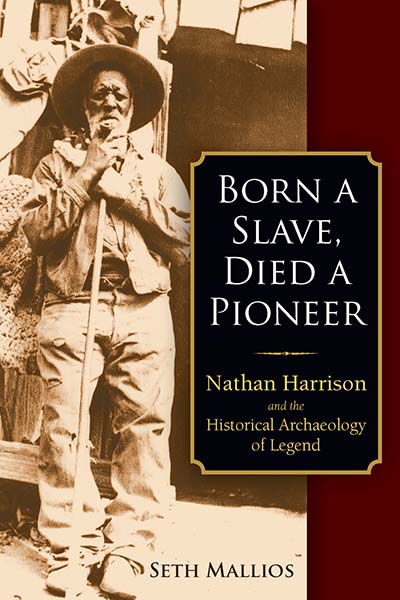
Few people in the history of the United States embody ideals of the American Dream more than Nathan Harrison. His is a story with prominent themes of overcoming staggering obstacles, forging something-from-nothing, and evincing gritty perseverance. This book uses spectacular recent discoveries from the Nathan Harrison cabin site to offer new insights and perspectives into this most American biography.
Subjects: Archaeology Heritage Studies History (General) Anthropology (General)
Heritage is all around us, not just in monuments and museums, but in places that matter, the countryside and in collections and stories. It touches all of us. How do we decide what to preserve? And how do we make the case for heritage when there are so many other priorities? Playing with the Past is designed to make the case for heritage. It is the first ever action-learning book about heritage.
Subjects: Museum Studies Heritage Studies Archaeology
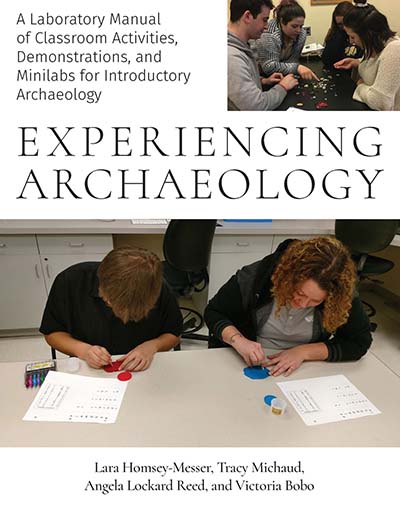
This laboratory-style manual compiles a wide variety of uniquely designed, hands-on classroom activities to acquaint advanced high school and introductory college students to the field of archaeology. Ranging in length from five to thirty minutes, activities created by archaeologists are designed to break up traditional classroom lecture, engage students of all learning styles, and easily integrate into large classes and/or short class periods that do not easily accommodate traditional laboratory work.
Subject: Archaeology
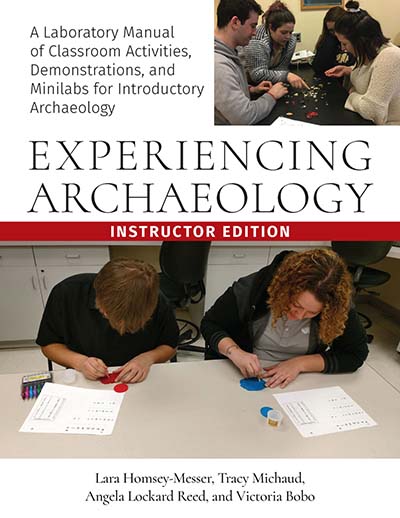
This laboratory-style manual compiles a wide variety of uniquely designed, hands-on classroom activities to acquaint advanced high school and introductory college students to the field of archaeology. This Instructor's Edition provides detailed explanations for activities ranging in length from five to thirty minutes that are designed to break up traditional classroom lecture, and easily integrate into large classes and/or short class periods that do not easily accommodate traditional laboratory work.
Subject: Archaeology
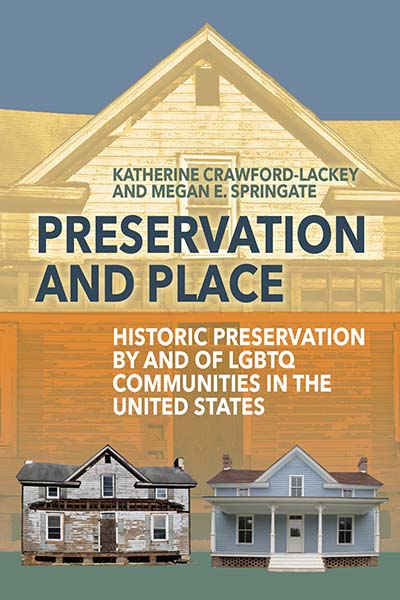
Historically significant archaeological sites affiliated with two-spirit, lesbian, gay, bisexual, transgender, and queer history in the United States are examined in this unique volume. The importance of the preservation process in documenting and interpreting the lives and experiences of queer Americans is emphasized. The book features chapters on archaeology and interpretation, as well as several case studies focusing on queer preservation projects.
Subjects: Archaeology Heritage Studies
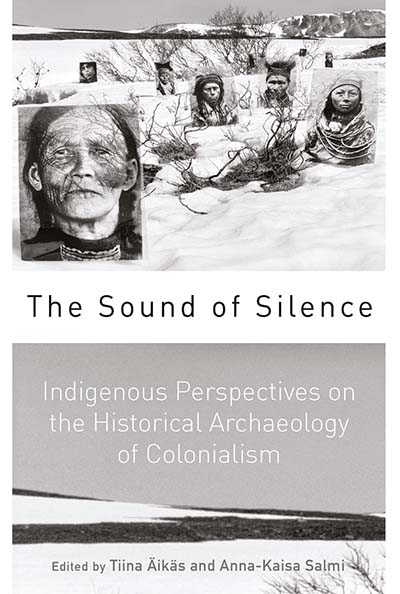
Colonial encounters between indigenous peoples and European state powers are overarching themes in the historical archaeology of the modern era, and postcolonial historical archaeology has repeatedly emphasized the complex two-way nature of colonial encounters. The volume examines common trajectories in indigenous colonial histories, and explores new ways to understand cultural contact, hybridization and power relations between indigenous peoples and colonial powers from the indigenous point of view.
Subjects: Archaeology Colonial History Memory Studies Anthropology (General)
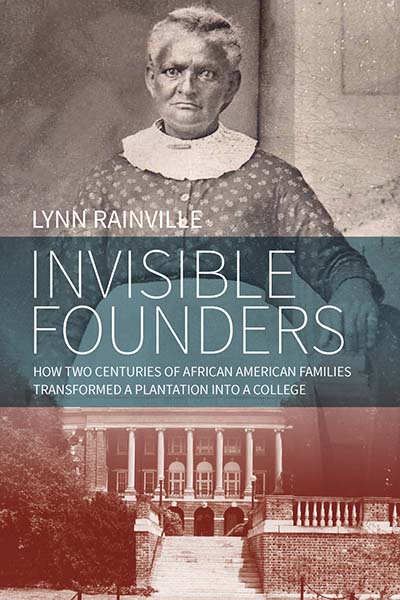
Literal and metaphorical excavations at Sweet Briar College reveal how African American labor enabled the transformation of Sweet Briar Plantation into a private women’s college in 1906. Despite being built and maintained by African American families, the college did not integrate its student body for sixty years after it opened. Invisible Founders challenges our ideas of what a college “founder” is, restoring African American narratives to their deserved and central place in the story of a single institution.
Subjects: Archaeology History (General) Educational Studies Heritage Studies
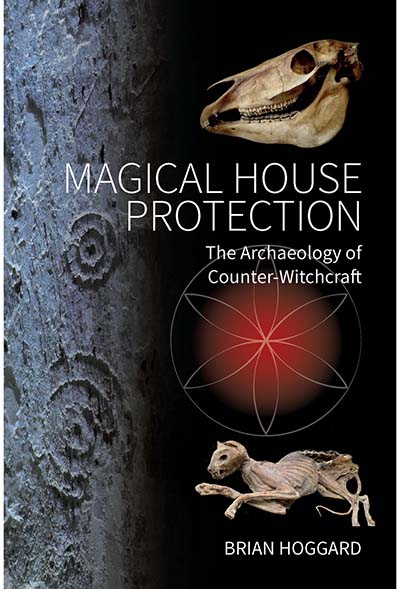
Belief in magic and particularly the power of witchcraft was a deep and enduring presence in popular culture; people created and concealed many objects to protect themselves from harmful magic. Detailed are the principal forms of magical house protection in Britain and beyond from the fourteenth century to the present day.
Subjects: Archaeology History (General) Anthropology of Religion
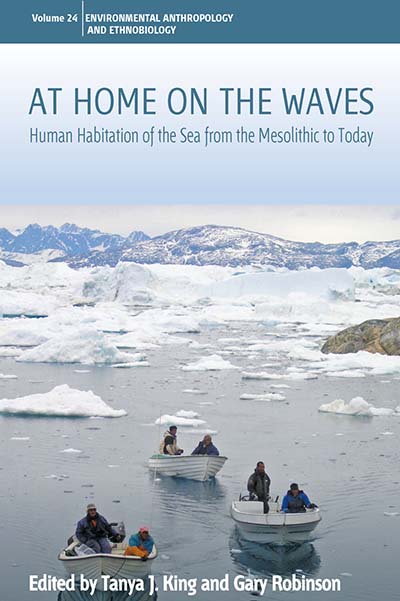
This collection explores the variety of ways in which people have long made themselves at home at sea, bringing together both ethnographic and archaeological research – much of it with an explicit Ingoldian approach – on a wide range of geographical areas and historical periods.
Subjects: Anthropology (General) Archaeology Environmental Studies (General)
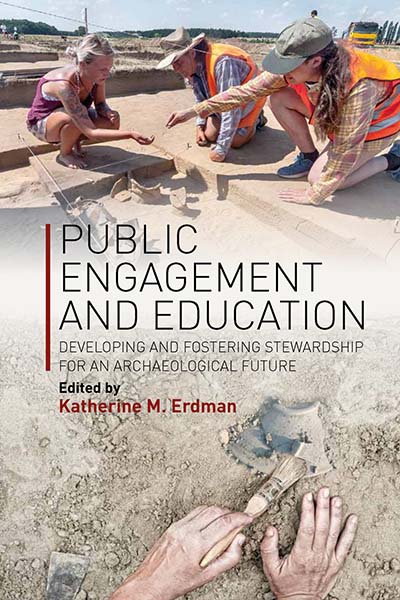
Public Engagement and Education shares effective approaches for engaging and educating learners of all ages about archaeology and how one can encourage them to become stewards of the past. Offered are applied examples that are not bound to specific geographies or cultures, but rather, are approaches that can be implemented almost anywhere.
Subjects: Archaeology Educational Studies
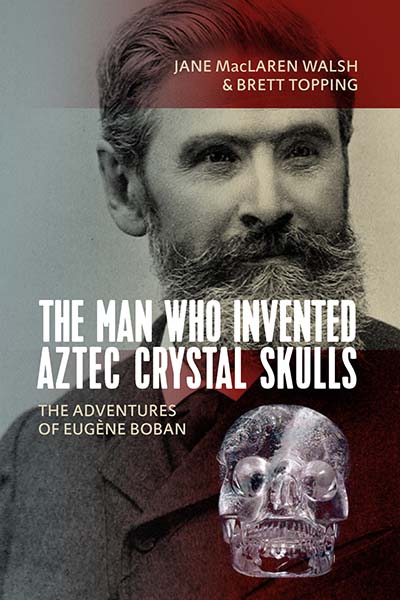
Detailed are the travels, self-education, and archaeological explorations of Eugène Boban, an expert in the field of pre-Columbian studies and explores the circumstances that allowed him to sell fakes to museums that would remain undetected for over a century.
Subjects: Museum Studies Archaeology
Social DNA presents a new synthesis of ideas on human social origins based upon the evolution of behavioral plasticity and the process of multilevel selection. What set our ancestors off on a separate evolutionary trajectory – what made them human – was the ability to flex their reproductive and social strategies in response to changing environmental conditions.
Subjects: Anthropology (General) Archaeology
This volume provides a synthetic overview of recent developments in the study of Neolithic Greece, and reconsiders the dynamics of human-environment interactions while recording the growing diversity in layers of social organization. It fills an essential lacuna in contemporary literature and enhances our understanding of the Neolithic communities in the Greek Peninsula.
Subject: Archaeology
Video games exemplify contemporary material objects, resources, and spaces that people use to define their culture. This book serves as a general introduction to "archaeogaming"; it describes the intersection of archaeology and video games and applies archaeological method and theory into understanding game-spaces as both site and artifact.
Subject: Archaeology Heritage Studies Anthropology (General)
There is a World Heritage Craze in China. China claims to have the longest continuous civilization in the world and is seeking the recognition from UNESCO. With a sociological lens, this book offers comprehensive insights into World Heritage, as well as China’s deep social, cultural, and political structures.
Subjects: Heritage Studies Archaeology Sociology Travel and Tourism
Over world history, Southeast Asia’s contribution to the world economy (during the late prehistoric and early historic periods) has not been given much attention. This book attempts to recalibrate these interactions of Southeast Asia with other parts of the world economy, and gives the region its due instead of treating it as little more than a region of peripheral entrepôts.
Subjects: Archaeology History (General) Political and Economic Anthropology
How can we study the impact of rules on the lives of past people using archaeological evidence? To answer this question, Archaeologies of Rules and Regulation presents case studies drawn from across Europe and the United States, exploring the use of archaeological evidence in understanding the relationship between rules, lived experience, and social identity.
Subjects: Archaeology History: Medieval/Early Modern Sociology History (General)
Island Historical Ecology addresses Caribbean island ecologies from the perspective of social and cultural intervention, focusing on selected islands between Venezuela and Puerto Rico. This volume goes on to compare these ecologies with well-documented patterns in the Mediterranean and Pacific islands, placing the Caribbean into a larger context of island historical ecology.
Subjects: Archaeology Environmental Studies (General) Anthropology (General)
House of the Waterlily is a historical novel set in the world of the Late Classic Period Maya of the Southern Lowlands. Through the story of Lady Winik, a young Maya noble girl, the reader is immersed in the everyday world of the Maya
Subjects: Archaeology Literary Studies Memory Studies Anthropology (General)
The Middle Ages have always held a uniquely important place in the Western imagination. This book gives an eye-opening account of the ways various political and intellectual projects have appropriated the medieval past for their own ends, grounded in an analysis of contemporary struggles over power and identity in the Eastern Alps.
Subjects: History: Medieval/Early Modern Theory and Methodology Archaeology
Biocultural and archaeological research on food, past and present, often relies on very specific, precise, methods for data collection and analysis. These are presented here in a broad-based review.
Subjects: Anthropology (General) Food & Nutrition Archaeology
The UNESCO World Heritage Convention of 1972 is a key arena for contemporary cultural and natural conservation. In case studies from across the globe, anthropologists with situated expertise in specific World Heritage sites explore the consequences of the World Heritage framework and the global spread of this heritage regime.
Subjects: Anthropology (General) Heritage Studies Archaeology Museum Studies
This large volume presents virtually all aspects of the Epipalaeolithic Natufian culture in a series of chapters that cover recent results of field work, analyses of materials and sites, and synthetic or interpretive overviews of various aspects of this important prehistoric culture.
Subject: Archaeology
Mathematics is as much a part of our humanity as music and art. And it is our mathematics that might be understandable, even familiar, to a distant race and might provide the basis for mutual communication. This book discusses, in a conversational way, the role of mathematics in the search for extraterrestrial intelligence. The author explores the science behind that search, its history, and the many questions associated with it, including those regarding the nature of language and the philosophical/psychological motivation behind this search.
Subjects: Archaeology Cultural Studies (General)
Subjects: Theory and Methodology Archaeology
Subjects: Anthropology (General) Archaeology Museum Studies Heritage Studies
Archaeological data from the Late Archaic (4000-2000 years ago) in the Western Great Lakes are analyzed to understand the production and movement of copper and lithic exchange materials. Also considered in this volume are access to and benefits from exchange networks, as well as social changes accompanying the development of extensive, continental scale, exchange systems of interaction in this period.
Subjects: Archaeology Anthropology (General)
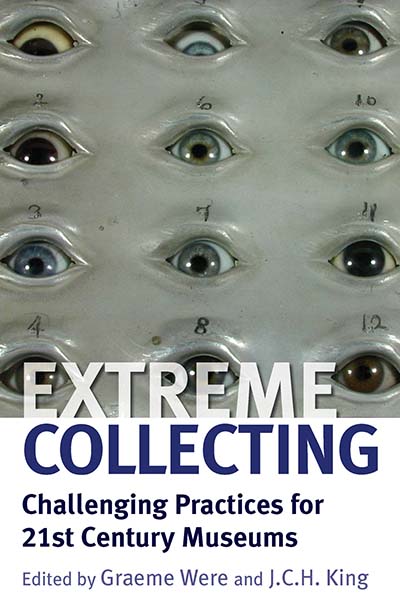
Subjects: Museum Studies Archaeology
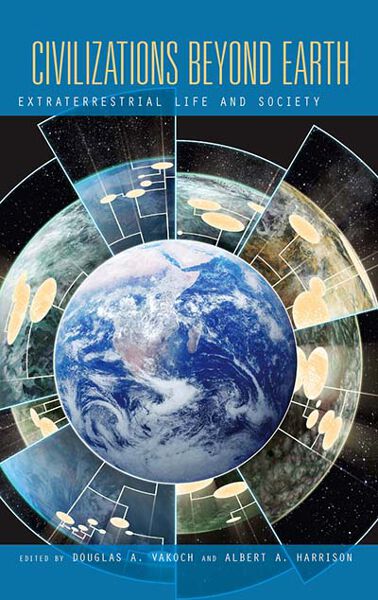
“For years sections of the SETI [Search for Extraterrestrial Intelligence] community have bemoaned the fact that the social sciences are often sidelined in favour of the hard sciences when it comes to SETI discussion. Civilizations Beyond Earth starts to redress the balance, edited skillfully by Douglas Vakoch, the only sociologist on staff at the SETI Institute in California, and Albert Harrison, a psychologist from the University of California.” • Astronomy
Subjects: Anthropology (General) Sociology Archaeology
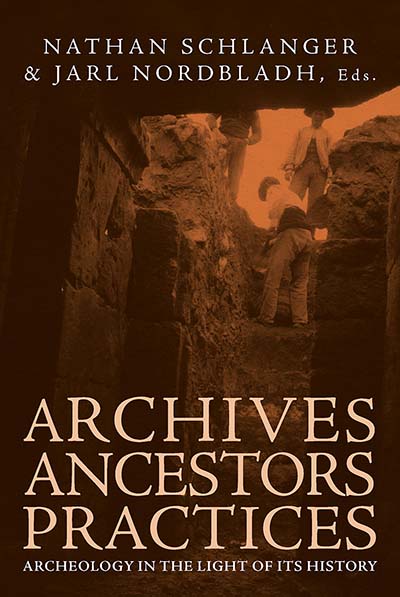
Subjects: Archaeology History (General) Heritage Studies
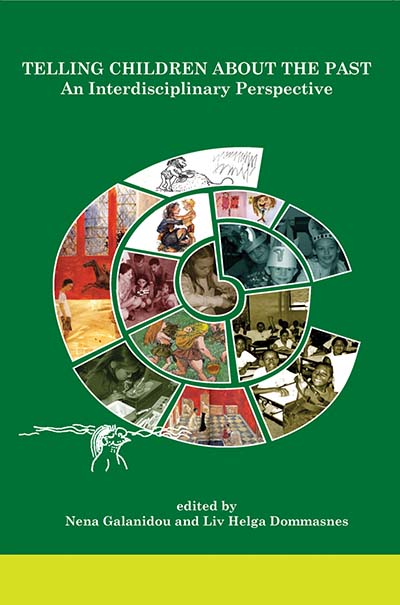
This book brings together archeologists, historians, psychologists, and educators from different countries and academic traditions to address the many ways that we tell children about the (distant) past. The contributors both examine the ways in which children come to grips with the past and critically assess the many ways in which contemporary societies and an increasing number of commercial agents construct and use the past.
Subjects: Archaeology Educational Studies Heritage Studies
Since the late 1970s, household archaeology has become a key theoretical and methodological framework for research on the development of permanent social inequality and complexity, as well as for understanding the social, political and economic organization of chiefdoms and states. This volume is the cumulative result of more than a decade of research focusing on household archaeology as a means to gain understanding of the evolution of social complexity, regardless of underlying economy.
Subjects: Archaeology Anthropology (General)
This book analyzes the agricultural and pastoral infrastructure of the Mature and Late Harappan cultures (ca. 2500-1700 BC) of northwest India. The economic role of drought-resistant millet crops is reconstructed using ethnographic studies of crop processing, palaeoethnobotany, and carbon isotope analysis. New directions are provided for discerning archaeologically how pastoralism and agriculture may be integrated in complex economic systems.
Subjects: Archaeology Anthropology (General)
Subjects: Refugee and Migration Studies Archaeology
Anthropological archaeologists have long attempted to develop models that will let them better understand the evolution of human social organization. This volume explores social organization in tribal - or 'autonomous village' - societies from several different ethnographic, ethnohistoric, and archaeological contexts - from the Pre-Pottery Neolithic Period in the Near East to the contemporary Jivaro of Amazonia.
Subjects: Archaeology Anthropology (General)
The papers in this volume present detailed studies of highland and lowland pastoralists and horticulturalists in Andean South America, including taphonomy and sacred landscapes. This volume will be of use to anyone who studies human adaptations to highland or arid environments, and to those interested in pastoral societies, as well as Andean South America.
Subjects: Archaeology Anthropology (General)
This book examines the settlement patterns and intersite variability in lithic assemblages of Early Jomon (ca. 5000 BP) hunter-gatherers in Japan. The results of this study suggest that the Early Jomon people were not sedentary, as previously assumed, but instead moved their residential basis seasonally. The implications of this result are discussed in the context of the development of hunter-gatherer cultural complexity in general and the course of Japanese prehistory in particular.
Subject: Archaeology
This volume brings together the disciplines of palaeontology, psychology, anatomy, and primatology. Together, they address a number of issues, including the evolution of sex differences in spatial cognition, the role of archaeology in the cognitive sciences, the relationships between brain size, cranial reorganization and hominid cognition, and the role of language and information processing in human evolution.
Subjects: Archaeology Anthropology (General)
This book offers a series of studies focused on the analysis of stone tool technology of the Folsom Culture. The analyses presented here use comparative methods to identify patterns of lithic assemblage structure and variation that provide insights into the organization of Folsom technology and lifeways, considering multiple aspects of Folsom technology.
Subject: Archaeology
The Mesolithic sites in the Iron Gates Gorge of the Danube River, between Yugoslavia and Romania are reviewed in this volume. The author offers fundamental re-analyses and interpretations of stratigraphies, relative and absolute chronologies, architecture and settlement organization, the placement and styles of altars and sculptural elements, the chipped and polished stone industries, the bone and antler artifacts, the mortuary practices, ecology, and social organization of this remarkable archaeological culture.
Subject: Archaeology
A detailed comparative analysis of standardized lithic data from 10 Illinois Valley components spanning 7500 years from the Early Archaic through the Mississippian is presented in this volume. The results provide significant information on prehistoric mobility and technological organization in mid-continental North America, revealing clearly for the first time a number of significant behavioral trends.
Subject: Archaeology
A series of papers by a wide range of authors from different countries and backgrounds focuses firmly on the question of the origin and development of social complexity, from the Neolithic through the Bronze Age, in Iberia writ large. A wide range of specific topics is covered with this specific focus, from results of field projects, laboratory analyses, and theoretical overviews.
Subject: Archaeology
This ethnoarchaeological study of the settlements of the Rarámuri focuses primarily on their mobility strategy. This group presents a case where the common equation of agriculturalists = sedentary, and hunter-gatherers = mobile is broken. The Rarámuri are agriculturalists with a pattern of mobility between two or more settlements during the course of any year.
Subject: Archaeology
This volume presents preliminary results of excavation at the Late Iron Age oppidum settlement of Kelheim. The volume addresses some major questions about late prehistoric Europe from the perspective of these excavations and the analytical results. It presents investigations into ritual behavior in the Kelheim region and uses this theme to argue for strong continuity of tradition from prehistoric times into the Middle Ages.
Subject: Archaeology
In this book, Akkermans provides a systematic overview of the Halaf culture in the Syrian portion of the valley of the Balikh River, a tributary of the Euphrates.
Subject: Archaeology
A detailed study of the bone chemistry of individuals buried at the 14th century Grasshopper Pueblo site is presented in this volume. This is a data-rich study which provides much information for social and economic reconstructions of prehistoric Pueblo adaptation to their environment.
Subject: Archaeology
In this book, Veth develops a model of settlement and subsistence in the Western Desert of Australia, drawing on his own archaeological investigations, as well as ethnographic and environmental data. Building on this model, he concludes with a plausible reconstruction of the colonization of the harsh, arid interior of this continent.
Subject: Archaeology
The papers in this volume examine the sociocultural, socioeconomic and environmental factors that condition spatial patterning of human behavior in food-producing (both agricultural and pastoral) societies. The spatially patterned material manifestations of that behavior are considered in the light of archaeological and ethnographical examples. Archaeological and ethnographic data sources are drawn primarily from Africa, as well as the ancient Near East.
Subjects: Archaeology Anthropology (General)
Hunebedden are the megalithic tombs of the Neolithic Funnel Beaker Culture in the Netherlands. Jan Albert Bakker is one of the few archaeologists in Holland to have excavated a Dutch megalithic tomb, and here he not only draws on and presents the knowledge acquired through excavations, but gives also an overview of the history of Dutch megalithic tomb investigations and an abundantly illustrated compendium of data on all the known megalithic tombs in Holland.