




Browse
by Subject: Genocide History

The first study on the translation, publication and marketing of literary memoirs, by both Jewish and non-Jewish victims of Nazi persecution, for British readers during the years of Nazi rule. It reveals how German and Austrian Christians, rather than Jewish victims, came to represent ‘what Britain was fighting for’.
Subjects: Genocide History Jewish Studies History: World War II

A ground-level history of the Holocaust, told through the voices of twenty European Jews. Drawing from diaries and memoirs, it reveals a multiplicity of experiences across countries, classes, and religious backgrounds. Each chapter traces a single year in the protagonists’ lives, placing personal decisions within the context shifting Nazi policies.
Subjects: Jewish Studies Genocide History History: World War II

Through the testimonies of war, defeat, and survival from veterans of the Liberation Tigers of Tamil Eelam (LTTE) now exiled in France, Giacomo Mantovan sheds light on the production of self and subjectivity within a revolutionary and authoritarian organisation, and contributes to debates on compliance, resistance, and political agency under authoritarian regimes.
Subjects: Anthropology (General) Genocide History History: 20th Century to Present Sociology

Between 1933-1942, around 20,000 refugees fled to Shanghai to escape Nazi-occupied Europe, most of them Jewish. Here they spent a decade preserving their culture and enduring Japanese occupation. Hochstadt, whose Viennese grandparents were among those who fled, compiles hundreds of sources and interviews to tell their story.
Subjects: Jewish Studies Genocide History History: 20th Century to Present Refugee and Migration Studies

Ernst Kitzinger, a 20th-Century art historian, was one of 2,500 men arrested in 1940 as ‘enemy aliens’ and deported from Britain to Australia aboard the HMT Dunera. Incarcerated in Hay, Kitzinger and his fellow internees mused on their lot through powerful prose and poetry, published here for the first time.
Subjects: Jewish Studies History: World War II Genocide History Refugee and Migration Studies

In 1942-1945, Siemens & Halske AG maintained an armaments factory adjacent to the Ravensbrück women's concentration camp, where up to 2,300 female prisoners were deployed in forced labor. This volume contains the testimonies of Ravensbrück survivors, shedding light on the system of forced labor in the context of the concentration camp
Subjects: Genocide History Jewish Studies History: World War II
Subjects: Genocide History History: 20th Century to Present
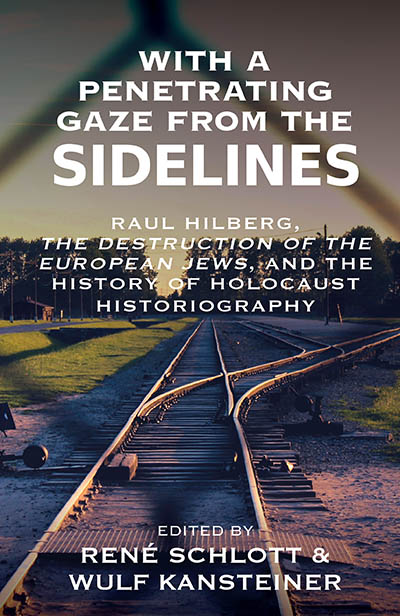
Raul Hilberg’s The Destruction of the European Jews (1961) was a foundational text in the field of Holocaust historiography. Hilberg describes the persecution as a bureaucratic process involving the entire German society. This volume explores the origins of Hilberg’s study, debates in which it was implicated, its accomplishments and shortcomings.
Subjects: Genocide History Jewish Studies History: 20th Century to Present

Subjects: Jewish Studies Genocide History History: World War II
Subjects: Genocide History Jewish Studies History: 20th Century to Present

In this exacting examination of the history of the I.G. Farben trial, Stephan H. Lindner charts the build up and aftermath of this watershed event, in order to highlight its implications for understanding the complexities of corporate social responsibility and of putting the military-industrial complex on trial.
Subjects: History: World War II History: 20th Century to Present Genocide History

An illuminating chronicle of the concentration, ghettoization, and deportation of Hungarian Jews in 1944-1945, Gendarmes, Bureaucrats, and Jews presents, for the first time in English, the key primary sources from the period, documenting how this genocidal program was facilitated by both the Nazi regime and the Hungarian state.
Subjects: Jewish Studies Genocide History History: World War II

Analyzing the correlation between the educational system and ideas about religion, community, and nationhood, German Elementary Education from 1890 to 1945 highlights how an investment in children’s moral and national education united the Wilhelmine, Weimar, and Nazi eras, providing a vital lens for charting the continuities and changes within German society.
Subjects: History: World War I History: World War II Genocide History

An enlightening reassessment of the German General, Otto Liman von Sanders’ life, this book uses original archival materials to present a more nuanced insight into Liman von Sanders’ role in the Armenian genocide, in order to explore wider ethical questions concerning the nature of morality and justice in military conflict.
Subjects: History: 20th Century to Present Genocide History Peace and Conflict Studies

An enlightening chronicle of General Kurt von Hammerstein’s daughters, Marie Louise, Maria Therese, and Helga, and their attempts to thwart Hitler’s regime, this book provides an unrivalled insight into an overlooked history of tradition, resistance, adaptation, and rebellion in Nazi Germany.
Subjects: History: World War II History: 20th Century to Present Genocide History

An illuminating translation of the journal of Jean Louis Mary Pasquiers, a former teacher and forced laborer, Passing Misery documents Pasquiers’ life within war-torn Europe, in unwilling service to the Nazi regime. In doing so, this book offers an unrivalled insight into the reality of collaboration and culpability during war.
Subjects: History: World War II Genocide History History: 20th Century to Present

An illuminating re-examination of the 1941 invasion of the Soviet Union, Operation Barbarossa and its Aftermath refocuses attention on the multiethnic nature of this military campaign, by considering the role played by troops from Slovakia, Romania, Italy, Spain, and others in Hitler’s plans for the Eastern Front and the Holocaust.
Subjects: History: 20th Century to Present History: World War II Genocide History

Following Vatican archives opening up access to materials on the pontificate of Pius XII (1939-1958), the contributors to this volume were amongst the first to access these long-awaited records. They have analyzed them here to present a nuanced and revitalized approach to religious, modern post-war historiography.
Subjects: Genocide History History: 20th Century to Present Anthropology of Religion
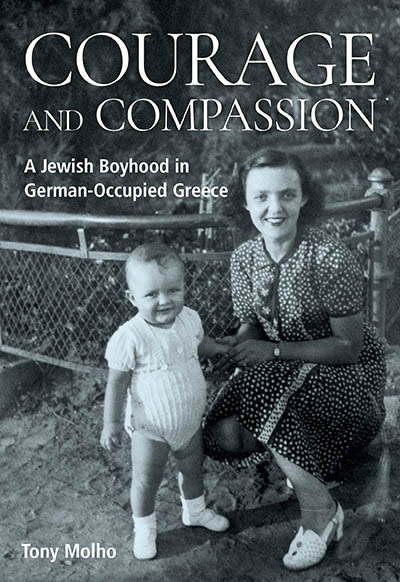
Tony Molho tells a dramatic story of survival under the most adverse conditions during the Holocaust. A historian himself now telling his own story, Molho writes an autobiographical text that speaks of a Jewish childhood in Greece during World War II and the Axis Occupation.
Subjects: Jewish Studies History: World War II Genocide History
Paperback available
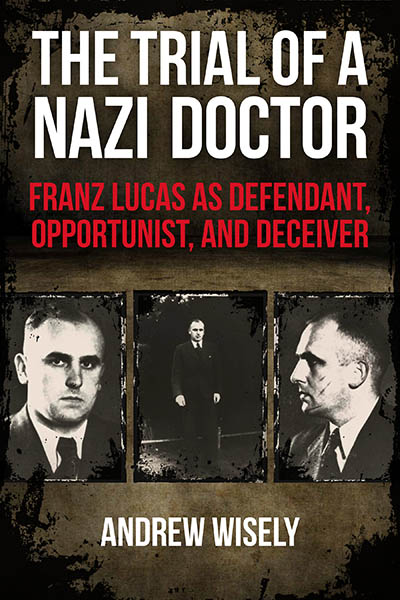
The Trial of a Nazi Doctor documents the career, crimes, and prosecution of Franz Bernhard Lucas (1911-1994), an SS camp doctor who tried to deflect his participation in the Nazi’s genocidal projects and juxtaposes them with a wide range of testimonials from witnesses including former camp inmates and Holocaust survivors.
Subjects: Genocide History History: 20th Century to Present
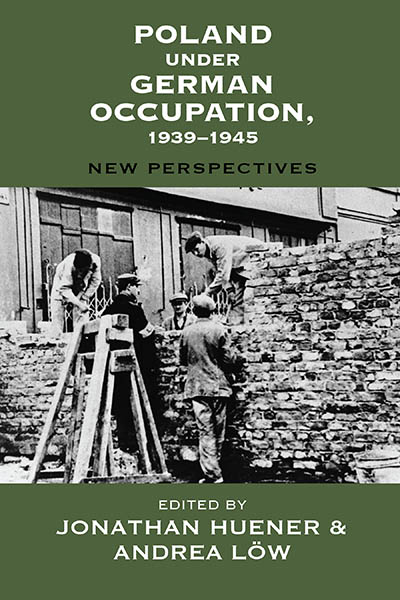
Poland under German Occupation, 1939-1945 explores questions of Polish-Jewish life that are rarely discussed and new methodological directions to advance debates on the complicity of Polish citizens during the mass murder of Jews under the nation’s Nazi occupation.
Subjects: History: World War II Genocide History Jewish Studies
Paperback available
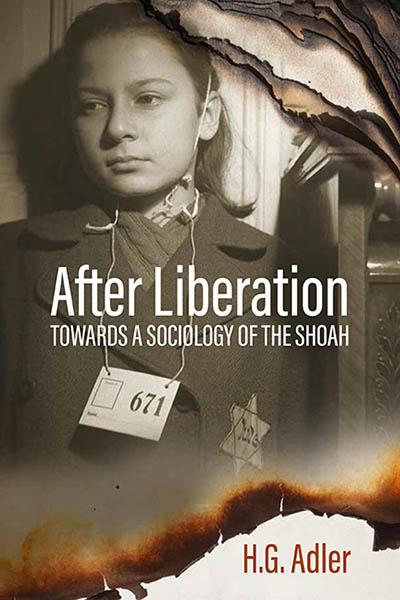
Selected Essays
This collection gathers together, for the first time in English, some of H.G. Adler’s most important scholarly essays on the Shoah and connected themes. Spanning his thought across three decades they focus on the fate of the ‘coerced’ human being and reflect on freedom, enslavement, terror, dread, charisma, loneliness, and ideology.
Subjects: Genocide History Jewish Studies History: World War II
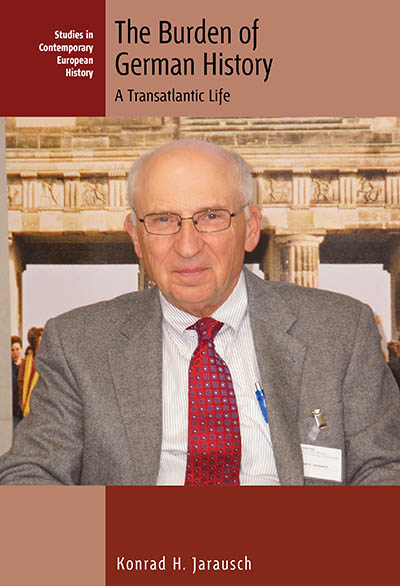
The Burden of Germany History is Konrad H Jarausch’s much anticipated transatlantic autobiography set against the development and transformation of German studies over the past half-century. Using his life story, Jarausch’s concurrent life in the US and Germany brings us a self-critical historiography of a twentieth-century Germany that was wrestling with the responsibility for war and genocide.
Subjects: History: 20th Century to Present Genocide History History: World War II
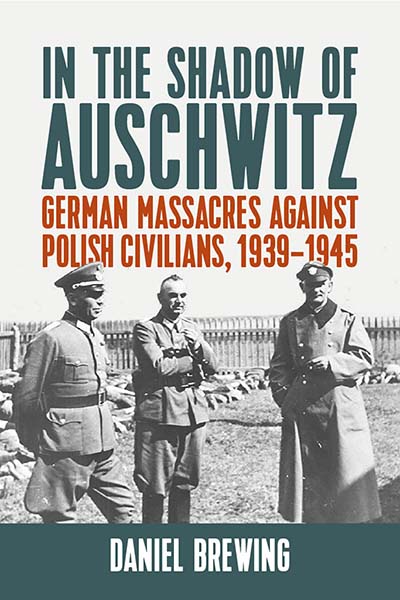
An in-depth analysis of German massacres in Poland over the whole period of German occupation during the Second World War, this innovative study recounts the widely forgotten ethnic Polish civilian victims. Using both German and Polish sources, In the Shadow of Auschwitz uncovers for the first time the depredations that were inflicted on Polish society under Nazi rule.
Subjects: Genocide History History: World War II
Paperback available
Over the course of the long and violent twentieth century, only a minority of the perpetrators of international crimes ever stood trial. In analyzing and documenting the challenge addressing that status of international justice and its realization, this collection uses an international perspective to take the reader through both little known and prominent trials.
Subjects: History: 20th Century to Present Genocide History
Paperback available
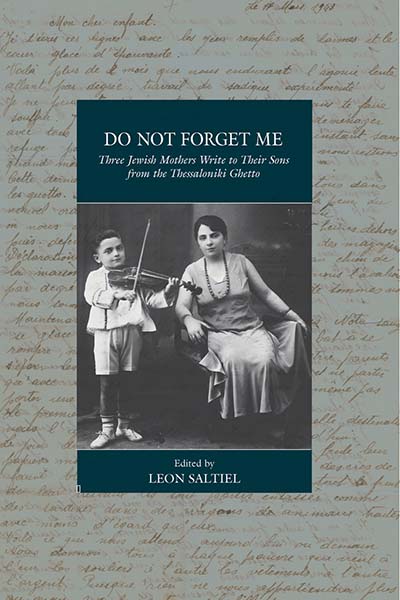
Following the Axis invasion of Greece, the Nazis began persecuting the country’s Jews as they had across occupied Europe, beginning with small indignities and culminating in mass imprisonment and deportations. Among the many Jews confined to the Thessaloniki ghetto during this period were Sarina Saltiel, Mathilde Barouh, and Neama Cazes—three women bound for Auschwitz who spent the weeks before their deportation writing to their sons.
Subjects: Jewish Studies History: World War II Genocide History
Paperback available
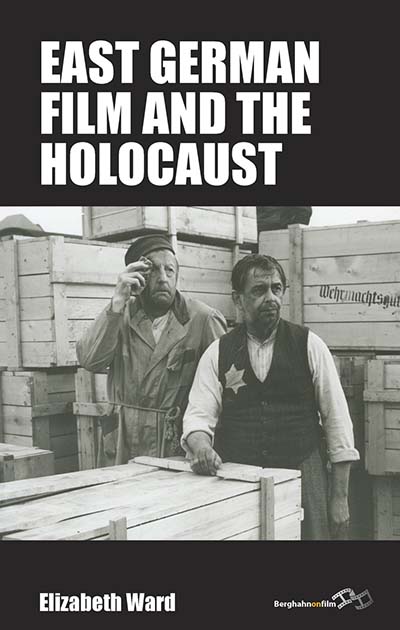
By combining close analyses of five films made between 1947 and 1988 with extensive archival research, this book unravels the complex status of films dealing with Jewish persecution produced in a country that consistently privileged narratives of political persecution above racial victimhood.
Subjects: Film and Television Studies Genocide History History: 20th Century to Present
Paperback available
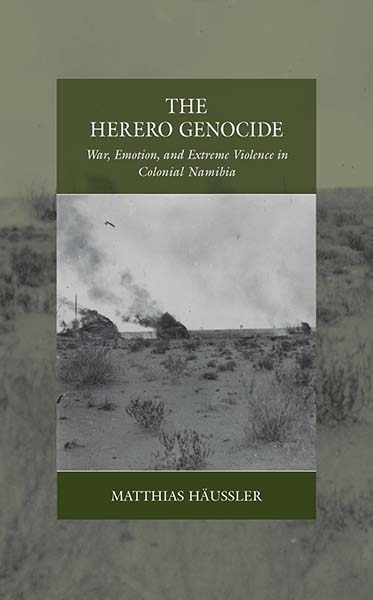
Drawing on previously inaccessible and overlooked archival sources, The Herero Genocide undertakes a groundbreaking investigation into the war between colonizer and colonized in what was formerly German South West Africa and is today the nation of Namibia. The result is an indispensable account of a genocide that has been neglected for too long.
Subjects: History: 20th Century to Present Genocide History
Paperback available
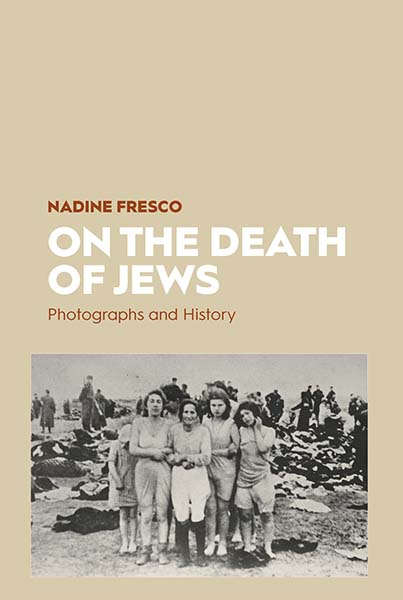
In this trenchant meditation on photographs from an atrocity in Latvia during the Holocaust, Nadine Fresco argues for the vital importance of photographs—and nontraditional sources more broadly—for understanding the Holocaust. She confronts charged questions around guilt and testimony while teasing out the subtle implications of camera angles, photo sequencing, and body language, helping us to see anew the perspectives of victims, perpetrators, and others who witnessed the brutality of the Holocaust.
Subjects: Genocide History Media Studies Jewish Studies
Paperback available
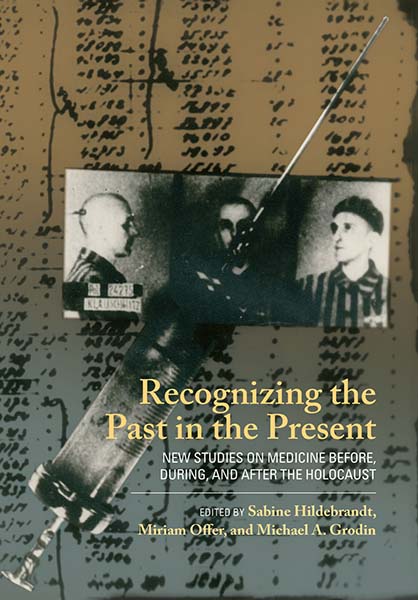
This interdisciplinary collection assembles a chain of documentation on the critical role of medicine in realizing the policies of Hitler’s regime. It traces the historical legacies of National Socialist medicine from their roots in the racial theories of the 1920s, through their manifestation in the Nazi period, and on to legacies and continuities from the postwar years to the present.
Subjects: History: 20th Century to Present Genocide History Jewish Studies
Paperback available
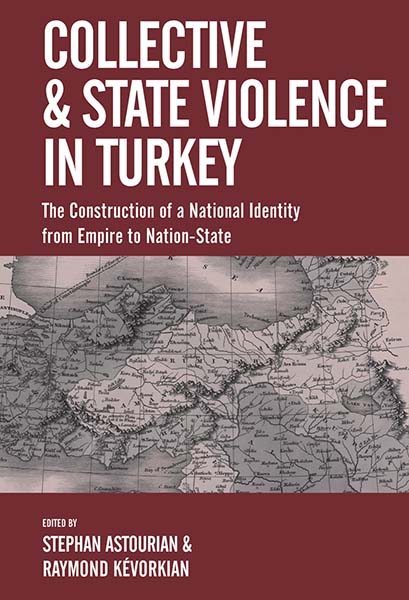
Collective and State Violence in Turkey provides a wide range of case studies and historiographical reflections on the alarming recurrence of violence in Turkish history, as atrocities against varied ethnic-religious groups from the nineteenth century to today have propelled the nation’s very sense of itself.
Subjects: History (General) Genocide History Peace and Conflict Studies
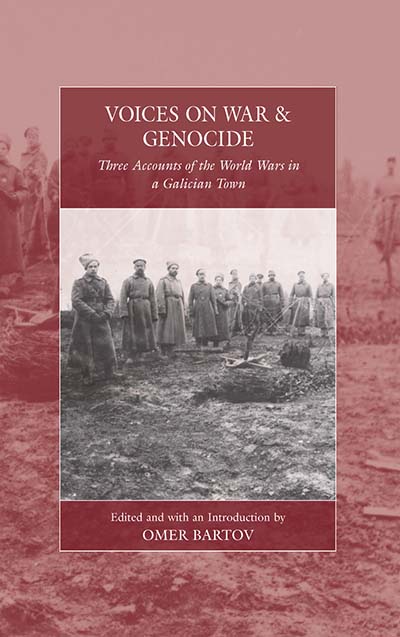
Taking as its point of departure Omer Bartov’s acclaimed recent monograph Anatomy of a Genocide, this volume brings together three extensive and previously unknown accounts of residents from the Ukrainian town of Buczacz, covering events during and between both world wars.
Subjects: History: World War II Jewish Studies Genocide History
Paperback available
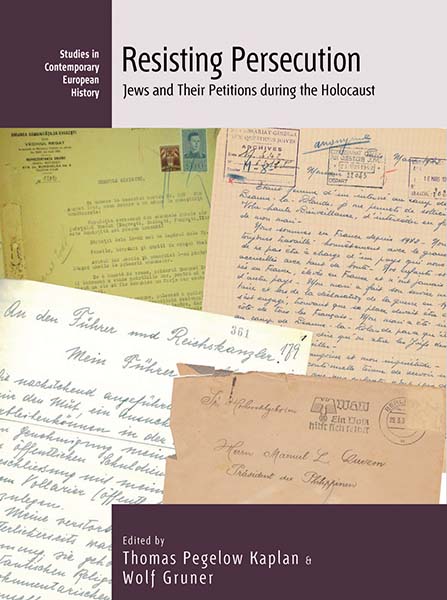
This volume offers the first extensive analysis of entreaties from persecuted Jews in the Nazi era, demonstrating their largely unappreciated value as a historical source and as an attempt to reclaim agency in increasingly desperate political circumstances.
Subjects: History: 20th Century to Present Jewish Studies Genocide History
Paperback available
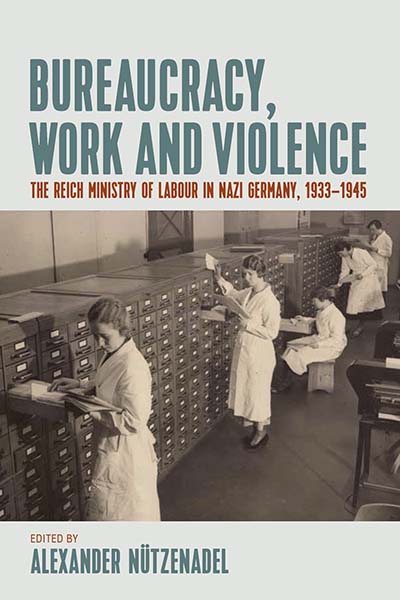
In Bureaucracy, Work and Violence, the Reich Ministry of Labor is for the first time systematically illuminated as the bureaucratic arm responsible for the implementation of the National Socialist work doctrine. Historians reveal through pioneering research that the classical administrative apparatuses were far more involved in the Nazi regime and its crimes than has long been suspected.
Subjects: History: 20th Century to Present Genocide History
Paperback available
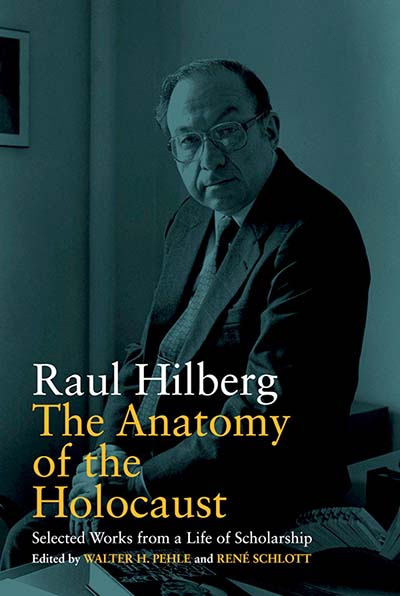
Pehle, W. H. & Schlott, R. (eds)
Historian Raul Hilberg produced a variety of archival research, personal essays, and other works over a career that spanned half a century. The Anatomy of the Holocaust collects some of Hilberg’s most essential and groundbreaking writings—many of them published in obscure journals or otherwise inaccessible to nonspecialists—in a single volume.
Subjects: Genocide History Jewish Studies
Paperback available
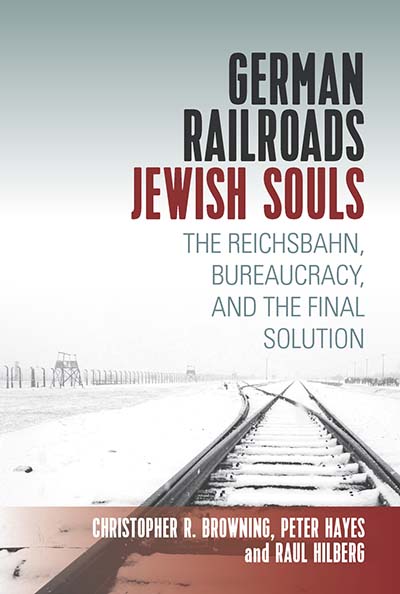
This book centers around preeminent Holocaust scholar Raul Hilberg’s landmark study of Nazi railways and their roles within the Jewish genocide. Supplemented with additional writings from Hilberg, primary source materials, and a comprehensive historical survey from leading scholars Christopher Browning and Peter Hayes, this is a rich and accessible introduction to a topic in Holocaust history that remains understudied even today.
Subjects: Jewish Studies Genocide History Transport Studies
Paperback available
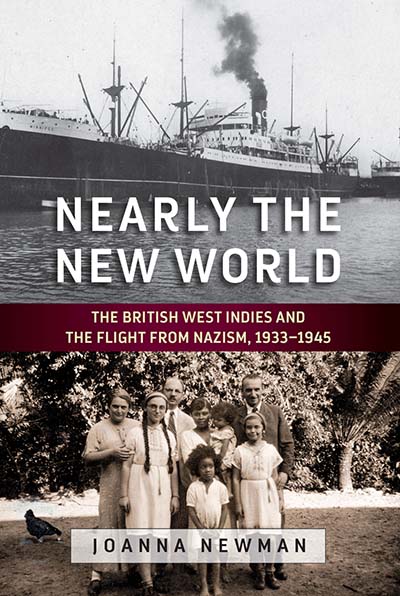
In the years leading up to the Second World War, increasingly desperate European Jews looked to far-flung destinations such as the Barbados, Trinidad, and Jamaica in search of refuge. Nearly the New World tells the remarkable story of Jewish refugees who overcame persecution and sought safety in the West Indies from the 1930s through the end of World War II
Subjects: Jewish Studies Genocide History History: World War II Refugee and Migration Studies
Paperback available
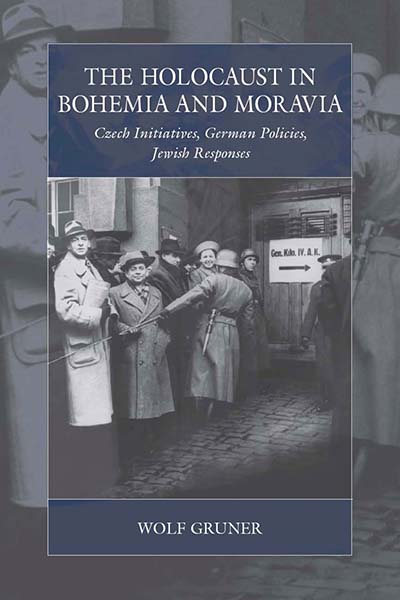
After the establishment of the Protectorate of Bohemia and Moravia, Czech and German authorities adopted radicalized anti-Jewish policies, including depriving Jews of their property, hauling them into forced labor, and deporting them to concentration camps. In this pioneering study, Wolf Gruner demonstrates that these proceedings were not only controlled by Berlin, but also driven forward by the Czech government and local authorities.
Subjects: Jewish Studies Genocide History
Paperback available
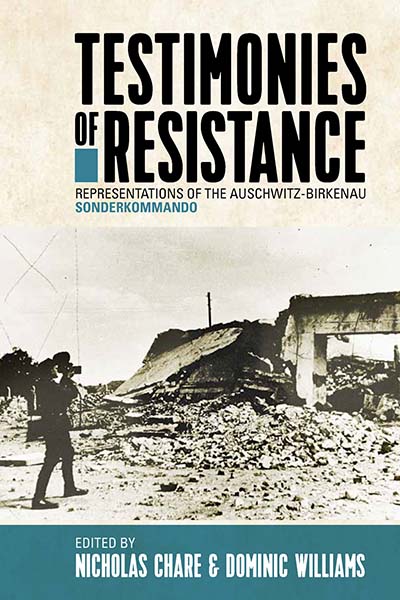
As eyewitnesses to and unwilling abettors of the murder of their fellow Jews, the Sonderkommando comprise one of the most fascinating and troubling topics within Holocaust history. This interdisciplinary collection assembles careful investigations into how the Sonderkommando have been represented—both by themselves and by others—during and since the Holocaust.
Subjects: History: World War II Genocide History Jewish Studies
Paperback available
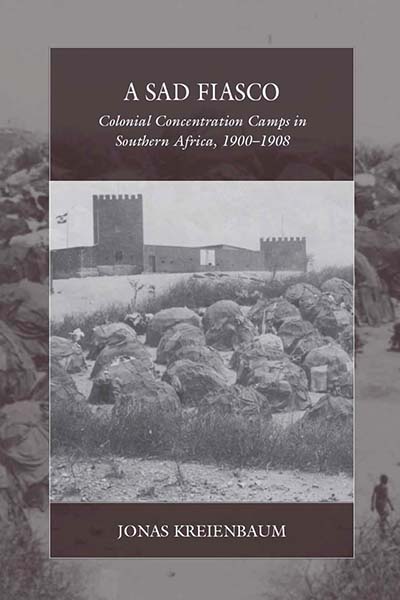
Comparative studies on concentration camps have tended to neglect the African colonial experience at the turn of the twentieth century. A Sad Fiasco delves deeper into the daily lives led in the colonial concentration camps in southern Africa and the motives behind the mass extinction of thousands of internees.
Subjects: Genocide History Colonial History History: 20th Century to Present
Paperback available
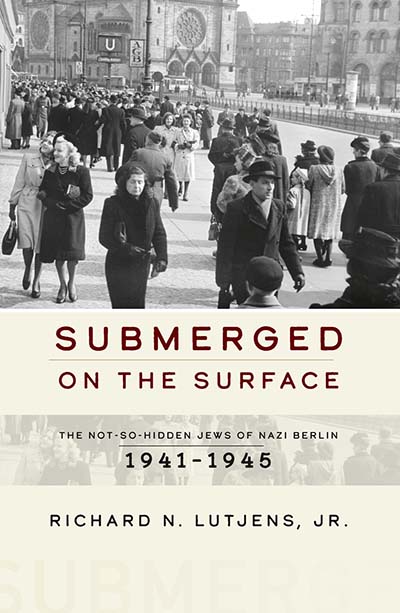
Between 1941 and 1945, some 6,500 Berlin Jews, in fear for their lives, made the choice to flee their impending deportations and live submerged in Nazi Germany. This book sheds light on the daily life of those who hid and on the city that was both the source of their persecution and the site of their survival.
Subjects: Jewish Studies Genocide History
Paperback available
Hundreds of Jewish men, women and children escaped from deportation trains bound for extermination camps by making a dangerous leap from the moving train. Drawing from extensive interviews and new sources, Tanja Fransecky sheds light on a hitherto neglected chapter of Jewish resistance to the National Socialist extermination policy.
Subjects: Genocide History Jewish Studies Mobility Studies
Paperback available
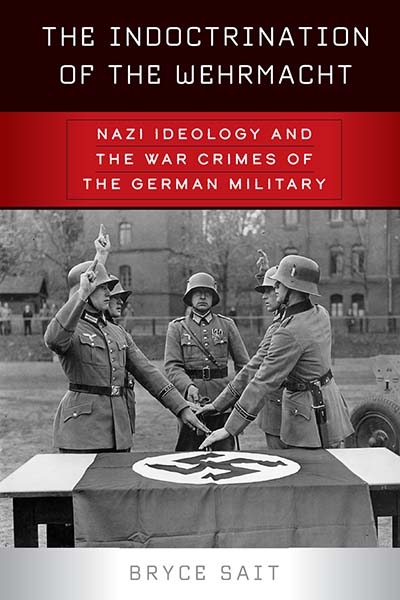
Far from the image of an apolitical, “clean” Wehrmacht that persists in popular memory, German soldiers regularly cooperated with organizations like the SS in the abuse and murder of countless individuals. This in-depth study reveals that military indoctrination was but one piece of the larger effort at the socialization of young men during the Nazi era.
Subjects: History: World War II Genocide History History: 20th Century to Present
Paperback available
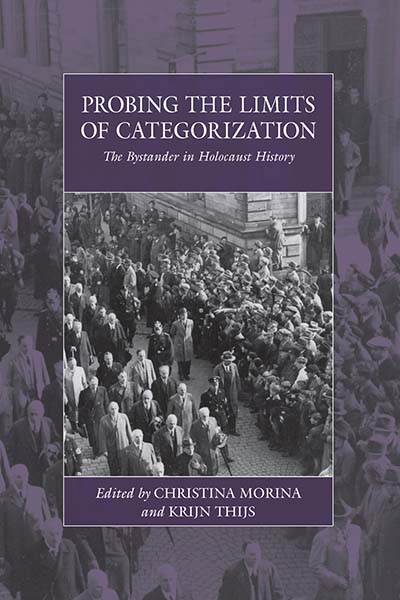
This volume discusses a number of case studies addressing the history of bystanding during and after the Nazi era. Combining historiographical, conceptual and empirical contributions, Probing the Limits of Categorization explores the roles and experiences of individuals caught up in the dynamics of state-sponsored genocidal violence.
Subjects: Genocide History Jewish Studies History: 20th Century to Present
Paperback available
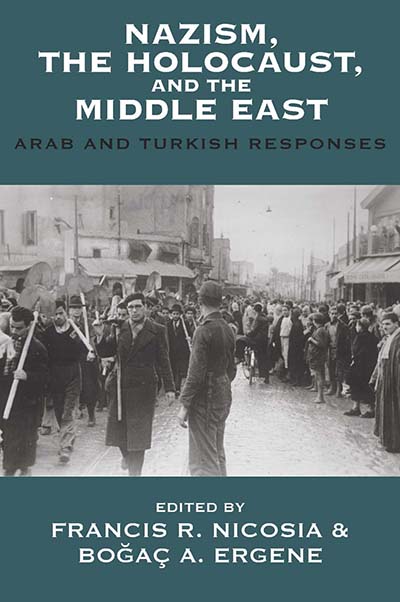
How was Nazism received in the Middle East? By focusing on Arab and Turkish reactions to Nazi anti-Semitism and persecution of the Jews in Germany and Europe, this collection offers a fresh perspective on institutional and popular attitudes towards Jewish communities throughout the Middle East during the 1930s and 1940s.
Subjects: Genocide History Jewish Studies
Paperback available
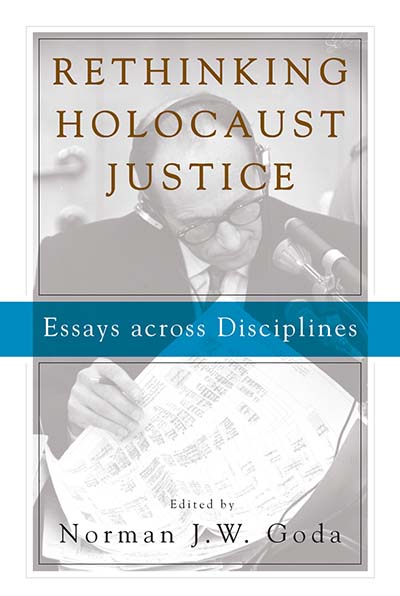
In the past two decades, the subject of post-Holocaust justice has experienced a surge of interest among historians and legal scholars. Rethinking Holocaust Justice offers a multifaceted approach to post-Holocaust justice, bringing together leading scholars from a variety of disciplines to explore the complexity of these issues.
Subjects: Genocide History History: 20th Century to Present Jewish Studies
Paperback available
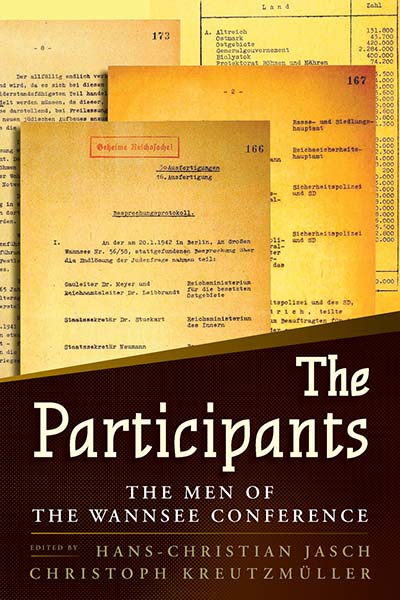
Although the Wannsee Conference of January 20, 1942 is today understood as a signal episode in the history of the Holocaust, many of its attendees remain relatively unknown to nonspecialists. Combining accessible prose with scholarly rigor, The Participants presents fascinating profiles of the all-too-human men who implemented some of the most inhuman acts in modern history.
Subjects: Genocide History History: World War II
Paperback available
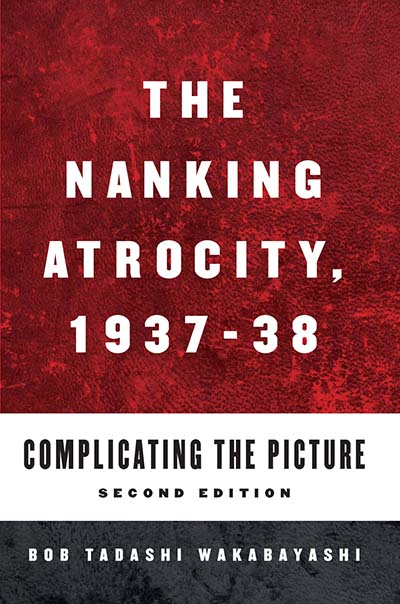
First published in 2007, The Nanking Atrocity remains an essential resource for understanding the massacre. This second edition includes an extensive new introduction reflecting on the historiographical developments of the last decade, making this even more relevant as we approach the 80th anniversary of the Nanking massacre.
Subjects: Genocide History History: 20th Century to Present
Paperback available
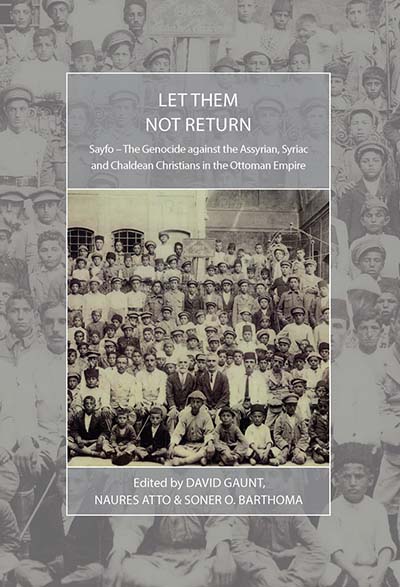
While the Armenian genocide is today widely recognized, the broader context of Ottoman violence against minority groups—including the indigenous, largely Christian Assyrians—are less well known. This volume is the first scholarly edited collection focused on the Assyrian genocide, or “sayfo.”
Subjects: Genocide History History: 20th Century to Present
Paperback available
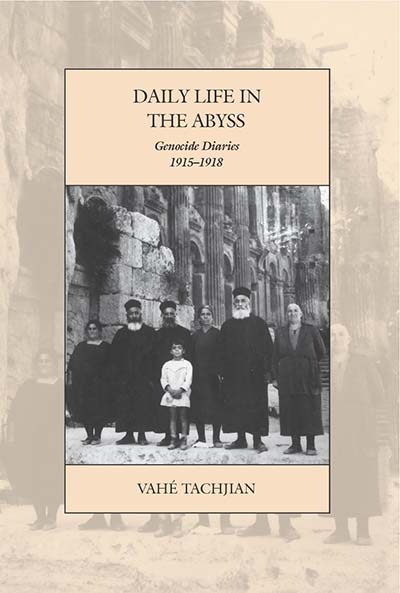
Although research into the Armenian Genocide has grown tremendously in recent years, surprisingly little is known about the actual experiences of the genocide’s victims. Daily Life in the Abyss illuminates this aspect through the intertwined stories of two Armenian families who endured forced relocation and deprivation in and around modern-day Syria.
Subjects: Genocide History History: World War I
Paperback available
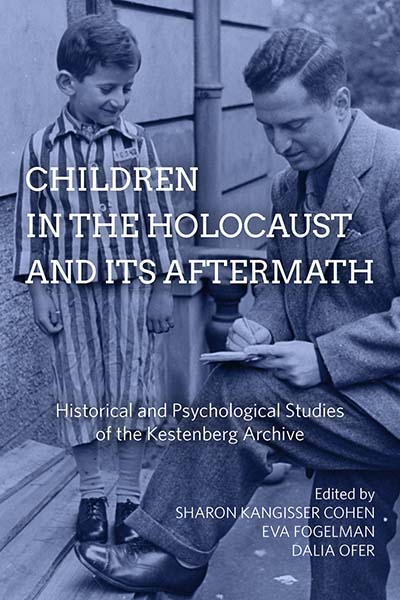
The testimonies of individuals who survived the Holocaust as children pose distinct challenges for researchers, requiring them to often follow simultaneous, disparate narratives. This interdisciplinary volume brings together historians, psychologists, and other scholars to explore child survivors’ accounts, with a central focus on the Kestenberg Holocaust Child Survivor Archive’s over 1,500 testimonies.
Subjects: Genocide History Jewish Studies
Paperback available
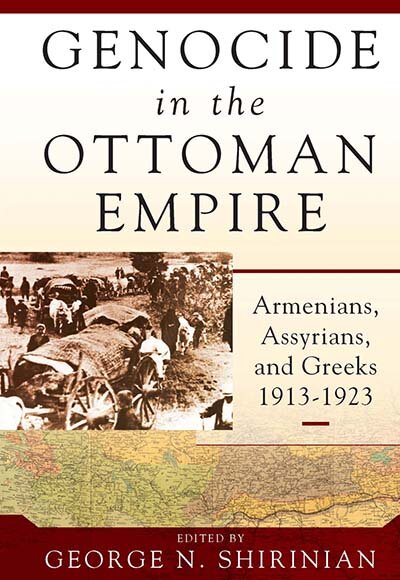
From 1913 to 1923, the Ottoman Empire deported or killed staggering numbers of non-Turkish, non-Muslim citizens in an attempt to preserve “Turkey for the Turks,” setting a modern precedent for how a regime can commit genocide while largely escaping accountability. This definitive volume is the first to comprehensively examine the genocides of the Armenians, Assyrians, and Greeks in comparative fashion.
Subjects: Genocide History History: 20th Century to Present
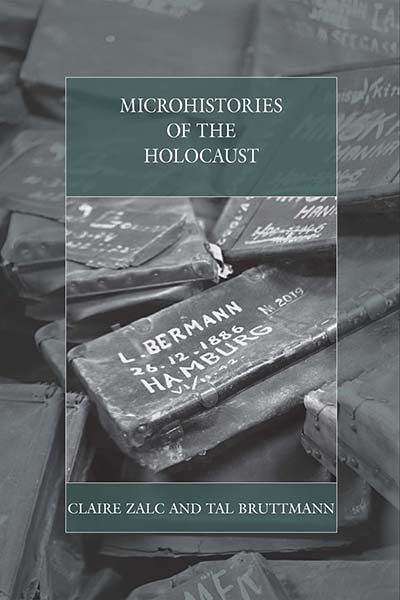
Increasingly, recent historical scholarship has demonstrated a willingness to study the Holocaust at scales as focused as a single neighborhood or family. This volume brings together scholars to reflect on the ongoing microhistorical turn in Holocaust studies, assessing its historiographical pitfalls as well as the distinctive opportunities it affords researchers.
Subjects: Genocide History History: World War II Jewish Studies
Paperback available
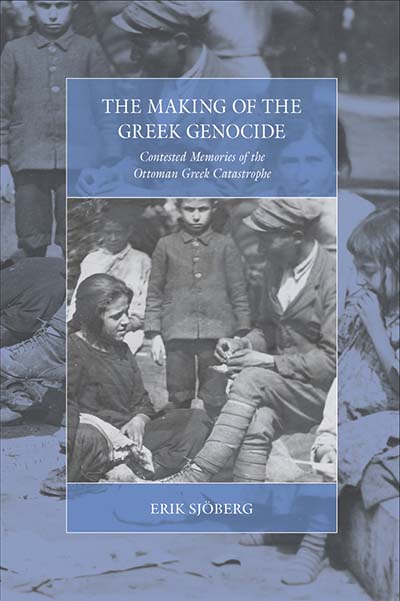
After World War I, over one million Ottoman Greeks were expelled from Turkey, resulting in hundreds of thousands of deaths. This study analyzes the fight for international recognition of the Greek genocide narrative, showing how its memory developed as a cultural trauma with both nationalist and cosmopolitan dimensions.
Subjects: Genocide History History: 20th Century to Present
Paperback available
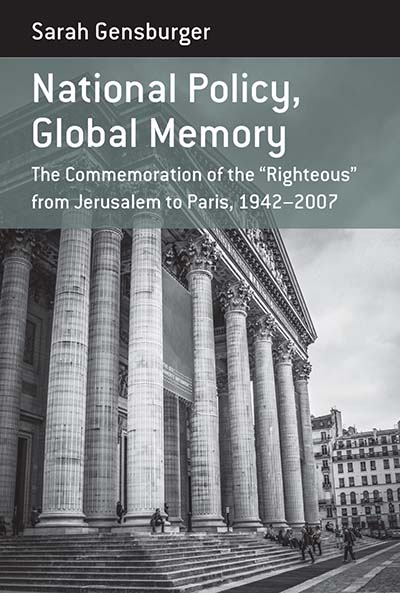
Starting in the late 1990s, European governments began developing national incarnations of the “Righteous among Nations,” the most prominent of which was the “Righteous of France,” honoring those who protected Jews during the Vichy regime. This book uses this instance of appropriation to illuminate debates over memory and nationhood.
Subjects: History: 20th Century to Present Genocide History Memory Studies
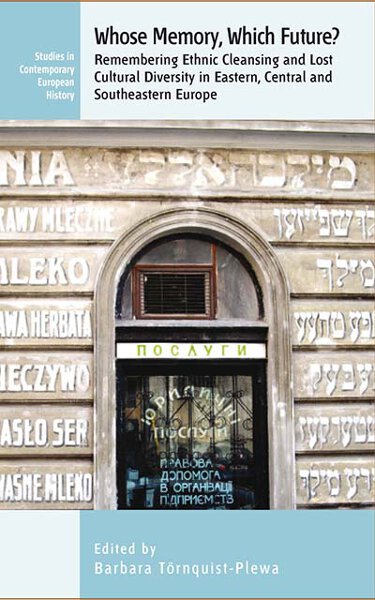
Scholars have devoted considerable energy to understanding ethnic cleansing in Europe, yet much less attention has been given to how these incidents persist in collective memory today. This volume brings together case studies exploring how modern inhabitants “remember” instances of ethnic cleansing, and how they understand the heritage of groups that vanished in their wake.
Subjects: History: 20th Century to Present Genocide History Memory Studies
Paperback available
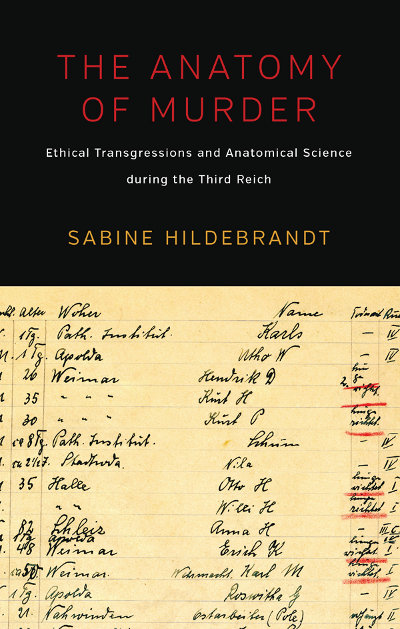
Of the many medical specializations to have been transformed by the rise of National Socialism, anatomy has received little attention. As historian and physician Sabine Hildebrandt reveals, anatomists progressed through gradual stages of ethical transgression; in some cases, the traditional model of working with deceased bodies gave way to experimentation with the “future dead.”
Subjects: History: World War II Genocide History
Paperback available
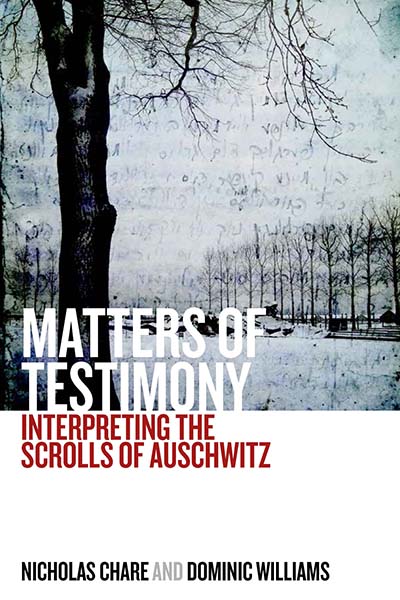
In 1944, a number of Sonderkommando—“special squads” of Jewish prisoners who kept the gas chambers running smoothly—buried on the grounds of Auschwitz a series of remarkable eyewitness accounts. This study reconstructs their history and textual content, revealing literary works that raise troubling questions about the nature of testimony.
Subjects: Genocide History History: World War II Jewish Studies
Paperback available
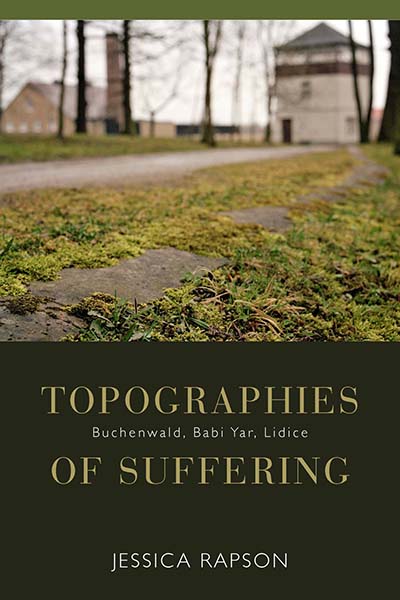
Examining the Holocaust in literature, landscape and memory, this book examines three sites of murder by the Nazis: Buchenwald, Germany; Babi Yar, Ukraine; and Lidice, Czech Republic. Balancing scrutiny with the way their violent histories are remembered globally, these sites emerge as dynamic transcultural landscapes in which difficult pasts can be comprehended in the present.
Subjects: Genocide History Cultural Studies (General)
Paperback available
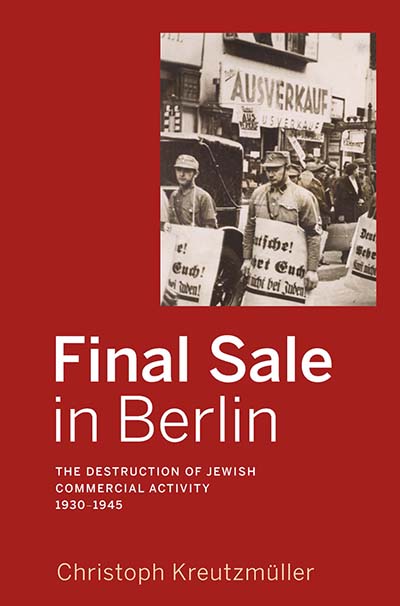
Reconstructing the fate of more than 8,000 companies, this book offers the first comprehensive analysis of Jewish economic activity and its destruction in Nazi Berlin
Subjects: Genocide History History: 20th Century to Present
Paperback available
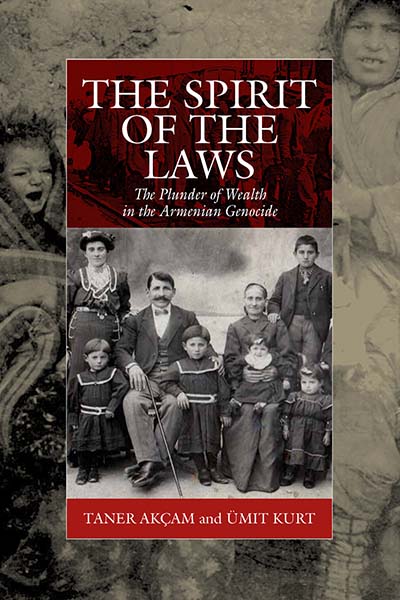
Pertinent to contemporary demands for reparations from Turkey is the relationship between law and property in connection with the Armenian Genocide. This book examines the confiscation of Armenian properties during the genocide and subsequent attempts to retain seized Armenian wealth.
Subjects: Genocide History History: World War I
Paperback available
Talking about the Holocaust has provided an international language for ethics, victimization, political claims, and constructions of collective identity. This volume addresses manifestations of Holocaust-engendered global discourse by critically examining their function and inherent dilemmas, and the ways in which Holocaust related matters still instigate public debate and academic deliberation.
Subjects: History: 20th Century to Present Genocide History Memory Studies
Paperback available
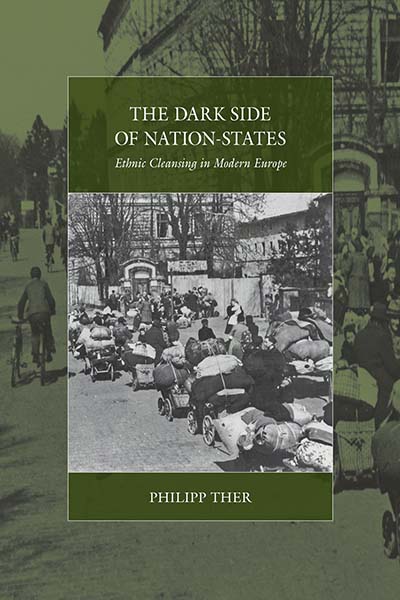
“Philipp Ther's newest contribution to the burgeoning literature on ethnic cleansing, forced deportation, and population transfer in the Twentieth Century is admirable in a number of ways. [It] is a genuinely comprehensive treatment of one of the most central problems of modern European history.” · Norman Naimark, H-Soz-u-Kult
“A groundbreaking study…based on an impressive amount of facts and balances… This analytically dense, well-written book is highly recommended for a broad audience.” · Frankfurter Allgemeine Zeitung
Subjects: Genocide History History (General)
Paperback available
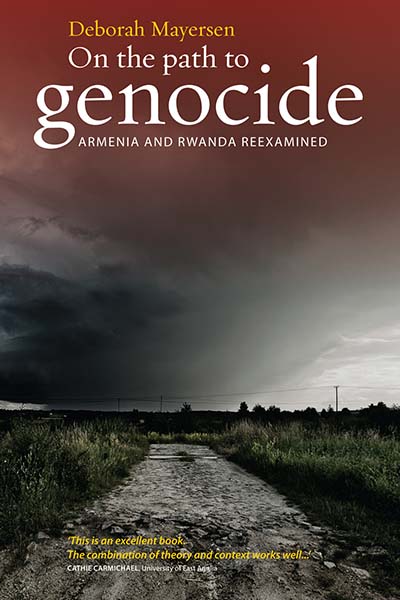
“This is an excellent book. The combination of theory and context works well…The prose is sharp and the author has set up the problem in a logical way that is easy to follow. It also benefits from an interdisciplinary approach. Her grasp of detail is superior to many theorists…It reads very fluently, the author is clearly a gifted prose writer. The thread of argument runs through the book in a compelling way…The conclusion is full of intriguing ties to other case studies and the author summarizes her argument well.” · Cathie Carmichael, University of East Anglia
Subjects: Genocide History History: 20th Century to Present
Paperback available
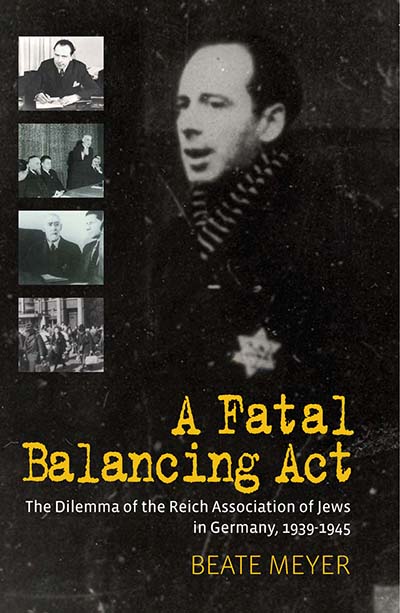
“Beate Meyer has chosen to research a serious subject that is by any standard difficult and painful to confront in an honest way… The book is a careful, detailed study of the Reich Association of Jews in Germany.” · Canadian Journal of History
“[The author] keeps the focus on the individual without ever losing sight of the overall crime. This book…can be considered as an essential contribution to the history of the extermination of the German Jews.” · Bulletin of the Fritz Bauer Institute, Frankfurt
“Beate Meyer succeeds in producing a nearly complete picture of procedures and decisions within the organization. In addition she describes openly but not without empathy the diverse, often narrow perspectives and possibilities of responsible individuals in their respective situation.” · Sehepunkte
Subjects: History: World War II Jewish Studies Genocide History
Paperback available
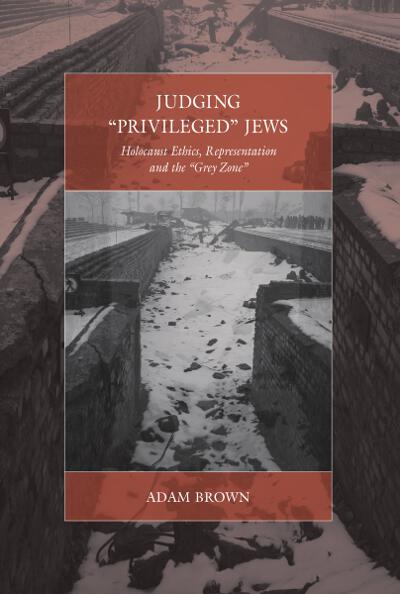
Subjects: Genocide History History (General) Jewish Studies
Paperback available
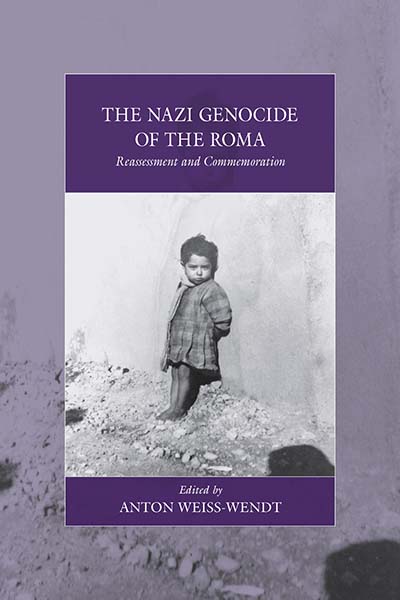
Subjects: Genocide History History: World War II
Paperback available
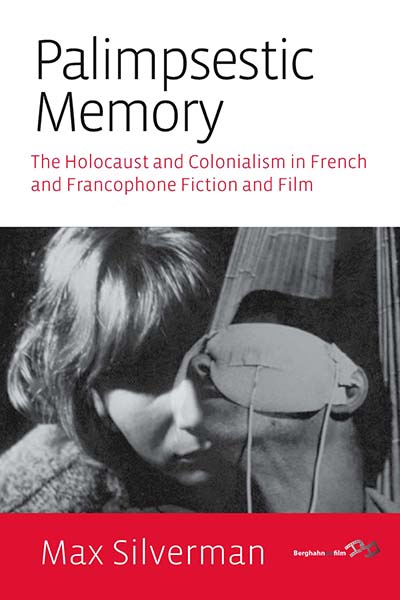
Subjects: Film and Television Studies Genocide History Colonial History
Paperback available
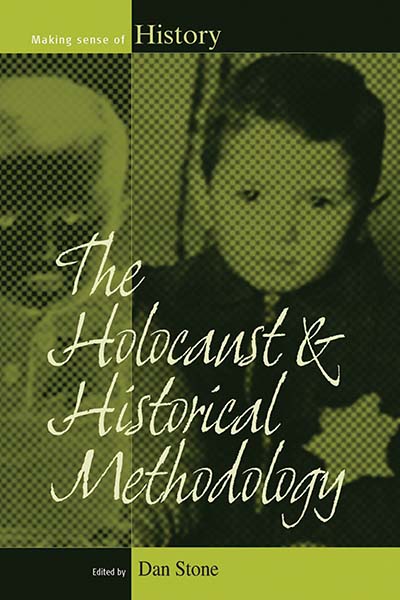
Subjects: Genocide History History: World War II
Paperback available
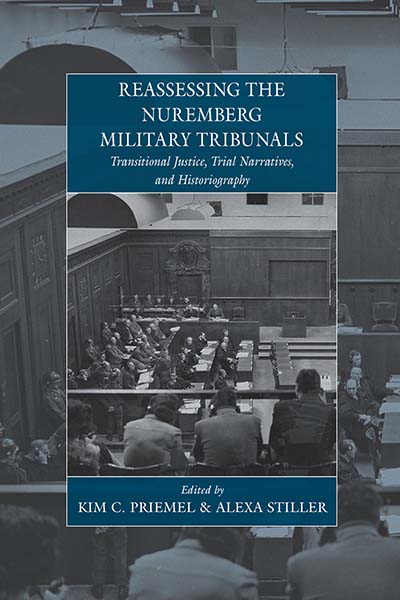
Subjects: History: World War II Genocide History
Paperback available
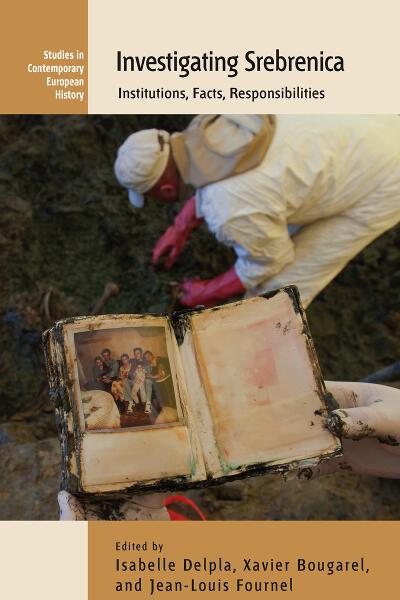
Subjects: Genocide History History: 20th Century to Present
Paperback available
Subject: Genocide History
Paperback available
Subjects: Film and Television Studies Genocide History Cultural Studies (General)
Paperback available
Subjects: Film and Television Studies Genocide History
Paperback available
Subjects: Jewish Studies History: World War II Genocide History
Paperback available

Subjects: History: World War II Genocide History Memory Studies Transport Studies
Paperback available
Subjects: Genocide History Colonial History
Paperback available
Subjects: Genocide History Colonial History History: 20th Century to Present
Paperback available
Subjects: History: World War II Genocide History
Paperback available
Subjects: Genocide History History: 20th Century to Present
Paperback available
Subjects: History: World War II Genocide History
Paperback available
Subjects: Genocide History Colonial History
Paperback available
Subjects: History: World War II Genocide History
Paperback available