



Browse
by Paperbacks: Peace and Conflict Studies
Bringing together new research by leading scholars, this volume rethinks the role played by militaries in politics. The volume introduces new theories of military politics, arguing against the inherited theories and practices of civil-military relations, and presents rich new data on senior officership and on the intersection of military politics and military operations.
Subjects: Sociology Peace and Conflict Studies Political and Economic Anthropology
The global pandemic has offered extraordinary opportunities for extremists and terrorists to mobilize themselves and revive as more powerful actors in the security landscape. But could these threat groups actually capitalize on the coronavirus crisis and advance their malevolent agendas? This book provides, for the first time, a true picture of novel trends since the pandemic outbreak.
Subjects: Political and Economic Anthropology Peace and Conflict Studies Anthropology of Religion
In the wake of Sweden’s anniversary of 200 years of peace in 2014, this volume brings for the first time a targeted approach to the concept of claimed Swedish exceptionality. Taking on the nation’s policies of neutrality, 200 Years of Peace centers discussion around what it means for a nation to endure a uniquely long period of time without any pronounced conflict.
Subjects: History: 20th Century to Present Peace and Conflict Studies
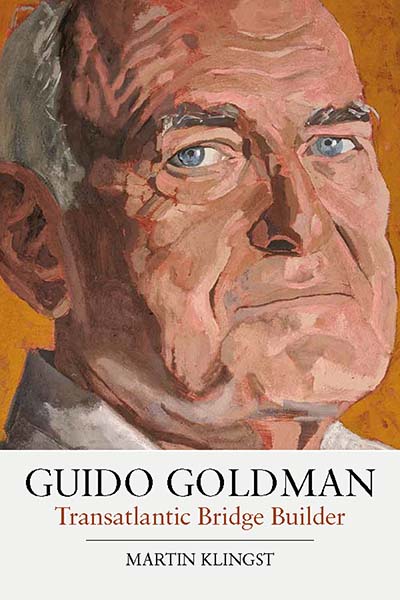
Guido Goldman was one of the most distinguished protagonists of the reintegration of Germany into the international community after the defeat of Nazism in 1945. This biography looks at his remarkable life from his establishment of the German Marshall Fund to establishing the Center for European Studies at Harvard University.
Subjects: History: 20th Century to Present Peace and Conflict Studies
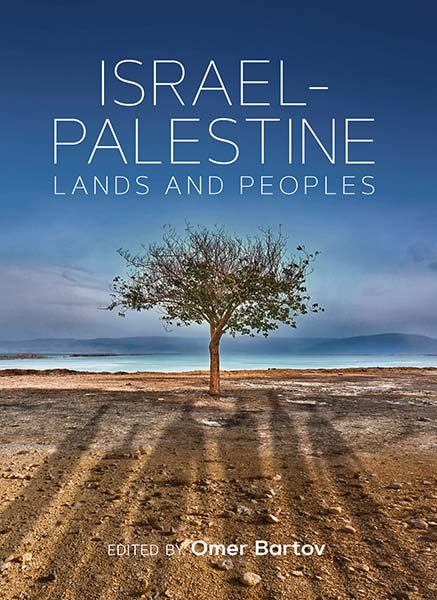
The conflict between Israel and Palestine has raised a plethora of unanswered questions, generated seemingly unreconcilable narratives, and profoundly transformed the land’s physical and political geography. This volume seeks to provide a deeper understanding of the links between the region that is now known as Israel and Palestine and its peoples—both those that live there as well as those who relate to it as a mental, mythical, or religious landscape.
Subjects: Peace and Conflict Studies History: 18th/19th Century History: 20th Century to Present
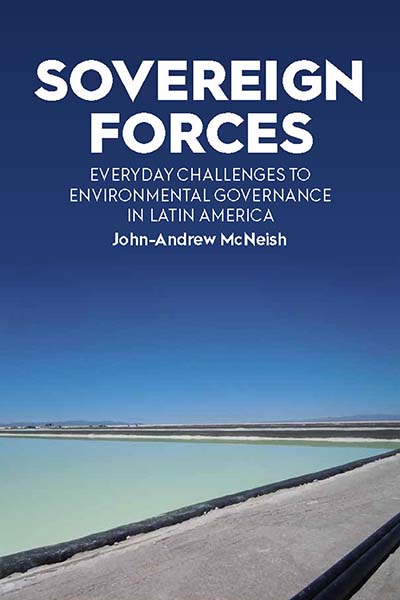
Sovereignty is a significant force regarding the ownership, use, protection and management of natural resources. By placing an emphasis on the complex intertwined relationship between natural resources and diverse claims to resource sovereignty, this book reveals the backstory of contemporary resource contestations in Latin America and their positioning within a more extensive history of extraction in the region.
Subjects: Environmental Studies (General) Political and Economic Anthropology Peace and Conflict Studies Sustainable Development Goals
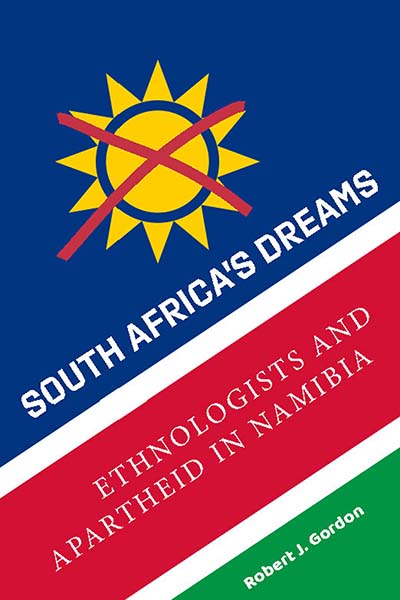
In the early sixties, many South African anthropologists supported ‘Grand Apartheid’ in Namibia. South Africa’s colonial policies in the country served as a testing ground for many key features of its repressive infrastructure, and strategies for countering anti-apartheid resistance. The book also analyses how the knowledge used to justify and implement apartheid was created.
Subjects: Anthropology (General) Colonial History Peace and Conflict Studies
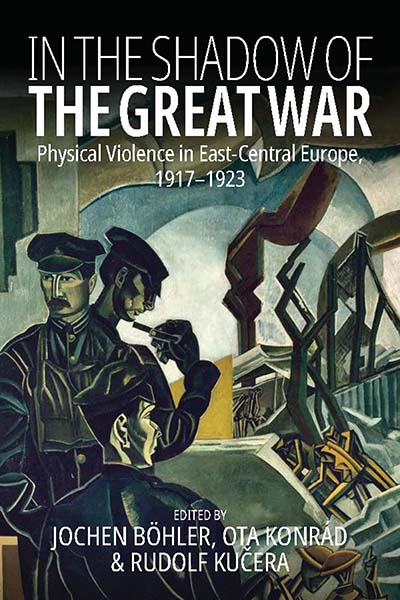
Whether victorious or not, Central European states faced fundamental challenges after the First World War as they struggled to contain ongoing violence and forge peaceful societies. This collection explores the various forms of violence these nations confronted during this period, which effectively transformed the region into a laboratory for state-building.
Subjects: History: World War I History: 20th Century to Present Peace and Conflict Studies
This volume brings together international experts on American history and foreign affairs to assess the cumulative impact of the United States’ efforts to end wars. It offers essential perspectives on both the Cold War and post-9/11 eras and demonstrates just how high the stakes are as the US confronts the possibility of war without end.
Subjects: Peace and Conflict Studies History: 20th Century to Present History (General)
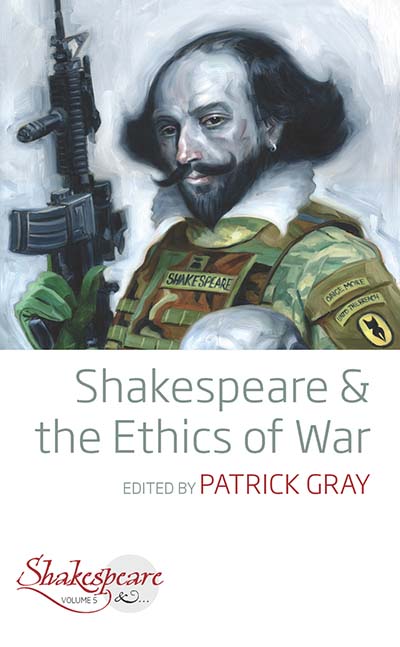
How does Shakespeare represent war? This volume reviews scholarship to date on the question and introduces new perspectives, looking at contemporary conflict through the lens of the past.
Subjects: Literary Studies Cultural Studies (General) Peace and Conflict Studies Media Studies
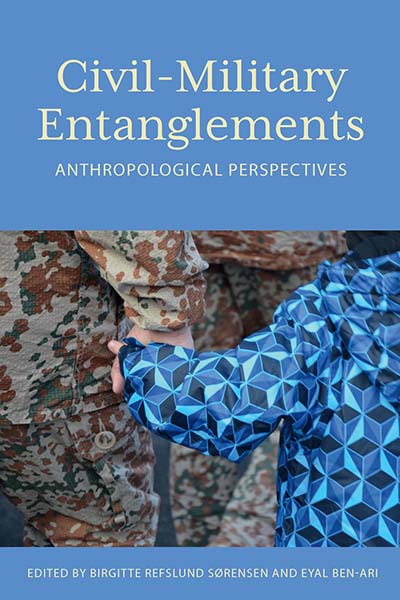
Military-civilian encounters are multiple and diverse in our times. This volume traces out the ripples, reverberations and resonations of civil-military entanglements which allow for an understanding of the roles war, violence and the military play in shaping contemporary societies and the everyday life of its citizens.
Subjects: Peace and Conflict Studies Applied Anthropology
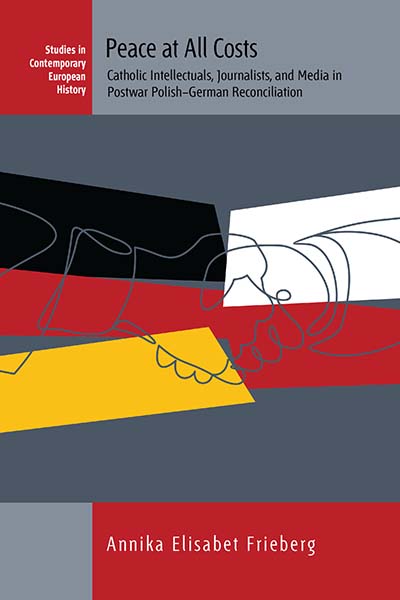
Peace at All Costs reconsiders postwar Polish-German relations as an interdisciplinary case study of reconciliation and follows an influential network of non-state peace activists, major players in print and audiovisual media, as they attempted to establish dialogue in the 1950s and 1960s.
Subjects: History: 20th Century to Present Peace and Conflict Studies Media Studies
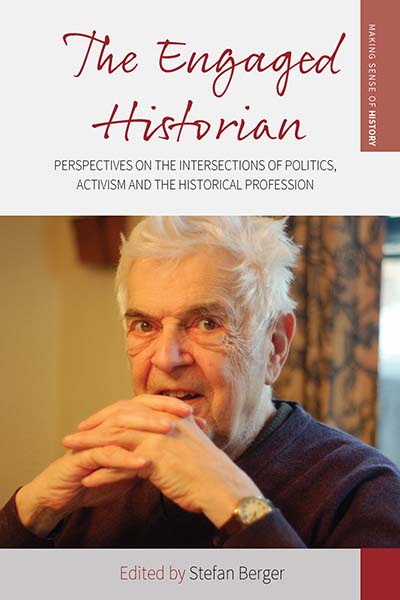
Political action and historical research have been deeply intertwined for nearly as long as the historical profession has existed. In this insightful collection, practicing historians analyze, reflect on, and share their experiences of this complex relationship.
Subjects: History (General) Peace and Conflict Studies Sociology
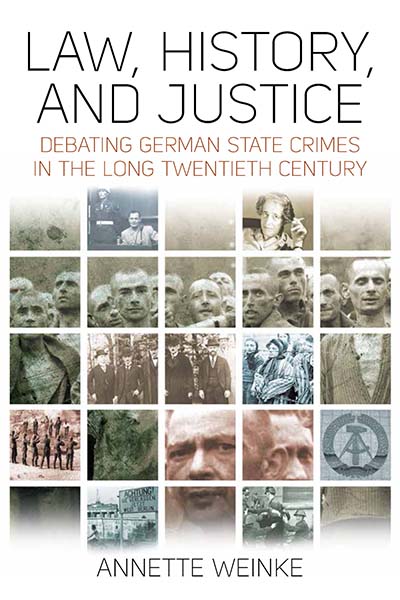
Law, History, and Justice investigates the changing nature of international humanitarian law and explores the entanglements between historical experience, historiography, and law and (moral) politics by focusing on the effects of international law violations during the First World War, the National Socialist mass crimes, the Holocaust, as well as the systematic wrongdoings of the GDR.
Subjects: Peace and Conflict Studies History: 20th Century to Present
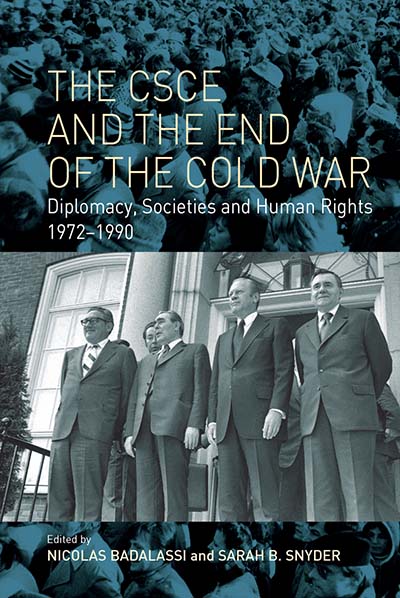
Since its inception over forty years ago, the Conference on Security and Cooperation in Europe has been met with political and historical controversies. While it’s known today as a significant contributor to the end of the Cold War, The CSCE and the End of the Cold War revisits some of the most fascinating questions in Cold War historiography.
Subjects: History: 20th Century to Present Peace and Conflict Studies
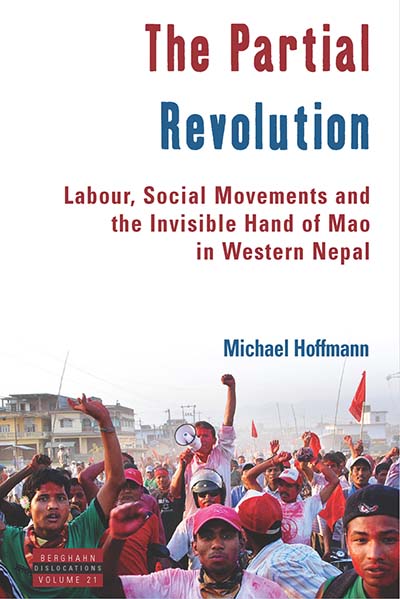
Located in the far-western Tarai region of Nepal, Kailali has been the site of dynamic social and political change in recent history. The Partial Revolution examines Kailali in the aftermath of Nepal’s Maoist insurgency, focusing primarily on the end of Kailali’s feudal system of bonded labor.
Subjects: Political and Economic Anthropology Development Studies Peace and Conflict Studies

Twenty years after the 1994 genocide, Rwandans are still troubled by what made the violence possible and how they can know it will not recur. This study uncovers how Rwandan visions of peace and modern nationhood concern not only political reform or economic development, but also transformations in the self.
Subjects: Anthropology (General) Peace and Conflict Studies
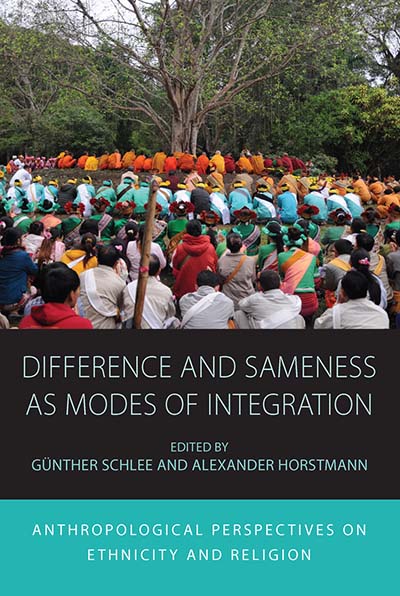
What does it mean to “fit in?” This volume of essays demystifies the discourse on identity, challenging common assumptions about role of similarity in inclusion and exclusion. Armed with intimate knowledge of local social structures, these essays tease out the ways in which ethnicity, religion and nationalism are used for social integration.
Subjects: Anthropology (General) Anthropology of Religion Peace and Conflict Studies
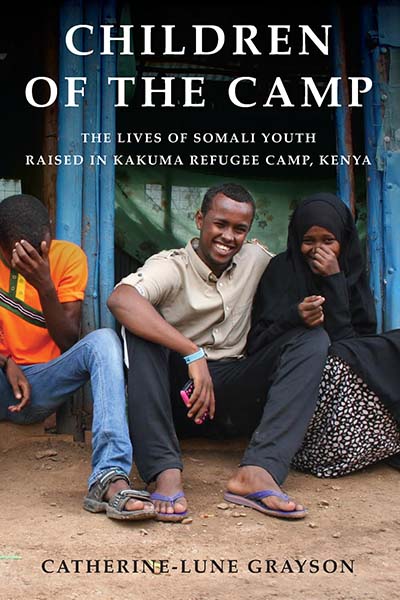
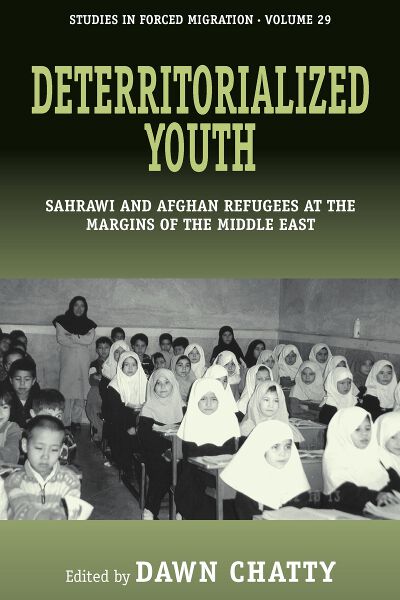
This original study carefully considers how young people perceive their living environment and how growing up in exile structures their view of the past and their country of origin, and the future and its possibilities.
Subjects: Refugee and Migration Studies Anthropology (General) Peace and Conflict Studies Sociology
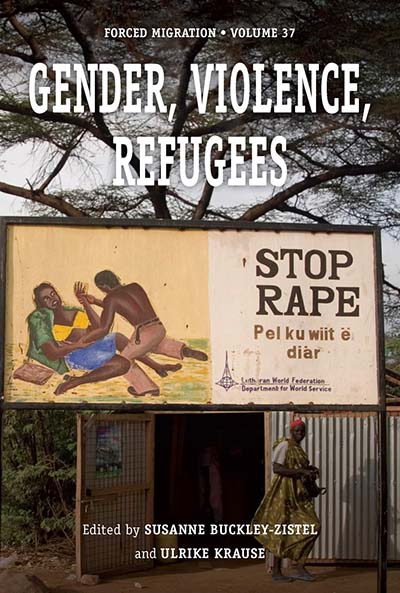
Providing nuanced accounts of how the social identities of men and women, the context of displacement and the experience or manifestation of violence interact, this collection offers conceptual analyses and in-depth case studies to illustrate how gender relations are affected by displacement, encampment and return.
Subjects: Refugee and Migration Studies Peace and Conflict Studies Gender Studies and Sexuality Sustainable Development Goals
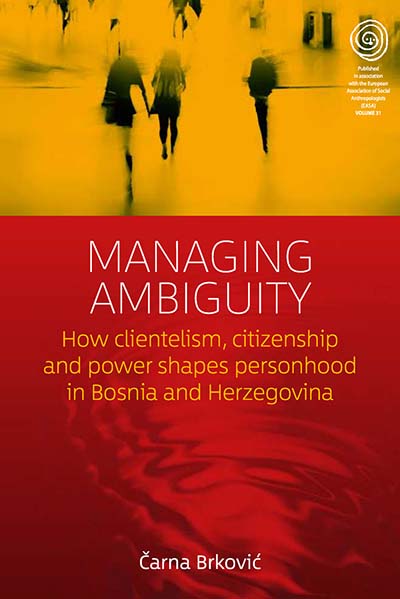
Why do people turn to personal connections to get things done? Challenging widespread views of favors as means of survival in transitioning contexts, this volume demonstrates that these contemporary globalized forms of flexible governance are not contradictory to one another, but often mutually constitutive.
Subjects: Anthropology (General) Peace and Conflict Studies History: 20th Century to Present
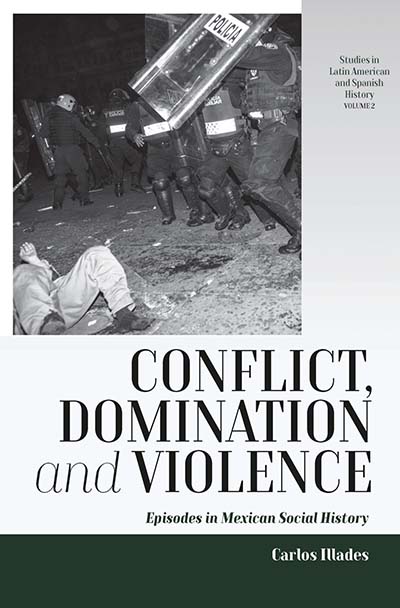
This wide-ranging, briskly narrated volume from acclaimed Mexican historian Carlos Illades guides the reader through key episodes in Mexican social history, from rebellions under Porfirio Díaz to the recent emergence of neo-anarchist movements. Taken together, they comprise a mosaic history of power and resistance, with ordinary people confronting the forces of domination and transforming Mexican society.
Subjects: History: 18th/19th Century Peace and Conflict Studies
Retaliatory logics are associated with all types of social and political organization. Deriving a concept of retaliation from the overall notion of reciprocity, contributors to this volume touch upon the interaction between retaliation and violence, the state’s monopoly on legitimate punishment, socio-political frameworks, religious interpretations, and economic processes.
Subjects: Anthropology (General) Peace and Conflict Studies
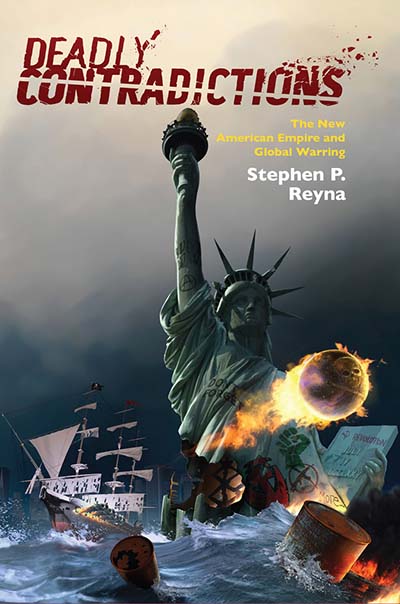
As US imperialism continues to dictate foreign policy, Deadly Contradictions is a compelling account of the American empire. Stephen P. Reyna argues that contemporary forms of violence exercised by American elites in the colonies, client state, and regions of interest have deferred imperial problems, but not without raising their own set of deadly contradictions.
Subjects: Peace and Conflict Studies Anthropology (General)
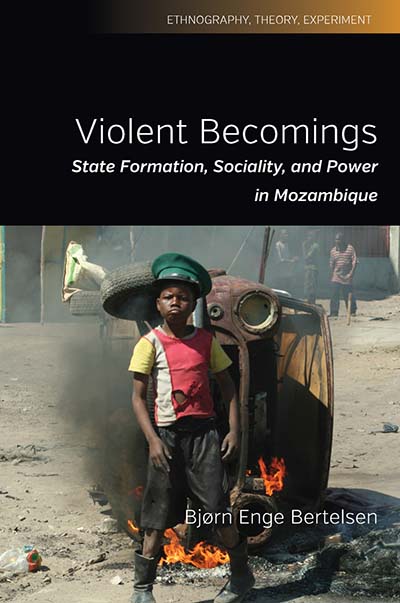
Violent Becomings sheds light on violence in the periods of colonial and postcolonial state formation by conceptualizing the state not as the bureaucratically ordered polity of the nation-state, but as a continuously evolving and violently challenged mode of social ordering.
Subjects: Anthropology (General) Peace and Conflict Studies Colonial History
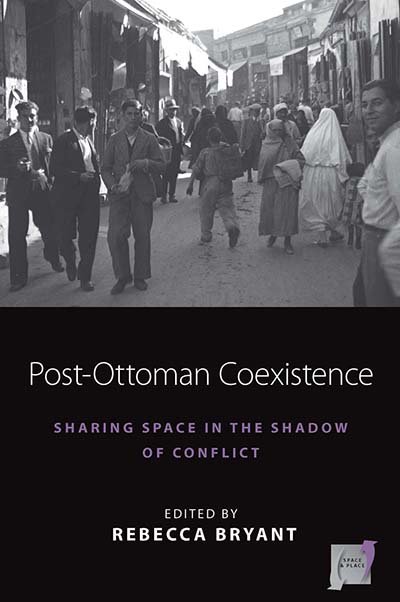
Scholars often refer to the “peaceful coexistence” of various religious and ethnic groups under the Ottoman Empire before ethnonationalist conflicts dissolved that shared space and created legacies of division. Post-Ottoman Coexistence interrogates this “coexistence” and asks what practices enabled centuries of cooperation and sharing, as well as how and when such sharing was disrupted
Subjects: Peace and Conflict Studies Sociology
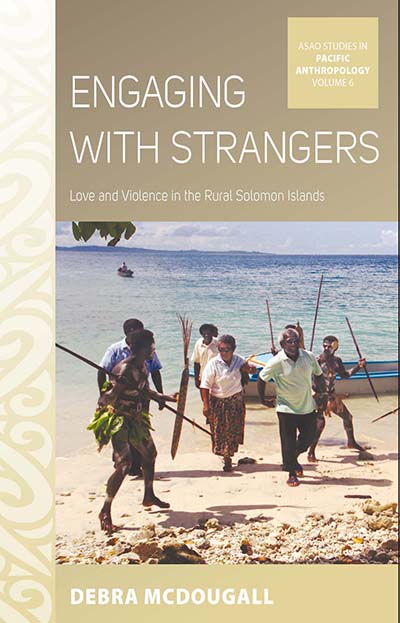
Writing of Ranongga Island, the author tracks engagements with foreigners across many realms of life, describing startling reversals in which strangers become attached to local places, even as kinspeople are estranged. Against stereotypes of rural insularity, she argues that a distinctive cosmopolitan openness to others is evident in the rural Solomons in times of war and peace.
Subjects: Anthropology (General) Peace and Conflict Studies
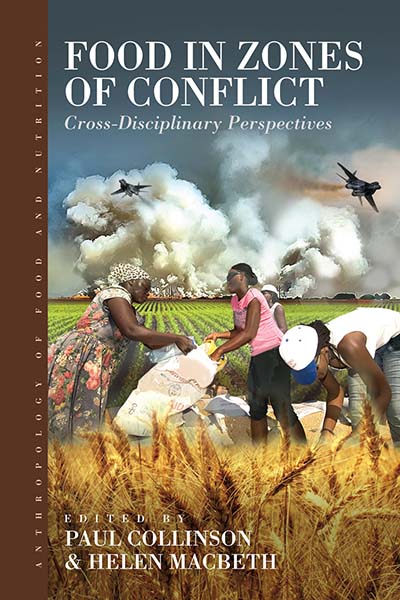
Controlling food and access to food can be used as a weapon. This is an especially significant issue in zones of conflict, because conflict impinges on the production and the distribution of food causing increased competition for food, land and resources. These themes unite the chapters of Food in Zones of Conflict, but since the topic is multidisciplinary, this volume appeals specialists in any field.
Subjects: Peace and Conflict Studies Food & Nutrition Anthropology (General)
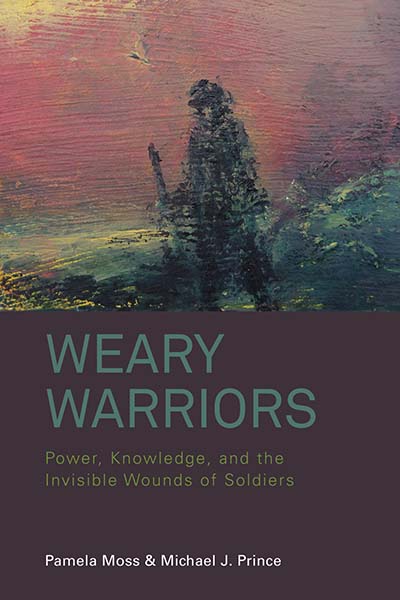
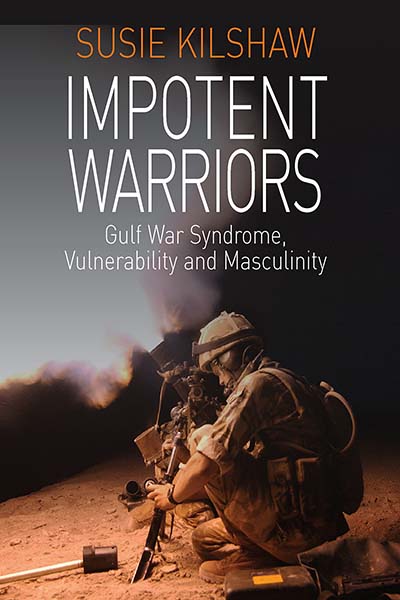
“…offers a sustained and persuasive analysis of the institutional dynamics and individual actions by which various forms of warrelated neuroses are recognised, treated, negotiated, claimed and reproduced…The rich and impressive array of sources – military and medical texts, biographies and autobiographies, popular novels and films and journalistic accounts – on which the analysis is based makes the volume all the more persuasive.” · Social Anthropology
“This is a solid piece of scholarship. The authors successfully apply key concepts from Foucault, along with those of his feminist critics, to the analysis of soldiers returning from war. In so doing, they deepen our understanding of how weary warriors are constructed through time and space, and what his/her diagnosis, treatment, and release says about wider relations of power in, between, and across the state, the military, psychiatry, and the body itself.” · Carolyn Gallaher, American University
Subjects: Sociology History (General) Peace and Conflict Studies
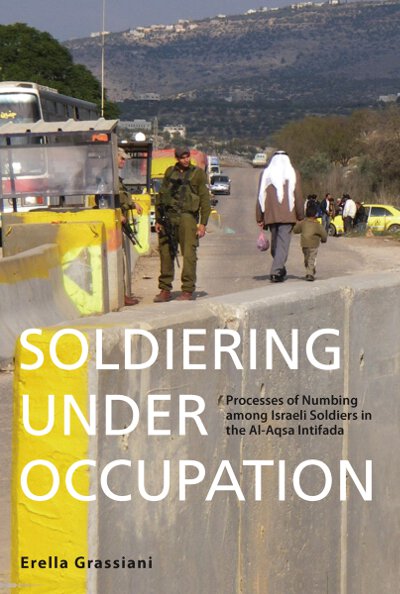
Subjects: Peace and Conflict Studies Anthropology (General)
Subjects: Anthropology (General) Peace and Conflict Studies Cultural Studies (General)
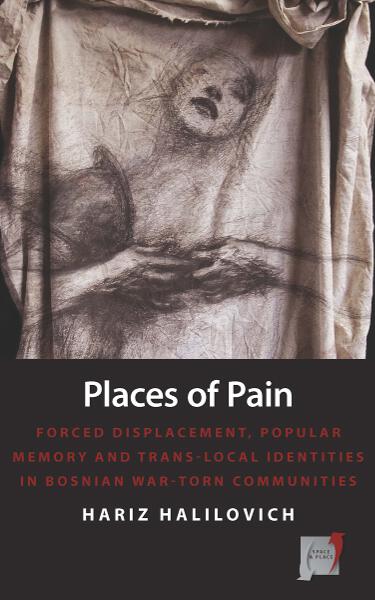
This compelling and intimate description of places of pain and (be)longing that were lost during the 1992–95 war in Bosnia and Herzegovina, as well as of survivors’ places of resettlement in Australia, Europe and North America, serves as a powerful illustration of the complex interplay between place, memory and identity.
Subjects: Refugee and Migration Studies Anthropology (General) Peace and Conflict Studies Memory Studies
Subjects: Peace and Conflict Studies Anthropology (General) History (General)
Subjects: Peace and Conflict Studies Theory and Methodology
Subjects: Anthropology (General) Peace and Conflict Studies Political and Economic Anthropology
Subjects: Peace and Conflict Studies Anthropology (General)
Subjects: Peace and Conflict Studies Theory and Methodology
Subjects: Refugee and Migration Studies Peace and Conflict Studies Development Studies
Subjects: Refugee and Migration Studies Peace and Conflict Studies
Subjects: Peace and Conflict Studies Anthropology (General) History (General)
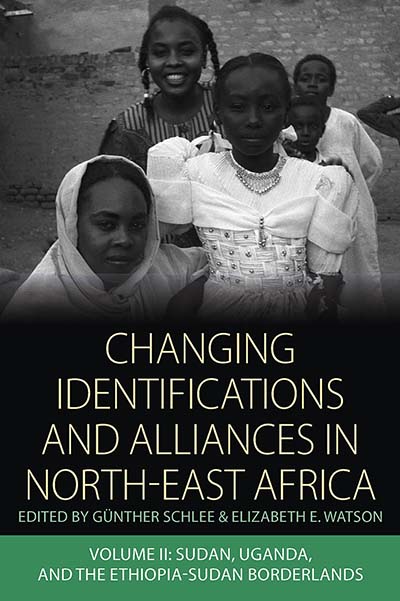
Drawing on the expertise of anthropologists, historians and geographers, these volumes provide a significant account of a society profoundly shaped by identity politics and contribute to a better understanding of the nature of conflict and war, and forms of alliance and peacemaking, thus providing a comprehensive portrait of this troubled region.
Subjects: Peace and Conflict Studies Anthropology (General)
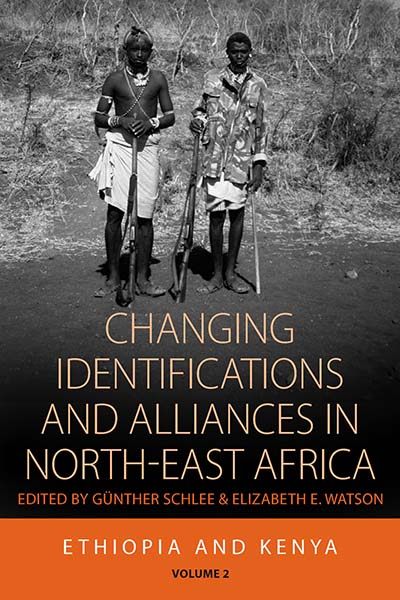
Forms of group identity play a prominent role in everyday lives and politics in northeast Africa. Case studies from Sudan, Ethiopia, Uganda, and Kenya illustrate the way that identities are formed and change over time, and how local, national, and international politics are interwoven. Specific attention is paid to the impact of modern weaponry, new technologies, religious conversion, food and land shortages, international borders, civil war, and displacement on group identities.
Subjects: Peace and Conflict Studies Anthropology (General)
Subjects: Media Studies Peace and Conflict Studies Anthropology (General)
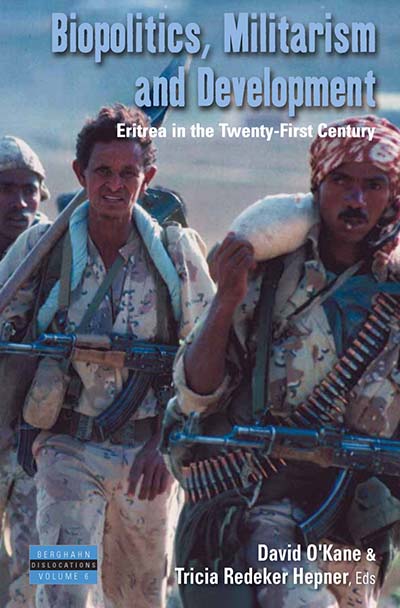
Subjects: Peace and Conflict Studies Development Studies Anthropology (General)
Subjects: Medical Anthropology Peace and Conflict Studies Gender Studies and Sexuality
Subjects: Peace and Conflict Studies Theory and Methodology
Subjects: Peace and Conflict Studies Theory and Methodology
Subjects: Peace and Conflict Studies Theory and Methodology
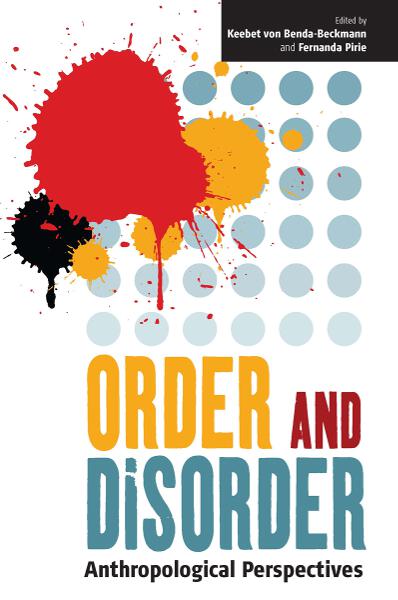
Subjects: Anthropology (General) Anthropology of Religion Peace and Conflict Studies
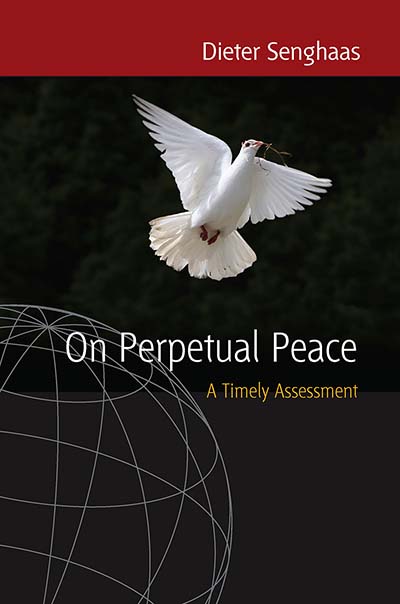
Subjects: Peace and Conflict Studies Development Studies
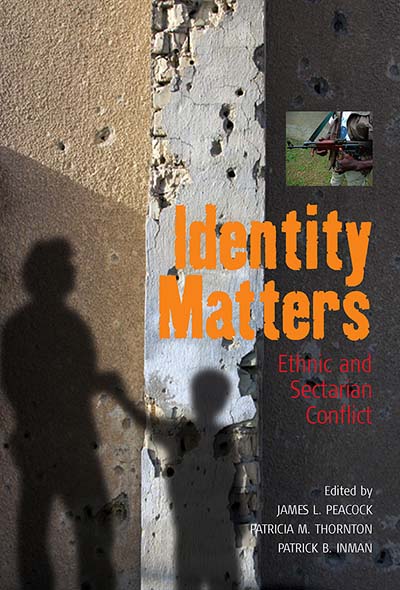
Subjects: Theory and Methodology Peace and Conflict Studies
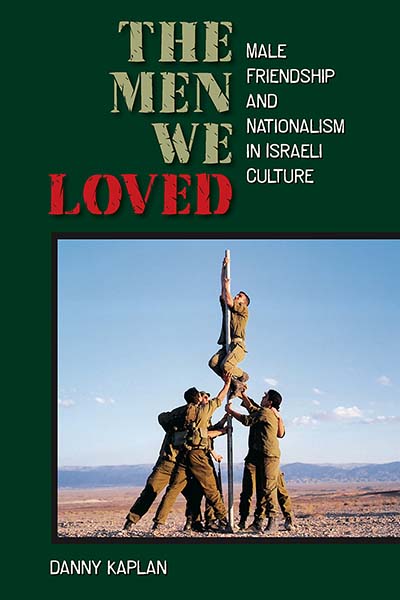
Subjects: Gender Studies and Sexuality Peace and Conflict Studies Anthropology (General)
Subjects: Peace and Conflict Studies Theory and Methodology
Subjects: Peace and Conflict Studies Theory and Methodology Sociology
Subjects: Anthropology (General) Peace and Conflict Studies
Subjects: Refugee and Migration Studies Peace and Conflict Studies
Subjects: Peace and Conflict Studies Theory and Methodology
Subjects: Refugee and Migration Studies Development Studies Peace and Conflict Studies
Subjects: Refugee and Migration Studies Peace and Conflict Studies
Subject: Peace and Conflict Studies
Subjects: Peace and Conflict Studies Sociology
Subjects: Peace and Conflict Studies Gender Studies and Sexuality Anthropology (General)
Subjects: Peace and Conflict Studies Sociology Urban Studies

Subjects: Refugee and Migration Studies Peace and Conflict Studies Development Studies
Subjects: Refugee and Migration Studies Peace and Conflict Studies
Subjects: Development Studies Environmental Studies (General) Peace and Conflict Studies
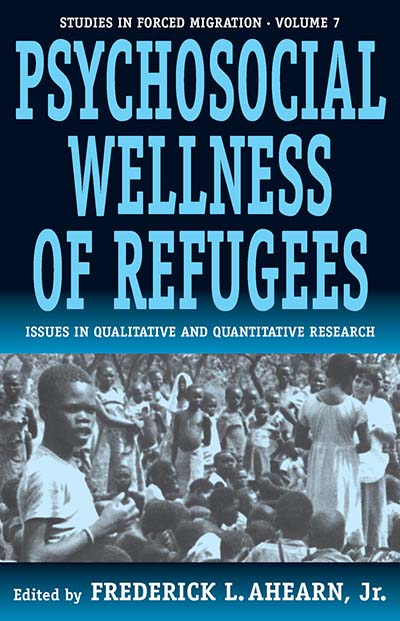
Subjects: Refugee and Migration Studies Peace and Conflict Studies Sociology
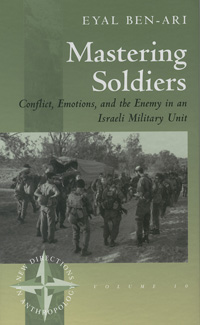
Subjects: Peace and Conflict Studies Anthropology (General) Gender Studies and Sexuality