



Browse
by Paperbacks
By Area: Central/Eastern Europe
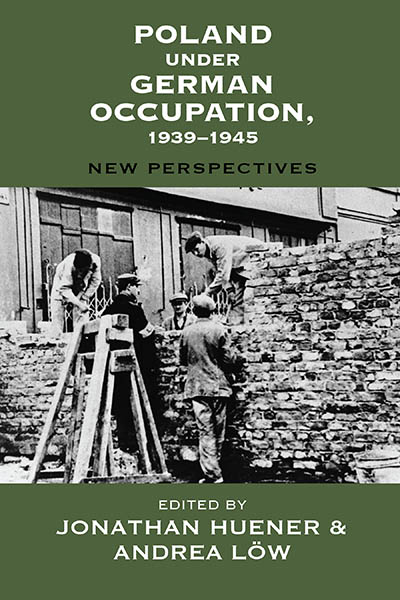
Poland under German Occupation, 1939-1945 explores questions of Polish-Jewish life that are rarely discussed and new methodological directions to advance debates on the complicity of Polish citizens during the mass murder of Jews under the nation’s Nazi occupation.
Subjects: History: World War II Genocide History Jewish Studies
Cinema and the Environment in Eastern Europe traces from the 1970s through the post 1989 period how documentaries and filmmakers began to articulate alternative, aesthetically and ideologically provocative visions of the relationship between human and natural worlds.
Subjects: Film and Television Studies Environmental Studies (General) Cultural Studies (General)
Thinking Russia’s History Environmentallybrings together an international set of scholars to showcase the contribution that the study of Russian environments makes to the global environmental field. It challenges the stereotypes of Russian history, highlighting lesser-known features of the nation’s environments…
Subjects: History (General) Environmental Studies (General)
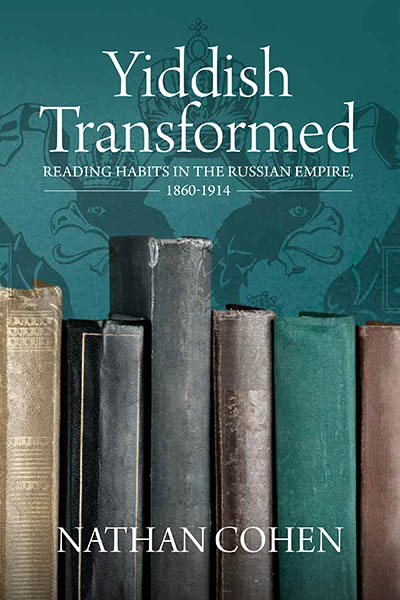
Yiddish Transformed explores Jewish reading practices alongside the rise of Yiddish in Eastern Europe between 1860 and 1914 by delving into publishing policies of Yiddish books and newspapers, popular literary genres of the time, the development of Jewish public libraries, as well as reflections of reading experiences in life stories.
Subjects: Jewish Studies Literary Studies
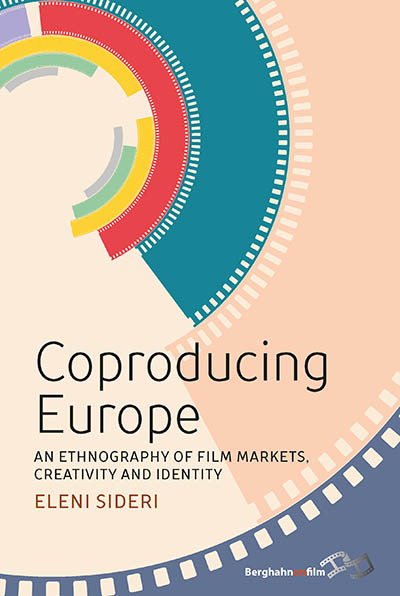
By focusing on regional film markets in Thessasloniki, Sarajevo, and Tbilisi, Coproduction Europe uses comparative ethnography to look beyond the economic nature of film coproductions to explore their role in Europeanisation, memories of the Cold War, and preconstructed political agendas.
Subjects: Film and Television Studies Cultural Studies (General) History: 20th Century to Present
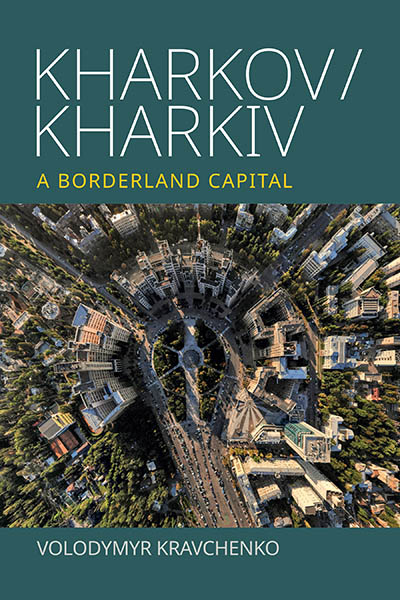
Kharkiv, Ukraine’s second largest city located on the Ukrainian-Russian historical borderland, has often been overlooked given its historic role. Kharkov/Kharkov for the first time uncovers the city’s long history, from the 17th century to today, and its process of becoming a borderland and undergoing regional reconfiguration, modernization and development of national mythologies.
Subjects: History (General) Urban Studies

Taking motorcycling in Romania as an ethnographic entry point, this book documents how bikers handle the inevitable moment of malfunction and breakdown. Using both mobile and sedentary research methods, the book describes the joys and troubles experienced by amateur mechanics, professional mechanics and untechnical male and females when fixing bikes.
Subjects: Mobility Studies Sociology Gender Studies and Sexuality
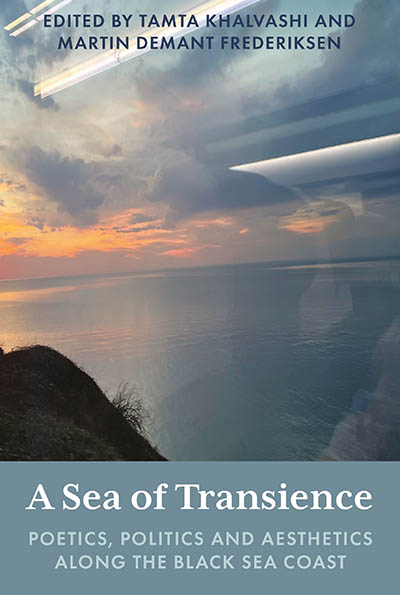
Transience is found in every meeting, encounter and form of coexistence between people and things that exist and live by, or move across or along, the Black Sea. With particular attention to poetics, politics and aesthetics, this volume focuses on the scales of transient moments and histories, and enables readers to see and sense the many forms of transience that occur in a given landscape, sea or space.
Subjects: Anthropology (General) Sociology Environmental Studies (General)
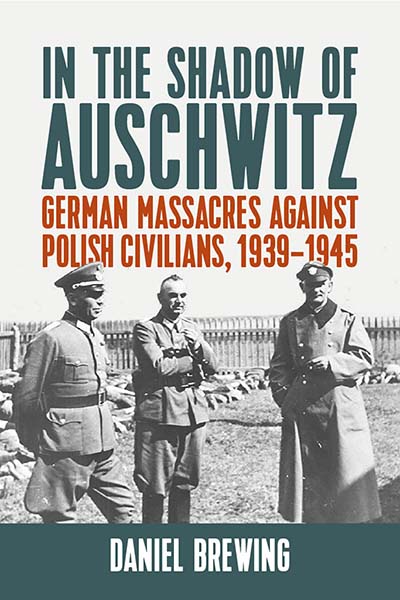
An in-depth analysis of German massacres in Poland over the whole period of German occupation during the Second World War, this innovative study recounts the widely forgotten ethnic Polish civilian victims. Using both German and Polish sources, In the Shadow of Auschwitz uncovers for the first time the depredations that were inflicted on Polish society under Nazi rule.
Subjects: Genocide History History: World War II
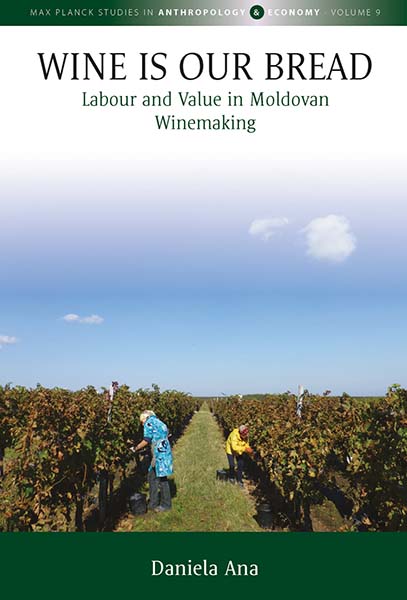
Based on ethnographic work in a Moldovan winemaking village, Wine Is Our Bread shows how workers in a prestigious winery have experienced the country’s recent entry into the globalized wine market and how their productive activities at home and in the winery contribute to the value of commercial terroir wines.
Subjects: Food & Nutrition Political and Economic Anthropology
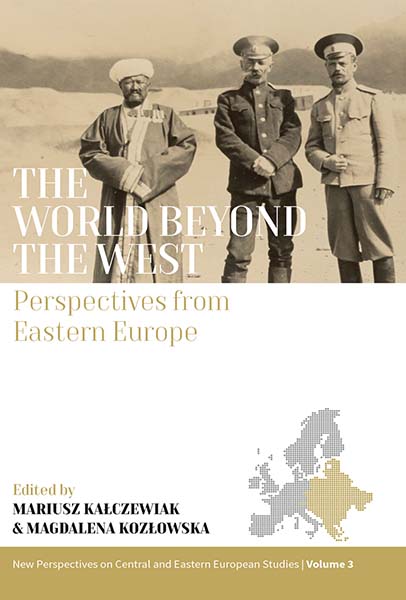
Exploring the evolution of Eastern European discourses in Asia, Africa and Latin America in nineteenth and twentieth century, this volume locates the mechanisms and strategies that diverse Eastern European social actors adopted when discussing the non-European world. The Eastern European perspective is not only an important addition to the study of orientalism and post coloniality, but the transnational links in-between Eastern Europe show the region’s importance to a global history.
Subjects: History: 20th Century to Present History: 18th/19th Century Colonial History
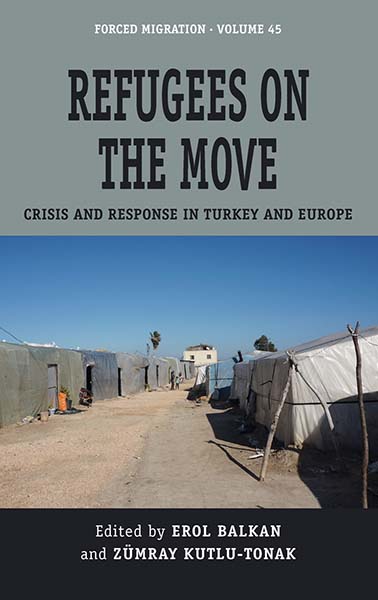
Refugees on the Move highlights and explores the profound complexities of the current refugee issue by focusing specifically on Syrian refugees in Turkey and other European countries and responses from the host countries involved. The book examines the causes of the movement of refugee populations, and host governments’ attempts to manage and overcome the so-called “refugee crisis”.
Subjects: Refugee and Migration Studies Political and Economic Anthropology
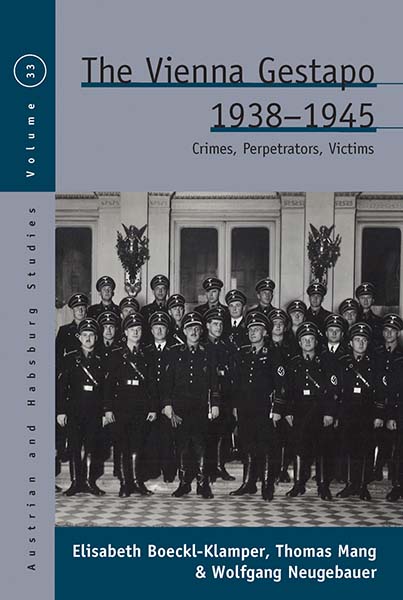
The Vienna Gestapo was the most important instrument of Nazi terror on Austrian soil. Through expert historical analysis of the Vienna Gestapo in the years 1938-1945, this volume provides a comprehensive presentation of not only the victims of persecution but also of the structures, organization and individuals actively involved on the Gestapo side.
Subjects: History: World War II Jewish Studies
Written by one of the nation’s leading historians, this account of postwar Austria explores the tensions that have defined it for over seven decades. This newly revised edition also addresses the major developments since 2005, including a resurgent far right, economic instability, and the potential fracturing of the European Union.
Subject: History: 20th Century to Present
Heritage under Socialism enriches the conceptual, methodological and empirical scope of heritage studies. Its transnational approach highlights the socialist world’s diverse interpretations of heritage and its trajectories in post-socialist preservation practices, thus providing new perspectives on the way heritage has been shaped in the recent past.
Subjects: History: 20th Century to Present Heritage Studies Memory Studies
One More for the Road recounts the life and career of Croatian filmmaker Rajko Grlić in the form of a film dictionary, tying cinematic terms to anecdotes spanning Grlić’s life. With a scholarly introduction by Aida Vidan, these personal stories combine to provide insight into the socialist film industries and south Slavic film.
Subjects: Film and Television Studies Cultural Studies (General)
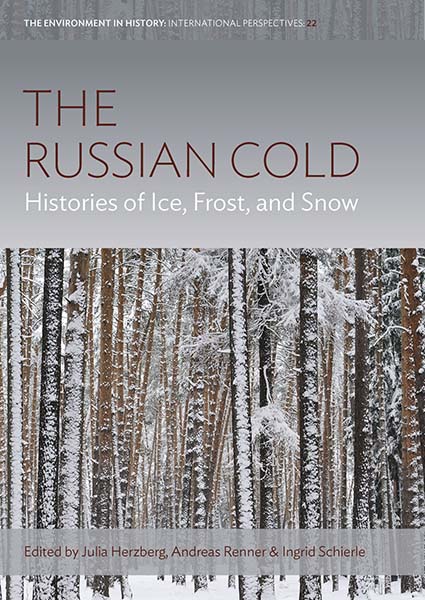
Cold has long been a fixture of Russian identity both within and beyond the nation, even as the ongoing effects of climate change complicate its meaning and cultural salience. The Russian Cold assembles fascinating new contributions from a variety of scholarly traditions, offering new perspectives on how to understand this mainstay of Russian culture and history.
Subjects: History: 18th/19th Century History: 20th Century to Present Environmental Studies (General)
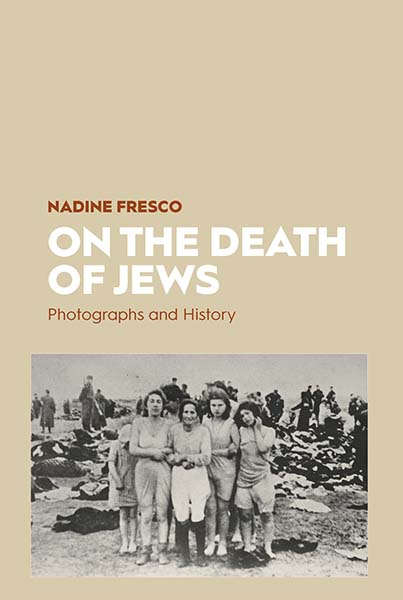
In this trenchant meditation on photographs from an atrocity in Latvia during the Holocaust, Nadine Fresco argues for the vital importance of photographs—and nontraditional sources more broadly—for understanding the Holocaust. She confronts charged questions around guilt and testimony while teasing out the subtle implications of camera angles, photo sequencing, and body language, helping us to see anew the perspectives of victims, perpetrators, and others who witnessed the brutality of the Holocaust.
Subjects: Genocide History Media Studies Jewish Studies
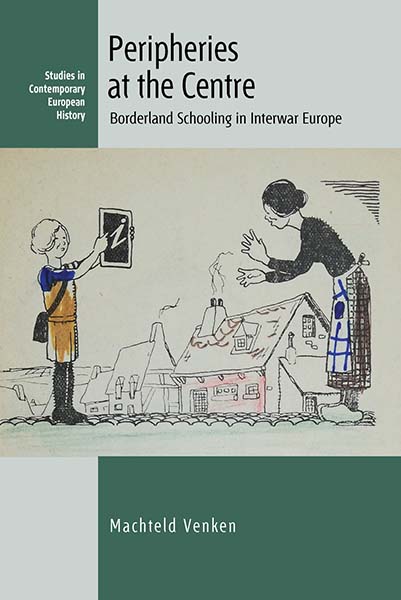
Peripheries at the Centre reveals how Prussia, and later the German Empire, used educational policy to promote national identity along its geographical margins. It shows how policymakers sought to cultivate ideal German students who, it was hoped, would help to usher in a new, peaceful era in European history while reinforcing their status as German citizens.
Subjects: History: 20th Century to Present Educational Studies
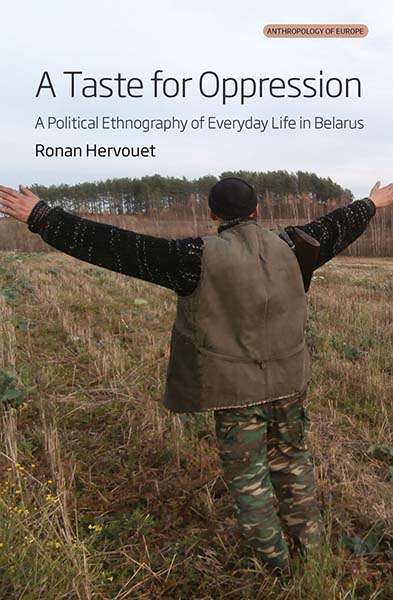
Belarus has emerged from communism in a unique manner. The author, who has lived in Belarus for several years, highlights several mechanisms of tyranny, beyond the regime’s ability to control and repress, which should not be underestimated. The book sheds light on the reasons why part of the population supports Alexander Lukashenko and takes a fresh look at the functioning of what has been called 'the last dictatorship in Europe'.
Subjects: Anthropology (General) Sociology
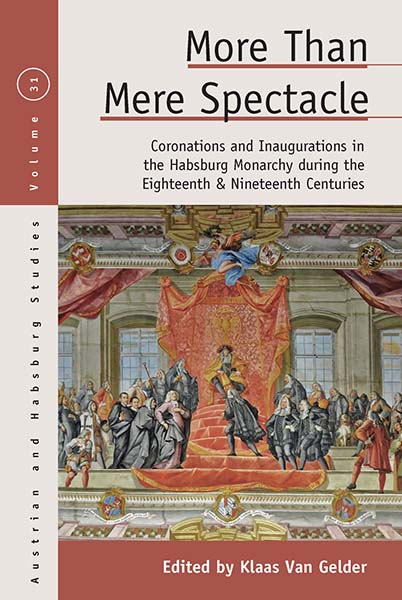
More than Mere Spectacle brings together new research on the numerous coronations and inaugurations in the eighteenth- and nineteenth-century Habsburg Monarchy, examining why so many of them still took place, what political, legal, social, and cultural significance they bore, and how they adapted to actual circumstances. It takes the flexibility of their format as the key to understanding their lasting relevance.
Subject: History: 18th/19th Century
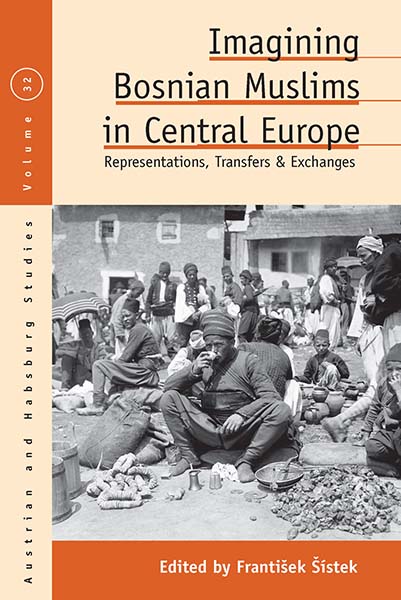
As a Slavic-speaking religious and ethnic “Other” living just a stone’s throw from the symbolic heart of the continent, the Muslim peoples of Bosnia and Herzegovina have long occupied a liminal space in the European imagination. This volume assembles contributions from historians, anthropologists, political scientists, and literary scholars to examine the political, social, and discursive dimensions of Bosnian Muslims’ encounter with the West.
Subjects: History (General) Anthropology of Religion
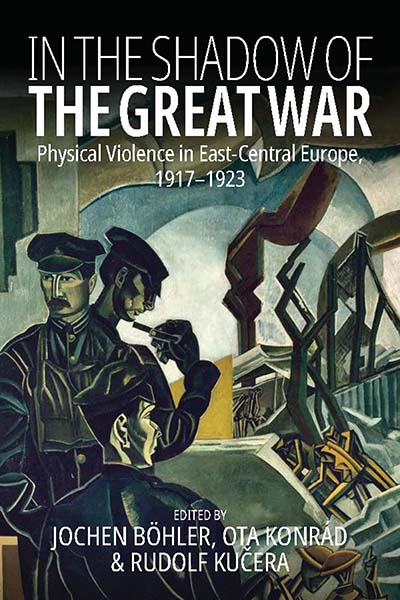
Whether victorious or not, Central European states faced fundamental challenges after the First World War as they struggled to contain ongoing violence and forge peaceful societies. This collection explores the various forms of violence these nations confronted during this period, which effectively transformed the region into a laboratory for state-building.
Subjects: History: World War I History: 20th Century to Present Peace and Conflict Studies
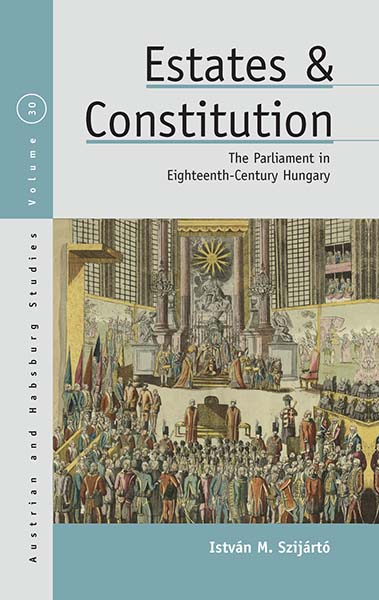
Estates and Constitution provides a rich account of Hungarian politics during the eighteenth century, restoring the Diet to its rightful place as one of the era’s major innovations in government. István M. Szijártó traces the religious, economic, and partisan forces that shaped the Diet, putting its historical significance in international perspective and demonstrating that it played a critical role in the eventual dissolution of the Austro-Hungarian Empire.
Subject: History: 18th/19th Century

Antisemitism in Galicia investigates the interaction of agitation, violence, and politics against Jews on the periphery of the Danube monarchy. In its comprehensive analysis of the functions and limitations of propaganda, rumors, and mass media, it shows just how significant antisemitism was to the politics of coexistence among Christians and Jews on the eve of the Great War.
Subjects: History: 18th/19th Century Jewish Studies
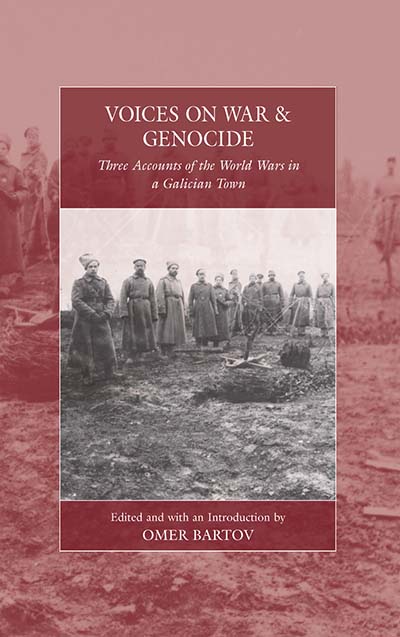
Taking as its point of departure Omer Bartov’s acclaimed recent monograph Anatomy of a Genocide, this volume brings together three extensive and previously unknown accounts of residents from the Ukrainian town of Buczacz, covering events during and between both world wars.
Subjects: History: World War II Jewish Studies Genocide History
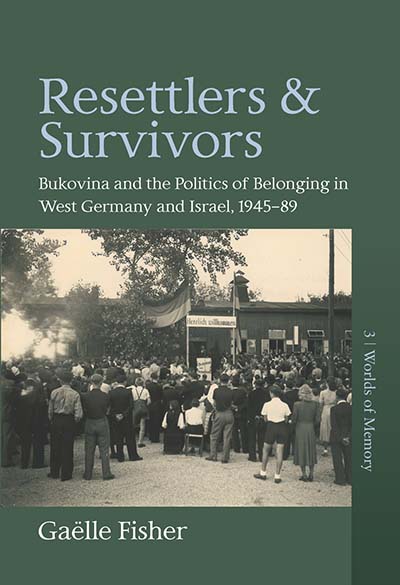
Resettlers and Survivors focuses on two groups of Bukovinians—ethnic Germans and German-speaking Jews—who navigated dramatically changed political and social circumstances in 1945. This study gives a nuanced account of how they dealt with the difficult legacies of World War II, while exploring Bukovina’s significance for them as both a geographical location and a “place of memory.”
Subjects: History: 20th Century to Present Jewish Studies Refugee and Migration Studies Memory Studies
Revisiting Austria draws on a rich selection of films, marketing materials, literature, and first-person accounts to explore the ways in which tourism has shaped both international and domestic perceptions of Austrian identity even as it has failed to confront the nation’s often violent and troubled history.
Subjects: Travel and Tourism History: 20th Century to Present Media Studies
This innovative study develops the concept of “retro” to describe the nuanced and ironic depiction of the past as seen in Czech popular culture. It locates a distinctively retro aesthetic in Czech literature, film, and other cultural forms, enriching our understanding of not only the nation’s memory culture, but also the ways in which popular culture can structure collective memory.
Subjects: Cultural Studies (General) History: 20th Century to Present Film and Television Studies Memory Studies
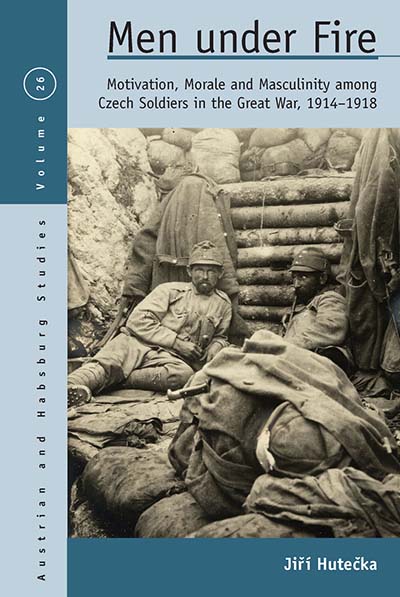
In historical writing on World War I, Czech-speaking soldiers serving in the Austro-Hungarian military are primarily studied as Czechs, rarely as soldiers, and never as men. Men under Fire provides a groundbreaking analysis of this oft-overlooked cohort, drawing on a wealth of soldiers’ private writings to explore experiences of exhaustion, sex, loyalty, authority, and combat itself.
Subjects: History: World War I Gender Studies and Sexuality
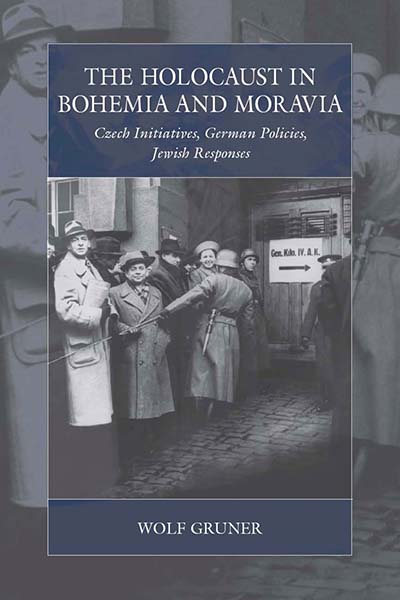
After the establishment of the Protectorate of Bohemia and Moravia, Czech and German authorities adopted radicalized anti-Jewish policies, including depriving Jews of their property, hauling them into forced labor, and deporting them to concentration camps. In this pioneering study, Wolf Gruner demonstrates that these proceedings were not only controlled by Berlin, but also driven forward by the Czech government and local authorities.
Subjects: Jewish Studies Genocide History
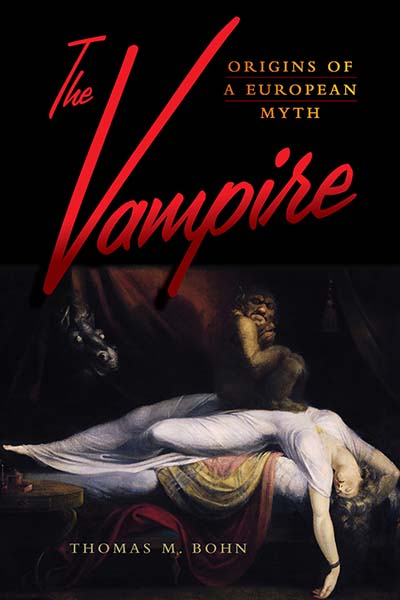
Drawing on a wealth of heretofore neglected sources from multiple languages, this book gives a fascinating account of how vampires—whose various incarnations originally developed within the folk traditions of societies throughout the world—came to be inextricably tied to Eastern Europe in the popular imagination.
Subjects: Sociology Literary Studies History (General) Cultural Studies (General)
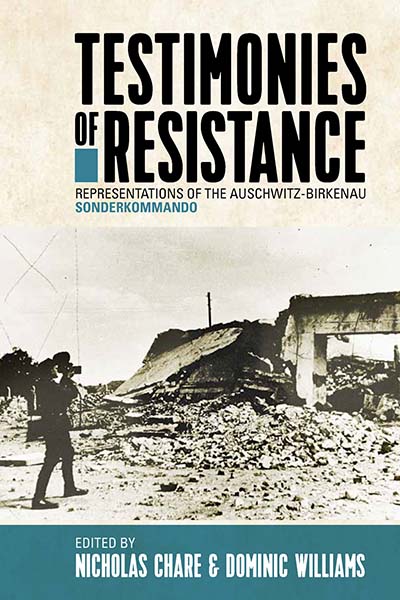
As eyewitnesses to and unwilling abettors of the murder of their fellow Jews, the Sonderkommando comprise one of the most fascinating and troubling topics within Holocaust history. This interdisciplinary collection assembles careful investigations into how the Sonderkommando have been represented—both by themselves and by others—during and since the Holocaust.
Subjects: History: World War II Genocide History Jewish Studies
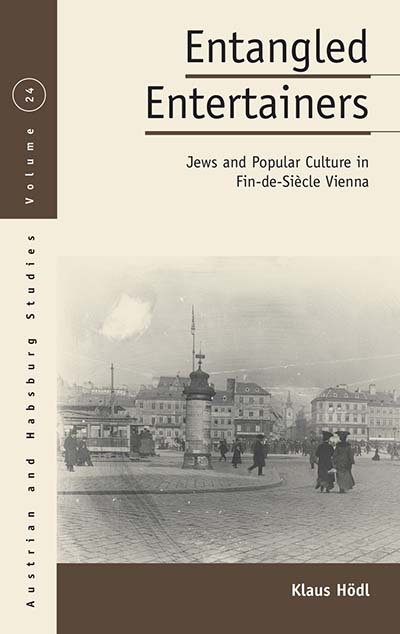
Viennese popular culture at the turn of the twentieth century was shaped jointly by Jews and non-Jews alike, though their relationship was not immune to bouts of anti-Semitism. The case studies in this book provide new findings in understanding what it meant to be Jewish among artists, performers and impresarios at the turn of the twentieth century.
Subjects: Jewish Studies History: 20th Century to Present Cultural Studies (General)
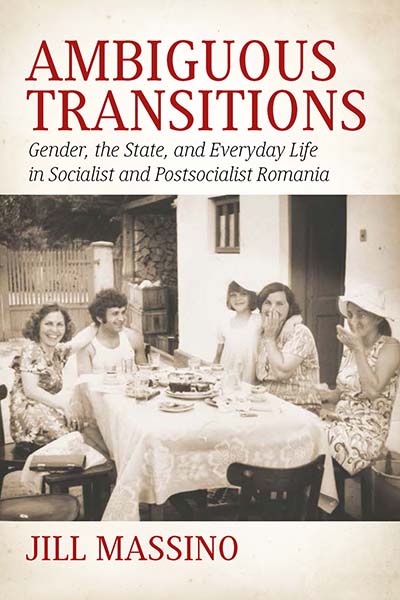
Ambiguous Transitions provides an accessible, intimate exploration of gender and citizenship in socialist Romania. Author Jill M. Massino connects women’s everyday lives to larger political, economic, and social processes, challenging conventional understandings of life in socialist Romania as uniformly oppressive.
Subjects: History: 20th Century to Present Gender Studies and Sexuality
Peace at All Costs reconsiders postwar Polish-German relations as an interdisciplinary case study of reconciliation and follows an influential network of non-state peace activists, major players in print and audiovisual media, as they attempted to establish dialogue in the 1950s and 1960s.
Subjects: History: 20th Century to Present Peace and Conflict Studies Media Studies
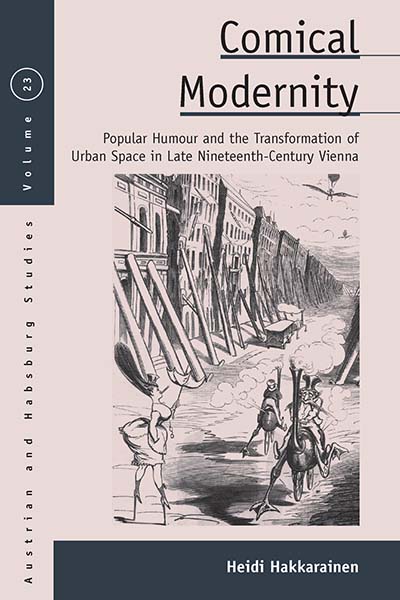
Comical Modernity looks at the years between 1857–1890, a period of dramatic urban renewal within Vienna during which the city’s rapidly changing face was a popular topic in publications. This book shows how humor provided access to understanding modernity in an era of radical change, thus broadening our understanding of the cultural history of nineteenth-century Vienna.
Subjects: History: 18th/19th Century Media Studies Cultural Studies (General)

Planning Labour explores the early socialist industrialization and the implementation of central economic planning in Romania between 1945 and 1955. Centered on the city of Cluj, an ethnically mixed city in the northwestern part of Romania, this volume examines the deeply contradictory process required for achieving socialist accumulation.
Subjects: History: 20th Century to Present Political and Economic Anthropology
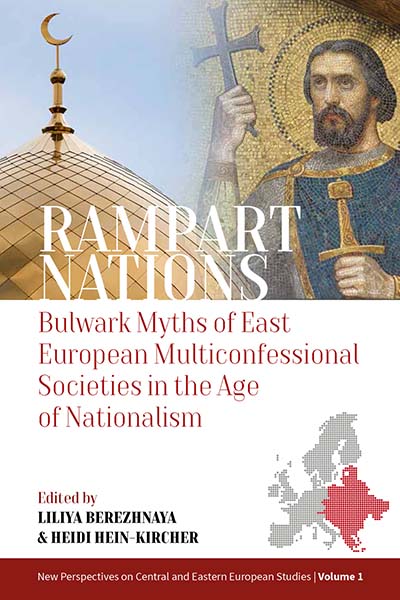
Rampart Nations delves deeper into the bulwark (antemurale) myth and uncovers the stories that have helped to spread it within Eastern Europe. Through perspectives that range from Eastern European art history to theology, with a concentration on the nexus of political, social, and religious history, this volume explores historical narratives that have shaped contemporary Eastern European national identities.
Subjects: History: 18th/19th Century History: 20th Century to Present Cultural Studies (General)
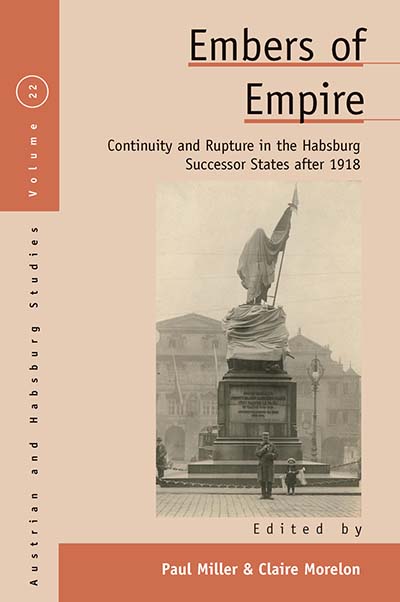
The end of World War I and the collapse of the Habsburg Monarchy radically reshaped the political structures and national identity of East-Central Europe. Embers of Empire focuses on this complex and disruptive transition and sheds new light on the efficacity of imperial institutions, as well as the sources for instability in the newly formed nations.
Subject: History: 20th Century to Present
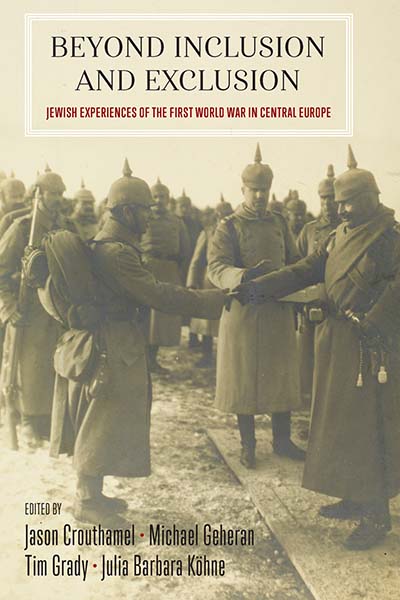
Beyond Inclusion and Exclusion recaptures the multifariousness of Central European Jewish life through the experiences of both soldiers and civilians during World War I. This collection explores rare sources and employs novel interdisciplinary methods to illuminate four interconnected themes: minorities and the meaning of military service, Jewish-Gentile relations, the cultural legacy of the war, and memory politics.
Subjects: Jewish Studies History: World War I History: 20th Century to Present
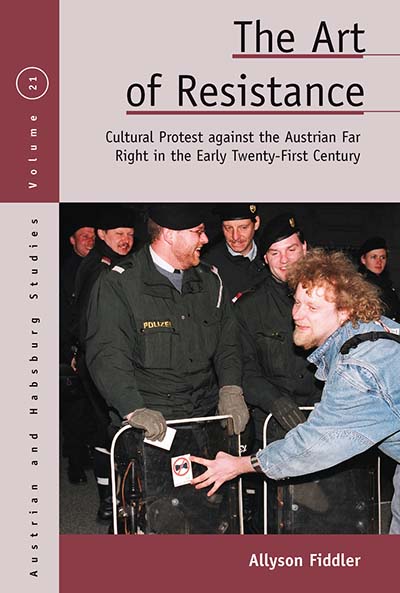
The 1999 Austrian election results produced an uprising against a turn to the political right. The Art of Resistance examines artworks created in responses to the Freedom Party of Austria and analyses the styles and strategies deployed by a large range of artists who clashed against increased normalization of far-right thinking.
Subjects: History: 20th Century to Present Cultural Studies (General)
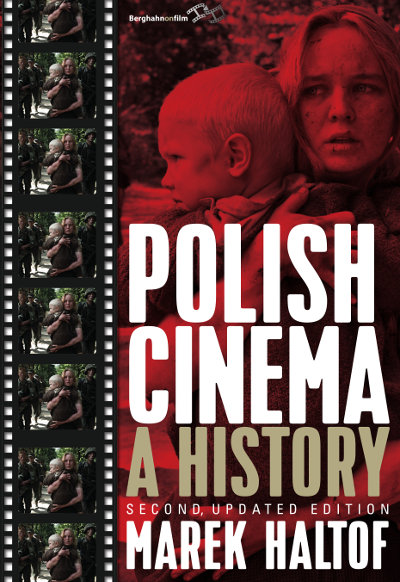
This thoroughly revised and updated edition of Marek Haltof’s seminal survey takes stock of dramatic shifts in Polish society and to provide an essential account of the nation’s cinema from the nineteenth century to today. It covers such renowned figures as Kieślowski and Wajda along with vastly expanded coverage of documentaries, animation, and television.
Subjects: Film and Television Studies Cultural Studies (General) History: 20th Century to Present
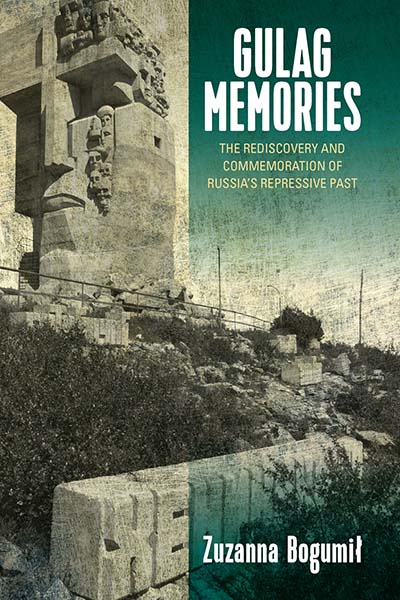
Gulag Memories explores the impact of the Gulag on collective memory as it applies to the language of commemoration in Russia, focusing on four regions particularly affected by the Gulag: Solovetsky Islands, the Komi Republic, the Perm region, and Kolyma.
Subjects: History: 20th Century to Present Memory Studies
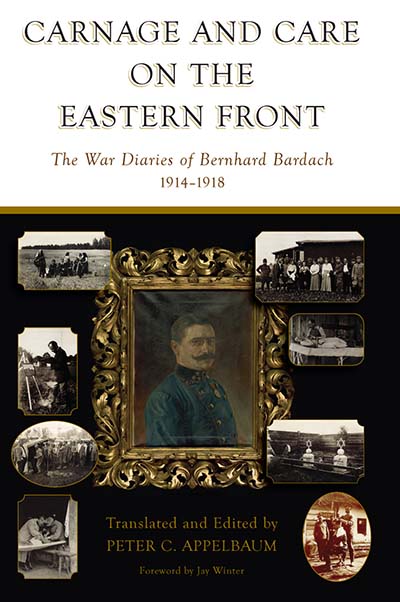
Care and Carnage on the Eastern Front documents the day-to-day life of a doctor serving on the Eastern Front between 1914-1918. Bardach’s meticulous records offer a personal glimpse into the critical first weeks of fighting as well as the ultimate collapse of the Austro-Hungarian Army.
Subjects: History: World War I Jewish Studies
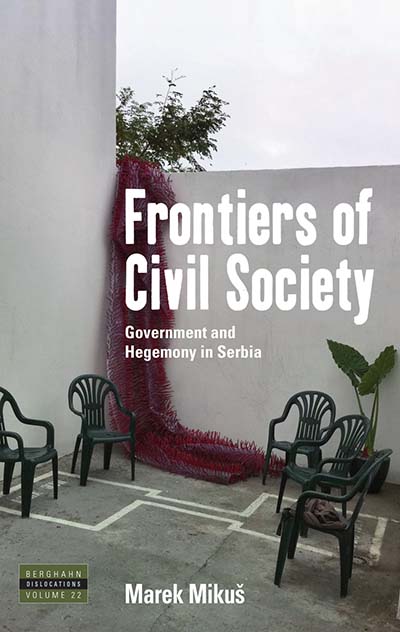
Frontiers of Civil Society is a historical anthropological analysis of the roles of ‘civil society’ in Serbia’s postsocialist and postauthoritarian transformation, focusing mainly on a set of interventions through which various civil society forces supported neoliberalization and transnational integration as part of a hegemonic project of social transformation after the rule of Slobodan Milošević.
Subjects: Anthropology (General) Political and Economic Anthropology History: 20th Century to Present
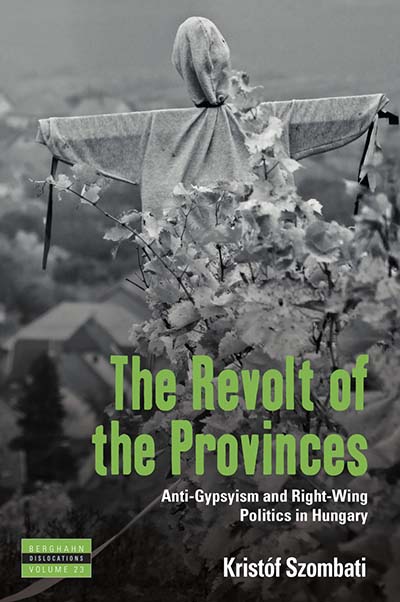
The first in-depth ethnographic monograph on the New Right in Central and Eastern Europe, The Revolt of the Provinces explores the making of right-wing hegemony in Hungary over the last decade, focusing on interaction between social antagonisms emerging on the local level and struggles waged within the political public sphere.
Subjects: Political and Economic Anthropology Sociology
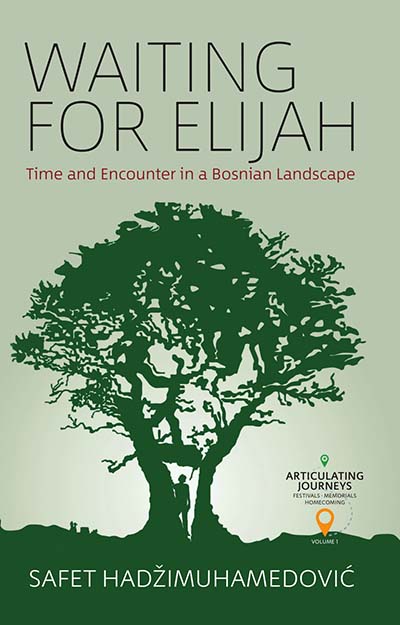
Waiting for Elijah is an intimate portrait of time-reckoning, syncretism and proximity in one of the world’s most polarized places, the Bosnian Field of Gacko. Based on long-term, multi-sited fieldwork, it examines the complexity of time situated between folk cosmology, political constructions of history and bodily experiences of a landscape in transition.
Subjects: Anthropology (General) Anthropology of Religion Refugee and Migration Studies
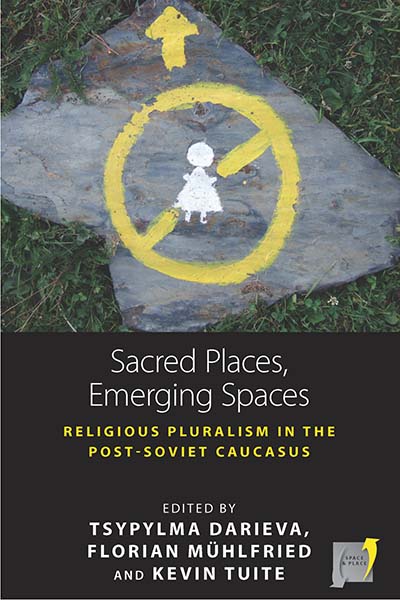
Though long-associated with violence, the Caucasus is a region rich with spirituality. Based on fresh ethnographies and studies of sacred sites in Georgia, Armenia, Azerbaijan and Russia, Sacred Places, Emerging Spaces discusses vanishing and emerging sacred places in the multi-ethnic and multi-religious post-Soviet Caucasus.
Subjects: Anthropology (General) Anthropology of Religion Sociology
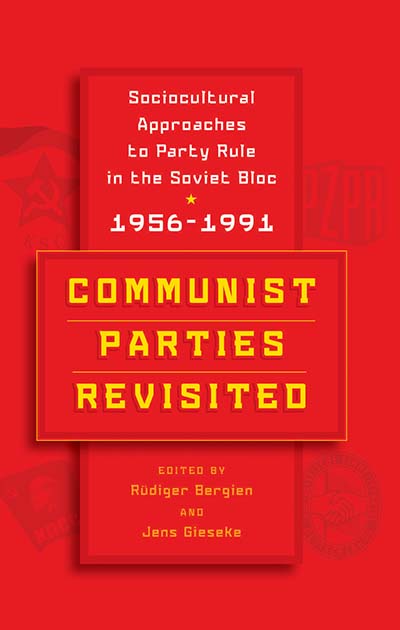
Drawing from perspectives from within the everyday life of basic organizations and the practices of the party apparatuses, Communist Parties Revisited sheds light on the inner workings the Eastern Bloc, and the effects of state socialist policy on a micro historical level.
Subject: History: 20th Century to Present
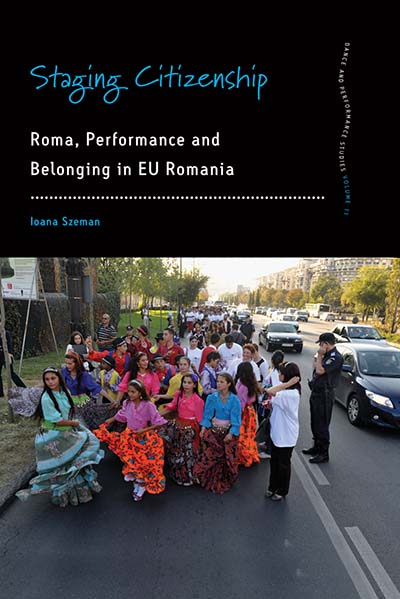
Staging Citizenship explores a wide range of Roma performances and representations—from live music and cultural performances to Gypsy soaps and reality TV shows, demonstrating how disenfranchised urban Roma claim cultural citizenship and belonging in music, dance, activism and everyday encounters.
Subjects: Anthropology (General) Performance Studies
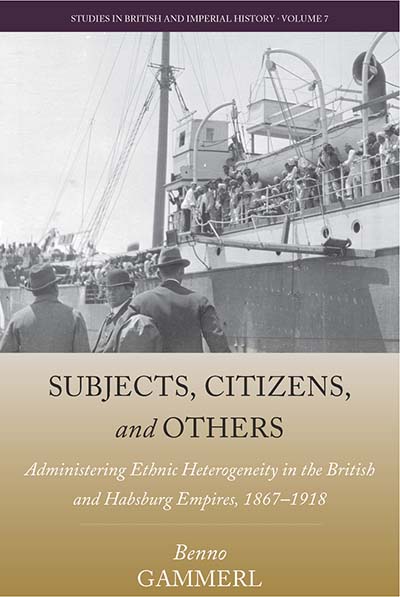
Exploring racism, migration, and citizenship, Subjects, Citizens and Others offers a pioneering analysis of how the British and the Austro-Hungarian Empire governed their ethnically diverse populations. Author Benno Gammerl rejects common assumptions about ethnic exclusivity in Eastern and Western Europe, analyzing the legal and political conditions that help to foster ethnic heterogeneity.
Subjects: History: 18th/19th Century Colonial History History: 20th Century to Present
This volume assembles detailed, empirically grounded studies of eleven former Soviet states and current EU members. Each chapter analyzes the political, economic, and social transformation processes that have taken place in a given nation, identifying structural similarities and assessing outcomes compared to one another as well as the rest of Europe.
Subjects: History: 20th Century to Present Political and Economic Anthropology
Arguably more than any other world regions, the area known as Eastern Europe has been defined by its location on the map. Rather than expound on borders and neighbors, Eastern Europe Unmapped raises questions about the meaning and relevance of the area’s non-contiguous, frequently global or extraterritorial, entanglements.
Subjects: History: 20th Century to Present Cultural Studies (General) Literary Studies

As Georgia seeks to reinvent itself in the post-Soviet period, Georgian women are maneuvering to adjust to the new economic, social and political order. Gender in Georgia brings together an international group of feminist scholars to explore the socio-political conditions that have shaped gender dynamics in Georgia from the late 19th century to the present.
Subjects: Gender Studies and Sexuality Anthropology (General) Cultural Studies (General)
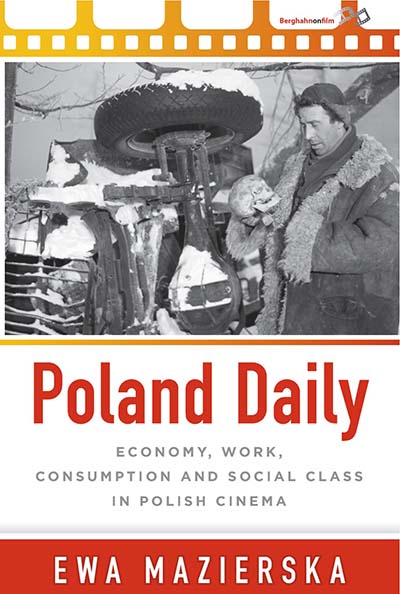
Polish cinema has inescapably been shaped by the nation’s succession of different economic and ideological regimes over the last century. This volume is the first to analyze the entirety of the nation’s film history—from independence in 1918 to today—through the lenses of political economy and social class.
Subjects: Film and Television Studies History: 20th Century to Present
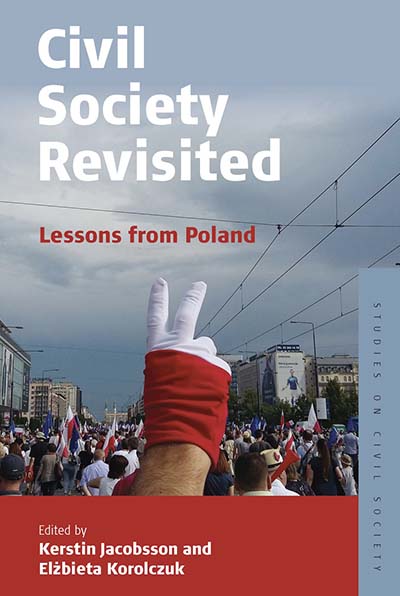
In contrast to a social scientific literature that characterizes Polish civil society as weak and passive, this volume focuses on forms of collective action that researchers too often ignore due to their theoretical and methodological blind spots. It constitutes a powerful critique of a model of civil society that is ‘made from above’ by elites, media, and public institutions.
Subjects: Sociology Political and Economic Anthropology
What might the “organic” mean in the context of film studies? This innovative volume locates one instance of organicity in the work of Béla Tarr, the renowned Hungarian filmmaker “slow cinema” pioneer. It analyzes Tarr’s long take and other signature techniques, establishes links between the seemingly remote spheres of film and architecture.
Subjects: Film and Television Studies Cultural Studies (General)
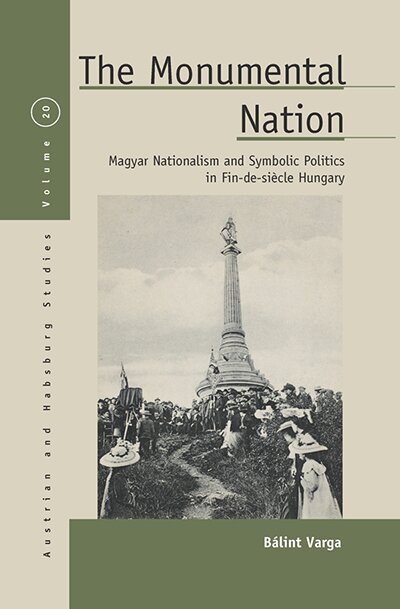
In a quixotic episode in nineteenth-century Hungary’s attempts to spread nationalist sentiments, monuments were erected near small towns commemorating the medieval conquest of the Carpathian Basin—the supposed origin of the Hungarian nation. This study recounts the troubled history of this plan, which provoked resistance and even hostility among provincial Hungarians.
Subject: History: 18th/19th Century
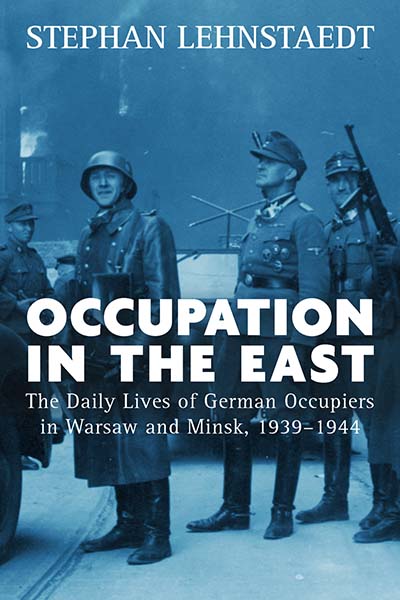
Following their occupation by the Third Reich, Warsaw and Minsk became home to tens of thousands of Germans. This study provides a nuanced portrait of their lives, as they acclimated to the daily routines of life in the East while helping to lay the groundwork for systematic mass murder.
Subject: History: World War II
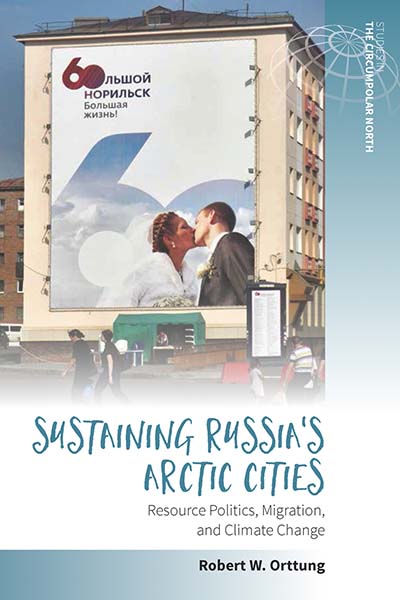
Urban areas in Arctic Russia are experiencing unprecedented social and ecological change. This collection outlines the key challenges that city managers will face in navigating this shifting political, economic, social, and environmental terrain.
Subjects: Urban Studies Political and Economic Anthropology Refugee and Migration Studies Sustainable Development Goals
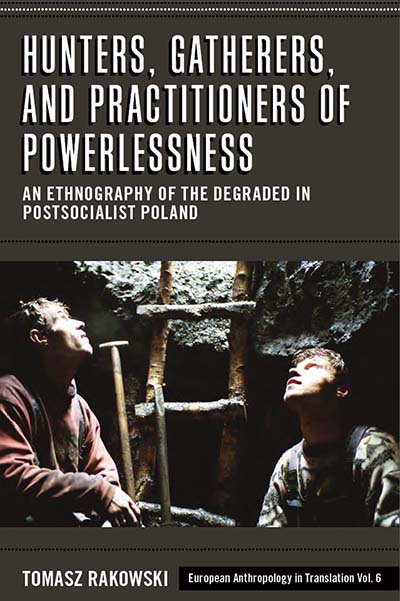
Practitioners of Powerlessness gives a dramatic account of life after the socio-economic transformations of the 1990s in Poland, which left many people impoverished and unemployed.
Subject: Anthropology (General)
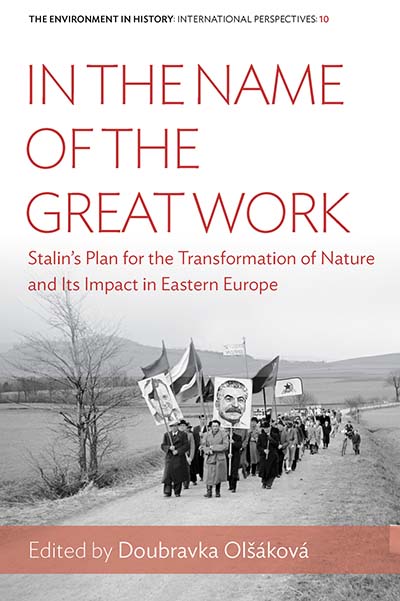
Following Stalin’s lead, the newly communist states of Eastern Europe pursued a total “transformation of nature” in the 1940s and 1950s intended to improve agricultural outputs. This richly detailed volume follows the history of such projects in Poland, Hungary, and Czechoslovakia, exploring their varied, but largely disastrous, consequences.
Subjects: History: 20th Century to Present Environmental Studies (General)
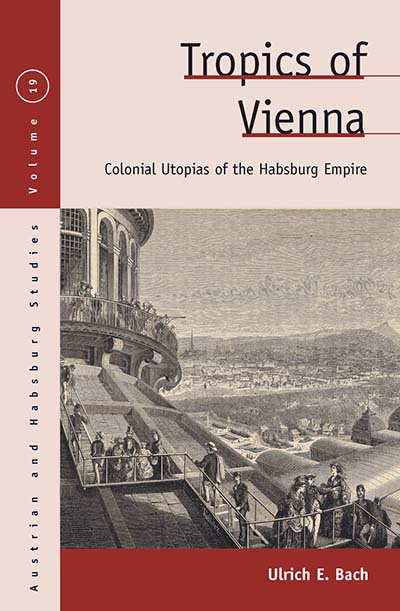
Though not a conventional colonial power, the Austrian Empire had a metropole-periphery structure that shaped its cultural and intellectual life. This book illuminates colonial utopian writing in the work of Roth, Herzl, and others, revealing a shared longing for alternative social and spatial configurations.
Subjects: Cultural Studies (General) History: 18th/19th Century History: 20th Century to Present
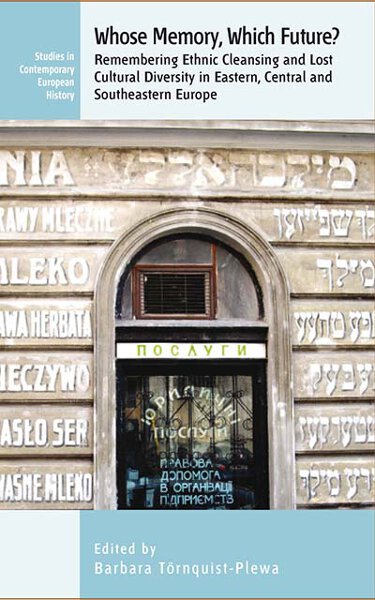
Scholars have devoted considerable energy to understanding ethnic cleansing in Europe, yet much less attention has been given to how these incidents persist in collective memory today. This volume brings together case studies exploring how modern inhabitants “remember” instances of ethnic cleansing, and how they understand the heritage of groups that vanished in their wake.
Subjects: History: 20th Century to Present Genocide History Memory Studies
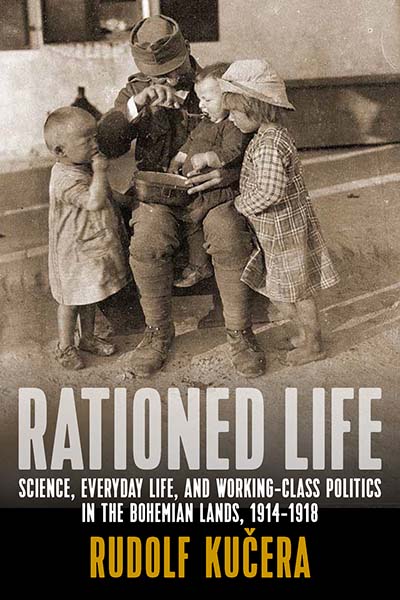
Hundreds of thousands of workers toiled in Bohemian factories over the course of World War I, and their lives were inescapably shaped by the conflict. This study reconstructs their collective experience through explorations of food, labor, gender, and protest to assemble a fascinating case study in twentieth century social history.
Subjects: History: World War I Sociology
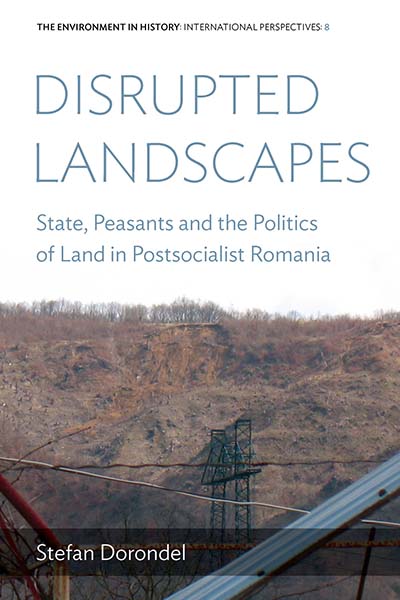
The fall of the Soviet Union led not only to new regimes of ownership and development but to dramatic changes in the landscape itself. This study focuses on the emblematic case of postsocialist Romania, in which the transition from collectivization to privatization profoundly reshaped the nation’s forests, farmlands, and rivers.
Subjects: Environmental Studies (General) History: 20th Century to Present
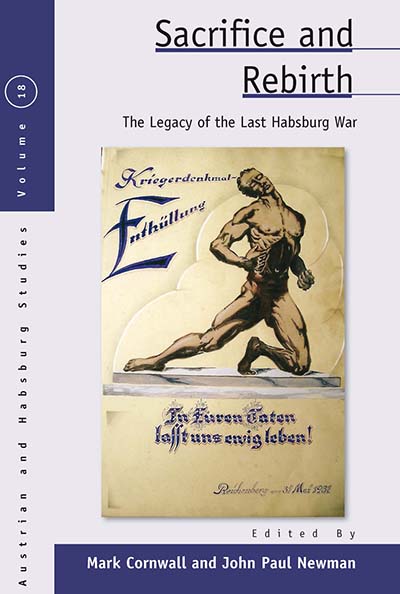
When Austria-Hungary broke up at the end of the First World War, six “successor states” tried to make sense of the last Habsburg war while preparing for life in a new Europe. This book is the first of its kind to analyze how the Great War was interpreted, commemorated, or forgotten across all the ex-Habsburg territories.
Subject: History: 20th Century to Present
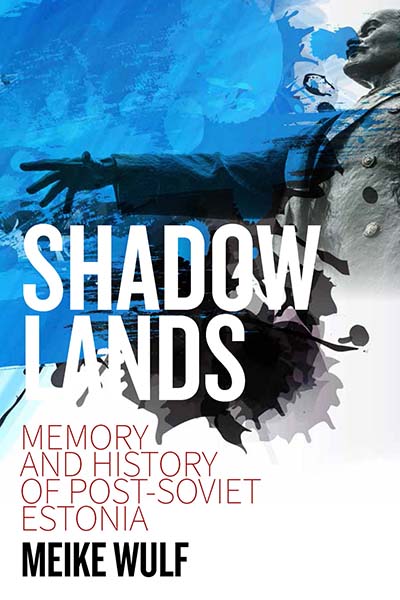
The Baltic state of Estonia has been profoundly shaped by the conflicts and shifting political fortunes of the last century. This innovative study traces the interaction of historical memory and national identity in a sweeping analysis that foregrounds the country’s intellectuals, who until recently could not openly grapple with their nation’s complex, difficult past.
Subjects: History: 20th Century to Present Memory Studies
The end of the Cold War has enabled Russia to take part in the global rise and crystallization of postmodernism. This volume investigates the manifestations of this crucial trend in Russian fiction, poetry, art, and spirituality, demonstrating how Russian postmodernism is its own unique entity.
Subjects: Cultural Studies (General) Literary Studies
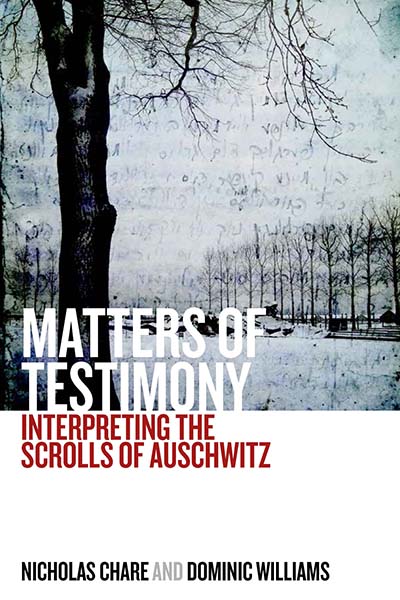
In 1944, a number of Sonderkommando—“special squads” of Jewish prisoners who kept the gas chambers running smoothly—buried on the grounds of Auschwitz a series of remarkable eyewitness accounts. This study reconstructs their history and textual content, revealing literary works that raise troubling questions about the nature of testimony.
Subjects: Genocide History History: World War II Jewish Studies
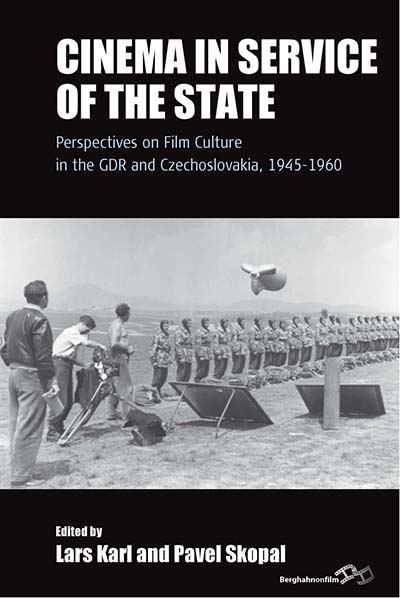
Despite being two key sites for filmmaking in the Soviet bloc, the national cinemas of Czechoslovakia and East Germany have received comparatively little attention from scholars. This volume comprehensively explores these film cultures using a “stereoscopic” approach that traces their similarities and divergences to form a multifaceted, richly contextualized portrait.
Subjects: Film and Television Studies History: 20th Century to Present
In studies of a common European past, there is a significant lack of scholarship on the former Eastern Bloc countries. This volume offers a reflection on memory in an Eastern European historical context, one that can be measured against and applied to historical experience in other parts of Europe.
Subjects: History (General) Sociology Memory Studies
From 1919 to 1989, the German-Polish borderland, one of Central Europe’s important industrial regions, was at the center of a conflict between Germany and Poland. In their interaction with — and mutual influence on — one another, both nations developed a transnational culture, giving the borderland a “Polish” / “German” face.
Subjects: History: 20th Century to Present Cultural Studies (General)
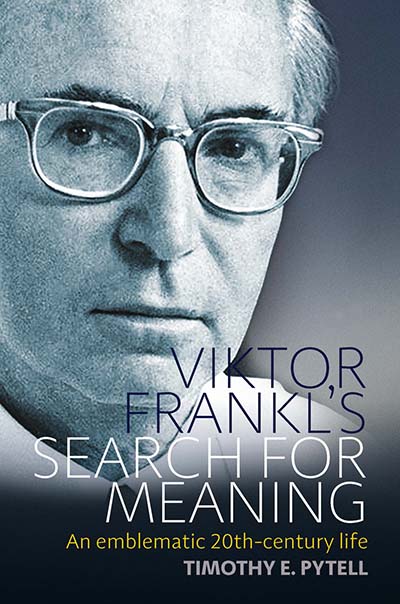
Viktor Frankl was a psychiatrist and philosopher who survived the Holocaust and went on to found the third school of Viennese psychotherapy. By critically examining the details of his intellectual life, including some previously unknown biographical details, we can begin to see the fascinating ambiguities and contradictions in Frankl’s thought.
Subject: History: 20th Century to Present
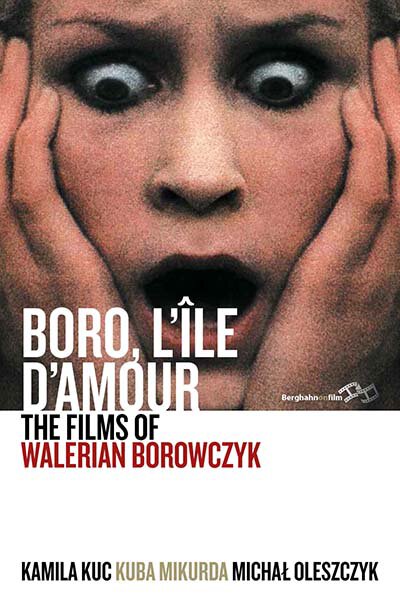
There has been a revival of interest in the work of Polish film director Walerian Borowczyk, a label-defying auteur and “escape artist” if there ever was one. This volume, markedly experimental in character, allows scholars to gain insight into previously unnoticed aspects of Borowczyk’s complex and ambiguous oeuvre.
Subject: Film and Television Studies
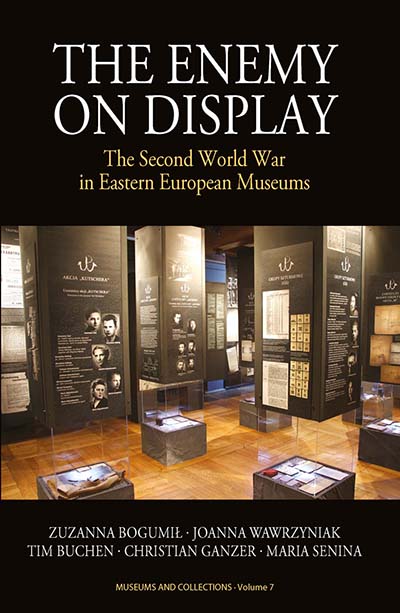
Eastern European museums represent the traumatic events of World War II, such as the Siege of Leningrad, the Warsaw Uprisings, and the bombardment of Dresden, in ways that cast the enemy in a specific light. This image results from the interweaving of historical representations, cultural stereotypes and beliefs, political discourses, and the dynamics of exhibition narratives. This book presents a useful methodology for examining museum images and provides a critical analysis of the role historical museums play in the contemporary world. As the catastrophes of World War II still exert an enormous influence over the national identities of Russians, Poles, and Germans, museum exhibits can play an important role in this process.
Subjects: Museum Studies History: World War II Memory Studies
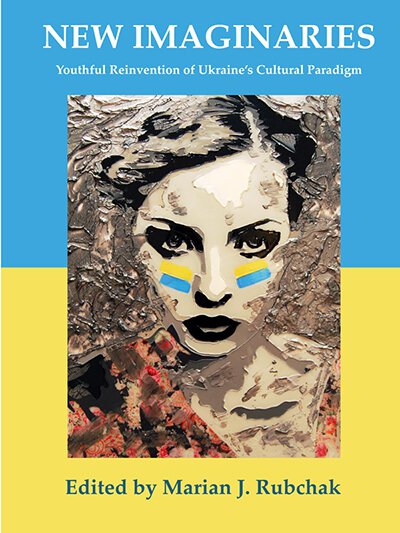
Contributors to this volume infuse their work with Western elements, although vestiges of Soviet-style ideas, research methodology and writing linger. This, as a result, is a paradigm articulating “New Imaginaries” — neither Soviet nor Western — offering a fresh portrait of Ukrainian society seen through a new generation of feminist scholars.
Subjects: Sociology Gender Studies and Sexuality Cultural Studies (General)
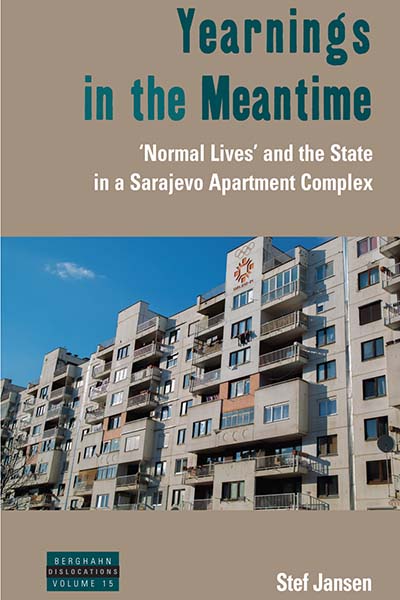
An ethnographic account, this book looks into a Sarajevo apartment building as its inhabitants yearn for “normal lives,” over a decade after the war and the disintegration of Socialist Yugoslavia. Starting from everyday concerns, it freshly explores how the time and place in which we are caught shape our hopes and fears.
Subjects: Anthropology (General) Urban Studies Political and Economic Anthropology
This volume’s six comparative investigations of postsocialist communities illuminate the universal significance of Aristotle’s vision of the oikos, an economy based on the order of the house. These postsocialist configurations show that economies depend on macro institutions of markets and states, and also on the micro institutions of families, communities, and house economies.
Subject: Anthropology (General)
Common sense suggests that rituals drain economic wealth and that rational actions are antithetical to rituals. These six ethnographies offer a different vision. Comparative, historical, and contemporary, the studies stretch from Macedonia to Kyrgyzstan, each one illuminating the changes in an area as it emerged from socialism and (re-)entered market society.
Subjects: Anthropology (General) Political and Economic Anthropology
Between 1935 and 1940, the Nazis incorporated large portions of Europe into the German Reich. The contributors to this volume analyze the evolving anti-Jewish policies in the annexed territories and their impact on the Jewish population, as well as the attitudes and actions of non-Jews, Germans, and indigenous populations.
Subjects: History: World War II Genocide History
“This book opens up important issues not dealt with extensively in the historiography so far. Unlike with some other post-Communist countries, and Poland in particular, there hasn't been that much interest in the topic of commemoration and historicisation of the Holocaust in post-Communist Czechoslovakia…The author should be praised for the critical distance with which he approaches the historical cultures in both parts of former Czechoslovakia and its actors.” · Michal Frankl, Jewish Museum in Prague
Subjects: Genocide History History: World War II Jewish Studies
“This is an excellent book. The combination of theory and context works well…The prose is sharp and the author has set up the problem in a logical way that is easy to follow. It also benefits from an interdisciplinary approach. Her grasp of detail is superior to many theorists…It reads very fluently, the author is clearly a gifted prose writer. The thread of argument runs through the book in a compelling way…The conclusion is full of intriguing ties to other case studies and the author summarizes her argument well.” · Cathie Carmichael, University of East Anglia
Subjects: Genocide History History: 20th Century to Present
The essays in this collection offer a nuanced analysis of the multifaceted cultural experience of Central Europe under the late Habsburg monarchy and beyond. The authors examine how culturally coded social spaces can be described and understood historically without adopting categories formerly employed to justify the definition and separation of groups into nations, ethnicities, or homogeneous cultures. As we consider the issues of multiculturalism today, this volume offers new approaches to understanding multiculturalism in Central Europe freed of the effects of politically exploited concepts of social spaces.
Subjects: History: 18th/19th Century History: 20th Century to Present
Subject: Film and Television Studies
Subjects: History (General) History: 20th Century to Present Sociology
Subjects: History: 20th Century to Present Cultural Studies (General)
Subjects: History: 20th Century to Present Cultural Studies (General)
This compelling and intimate description of places of pain and (be)longing that were lost during the 1992–95 war in Bosnia and Herzegovina, as well as of survivors’ places of resettlement in Australia, Europe and North America, serves as a powerful illustration of the complex interplay between place, memory and identity.
Subjects: Refugee and Migration Studies Anthropology (General) Peace and Conflict Studies Memory Studies
Subjects: Cultural Studies (General) History (General) Literary Studies

Subjects: History: World War II History: 20th Century to Present
Subject: Development Studies
Subjects: Genocide History History: 20th Century to Present
Subjects: Jewish Studies History (General)
Subjects: History: 20th Century to Present Cultural Studies (General) Sociology
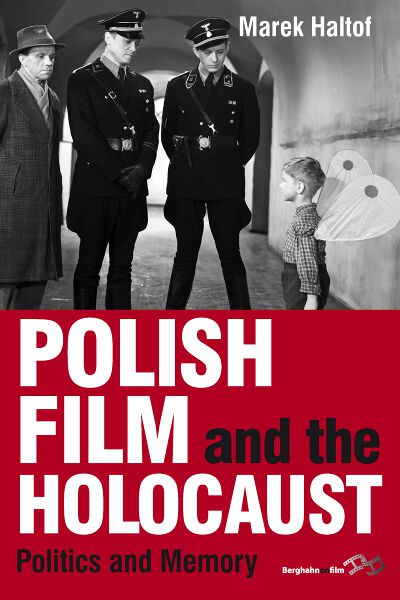
Subjects: Film and Television Studies Genocide History
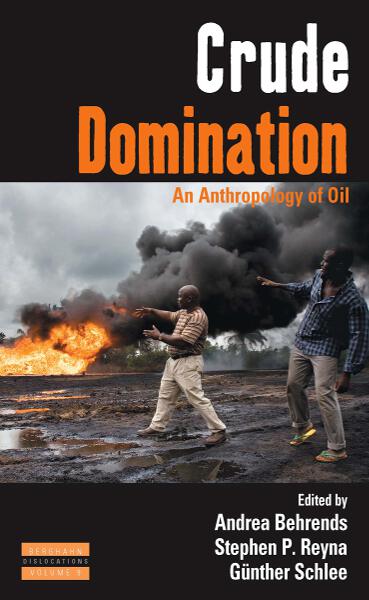
Subjects: Peace and Conflict Studies Anthropology (General)
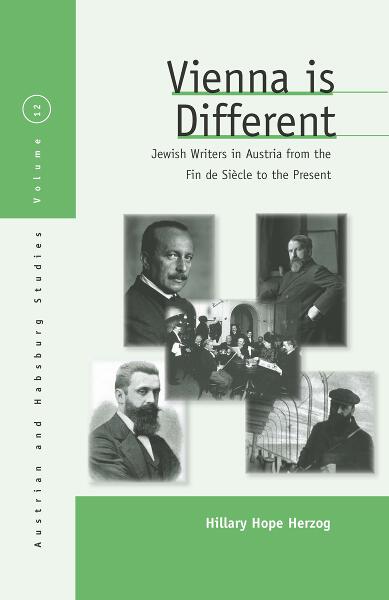
Subjects: Jewish Studies History: 20th Century to Present Literary Studies
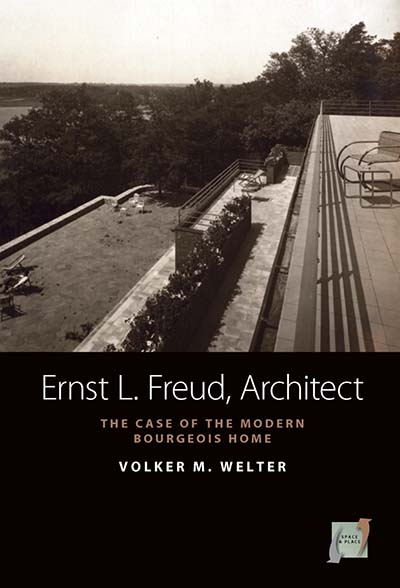
Subjects: Urban Studies Cultural Studies (General) History (General)
Subjects: Anthropology of Religion Anthropology (General)
Subject: Film and Television Studies
Subjects: Gender Studies and Sexuality Sociology
Subject: History: World War II
Subjects: History: 20th Century to Present Memory Studies
Subject: Film and Television Studies
Subjects: Urban Studies Cultural Studies (General)
Subject: Film and Television Studies
Subjects: History: World War II Genocide History Jewish Studies
Subject: Anthropology (General)
Subjects: History: World War II Genocide History Memory Studies Transport Studies
Subject: Political and Economic Anthropology
Subjects: History (General) Literary Studies
Subject: Political and Economic Anthropology
Subject: History: 20th Century to Present
Subjects: History (General) History: 20th Century to Present
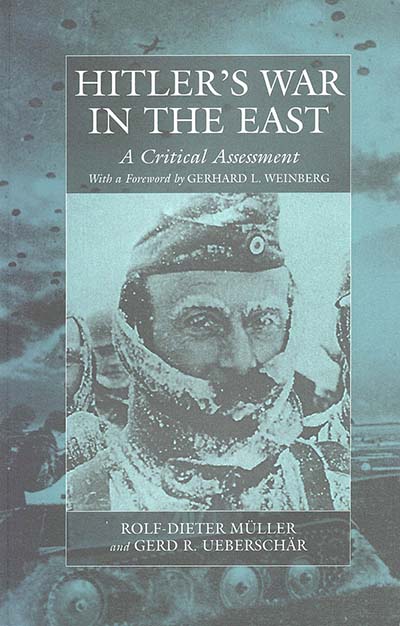
Subject: History: World War II
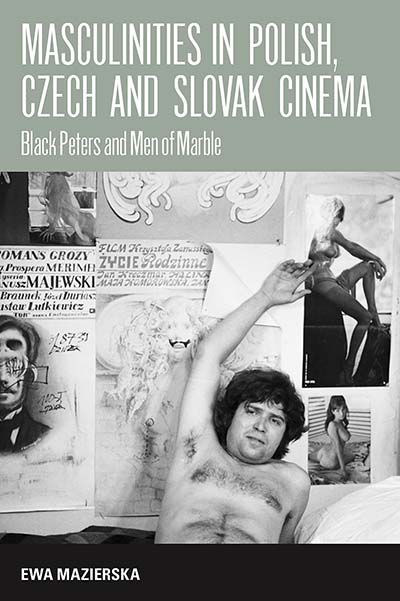
Subjects: Film and Television Studies Gender Studies and Sexuality
Subject: Refugee and Migration Studies
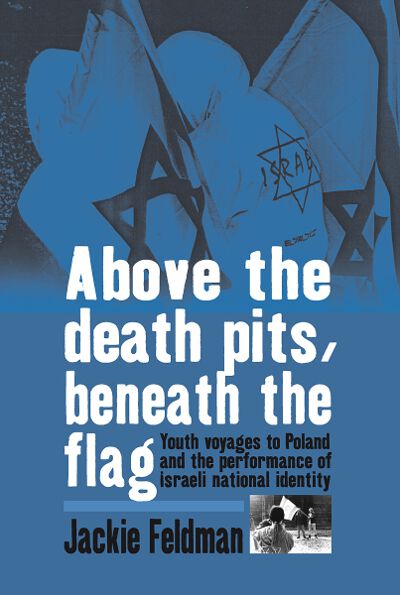
Subjects: Anthropology (General) Jewish Studies Memory Studies Travel and Tourism
Subject: Medical Anthropology
Subjects: History: 20th Century to Present Gender Studies and Sexuality Cultural Studies (General)

Subjects: Refugee and Migration Studies Gender Studies and Sexuality Mobility Studies History: 20th Century to Present
Subjects: History: 18th/19th Century History: 20th Century to Present Cultural Studies (General)
Subjects: Refugee and Migration Studies Anthropology (General)
Subjects: Jewish Studies History: World War II Literary Studies
Subject: Anthropology (General)
Subjects: History (General) Political and Economic Anthropology
Subjects: Jewish Studies History: 18th/19th Century Media Studies
Subject: Film and Television Studies
Subjects: History: World War II Genocide History
Subjects: Political and Economic Anthropology Refugee and Migration Studies Sociology
Subjects: Environmental Studies (General) History: 20th Century to Present Sustainable Development Goals
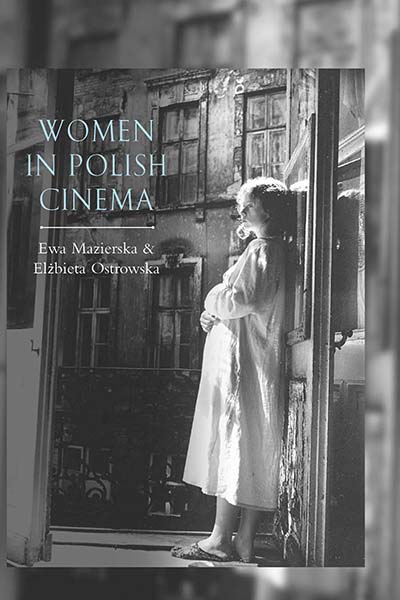
Subjects: Film and Television Studies Gender Studies and Sexuality
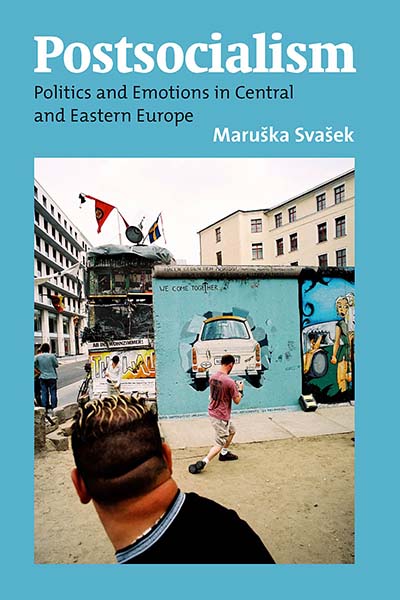
Subjects: Anthropology (General) Cultural Studies (General)
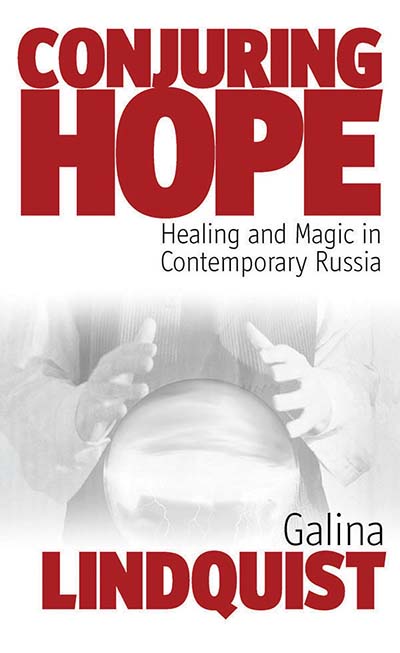
Subjects: Medical Anthropology Anthropology of Religion
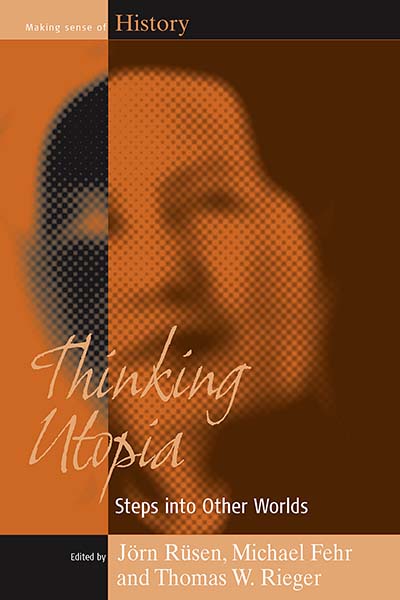
Subjects: History: 20th Century to Present Cultural Studies (General)
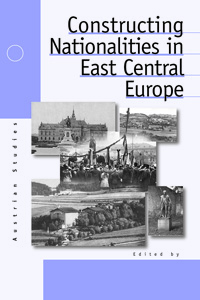
Subjects: History: 18th/19th Century History: 20th Century to Present
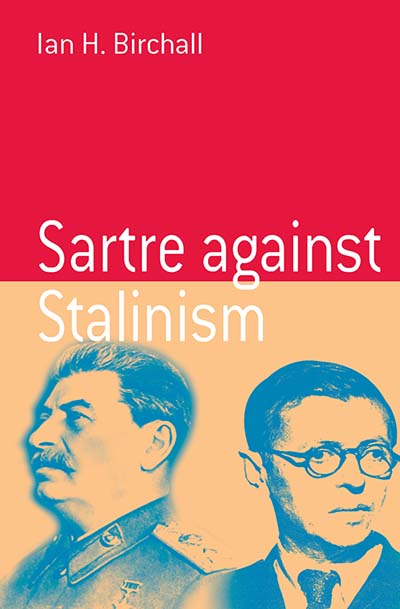
Subjects: History: 20th Century to Present Cultural Studies (General)
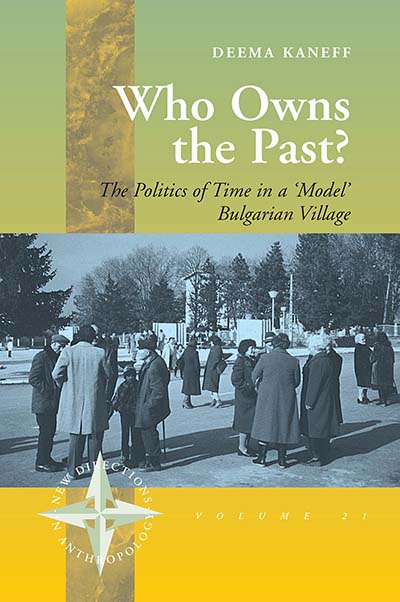
Subjects: Anthropology (General) Sociology Political and Economic Anthropology
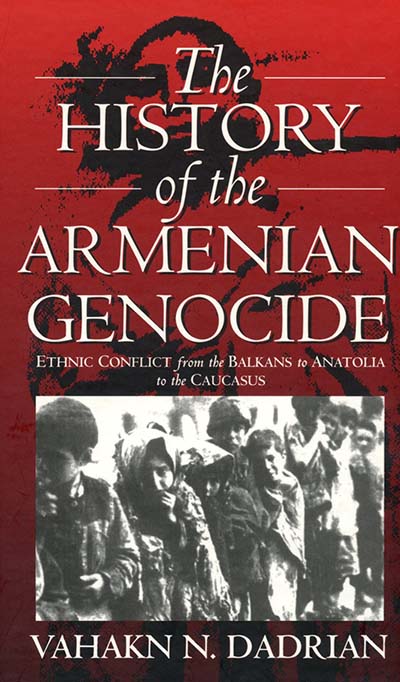
Subject: Genocide History
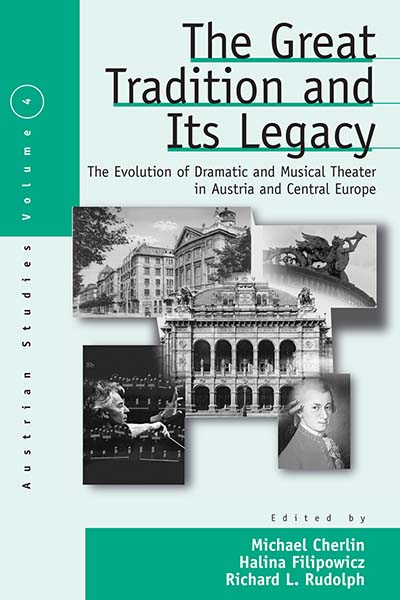
Subjects: History: 18th/19th Century Performance Studies Literary Studies
Subject: History: 18th/19th Century
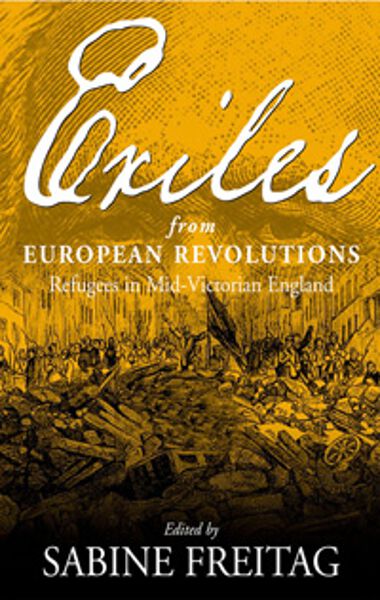
Subjects: History: 18th/19th Century Refugee and Migration Studies
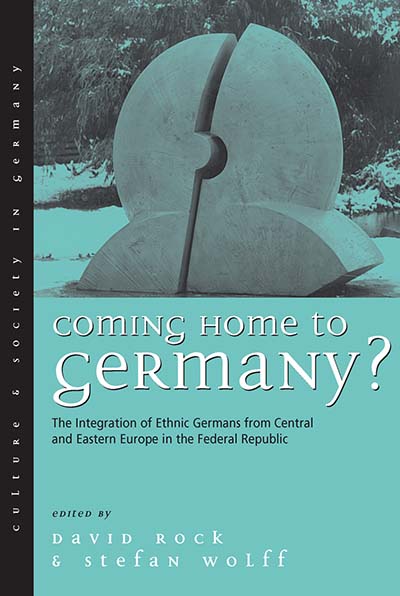
Subjects: Refugee and Migration Studies History: 20th Century to Present
Subjects: Jewish Studies Genocide History
Subjects: Jewish Studies History: 20th Century to Present Memory Studies
Subject: History: 20th Century to Present
Subjects: Theory and Methodology Cultural Studies (General)
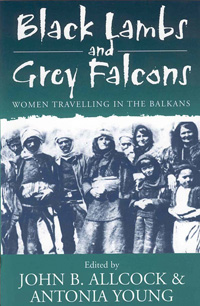
Subjects: Travel and Tourism Gender Studies and Sexuality
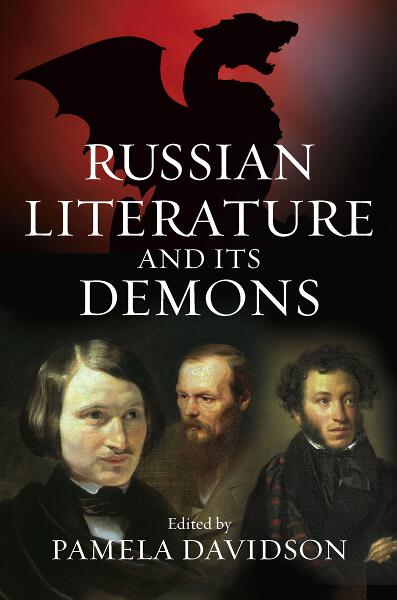
Subject: Literary Studies
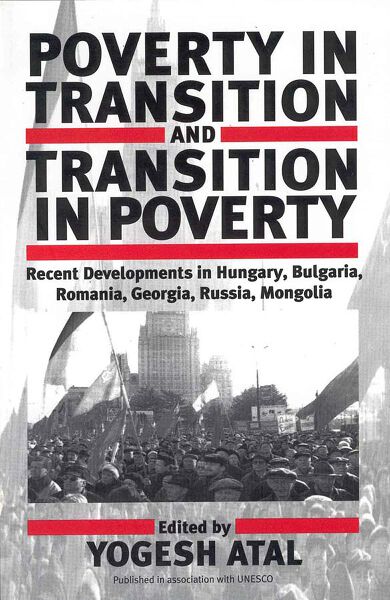
Subjects: Development Studies Sociology
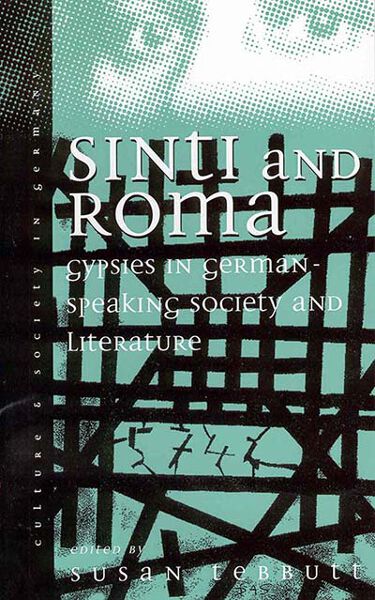
Subjects: Cultural Studies (General) Sociology Literary Studies
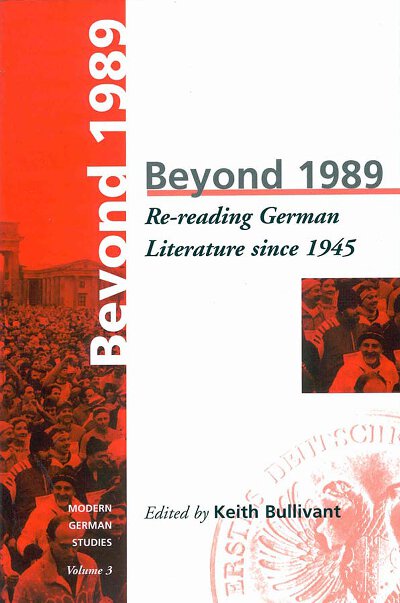
Subjects: History: 20th Century to Present Literary Studies
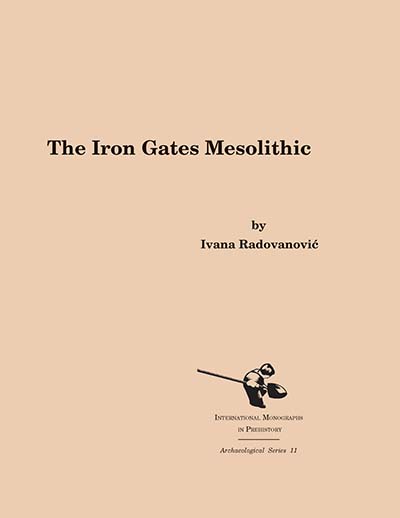
The Mesolithic sites in the Iron Gates Gorge of the Danube River, between Yugoslavia and Romania are reviewed in this volume. The author offers fundamental re-analyses and interpretations of stratigraphies, relative and absolute chronologies, architecture and settlement organization, the placement and styles of altars and sculptural elements, the chipped and polished stone industries, the bone and antler artifacts, the mortuary practices, ecology, and social organization of this remarkable archaeological culture.
Subject: Archaeology
Subjects: Gender Studies and Sexuality History (General)
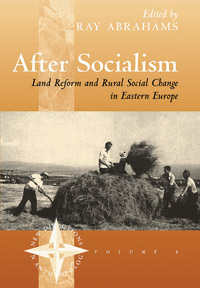
Subjects: History (General) Political and Economic Anthropology Development Studies