




Browse
by Paperbacks
By Area: Germany
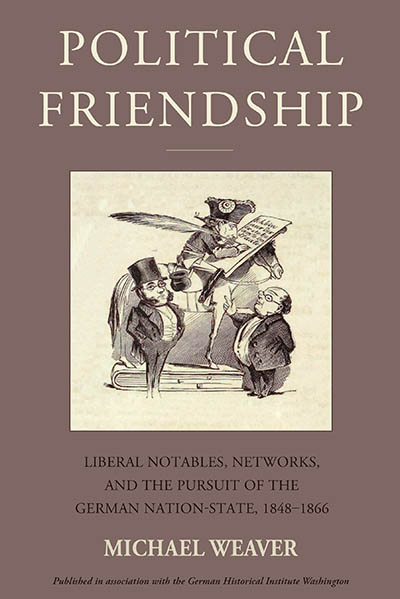
Political Friendship demonstrates the central role of the German liberal elite’s interpersonal relationships in the uncertain path to unification and 19th century Germany political culture.
Subject: History: 18th/19th Century
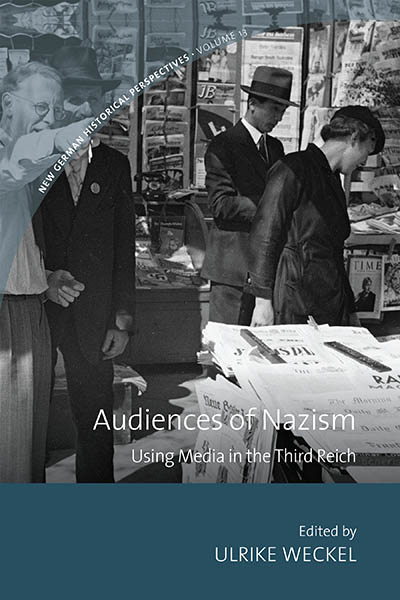
Innovating against the considerable gap in research surrounding historical media reception within Nazi Germany, Audiences of Nazism finds sources of actual audience responses to critically engage with the Third Reich’s media production legacy.
Subjects: History: World War II Media Studies
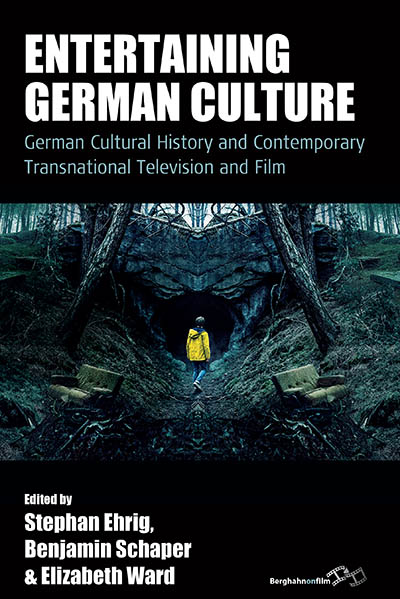
In an increasingly transnational production of film and television, Entertaining German Culture explores and contextually thematizes a radical shift in the past fifteen years towards a profound appreciation of German cultural and intellectual history in the international mainstream.
Subjects: Film and Television Studies Media Studies History (General)
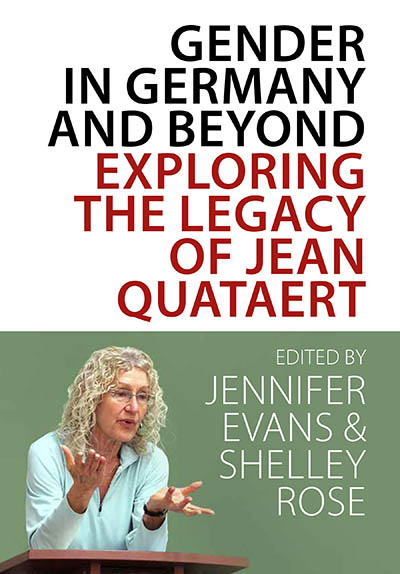
Jean Quataert’s former students, colleagues, and collaborators come together in Gender in Germany and Beyond to not only celebrate Quataert’s shaping of the field of modern German, Women’s and transnational history, but also to expand on that scholarship, setting a precedent for the future of the field.
Subjects: History (General) Gender Studies and Sexuality
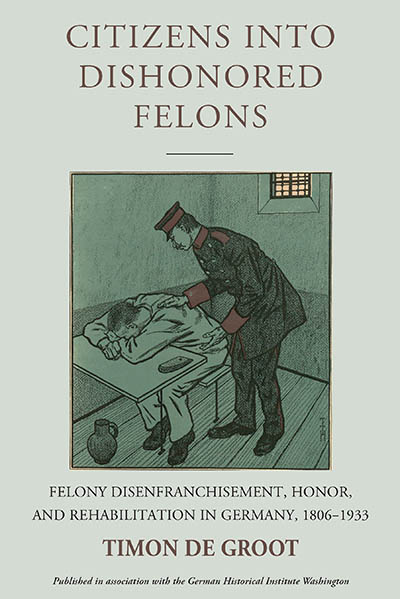
Throughout the long nineteenth century felony disenfranchisement affected the moral fabric of German society and coincided with a history of honor in German legal thought. Citizens into Dishonored Felons uses uncommonly extensive archival materials to address the emotional and symbolic impact of punishment as both an enforcement of societal hierarchies and a platform for reform.
Subjects: History: 18th/19th Century History: 20th Century to Present
Former Neighbors, Future Allies is a key bridge into the research and perspectives needed to nurture ethnography’s growing role in German studies. This volume creates a space for dialogue between North American Germanists and ethnographers in and of the German-speaking world, enriching both fields in the process.
Subjects: History (General) Anthropology (General)
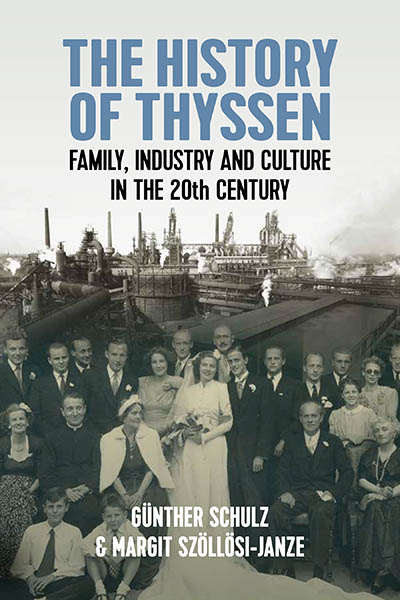
The History of Thyssenprovides a summary of a research project funded by the Thyssen Foundations. It is both an explanation of how the project was conceptualized and executed and a detailed case study of a family and business during the late-nineteenth and twentieth centuries.
Subjects: History: 20th Century to Present History: 18th/19th Century
Informing current debate about the future of the humanities, this volume focuses discussions on the Bildung’s original German context using a multi-disciplinary perspective root out the interesting ways that Bildung continues to shape our understanding of self-formation.
Subjects: History (General) Educational Studies
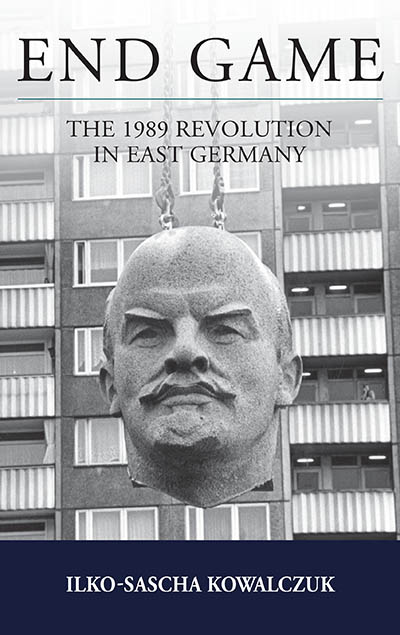
Focusing on major shifts in East Germany leading to the fall of the Berlin Wall, End Game accounts for everyday life from the autumn of 1989 to the first free elections in March of 1990. With an understanding of the events of 1989 as a citizens’ movement as a whole, the volume contextualizes the societal reactions to a nation’s large scale political changes.
Subject: History: 20th Century to Present
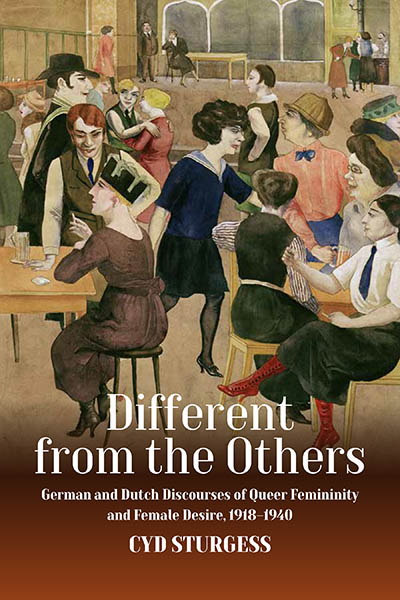
Presenting for the first time a comparative and socio-cultural history of queer femininities in Germany and the Netherlands for an English-speaking audience, Different from the Others highlights this submerged history and engages queer authors and activists from the Netherlands to challenge and redress conceptualizations of queer femininity in the interwar period.
Subjects: Gender Studies and Sexuality History: World War I History: 20th Century to Present
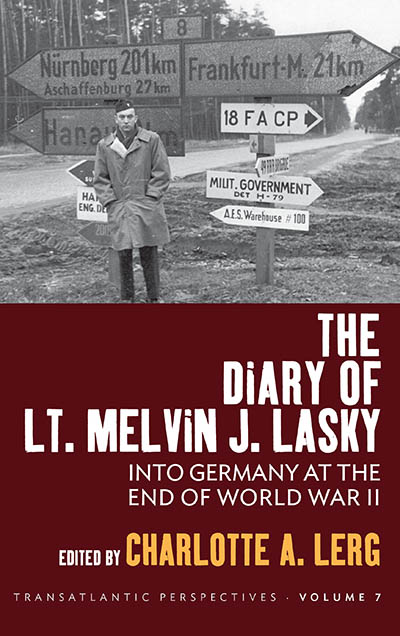
The Diary of Lt. Melvin J. Lasky reproduces and critically examines Melvin J. Lasky’s diary, which expounds intense and insightful notes on German realities following the aftermath of World War Two and the ideological conflicts between the East and West.
Subjects: History: World War II History: 20th Century to Present Literary Studies
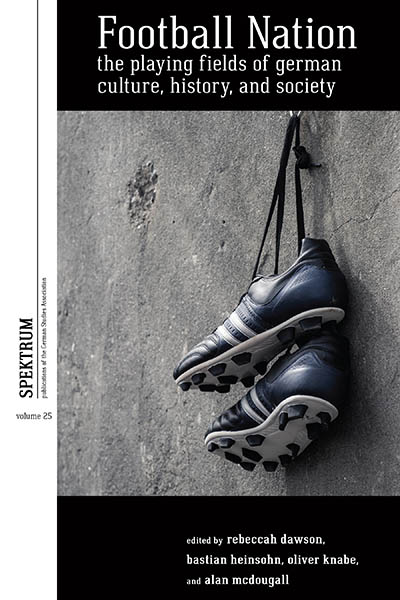
Germany’s football culture has a historically rich background full of transnational entanglements, German identity formation, and fan cultures. Football Nation constructs new insights surrounding the multifaceted landscapes of German historical and contemporary football debates as it investigates football’s role in discourses on culture, history, and politics.
Subjects: History: 20th Century to Present Cultural Studies (General)
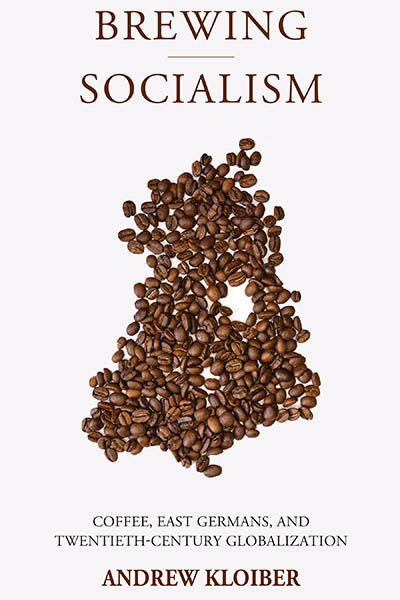
Taking an uncommonly focused lens against the deep and active role coffee had in connecting East Germans to a global market, Brewing Socialism uncovers the significance of East German efforts to democratize coffee and how that focus on material cultural informed the everyday life of the Social Unity Party’s conceptualization of a modern social utopia.
Subjects: History: 20th Century to Present Cultural Studies (General)
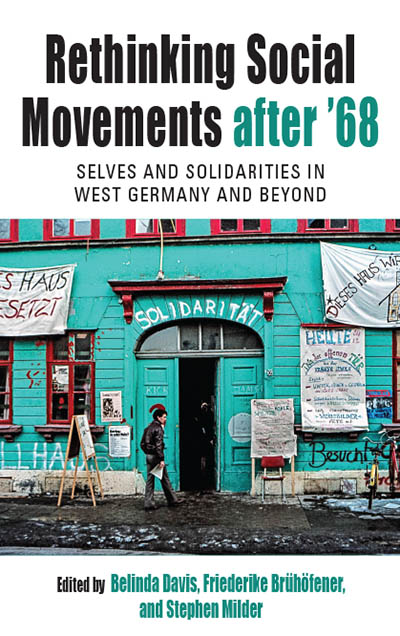
With a focus on West Germany and Europe, Social Movements after ’68 bridges the 1970s and 1980s as a vital period of European political development and social change. Looking past the known ruptures and changes in the history of European social movements, this volume brings together interconnected social movements including environmental, women’s and gay rights movements.
Subjects: History: 20th Century to Present Cultural Studies (General)
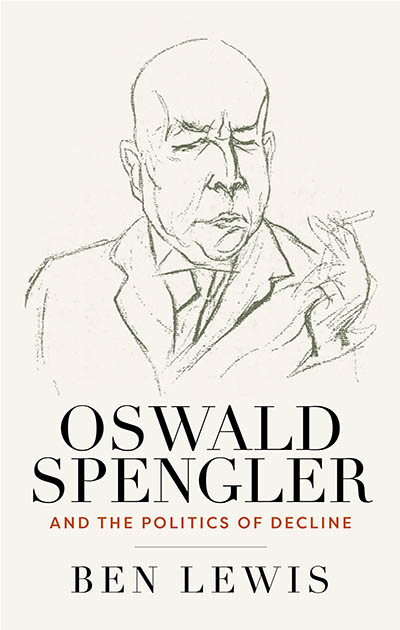
Re-evaluating the evolution Oswald Spengler’s political activities and his work, Oswald Spengler and the Politics of Decline explains the outcome of Spengler’s meta-historical considerations on world history and the practical demands of Realpolitik. This volume takes a novel approach to one of the most important thinkers of the Weimar Republic and his contributions to the complex discourse of German national renewal.
Subject: History: 20th Century to Present
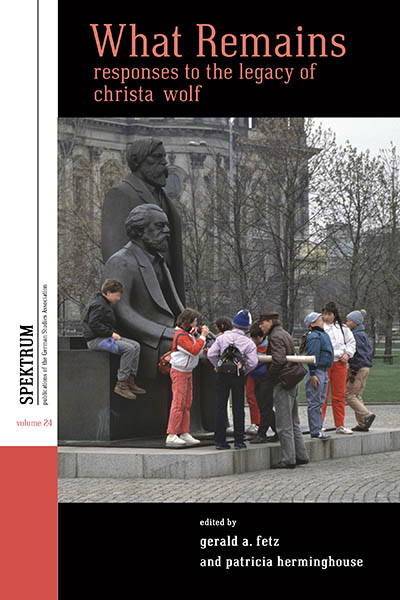
In response to the legacy of Christa Wolf, What Remains addresses arguably the most important German writer in the period of since World War II until her death in 2011. Scholars across the U.S. and Europe address both the importance of her role in contributing to the cultural life of East Germany and the controversies surrounding her life and works in the aftermath of the collapse of East Germany and the process of German unification.
Subjects: History: 20th Century to Present Literary Studies
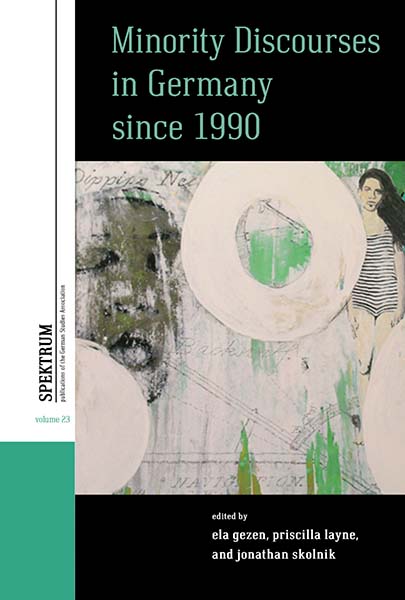
Minorities and Minority Discourse in Germany since 1990 opens the question of why ethnic minorities in Germany are often discussed in isolation. Whereas most studies examine Black Germans, Jews in Germany, or Turkish Germans on their own terms vis-à-vis the majority German society, this volume takes on unique and comparative perspectives on an increasingly complex German society.
Subjects: History: 20th Century to Present Refugee and Migration Studies
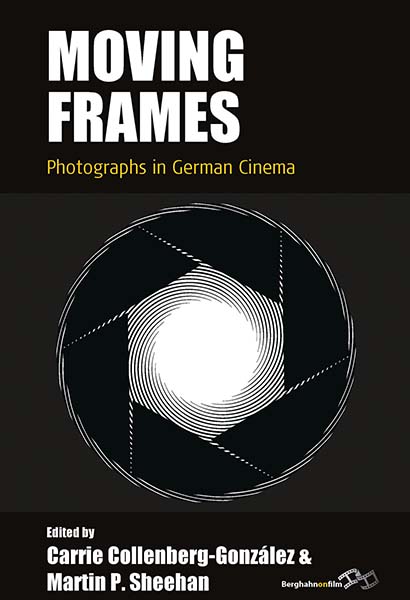
Through an intermedial approach combining studies on cinema and photography, Moving Frames addresses precise historical moments uniquely in a German context. Across films both in and outside the canon, this volume tackles those specific historical moments experienced in media forms to gauge the cultural, political, and transnational trends in humanity’s desire for agency and how that agency is represented.
Subjects: Film and Television Studies Cultural Studies (General) History: 20th Century to Present
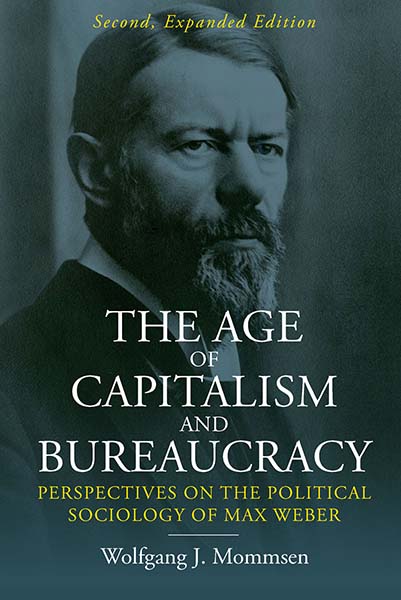
In this new edition of Wolfgang Mommsen’s illuminating study, Max Weber is presented in terms of the major questions that preoccupied him as one of the towering social scientists of his time, with insights that are persistently relevant as we deal with the structures and dynamics of modern industrial societies.
Subjects: Sociology History: 20th Century to Present
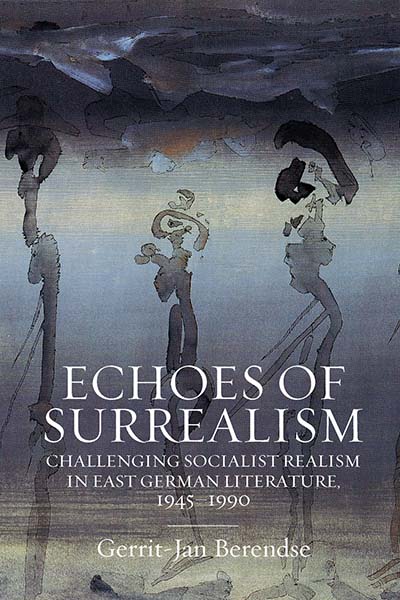
Echoes of Surrealism surveys areas of surrealist art throughout the entire lifespan of the GDR and explores analyses of the interaction and reciprocal influences of various art forms. Focusing on individual authors, visual artists, film directors and musicians who have taken a surrealist perspective in their work, this study reveals how the surrealist perspective offered an alternative to the rigid government cultural policies by questioning and confronting the status quo.
Subjects: Literary Studies History: 20th Century to Present
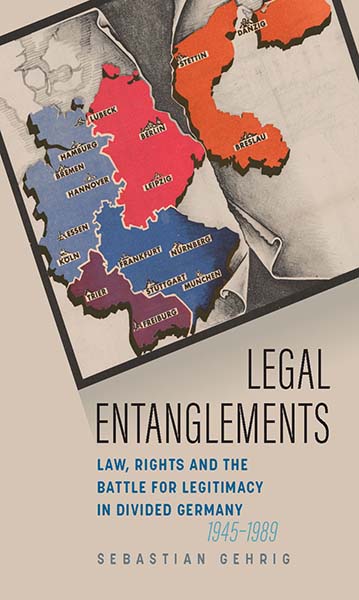
Drawing on wide-ranging archival research and recently declassified documents, Legal Entanglements follows the politicians, intellectuals, and other historical actors on both sides of the Berlin Wall who helped their nation to navigate volatile and uncertain legal circumstances.
Subject: History: 20th Century to Present
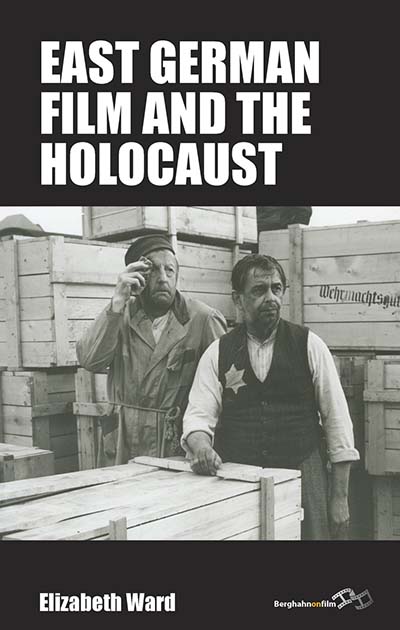
By combining close analyses of five films made between 1947 and 1988 with extensive archival research, this book unravels the complex status of films dealing with Jewish persecution produced in a country that consistently privileged narratives of political persecution above racial victimhood.
Subjects: Film and Television Studies Genocide History History: 20th Century to Present
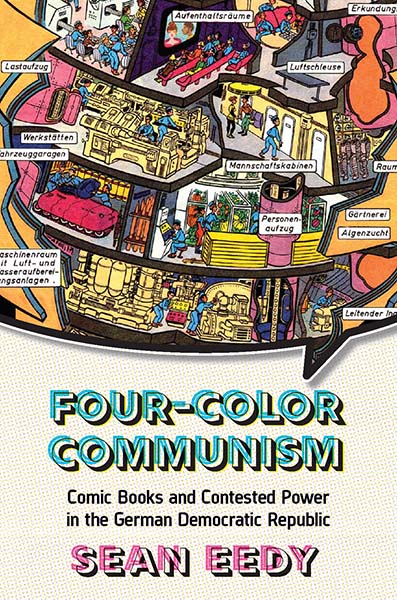
As with all other forms of popular culture, comics in East Germany were tightly controlled by the state. Comics were employed as extensions of the regime’s educational system, delivering state ideology to develop the socialist personality among youth. The East German children who avidly read these comics, however, found their own meanings and projected their own desires in them.
Subjects: History: 20th Century to Present Media Studies
This provocative collection reflects on the heretofore ignored or repressed aspects of German mainstream society—including right-wing extremism, anti-Semitism and racism—to call for an ambitious renewal of historical research and political education to place East Germany in its proper historical context.
Subject: History: 20th Century to Present
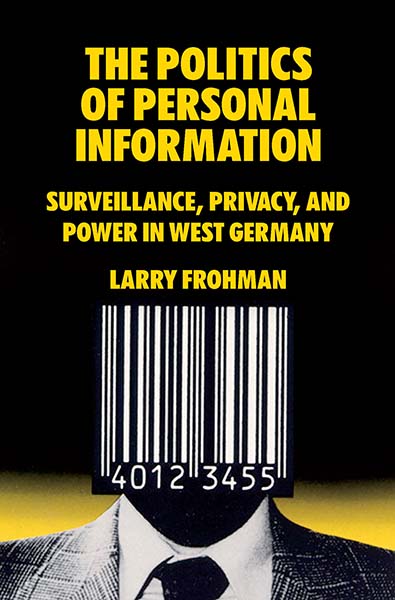
This book gives a definitive account of the politics of personal information in West Germany during the 1970s and 1980s, highlighting the growing role of personal information as a tool for social governance.
Subject: History: 20th Century to Present
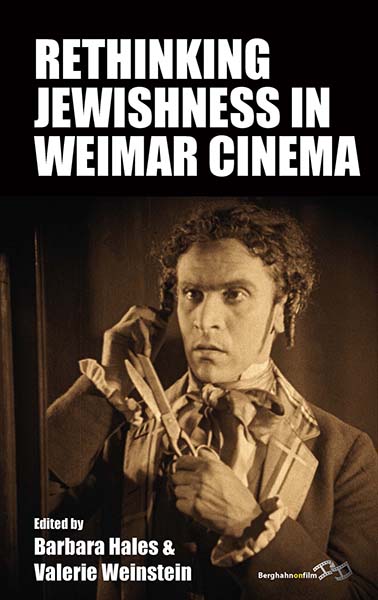
The film industry in the Weimar Republic was a major site for German-Jewish experience that provided a sphere for Jewish "outsiders" to shape mainstream culture. The essays in Rethinking Jewishness in Weimar Cinema offer new historical, theoretical, and methodological approaches to the significant involvement of Jewish people in Weimar cinema.
Subjects: Film and Television Studies Jewish Studies History: 20th Century to Present
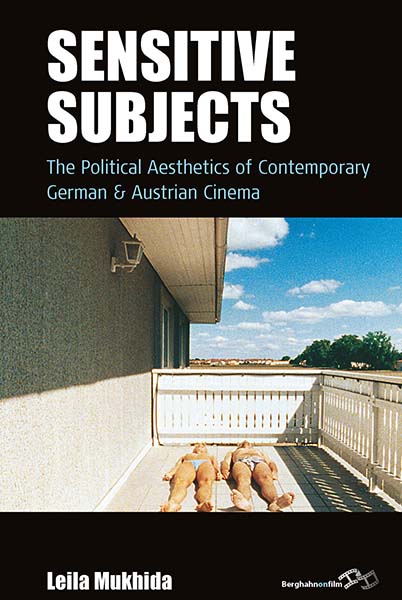
Sensitive Subjects examines how contemporary German-language cinema may be read as seeking to produce greater political sensitivity in audiences through its form—that is, by employing medium-specific devices such as lighting, sound, editing and mise-en-scène in ways that prompt a more critical stance towards the societies it depicts.
Subjects: Film and Television Studies Media Studies

Sounds German surveys the sociopolitical impact of music on German national identity, gender and sexuality, and transnational cultural production and consumption, expanding on the ways in which sounds, technologies, media practices, and exchanges of popular music provide a unique glimpse into the cultural dynamics of postwar Germany.
Subjects: History: 20th Century to Present Cultural Studies (General) Media Studies
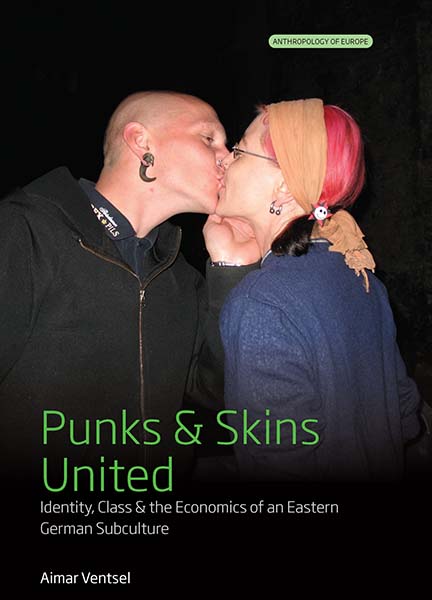
Germany has one of the most lively and well-developed punk scenes in the world. However, punk in this country is not just a style-based music community. This book provides an anthropological examination of how punk reflects the larger changes and contradictions in post-reunification Germany.
Subjects: Anthropology (General) Sociology Cultural Studies (General) Political and Economic Anthropology
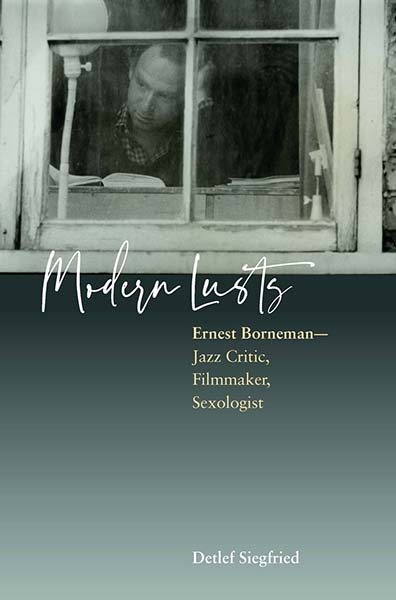
Detlef Siegfried’s long-awaited English translation chronicles Ernest Borneman’s journey from his days as a young Jewish Communist in Berlin to his ventures in England and Canada, and ultimately, to his endeavors as the most prominent sexologist spearheading the sexual revolution in West Germany and Austria in the twentieth century.
Subjects: History: 20th Century to Present Cultural Studies (General) Film and Television Studies Media Studies

Don't Need No Thought Control explores the dynamic interplay between popular demands, intensifying economic crises, and cultural policy decisions during the Erich Honecker era in a comprehensive and comparative analysis.
Subjects: History: 20th Century to Present Media Studies Cultural Studies (General) Film and Television Studies
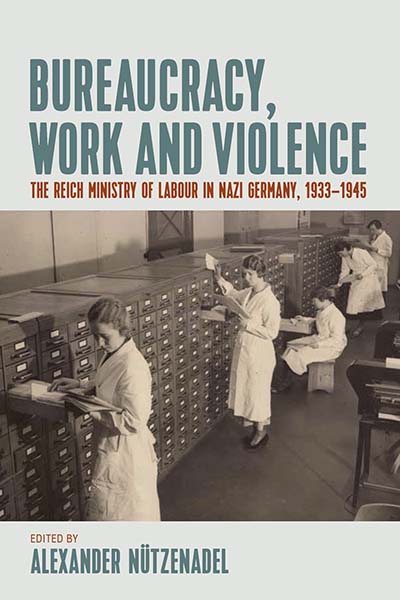
In Bureaucracy, Work and Violence, the Reich Ministry of Labor is for the first time systematically illuminated as the bureaucratic arm responsible for the implementation of the National Socialist work doctrine. Historians reveal through pioneering research that the classical administrative apparatuses were far more involved in the Nazi regime and its crimes than has long been suspected.
Subjects: History: 20th Century to Present Genocide History
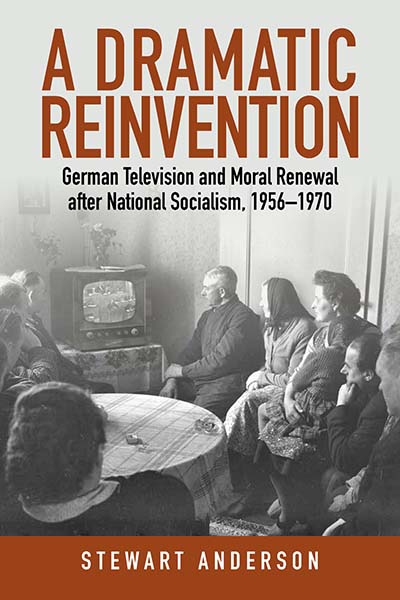
A Dramatic Revinvention sheds new light on how Germans rebuilt their moral and intellectual world after the Nazi catastrophe. The book argues that television emerged as one of the most important mediums for presenting, discussing, and working through the question of how to re-moralize Germany.
Subjects: History: 20th Century to Present Film and Television Studies
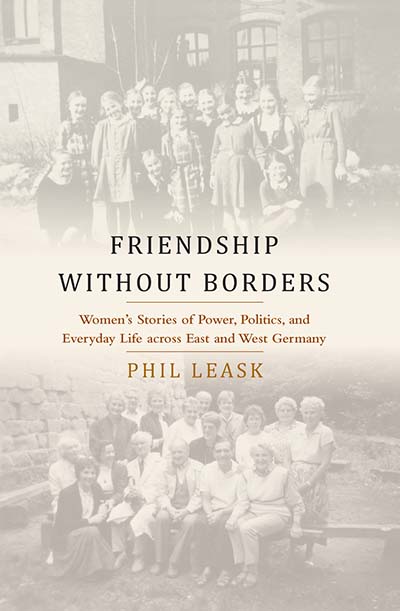
Drawing on a set of interviews and a thousand letters written over fifty years, Friendship, Power, and Everyday Life considers how a group of women, self-defined as non-political, experienced, accepted, rejected, or countered the exercise of power across twentieth-century regimes in Germany.
Subjects: History (General) Sociology Gender Studies and Sexuality
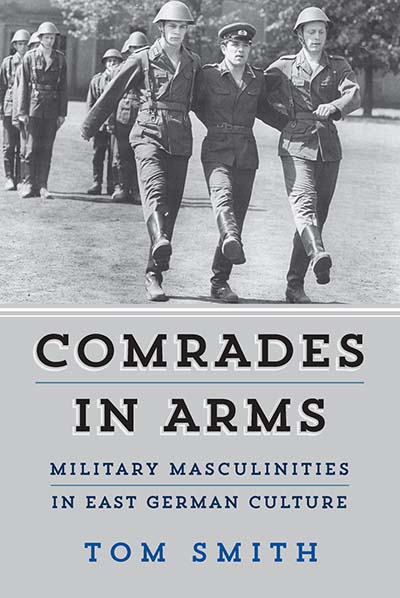
Without question, the East German National People’s Army sought to exemplify traditional masculine ideals of stoicism, sacrifice, and physical courage. Yet depictions of the military in East German film and literature were far more nuanced and ambivalent. Comrades in Arms shows how cultural works have portrayed violence, vulnerability, military theatricality, and a range of masculinities.
Subjects: Cultural Studies (General) Gender Studies and Sexuality History: 20th Century to Present
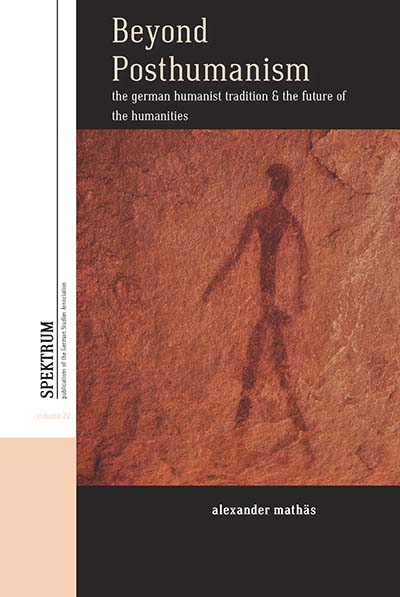
Against the background of debates about a revival of humanist values, this volume seeks to recast the question of the viability of the humanities by analyzing their long-disputed premises in German literature and philosophy. It emphasizes the importance of the humanities’ original mission of establishing a universal ethics by contextualizing disciplinary knowledge and making human experiences, bodily sensations, and emotions comprehensible through literary imagination.
Subjects: History: 18th/19th Century History: 20th Century to Present Educational Studies
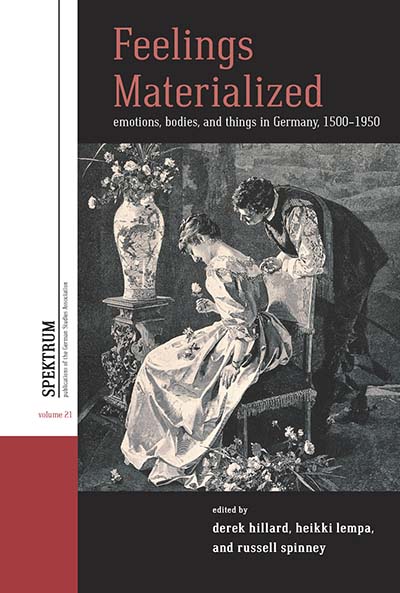
Examining the material aspects of emotion, this volume encompasses technology, photography, aesthetics, and a variety of other historical themes in an innovative application of emotion studies. Feelings Materialized brings together an interdisciplinary group of Germanists to unveil the emotions embedded in the world of things and bodies.
Subject: History: 18th/19th Century History: Medieval/Early Modern Literary Studies
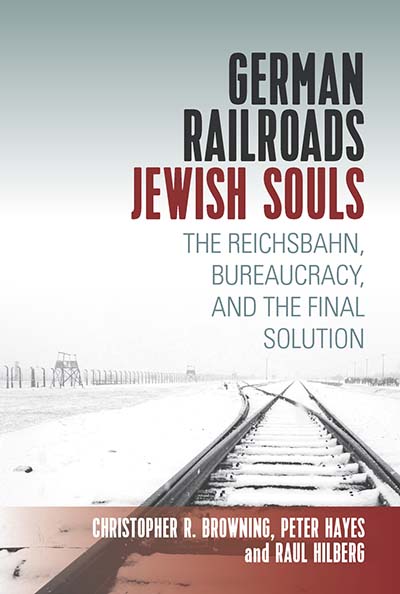
This book centers around preeminent Holocaust scholar Raul Hilberg’s landmark study of Nazi railways and their roles within the Jewish genocide. Supplemented with additional writings from Hilberg, primary source materials, and a comprehensive historical survey from leading scholars Christopher Browning and Peter Hayes, this is a rich and accessible introduction to a topic in Holocaust history that remains understudied even today.
Subjects: Jewish Studies Genocide History Transport Studies
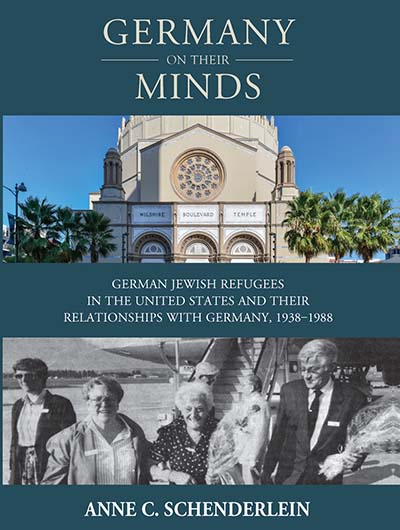
Throughout the 1930s and early 1940s, the United States granted asylum to approximately ninety thousand German Jews fleeing the horrors of the Third Reich. Author Anne C. Schenderlein gives a fascinating account of these entangled histories on both sides of the Atlantic and demonstrates the remarkable extent to which German Jewish refugees helped shape the course of West German democratization.
Subjects: Jewish Studies Refugee and Migration Studies History: 20th Century to Present
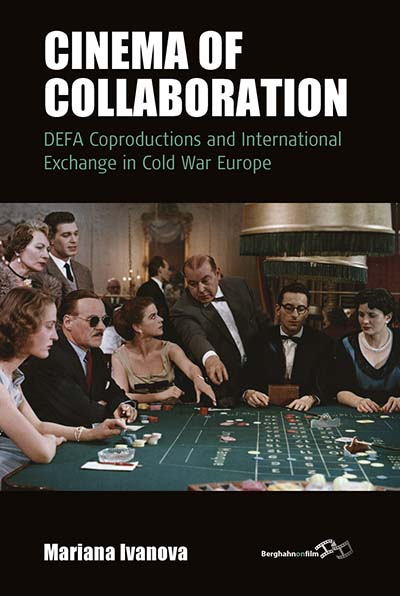
Almost from their very inception, European cinemas frequently undertook collaborative ventures in an attempt to cultivate a transnational “Film-Europe.” And despite the significant obstacles that the East/West divide presented to achieving that ideal, in the postwar era it was DEFA, the state cinema of the newly created East Germany, that emerged as one of the primary sites where these practices persisted.
Subjects: Film and Television Studies History: 20th Century to Present
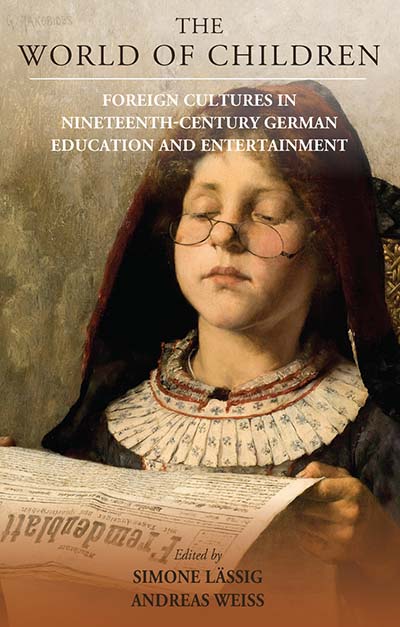
In an era of technological advances and rapidly increasing international exchange, how did young Germans come to understand the world beyond their doorstep? Bringing together contributions from specialists in historical, literary, and cultural studies, this is a fascinating kaleidoscopic exploration of the ways that children absorbed, combined, and adapted notions of the world in their own ways.
Subjects: History: 18th/19th Century Cultural Studies (General) Educational Studies
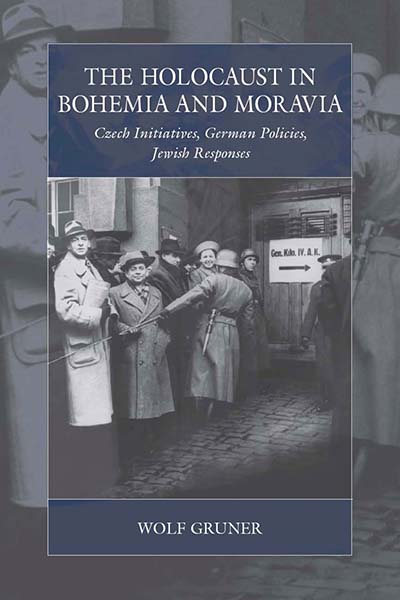
After the establishment of the Protectorate of Bohemia and Moravia, Czech and German authorities adopted radicalized anti-Jewish policies, including depriving Jews of their property, hauling them into forced labor, and deporting them to concentration camps. In this pioneering study, Wolf Gruner demonstrates that these proceedings were not only controlled by Berlin, but also driven forward by the Czech government and local authorities.
Subjects: Jewish Studies Genocide History
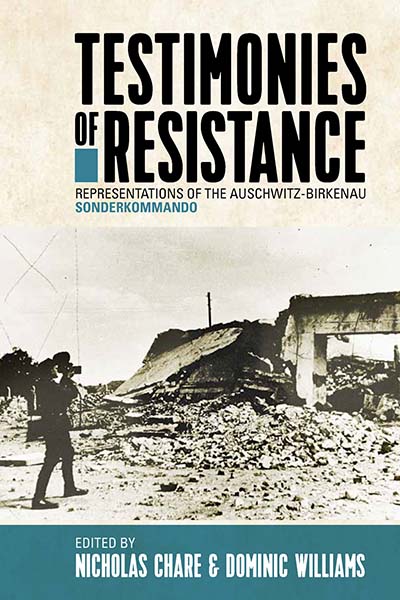
As eyewitnesses to and unwilling abettors of the murder of their fellow Jews, the Sonderkommando comprise one of the most fascinating and troubling topics within Holocaust history. This interdisciplinary collection assembles careful investigations into how the Sonderkommando have been represented—both by themselves and by others—during and since the Holocaust.
Subjects: History: World War II Genocide History Jewish Studies
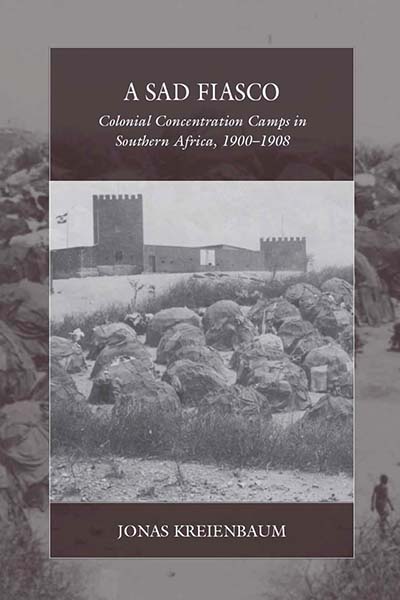
Comparative studies on concentration camps have tended to neglect the African colonial experience at the turn of the twentieth century. A Sad Fiasco delves deeper into the daily lives led in the colonial concentration camps in southern Africa and the motives behind the mass extinction of thousands of internees.
Subjects: Genocide History Colonial History History: 20th Century to Present
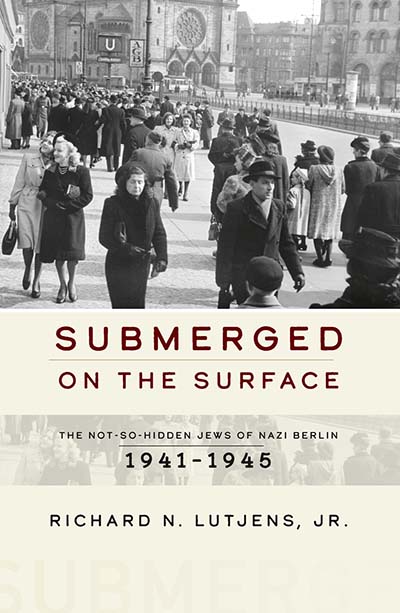
Between 1941 and 1945, some 6,500 Berlin Jews, in fear for their lives, made the choice to flee their impending deportations and live submerged in Nazi Germany. This book sheds light on the daily life of those who hid and on the city that was both the source of their persecution and the site of their survival.
Subjects: Jewish Studies Genocide History
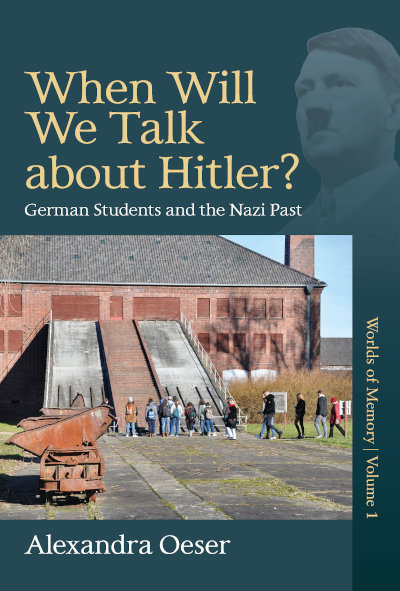
What do ordinary Germans think of their country’s Nazi past? Do young Germans just want to "move on?" Combining observation, interviews, and archival work, the studies conducted in this book explore these questions to reveal the complexity of history and how young Germans view Nazism’s place in contemporary society.
Subjects: History (General) Educational Studies Anthropology (General) Memory Studies

Elections always have consequences, but the 2017 Bundestag election in Germany proved particularly consequential. With political upheaval across the globe—notably in Britain and the USA—it was vital to European and global order that Germany remain stable.
Subject: History: 20th Century to Present
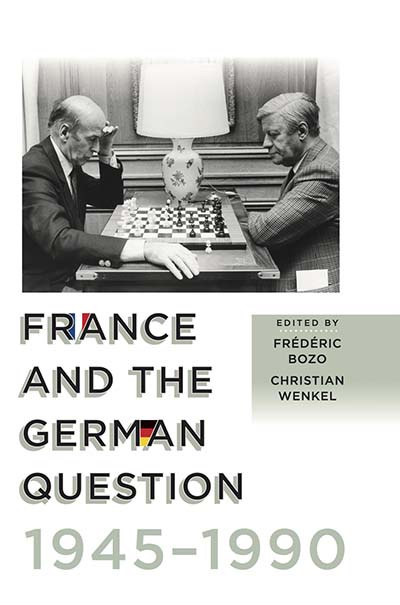
This book revisits France’s attitude towards the German question as it existed and evolved during the post-World War Two and the Cold War eras in order to shed light on previously neglected aspect of the history of the Cold War, of Germany, and of Europe in the second half of the twentieth century.
Subject: History: 20th Century to Present
Peace at All Costs reconsiders postwar Polish-German relations as an interdisciplinary case study of reconciliation and follows an influential network of non-state peace activists, major players in print and audiovisual media, as they attempted to establish dialogue in the 1950s and 1960s.
Subjects: History: 20th Century to Present Peace and Conflict Studies Media Studies
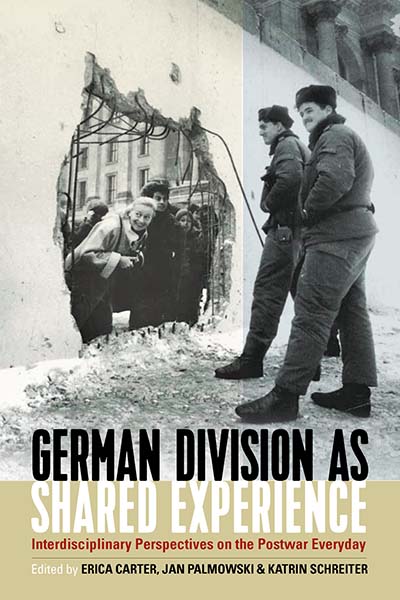
German Division as Shared Experience shows the extent to which the story of East and West Germany was one of mutual entanglement after 1945. By subsuming political considerations into the historical domain of the social and cultural, each of the innovative studies presented here analyzes moments of connection at the level of lived experience across the East-West divide.
Subjects: History: 20th Century to Present Cultural Studies (General)
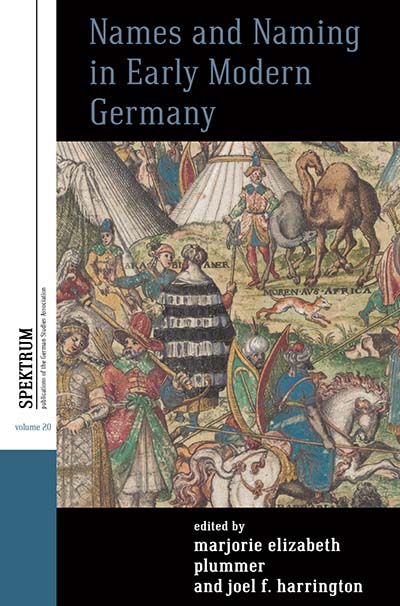
This volume offers a coherent and interdisciplinary approach to a wide variety of early modern subjects centered on onomastics, the study of names. Leading scholars in the field seek to explore the dynamics and impact of this naming (or renaming) process in a variety of contexts: social, artistic, literary, theological, and scientific.
Subjects: History: Medieval/Early Modern Cultural Studies (General)

Through extensive archival research and conversations with renowned publicists, musicians and insiders, author Michael Rauhut examines more than fifty texts to give an in-depth overview of the historical development of blues music in East and West Germany during the postwar period.
Subjects: History: 20th Century to Present Performance Studies Cultural Studies (General)
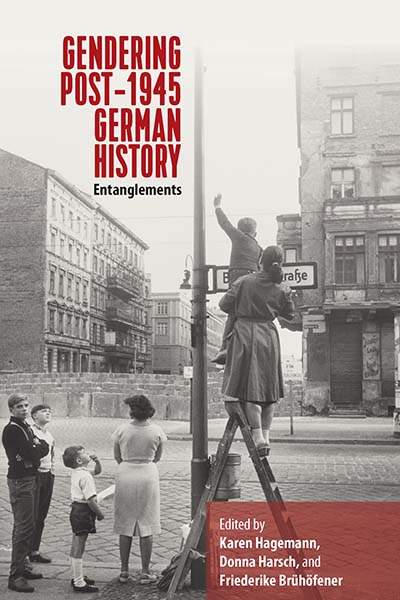
Gendering Post-1945 German History: Entanglements offers new and critical insight into the state of the research on post-war German history from a gender perspective. Using the concept of “entanglement,” this volume investigates the ways in which East and West German gender relations were socially and politically intertwined.
Subjects: History: 20th Century to Present Gender Studies and Sexuality Sociology
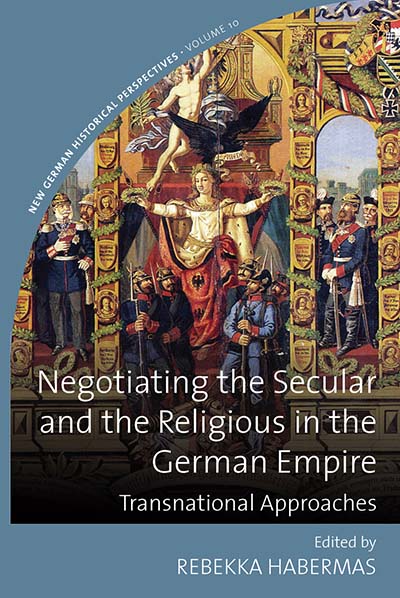
Negotiating the Secular and the Religious in the German Empire sheds light on the multitude of worldviews, belief systems, and rituals that defined the borders between the secular and the religious in the German imperial era.
Subjects: History: 18th/19th Century History: 20th Century to Present Cultural Studies (General)
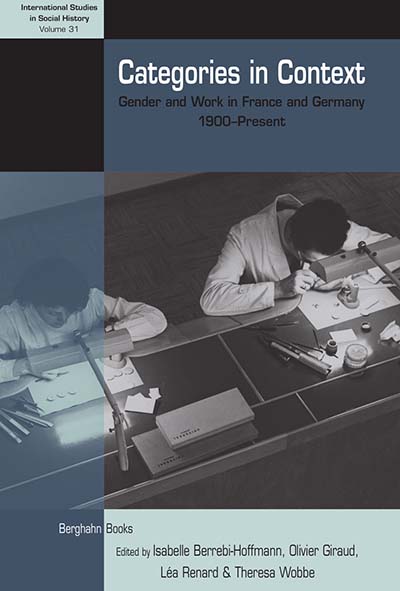
Despite the wealth of empirical research into the interrelationships of gender and labor available, little is known about the forms of classification and categorization shaping these social phenomena. Categories in Context enriches our understanding of how cognitive categories such as status, law, and rights have been produced, comprehended, appropriated, and eventually transformed in France and Germany.
Subjects: Gender Studies and Sexuality History (General) Sociology
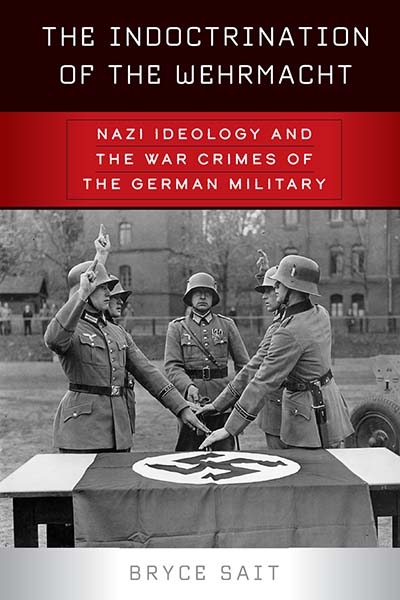
Far from the image of an apolitical, “clean” Wehrmacht that persists in popular memory, German soldiers regularly cooperated with organizations like the SS in the abuse and murder of countless individuals. This in-depth study reveals that military indoctrination was but one piece of the larger effort at the socialization of young men during the Nazi era.
Subjects: History: World War II Genocide History History: 20th Century to Present
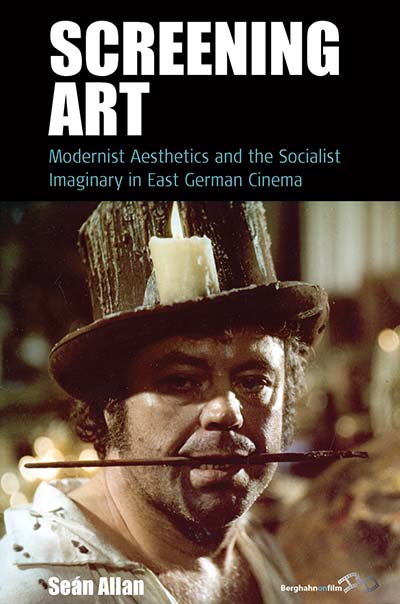
Screening Art represents the first full-length study of films about art and artists produced by the state-owned Eastern German film studio DEFA. It investigates the essential role that these “art films” played in the development of new paradigms of socialist art in post-war Europe.
Subjects: Film and Television Studies History: 20th Century to Present Cultural Studies (General)
Combining in-depth anthropological studies with more long-term analyses, this volume examines the responses to and implications of the arrival in 2015 and 2016 of over one million asylum seekers and refugees in Germany – widely seen as the most major and contested social change in the country since reunification.
Subjects: Sociology Refugee and Migration Studies Political and Economic Anthropology
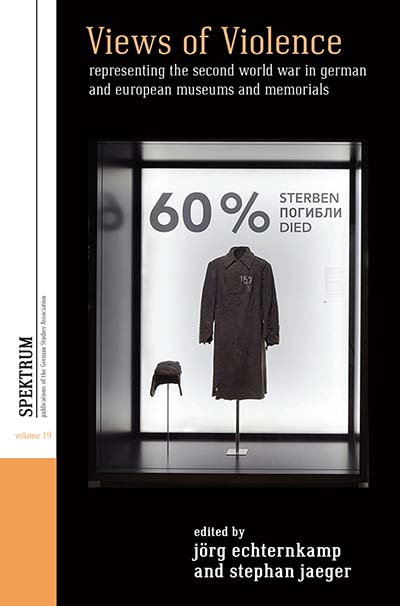
The modern vision of historical violence has been immeasurably influenced by cultural representations of the Second World War. This volume takes a historical perspective on World War II museums and explores how these institutions came to define the broader European, and even global, political contexts and cultures of public memory.
Subjects: Museum Studies History: World War II Memory Studies
Why is Germany imagined as the ‘land of music’? How has that image been made over time? Exploring examples that range from Bruckner to the Beatles, from classical song to sex-club dance music, a team of historians and musicologists explores these perennial questions in innovative and exciting ways.
Subjects: Media Studies History (General) Cultural Studies (General) Performance Studies
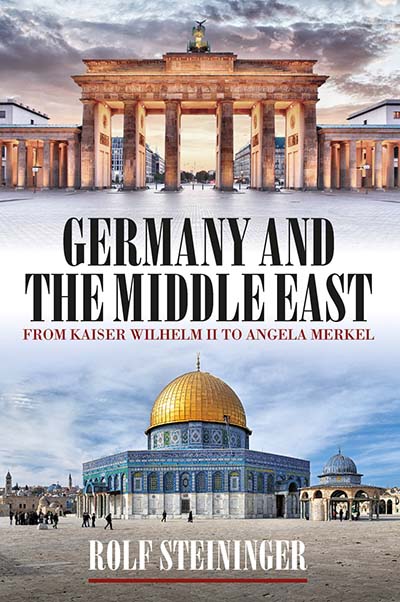
For more than a hundred years, persistent conflict in the Middle East has led global superpowers like Germany to become involved. Germany and the Middle East encounters in detail how the nation came to accept its historical responsibility towards newer states in the Middle East, and how major developments of the twentieth century shaped its approach to the region.
Subject: History: 20th Century to Present
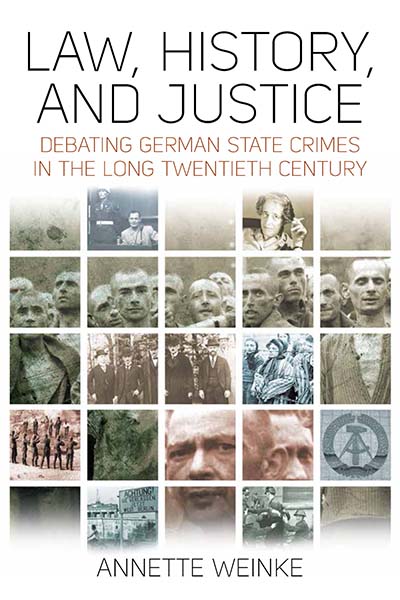
Law, History, and Justice investigates the changing nature of international humanitarian law and explores the entanglements between historical experience, historiography, and law and (moral) politics by focusing on the effects of international law violations during the First World War, the National Socialist mass crimes, the Holocaust, as well as the systematic wrongdoings of the GDR.
Subjects: Peace and Conflict Studies History: 20th Century to Present
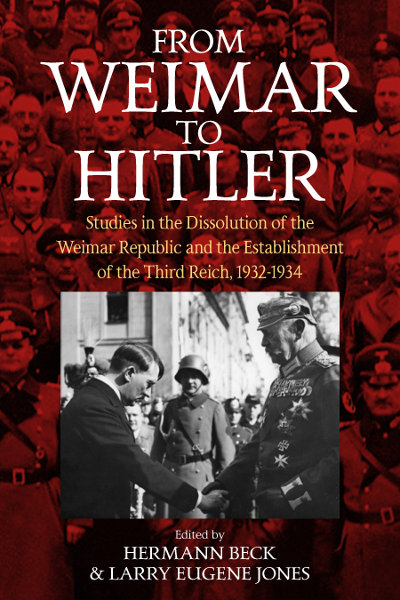
From Weimar to Hitler examines the crisis of Weimar democracy, the establishment of the Nazi dictatorship, and the Nazi consolidation of power, drawing from multiple perspectives to discover whether the transition from Weimar to Hitler was historically predetermined or the product of human miscalculation and intent.
Subject: History: 20th Century to Present
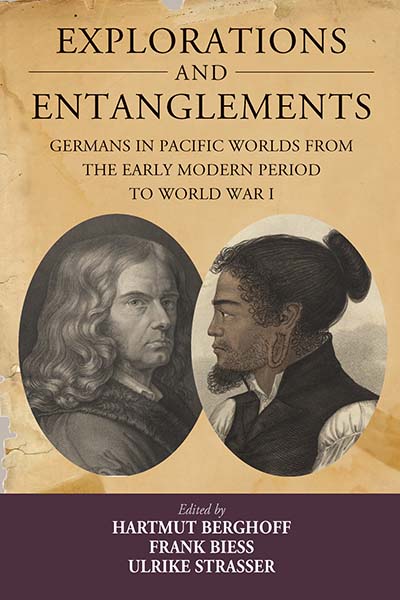
Explorations and Entanglements reconstructs the German elements in the overlapping cultural circuits and complex oceanic transits of the “Pacific Worlds.” It concentrates on the pre-1914 period and encompasses scientific, cultural, religious and commercial exchanges. It opens a gate to a fascinating and hitherto much neglected arena of transnational encounters.
Subjects: History: 18th/19th Century History: 20th Century to Present Colonial History
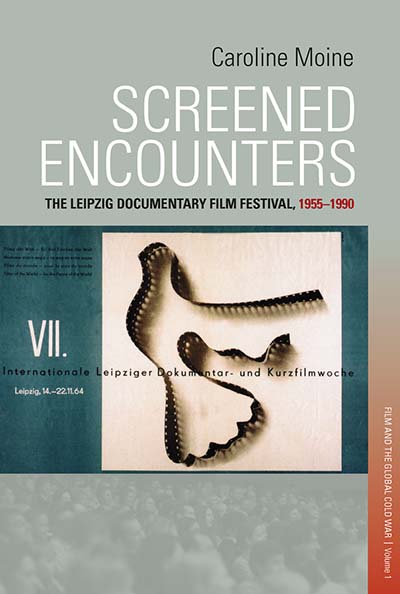
Established in 1955, the Leipzig Film Festival’s location in the GDR deeply implicated it in the cultural and political competition between East and West Germany. Screened Encounters offers a comprehensive study of the festival’s history, as well as its influence on international relations during the Cold War.
Subjects: Film and Television Studies History: 20th Century to Present
Divided History uniquely explores how East and West Germany responded to the new challenges and crises of the 1970s, and reunification. Topics range from political, labor, and business issues to migration and environmental issues, showing how the two German states remained inextricably connected in the 1970s and 1980s.
Subject: History: 20th Century to Present
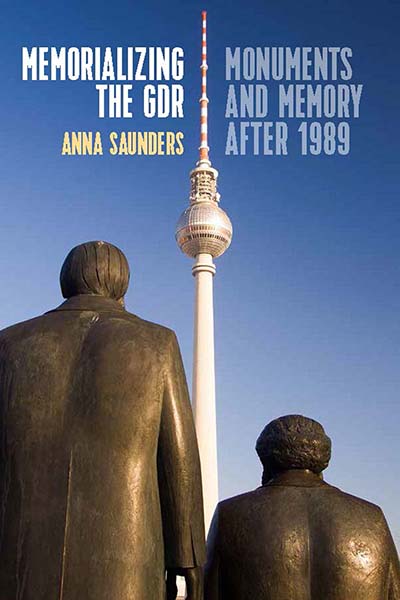
Since unification, eastern Germany has witnessed a rapidly changing memorial landscape. Memorializing the GDR provides the first in-depth study of this key topic, investigating the individuals and groups involved in the creation or destruction of memorials while addressing the subject’s complex aesthetic, political, and historical dimensions.
Subjects: History: 20th Century to Present Urban Studies Heritage Studies
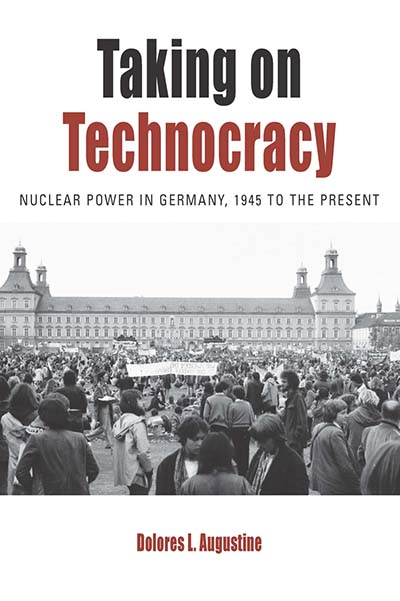
Taking on Technocracy addresses changing attitudes towards nuclear energy in the age of global warming. The German decision to abandon nuclear power is placed in a historical context, including popularization of science, new social movements, media, policing, gender, and the history of emotions.
Subjects: History: 20th Century to Present Environmental Studies (General)
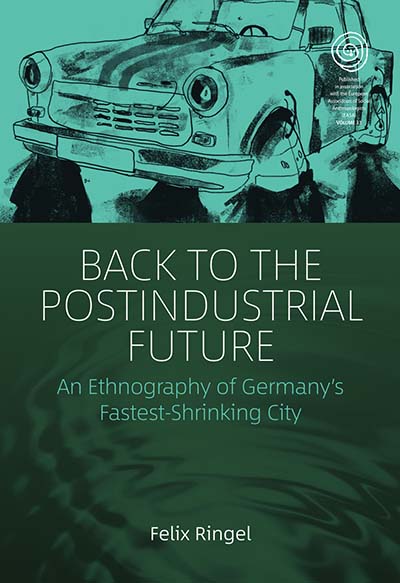
Back to the Postindustrial Future is the first comprehensive ethnography of the future, approaching Hoyerswerda, Germany’s fastest shrinking city, not from the perspective of its past, but persistently from that of its future. Through an extensive ethnography of the city, it allows us to investigate the postindustrial era and the futures it has supposedly lost.
Subjects: Anthropology (General) Urban Studies
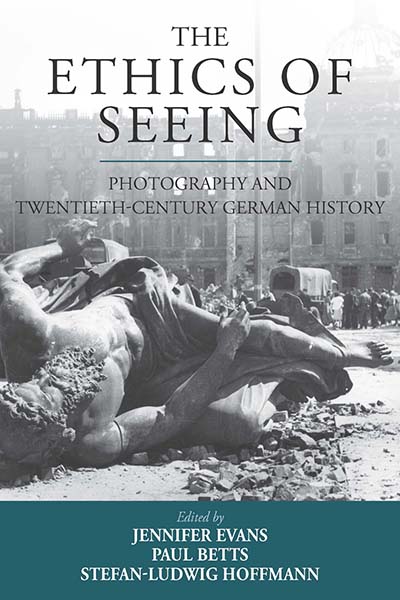
The Ethics of Seeing brings together an international group of scholars to explore the complex relationship between the visual and the historic in German history. These revealing case studies illustrate photography’s multilayered role as a new form of representation, a means to subjective experience, and a fresh mode of narrating the past.
Subjects: History: 20th Century to Present Media Studies
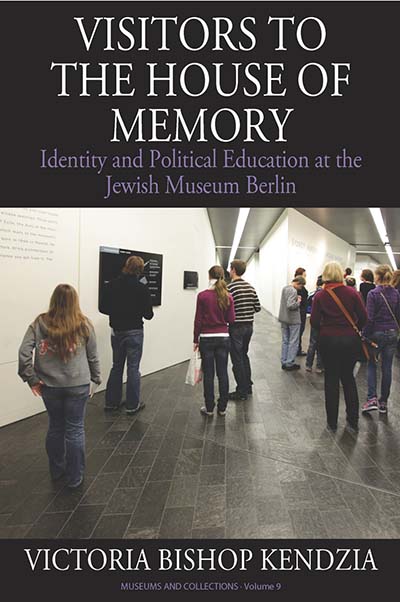
By accompanying a range of senior high school history students before, during and after their visits to the museum, Visitors to the House of Memory is an intimate exploration of how young Berliners from across the city experience the Jewish Museum Berlin.
Subjects: Museum Studies Jewish Studies Educational Studies Memory Studies
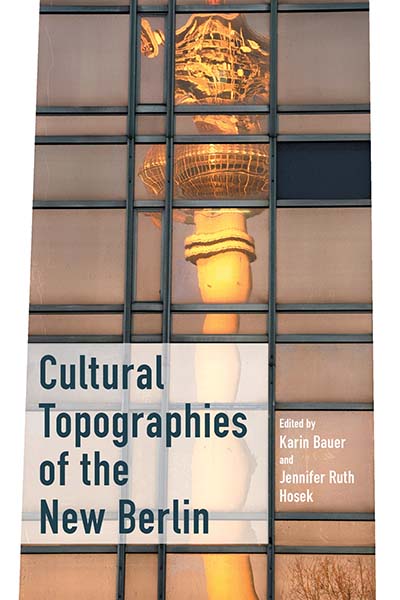
Transformed by the Wall's opening in 1989 and the concomitant shift in global relations of power, Berlin continues to shape historical and contemporary images of Germanness. This interdisciplinary anthology explores Berlin's unique cultural topographies in literature, film, architecture, urban planning, and city marketing.
Subjects: Urban Studies Cultural Studies (General) History: 20th Century to Present
In histories of the Third Reich, race is a ubiquitous topic, but German society produced a much more complex variety of racial representations over the first part of the twentieth century. This volume explores the hateful depictions of the Nazi era alongside Wilhelmine images of indigenous peoples, revealing race as on object of fascination for Germans across several eras.
Subjects: History: 20th Century to Present Sociology
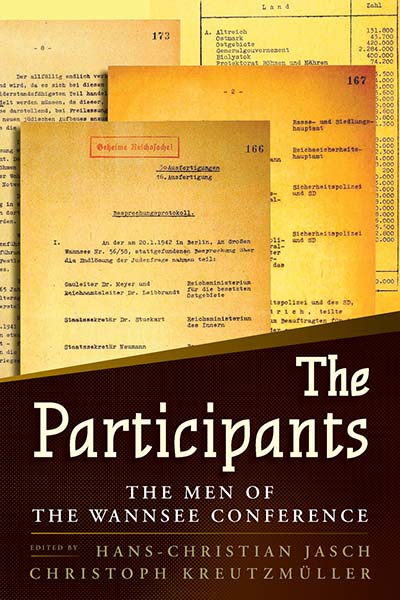
Although the Wannsee Conference of January 20, 1942 is today understood as a signal episode in the history of the Holocaust, many of its attendees remain relatively unknown to nonspecialists. Combining accessible prose with scholarly rigor, The Participants presents fascinating profiles of the all-too-human men who implemented some of the most inhuman acts in modern history.
Subjects: Genocide History History: World War II
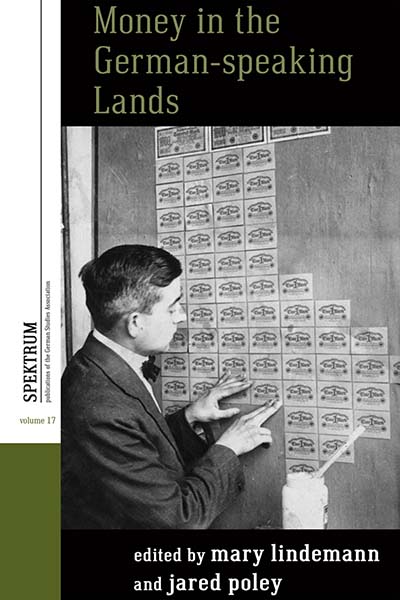
Germany’s leading role in EU economic policy following the 2008 financial crisis is in a sense only the latest step in a long history of attempts at political unification through economic integration. This volume follows this trajectory in German-speaking lands from the late Renaissance until the close of the twentieth century.
Subject: History (General)
Throughout the twentieth century, Germans underwent constant disruptions in their lives, and many struggled to integrate their experiences into coherent narratives. Ruptures in the Everyday brings together twenty-six interdisciplinary researchers in an innovative, collectively authored work of scholarship that investigates Alltag—everyday life—through such fragmentary experiences.
Subject: History: 20th Century to Present
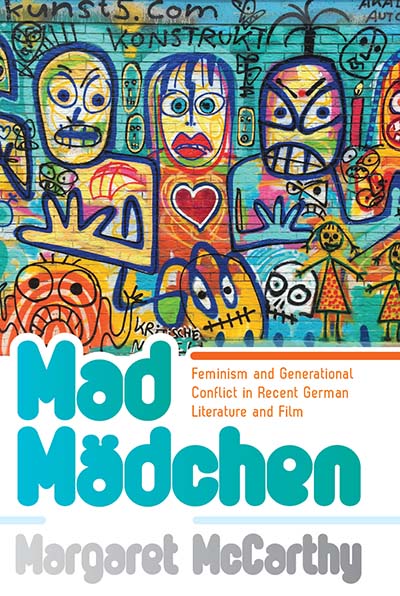
The last two decades have been frequently discordant for German feminism, as a new cohort of activists has come of age and challenged many of the movement’s strategic and philosophical orthodoxies. This book offers an incisive cultural analysis of these trans-generational debates, identifying characteristic features of their representation in German literature, film, and media.
Subjects: Gender Studies and Sexuality Media Studies Film and Television Studies Literary Studies
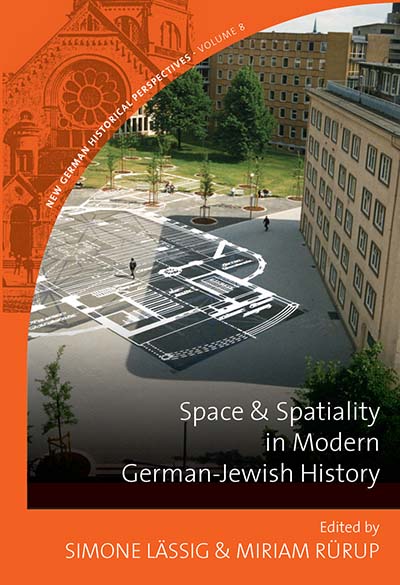
This wide-ranging volume revisits both literal and metaphorical spaces in modern German history, working from an expansive concept of “the spatial” to examine the ways in which Jewishness has been attributed to them, and what the implications have been in different eras and social contexts.
Subjects: Jewish Studies History: 20th Century to Present History: 18th/19th Century
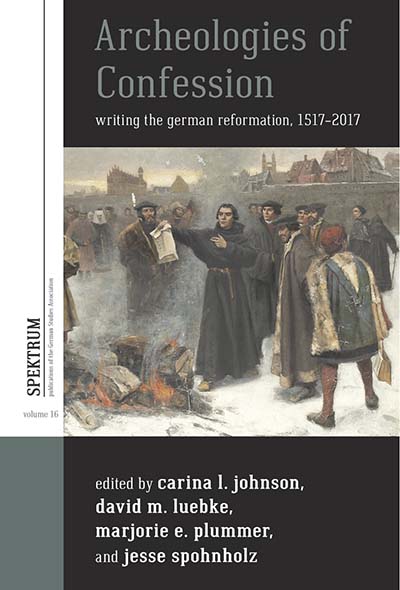
Can one give voice to those whom history has forgotten? The essays collected here examine the formation of religious identities during the Reformation in sixteenth- and seventeenth-century Germany through case studies of remembering and forgetting—instances in which patterns and practices of religious plurality were excised from historical memory.
Subjects: History: Medieval/Early Modern Memory Studies
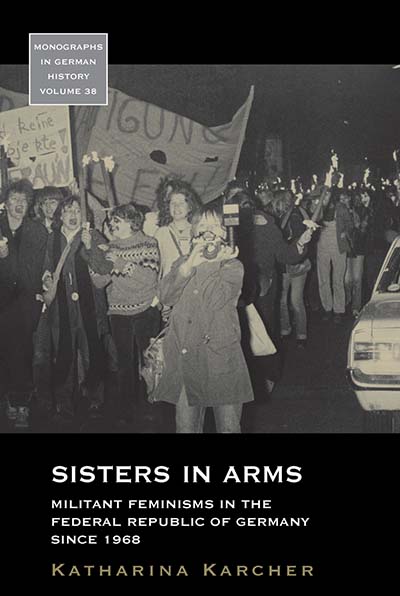
Drawing on a wealth of new source material, Sisters in Arms gives a bracing account of how radical feminism was enacted by key German leftist organizations, such as the infamous Red Army Faction and June 2 Movement. These groups often diverged ideologically and tactically, but all demonstrated the potency of militant feminism within postwar protest movements.
Subjects: History: 20th Century to Present Gender Studies and Sexuality Sociology
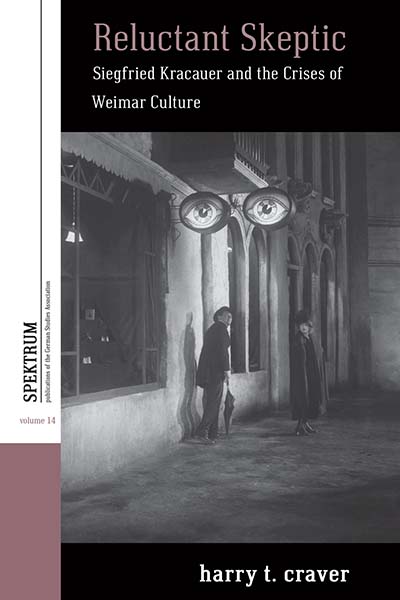
Best remembered for investigations of film and other media, journalist and critic Siegfried Kracauer offered a seismographic reading of the Weimar-era confrontation between religion and secular modernity. This discerning study analyzes and contextualizes Kracauer’s early output, showing how he identified the quasi-theological roots of the era’s cultural ferment.
Subjects: History: 20th Century to Present Cultural Studies (General) Media Studies
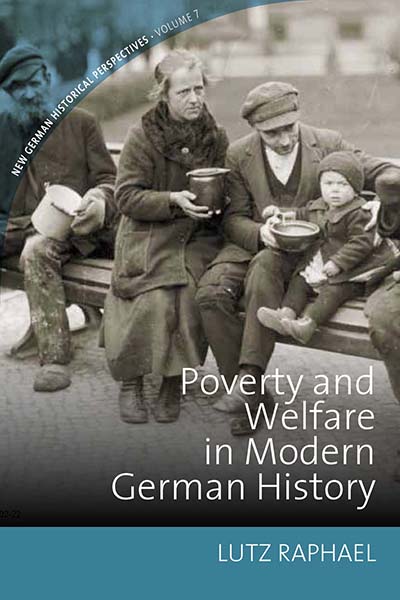
This comprehensive volume demonstrates that the question of how to care for the poor has had significant implications for German history throughout the modern era. Here, eight leading historians provide essential case studies and syntheses of current research into German welfare, from the Holy Roman Empire to the present day.
Subjects: History (General) Sociology
For Anglo-American observers in particular, the legacies of two world wars still powerfully define twentieth-century German history. This volume collects insightful studies from leading scholars that suggest new ways for understanding Germany from a transatlantic perspective, arguing above all for a more nuanced, self-reflective, and holistic German Studies.
Subject: History: 20th Century to Present
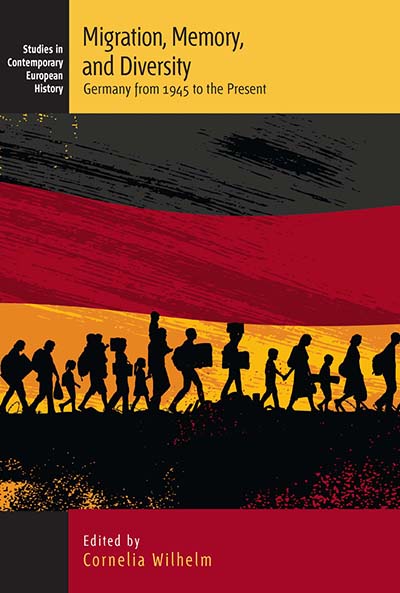
German attitudes toward migrants have been profoundly shaped by the legacies of the Second World War. This volume explores the history of migration and diversity in Germany from 1945 onward, showing how conceptions of “otherness” developed while memories of Nazism were still fresh, and identifying the continuities and transformations they have exhibited up until today.
Subjects: History: 20th Century to Present Refugee and Migration Studies Memory Studies
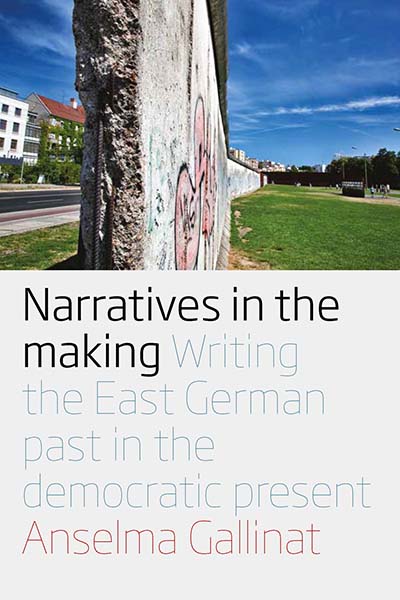
This ethnography studies two very different institutions in one eastern German state taking divergent approaches to the past. While government organizations reliably depict the GDR as a dictatorship, one major regional newspaper focuses on the experiences and concerns of its readers—“memory work” that inevitably shapes citizenship and democracy.
Subjects: History: 20th Century to Present Anthropology (General) Memory Studies
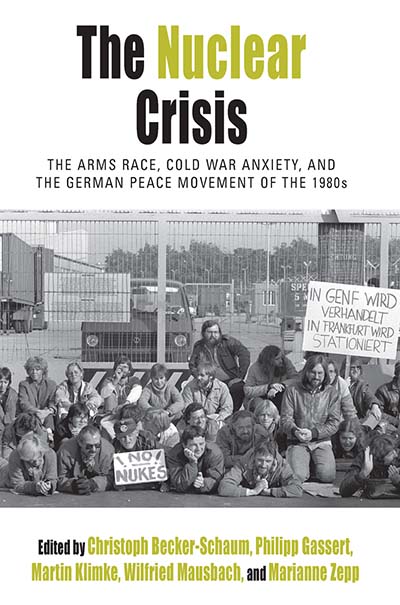
In 1983, more than one million Germans joined to protest NATO’s deployment of nuclear missiles in Europe. This volume survey of the “Euromissiles” crisis as experienced by its various protagonists in Germany, including NATO’s strategic maneuvering and the contours of the German protest movement.
Subjects: History: 20th Century to Present Sociology
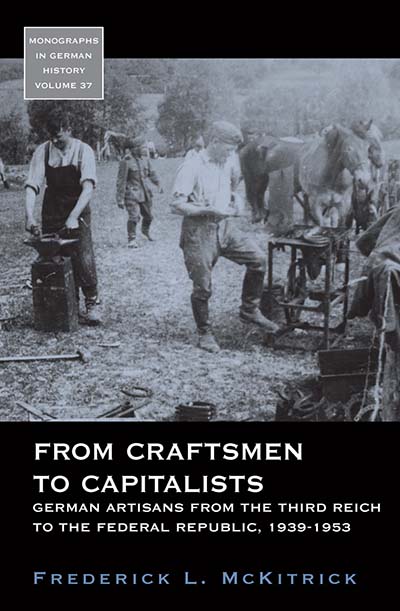
As Hitler consolidated power, German artisans emerged as an important Nazi constituency, drawn by the party’s rejection of both capitalism and Bolshevism. Yet, after 1945, they became one of the pillars of postwar stability. This volume gives the first account of this astonishing transformation, exploring how tradesmen helped to realize German democratization and recovery.
Subjects: History: 20th Century to Present Political and Economic Anthropology Sociology
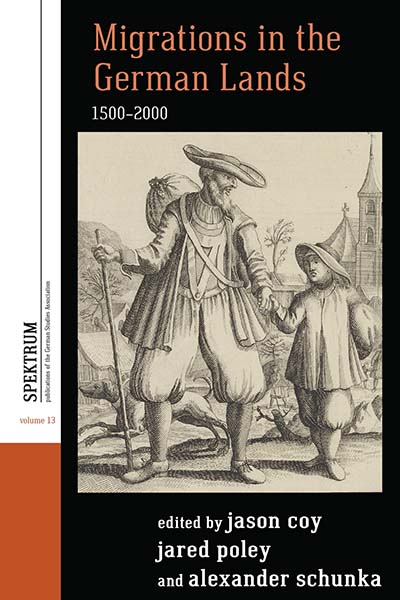
The essays collected here reconstruct the experiences of vagrants, laborers, religious exiles, refugees, and other migrants during the last five hundred years of German history. These diverse contributions identify important commonalities between eras and contextualize Germany within broader migration histories.
Subjects: History (General) Mobility Studies Refugee and Migration Studies
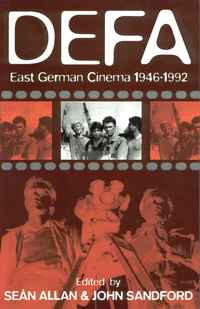
Since the fall of the Berlin Wall, interest in East German cinema has exploded, inspiring innumerable festivals, books, and exhibits. In this stimulating collection, leading international experts assess this vibrant landscape and plot an ambitious course for future research that considers other cinematic traditions, genre works, and DEFA’s post-unification “afterlife.”
Subjects: Film and Television Studies History: 20th Century to Present

During the unprecedented modernization of Germany’s Weimar Republic, motorcycle culture instantiated the new link between consumption and identity. Motorcycles became symbols of masculinity and freedom that exposed the problems and allures of mass-consumption and modern values. The Devil’s Wheels analyzes motorcycle culture, and reassesses mechanized life in Weimar Germany.
Subjects: History: 20th Century to Present Gender Studies and Sexuality Transport Studies
Long overlooked by scholars and critics, the history and aesthetics of German television have only recently begun to attract serious, sustained attention, and then largely within Germany. This ambitious volume collects penetrating essays on the distinctive theories, practices, and social-historical contexts that defined television in Germany.
Subjects: Film and Television Studies Media Studies
In the years following World War II, Munich society became obsessed with the hypothetical threat that youths posed to postwar stability. This fascinating study shows that constructs like the rowdy young male and the sexually deviant girl served as proxies for the anxieties of adult society, while allowing authorities to expand social control.
Subjects: History: 20th Century to Present Sociology
From 1933-45, Nazi Germany undertook massive industrial integration, submitting an entire economic sector to direct state oversight. This innovative study explores how German professionals navigated this complex landscape through the divergent careers of business managers in two of the era’s most important trade organizations.
Subject: History: 20th Century to Present
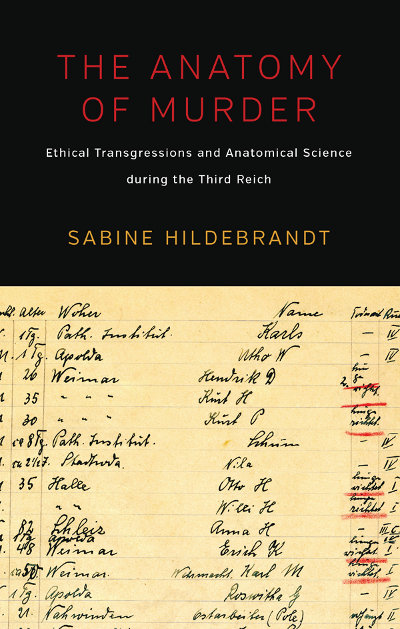
Of the many medical specializations to have been transformed by the rise of National Socialism, anatomy has received little attention. As historian and physician Sabine Hildebrandt reveals, anatomists progressed through gradual stages of ethical transgression; in some cases, the traditional model of working with deceased bodies gave way to experimentation with the “future dead.”
Subjects: History: World War II Genocide History
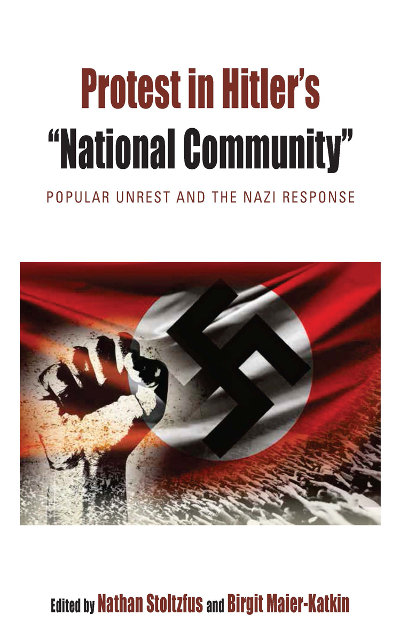
That Hitler’s Gestapo harshly suppressed any signs of opposition inside the Third Reich is a common misperception. This book presents studies of public dissent that examine circumstances under which “racial” Germans were motivated to protest, as well as the conditions determining the regime’s response.
Subject: History: 20th Century to Present
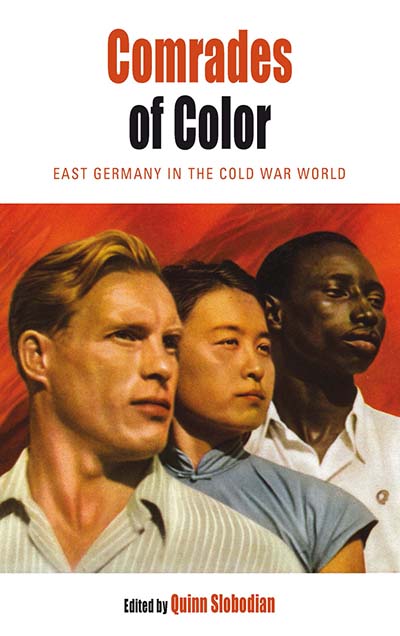
The political culture of the German Democratic Republic strongly emphasized solidarity with the non-white world, from contributions to relief efforts in Vietnam to public memorials for Ho Chi Minh and Martin Luther King, Jr. Through a series of illuminating historical investigations, this volume traces the contours of East German internationalism.
Subject: History: 20th Century to Present
With a Biobibliographic Guide
Of the thousands of young people who fled Nazi Germany before World War II, a remarkable number became trained historians. By placing autobiographical testimonies alongside historical and professional analysis, this richly varied collection comprises the first sustained effort to illuminate the role these men and women played in modern historiography.
Subject: History: 20th Century to Present
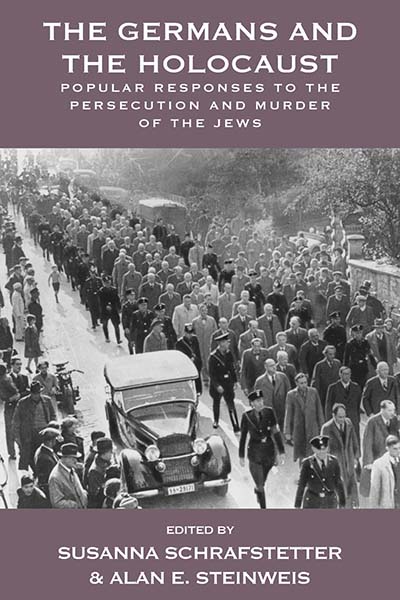
For decades, historians have debated how and to what extent the Holocaust penetrated the German national consciousness between 1933 and 1945. This compact volume brings together six historical investigations into the subject from leading scholars, employing newly accessible and previously underexploited evidence.
Subjects: History: 20th Century to Present Jewish Studies Genocide History
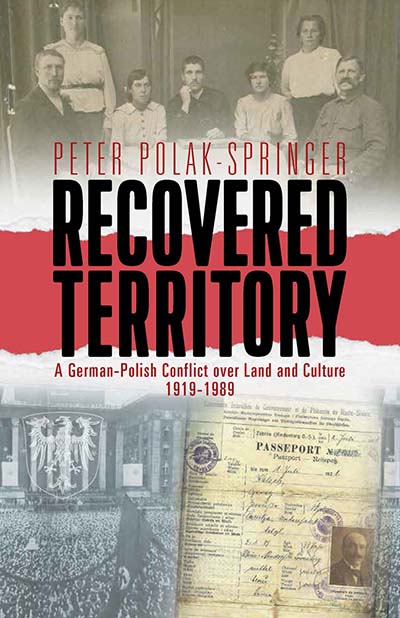
From 1919 to 1989, the German-Polish borderland, one of Central Europe’s important industrial regions, was at the center of a conflict between Germany and Poland. In their interaction with — and mutual influence on — one another, both nations developed a transnational culture, giving the borderland a “Polish” / “German” face.
Subjects: History: 20th Century to Present Cultural Studies (General)
Bringing together German politics experts from both sides of the Atlantic, this volume addresses the campaign, results, and consequences of the 2013 Bundestag election. Chapters delve into a diverse array of themes, including immigrant-origin and women candidates, the fate of the small parties, and the prospects for the SPD, as well as more general structural trends like the Europeanization and cosmopolitanization of German politics.
Subjects: History: 20th Century to Present Sociology
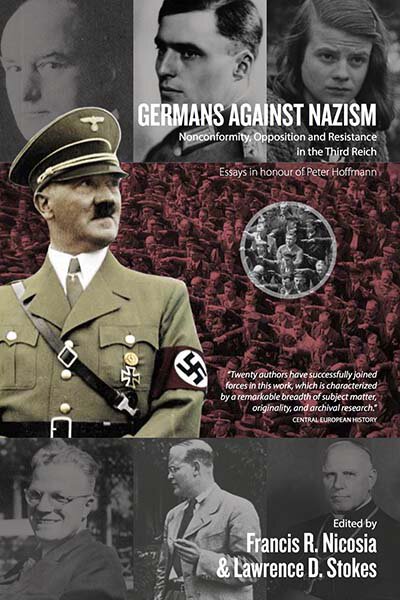
Rather than being accepted by all of German society, the Nazi regime was resisted in both passive and active forms. This volume examines opposition to National Socialism by Germans during the Third Reich in its broadest sense.
Subject: History: 20th Century to Present
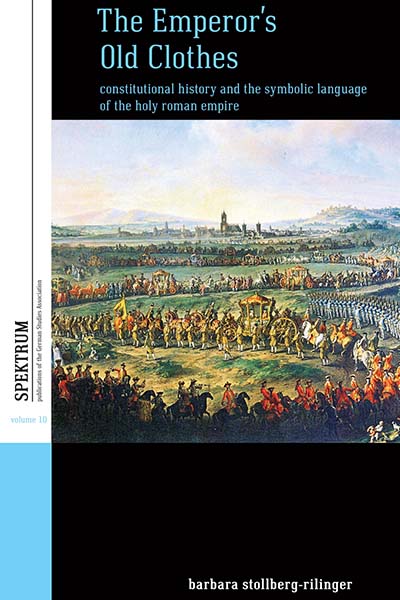
For many years, scholars struggled to write the history of the constitution and political structure of the Holy Roman Empire. This book argues that this was because the political and social order could not be understood without considering the rituals and symbols that held the Empire together.
Subject: History: Medieval/Early Modern
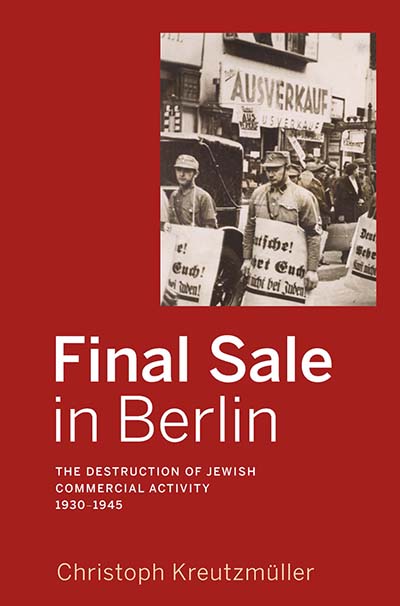
Reconstructing the fate of more than 8,000 companies, this book offers the first comprehensive analysis of Jewish economic activity and its destruction in Nazi Berlin
Subjects: Genocide History History: 20th Century to Present
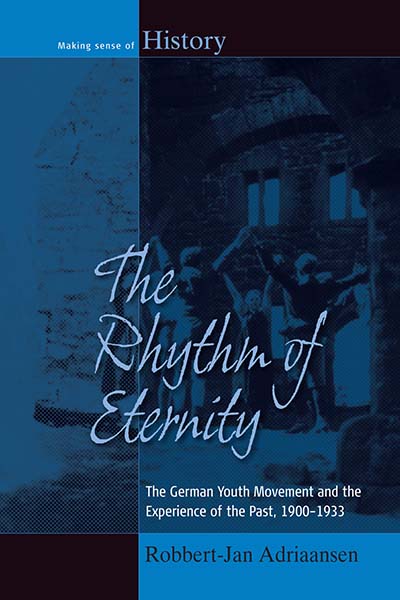
The Weimar era in Germany is often characterized as a time of significant change. Such periods of rupture transform the way people envision the past, present, and future. This book traces the conceptions of time and history during the German youth movement of the early 20th century.
Subjects: History: 20th Century to Present Sociology
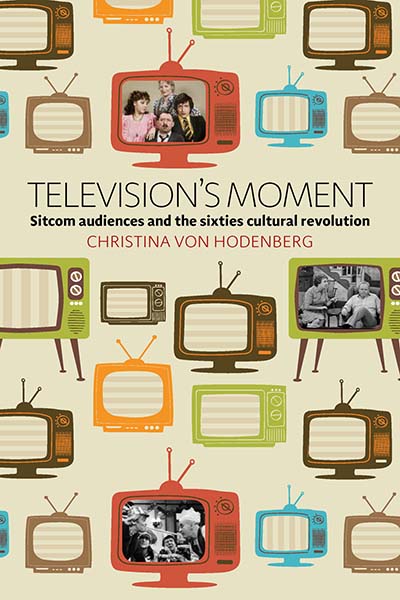
Television was one of the forces shaping the cultural revolution of the 1960s and 1970s, when a blockbuster TV series could reach up to a third of a country’s population. This book explores television’s impact on social change by comparing three sitcoms and their audiences.
Subjects: History: 20th Century to Present Media Studies Film and Television Studies
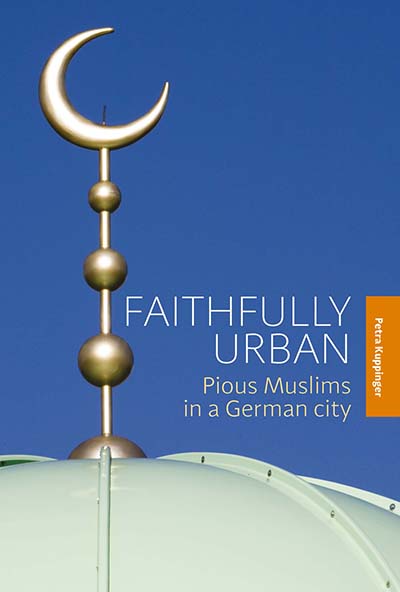
A pious Muslim population lives in the southern German city of Stuttgart, where, even in the face of resentment and discrimination, they create meaningful lives. The author introduces and examines the lives of these individuals and communities, set within a city that accommodates the needs and sensibilities of both Muslims and non-Muslims.
Subjects: Urban Studies Anthropology of Religion
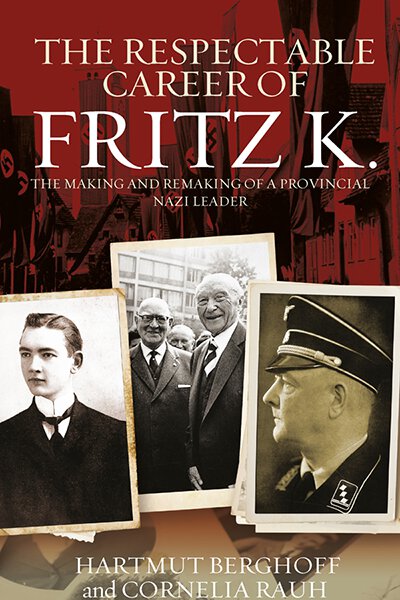
Entrepreneur and Nazi functionary Fritz Kiehn lived through almost 100 years of German history, from the Bismarck era to the late Bonn Republic. Kiehn's biography provides a key to understanding the political upheavals of the 20th century, especially the workings of the corrupt Nazi system as well as the "coming to terms" with National Socialism in the Federal Republic.
Subject: History: 20th Century to Present

Scandals and economic stagnation in the colonies demanded a new and positive image of their value for Germany. By promoting business and establishing a new genre within the fast growing film industry, films of the colonies triggered patriotic feelings but also addressed the audience as travelers, explorers, wildlife protectionists, and participants in unique cultural events.
Subjects: Film and Television Studies Colonial History
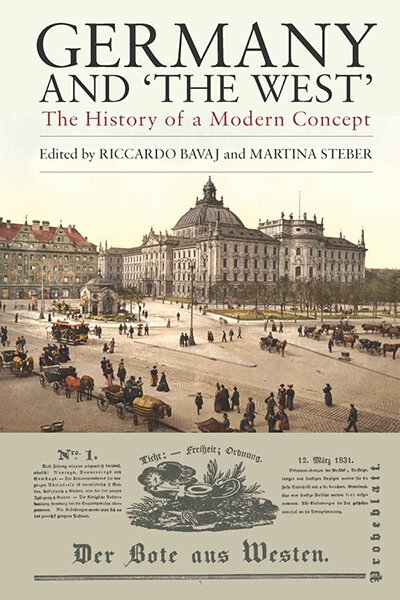
In the nineteenth century “the West” became associated with notions of progress, liberty, civilization, and modernity. Examining the shifting meanings, political uses, and transnational circulations of the idea of “the West” sheds new light on German intellectual history from the post-Napoleonic era to the Cold War.
Subjects: History: 18th/19th Century History: 20th Century to Present
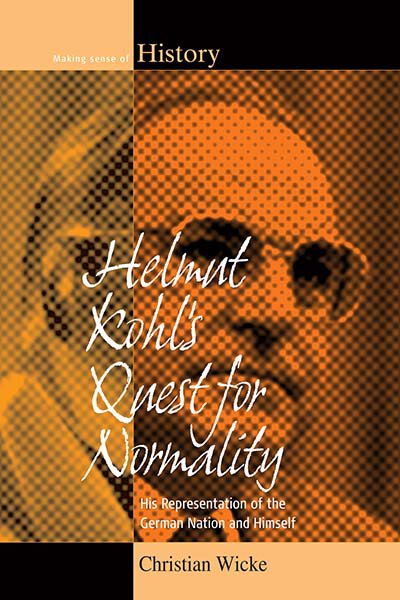
During his political career, Helmut Kohl used his own life story to promote a normalization of German nationalism and to overcome the stigma of the Nazi period. In the context of the cold war and the memory of the fascist past, he was able to exploit the combination of his religious, generational, regional, and educational (PhD in History) experiences by connecting nationalist ideas to particular biographical narratives.
Subject: History: 20th Century to Present
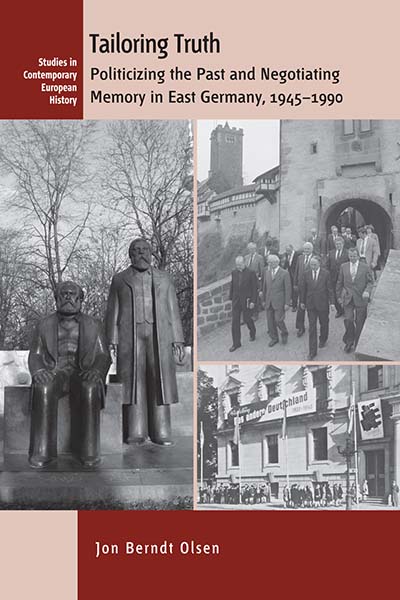
By looking at state-sponsored memory projects, such as memorials, commemorations, and historical museums, this book reveals that the East German communist regime obsessively monitored and attempted to control public representations of the past to legitimize its rule.
Subject: History: 20th Century to Present
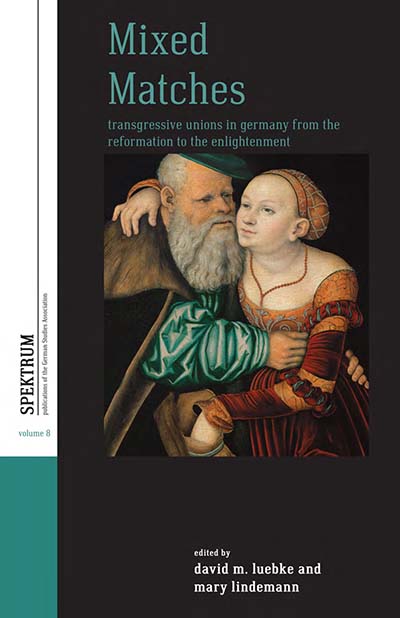
Taking as a point of departure Martin Luther’s redefinition of marriage, the contributors to this volume spin out the multiple ways that the Reformers’ attempts to simplify and clarify marriage affected education, philosophy, literature, high politics, diplomacy, and law. Ranging from the Reformation, through the ages of confessionalization, to the Enlightenment, Mixed Matches addresses the historical complexity of the socio-cultural institution of marriage.
Subject: History: Medieval/Early Modern
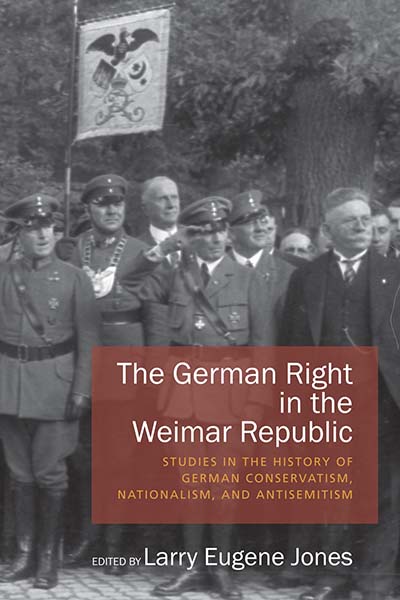
“The individual chapters range in quality from good to excellent....[and offer] a judicious mix of work from prominent academics and younger scholars. The weighing up of continuities and discontinuities between the Right and Nazism is well considered and offers refreshingly new insights into the history of inter-war Germany.” · Conan Fischer, University of St. Andrews
Subject: History: 20th Century to Present
Subjects: History: 20th Century to Present Sociology

Subject: History: 18th/19th Century
Subject: History: 20th Century to Present
Subjects: History: 20th Century to Present Refugee and Migration Studies
“Beate Meyer has chosen to research a serious subject that is by any standard difficult and painful to confront in an honest way… The book is a careful, detailed study of the Reich Association of Jews in Germany.” · Canadian Journal of History
“[The author] keeps the focus on the individual without ever losing sight of the overall crime. This book…can be considered as an essential contribution to the history of the extermination of the German Jews.” · Bulletin of the Fritz Bauer Institute, Frankfurt
“Beate Meyer succeeds in producing a nearly complete picture of procedures and decisions within the organization. In addition she describes openly but not without empathy the diverse, often narrow perspectives and possibilities of responsible individuals in their respective situation.” · Sehepunkte
Subjects: History: World War II Jewish Studies Genocide History
“This is an excellent edited collection. It provides a range of methodological approaches and is right up to date: it introduces a number of new academics onto the scene while also providing some old favourites. The volume significantly adds to our understanding of East Germany and its population. It provides a reassessment of antifascism and memory... Port’s introduction and Fulbrook’s chapter on memory are masterful.” · Mark Fenemore, Manchester Metropolitan University
Subject: History: 20th Century to Present
Subject: History: 18th/19th Century
“This is a very careful and meticulous study of the history of a forgotten science, namely Völkerpsychologie, a scholarly attempt to study the psychological structure of nations. We can now understand not just its complex origins reaching back to the German intellectual history of the early 19th century, but also the intellectual intricacies in the works of its main protagonists.” · Uffa Jensen, Max Planck Institute for Human Development
Subjects: History: 18th/19th Century History: 20th Century to Present Sociology
Subjects: History: Medieval/Early Modern History: 18th/19th Century Colonial History
Subject: History: 20th Century to Present
Subjects: Film and Television Studies History: 20th Century to Present
Subjects: History: World War II History: 20th Century to Present
Subjects: History: 20th Century to Present Cultural Studies (General)
Subject: Film and Television Studies
Subject: History: World War II
Subjects: History: World War II Genocide History
Subjects: History: 20th Century to Present Genocide History
Subjects: History (General) Gender Studies and Sexuality Cultural Studies (General) Sociology
Subjects: Film and Television Studies History: 20th Century to Present
Subject: History (General)
Subject: History: 20th Century to Present
Subject: History: 18th/19th Century
Subject: History: 20th Century to Present
Subjects: History (General) Cultural Studies (General)
Subjects: History: World War II Cultural Studies (General) Literary Studies
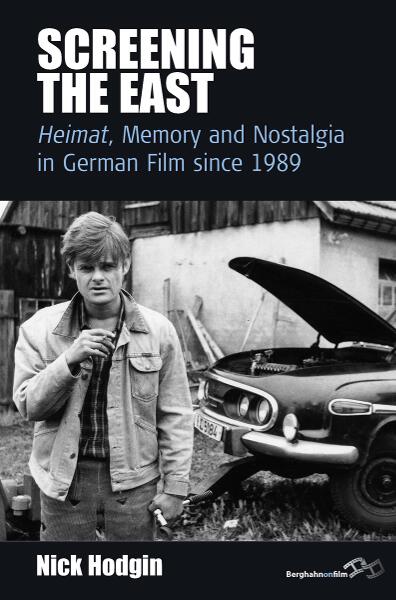
Subjects: Film and Television Studies History: 20th Century to Present
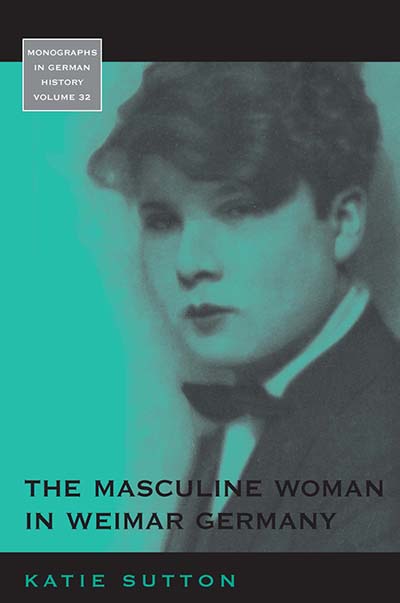
Subjects: Gender Studies and Sexuality History: 20th Century to Present
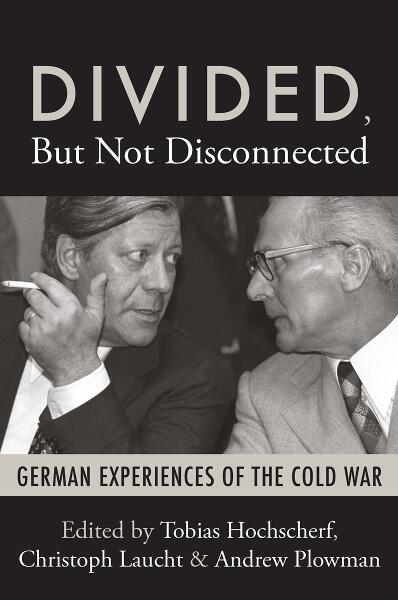
Subject: History: 20th Century to Present
Subject: History: 20th Century to Present
Subject: History: 20th Century to Present
Subjects: History: 20th Century to Present Educational Studies
Subjects: History (General) History: 20th Century to Present
Subjects: Urban Studies History: 20th Century to Present
Subjects: History: 20th Century to Present Gender Studies and Sexuality
Subjects: Jewish Studies History: World War II Genocide History
Subjects: History: World War II History: 20th Century to Present
Subject: Film and Television Studies
Subjects: Urban Studies Anthropology (General) Geography
Subject: History (General)
Subject: History: 20th Century to Present
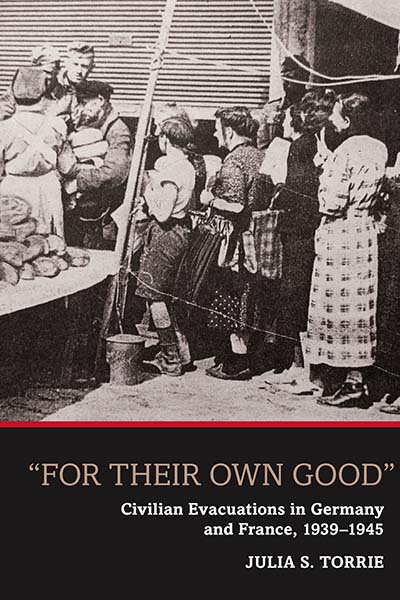
The early twentieth-century advent of aerial bombing made successful evacuations essential to any war effort, but ordinary people resented them deeply. Based on extensive archival research in Germany and France, this is the first broad, comparative study of civilian evacuations in Germany and France during World War II
Subject: History: World War II

The region of Alsace, located between the hereditary enemies of France and Germany, served as a trophy of war four times between 1870–1945. With each shift, French and German officials sought to win the allegiance of the local populace. In response to these pressures, Alsatians invoked regionalism—articulated as a political language, a cultural vision, and a community of identity—not only to define and defend their own interests against the nationalist claims of France and Germany, but also to push for social change, defend religious rights, and promote the status of the region within the larger national community.
Subject: History (General)
Subject: History (General)
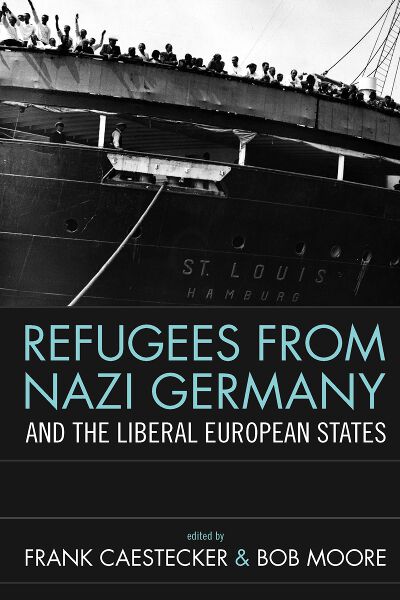
Subjects: History: World War II Refugee and Migration Studies
Subjects: History: 20th Century to Present Refugee and Migration Studies
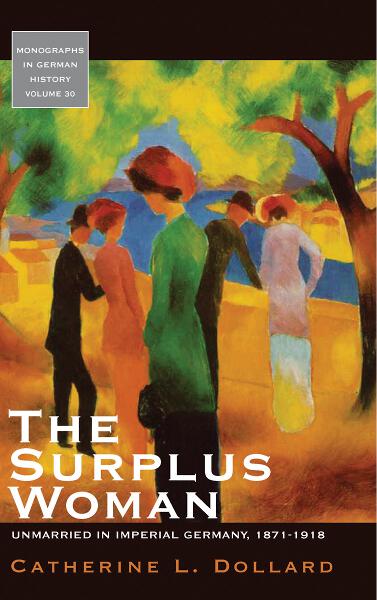
Subjects: Gender Studies and Sexuality History (General) Cultural Studies (General)
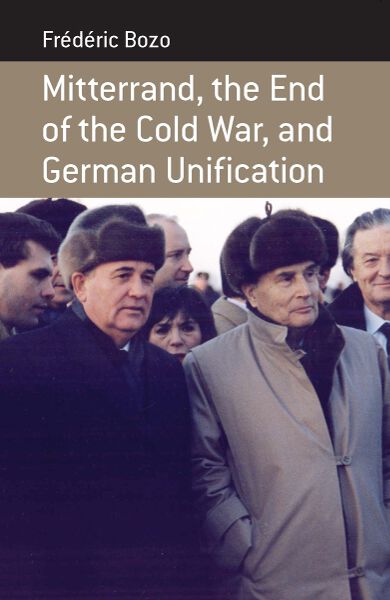
Subject: History: 20th Century to Present
Subjects: Film and Television Studies Gender Studies and Sexuality
Subject: History: 20th Century to Present
Subjects: History: World War II Genocide History Memory Studies Transport Studies
Subject: Film and Television Studies
Subject: History: 20th Century to Present
Subject: History: 20th Century to Present
Subject: History: 20th Century to Present
Subject: History: 20th Century to Present
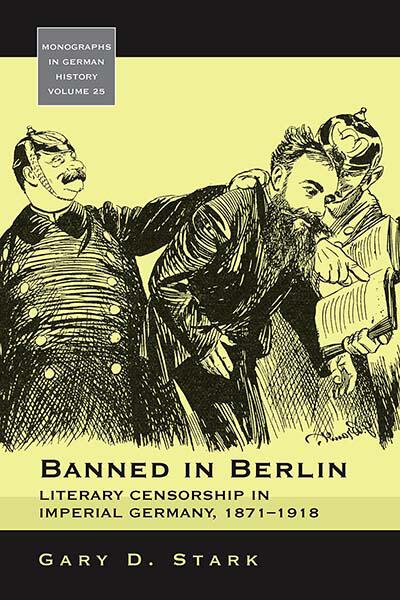
Subjects: History: 18th/19th Century Cultural Studies (General) Literary Studies
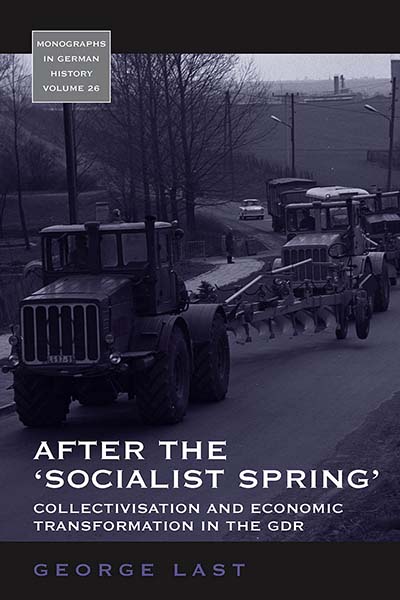
Subjects: History (General) History: 20th Century to Present
Subjects: Cultural Studies (General) Performance Studies History: 20th Century to Present
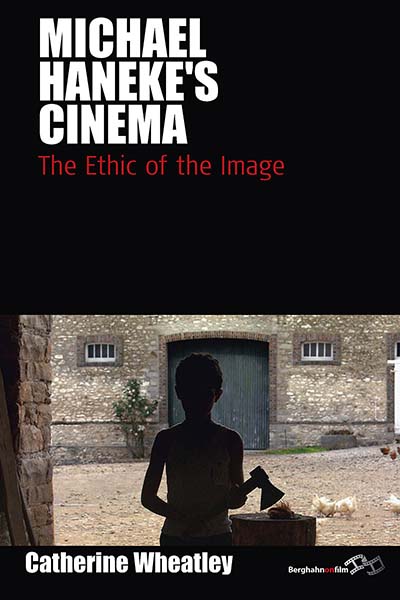
Subject: Film and Television Studies
Subject: History: 20th Century to Present
Subject: History: World War II
Subjects: History: 20th Century to Present Cultural Studies (General) Literary Studies
Subject: History: World War II
Subjects: Film and Television Studies Refugee and Migration Studies History: 20th Century to Present
Subjects: Environmental Studies (General) History: 20th Century to Present
Subjects: History: 20th Century to Present Cultural Studies (General) Sociology

Subjects: Environmental Studies (General) History: 20th Century to Present
Subject: History: 20th Century to Present

Subject: Film and Television Studies
Subject: History: 20th Century to Present
Subjects: History: 20th Century to Present Gender Studies and Sexuality Cultural Studies (General)
Subjects: History: 20th Century to Present Gender Studies and Sexuality Medical Anthropology
Subjects: Gender Studies and Sexuality History: 20th Century to Present
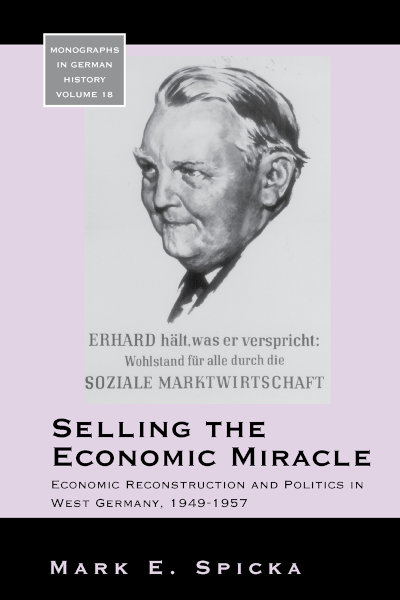
Subjects: History (General) History: 20th Century to Present
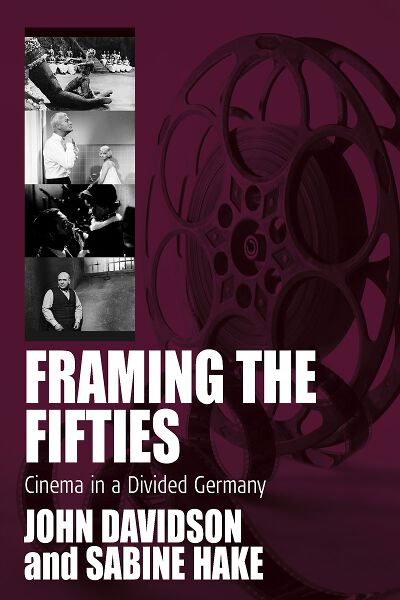
Subjects: Film and Television Studies History: 20th Century to Present
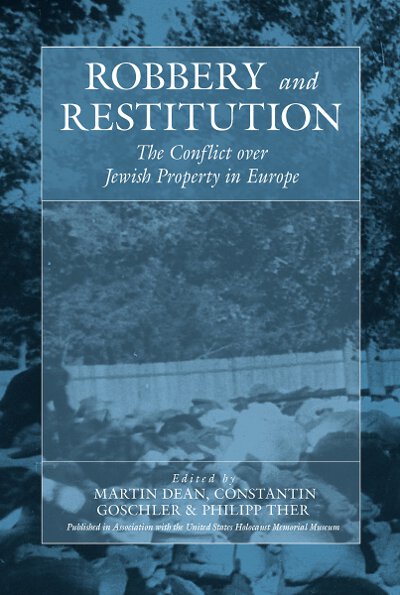
Subjects: Jewish Studies Genocide History
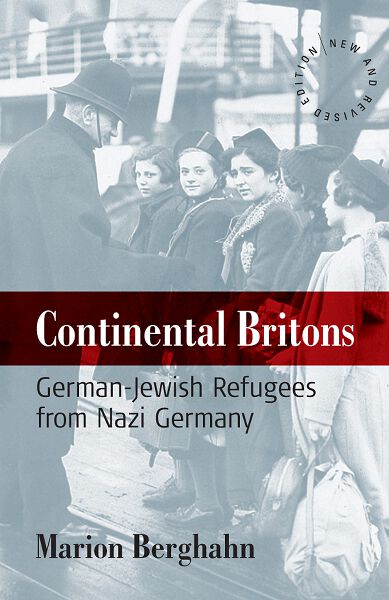
Subjects: Jewish Studies Refugee and Migration Studies History: 20th Century to Present Sociology
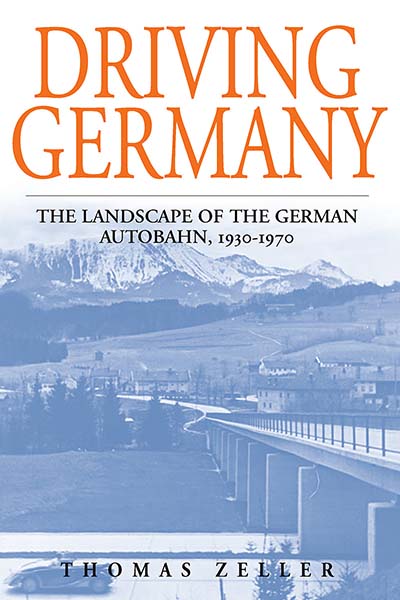
Subjects: Transport Studies History: 20th Century to Present Mobility Studies Environmental Studies (General)
Subject: History: 20th Century to Present
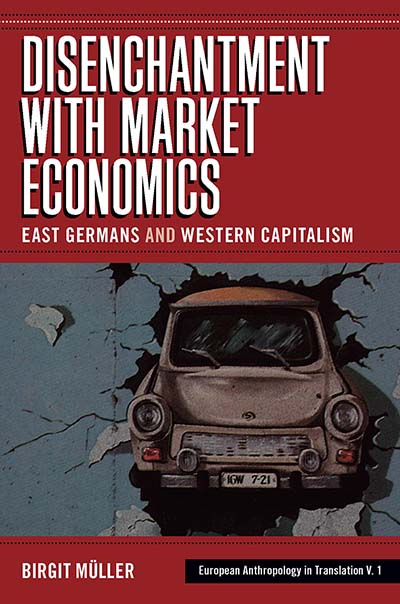
Subjects: History (General) Political and Economic Anthropology
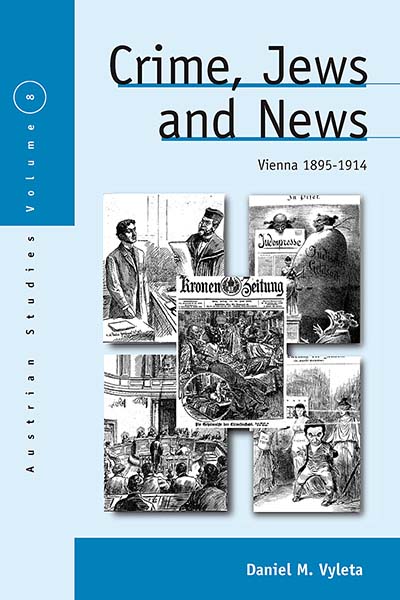
Subjects: Jewish Studies History: 18th/19th Century Media Studies
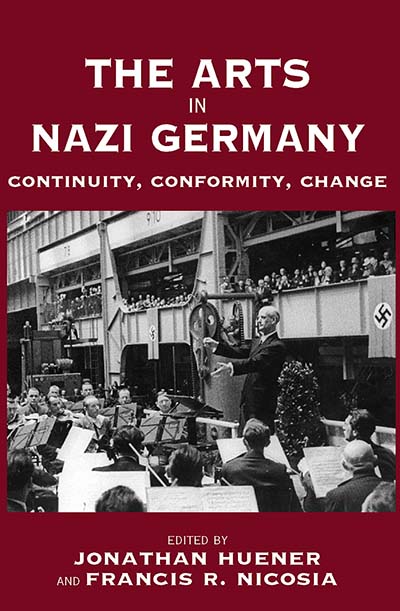
Subjects: History: World War II Cultural Studies (General)
Subject: History: 20th Century to Present
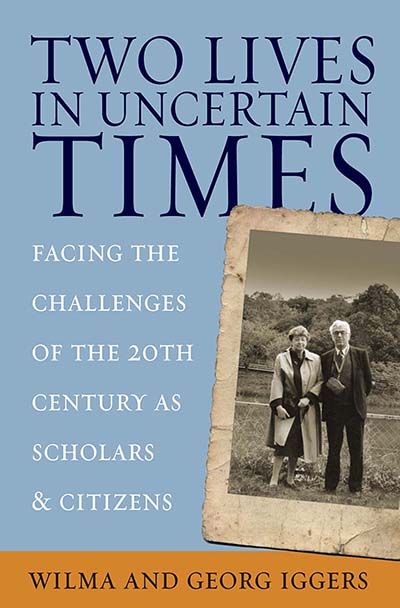
Subject: History: 20th Century to Present
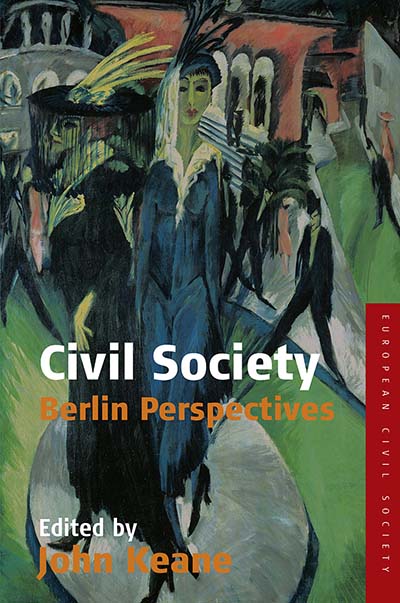
Subjects: Cultural Studies (General) Urban Studies
Subjects: History: 20th Century to Present Jewish Studies
Subjects: History: 18th/19th Century History: 20th Century to Present
Subjects: Film and Television Studies Jewish Studies
Subjects: Genocide History Jewish Studies
Subjects: History: 20th Century to Present Genocide History Heritage Studies
Subject: History: 18th/19th Century
Subjects: Genocide History History: 20th Century to Present
Subject: History: 20th Century to Present
Subject: History: 20th Century to Present
Subjects: History: World War II Genocide History
Subject: Cultural Studies (General)
Subjects: History (General) History: 20th Century to Present
Subjects: History: World War II Gender Studies and Sexuality Cultural Studies (General) Gender Studies and Sexuality

Subjects: History: 20th Century to Present Cultural Studies (General)
Subject: History: 20th Century to Present
Subject: Educational Studies
Subjects: History (General) History: 20th Century to Present Genocide History
Subjects: History (General) History: 18th/19th Century

Subjects: Film and Television Studies History: 20th Century to Present

Subjects: Literary Studies History: World War II
Subject: History: 20th Century to Present
Subjects: Performance Studies History: World War II Gender Studies and Sexuality
Subject: History: 18th/19th Century
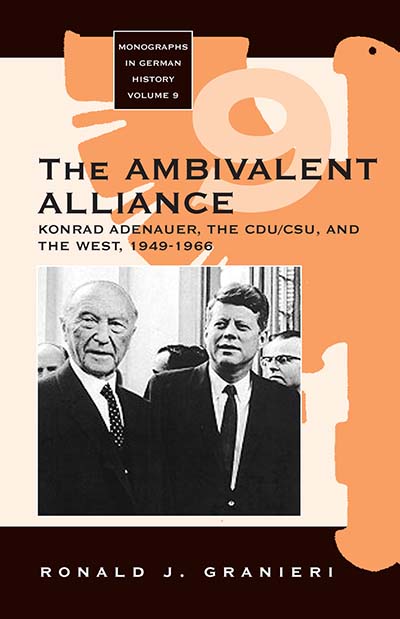
Subject: History: 20th Century to Present
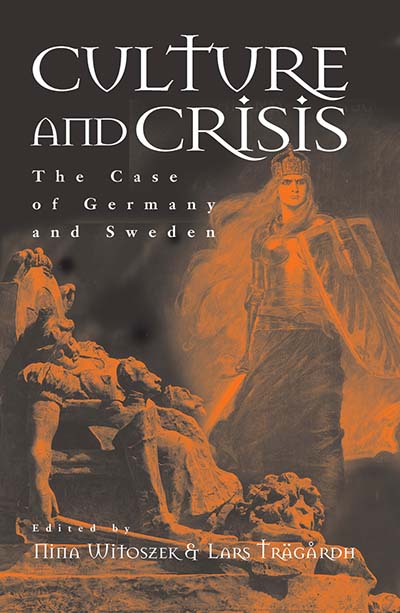
Subjects: Cultural Studies (General) History: 20th Century to Present
Subjects: History (General) Literary Studies Anthropology (General) Sociology
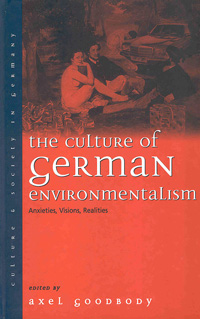
Subjects: Environmental Studies (General) Cultural Studies (General)
Subjects: Educational Studies History: 20th Century to Present
Subjects: Refugee and Migration Studies History: 20th Century to Present
Subjects: Refugee and Migration Studies
Subjects: History: World War II Genocide History
Subject: History: 20th Century to Present
Subjects: History: World War II Jewish Studies
Subjects: History (General) Refugee and Migration Studies
Subjects: Performance Studies History: World War II Literary Studies
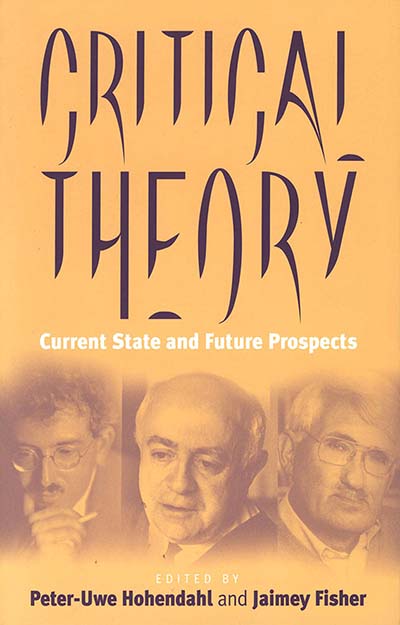
Subject: Cultural Studies (General)
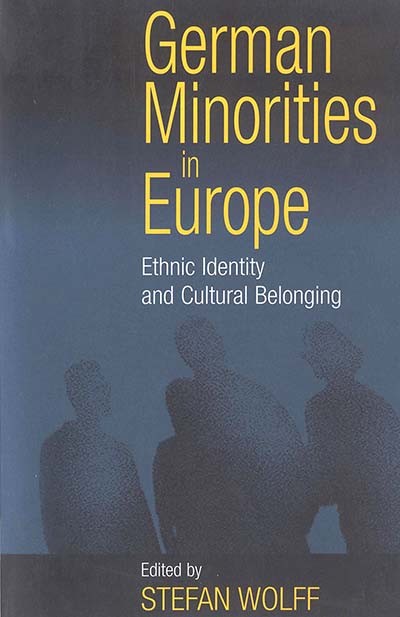
Subjects: Cultural Studies (General) Refugee and Migration Studies
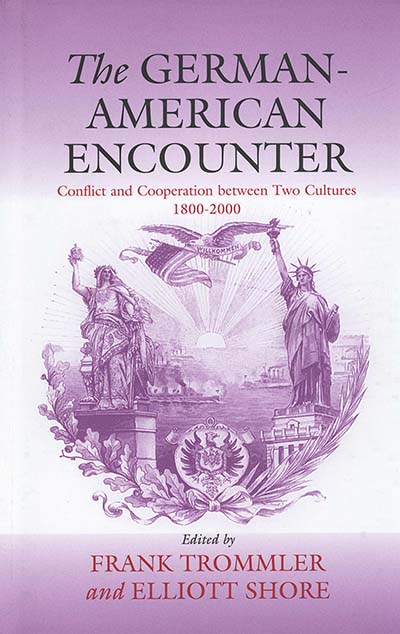
Subject: History (General)
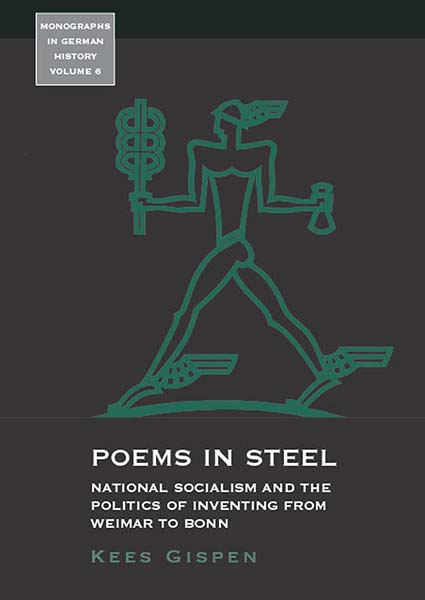
Subjects: History (General) History: 20th Century to Present Cultural Studies (General)
Subjects: History: World War II Genocide History
Subjects: History: 18th/19th Century History: 20th Century to Present Transport Studies
Subject: History: 20th Century to Present
Subjects: Gender Studies and Sexuality History: 20th Century to Present Cultural Studies (General)
Subject: History: 20th Century to Present
Subjects: History: 18th/19th Century Cultural Studies (General) Gender Studies and Sexuality
Subjects: Cultural Studies (General) History (General)
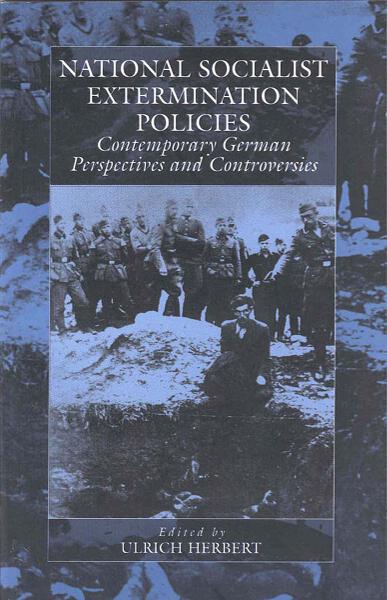
Subjects: History: World War II Genocide History Jewish Studies
Subject: History: 20th Century to Present
Subject: History: 20th Century to Present
Subject: History (General)
Subject: History: 20th Century to Present
Subjects: Film and Television Studies History: 20th Century to Present
Subjects: History (General) History: 18th/19th Century Sociology
Subject: Film and Television Studies
Subjects: Cultural Studies (General) Sociology Literary Studies
Subjects: Refugee and Migration Studies
Subject: History (General)
Subject: Refugee and Migration Studies
Subjects: Gender Studies and Sexuality Cultural Studies (General) History (General) Gender Studies and Sexuality
Subjects: Gender Studies and Sexuality Cultural Studies (General) History: 18th/19th Century
Subject: Refugee and Migration Studies
Subject: History: 20th Century to Present
Subjects: History: 20th Century to Present Literary Studies
Subject: History (General)
Subject: History: World War II
Subject: Refugee and Migration Studies
Subject: Refugee and Migration Studies
Subjects: Gender Studies and Sexuality Cultural Studies (General) Literary Studies
Subjects: Film and Television Studies History: 20th Century to Present Cultural Studies (General)
Subject: History: 20th Century to Present
Subjects: Cultural Studies (General) Literary Studies
Subjects: Performance Studies History: World War II Literary Studies
Subjects: Cultural Studies (General) Sociology
Subjects: History (General) History: 20th Century to Present
Subjects: History: World War II Film and Television Studies
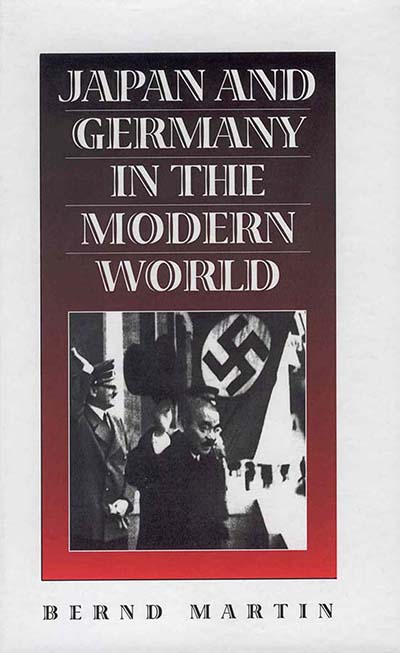
Subjects: History: 18th/19th Century History: 20th Century to Present
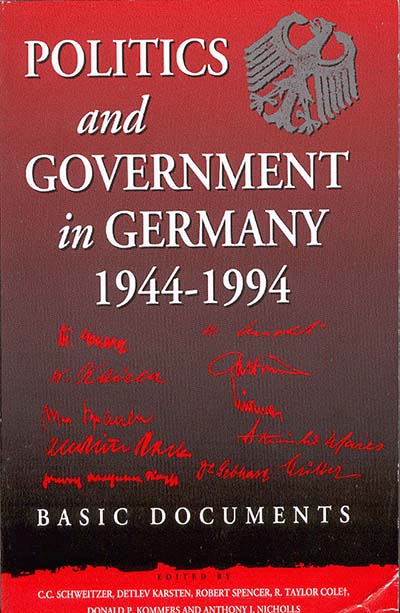
Subject: History: 20th Century to Present
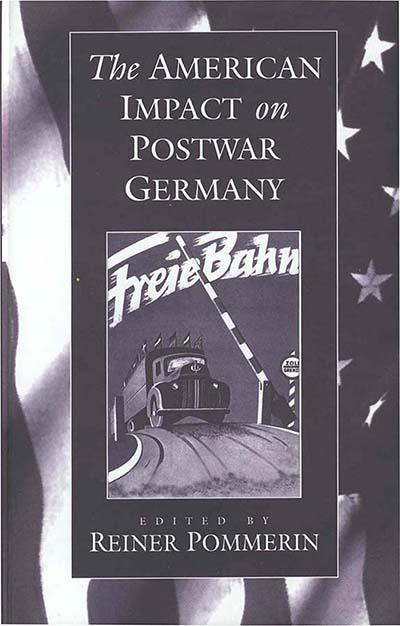
Subjects: History: 20th Century to Present Cultural Studies (General)
Subject: History: 20th Century to Present
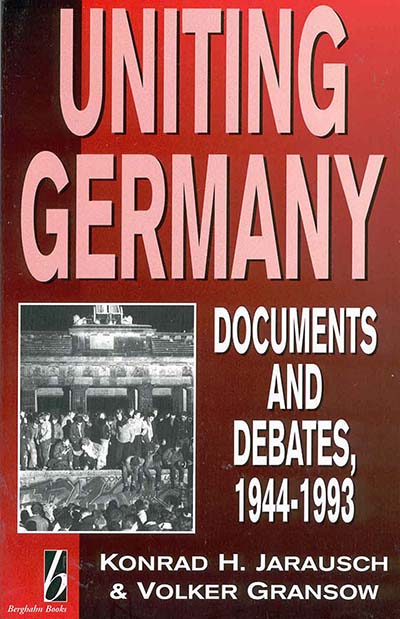
Subject: History: 20th Century to Present
This volume presents preliminary results of excavation at the Late Iron Age oppidum settlement of Kelheim. The volume addresses some major questions about late prehistoric Europe from the perspective of these excavations and the analytical results. It presents investigations into ritual behavior in the Kelheim region and uses this theme to argue for strong continuity of tradition from prehistoric times into the Middle Ages.