



Browse
by Paperbacks: Jewish Studies
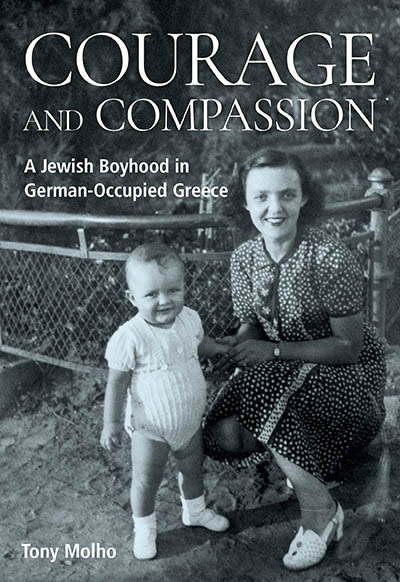
Tony Molho tells a dramatic story of survival under the most adverse conditions during the Holocaust. A historian himself now telling his own story, Molho writes an autobiographical text that speaks of a Jewish childhood in Greece during World War II and the Axis Occupation.
Subjects: Jewish Studies History: World War II Genocide History
Social History of German Jews traces the social history of modern German Jews from the end of the 18th century up to the aftermath of World War II, and focusses on the ascent of German Jews into the middle and upper-middle classes through both adversity and manifold forms of Jewish self-assertion.
Subjects: Jewish Studies History: 18th/19th Century History: 20th Century to Present
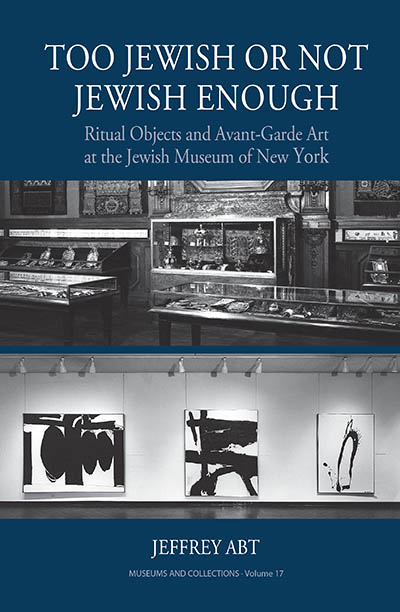
This volume explores the origins of the Jewish Museum of New York and its evolution from collecting and displaying Jewish ritual objects, to Jewish art, to exhibiting avant-garde art devoid of Jewish content, created by non-Jews. Established within a rabbinic seminary, the museum’s formation and development reflect changes in Jewish society over the twentieth century as it grappled with choices between religion and secularism, particularism and universalism, and ethnic pride and assimilation.
Subjects: Museum Studies Jewish Studies Cultural Studies (General)
Gender History of German Jews is a concise overview of German-Jewish gender agency and change against the “dawn of modernity” across both men and women who dealt with histories of status change, discrimination, persecution, and deportation.
Subjects: Jewish Studies History: 18th/19th Century History: 20th Century to Present
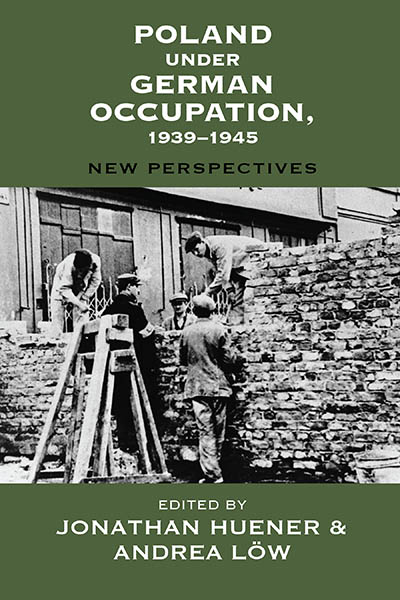
Poland under German Occupation, 1939-1945 explores questions of Polish-Jewish life that are rarely discussed and new methodological directions to advance debates on the complicity of Polish citizens during the mass murder of Jews under the nation’s Nazi occupation.
Subjects: History: World War II Genocide History Jewish Studies
Yiddish Transformed explores Jewish reading practices alongside the rise of Yiddish in Eastern Europe between 1860 and 1914 by delving into publishing policies of Yiddish books and newspapers, popular literary genres of the time, the development of Jewish public libraries, as well as reflections of reading experiences in life stories.
Subjects: Jewish Studies Literary Studies
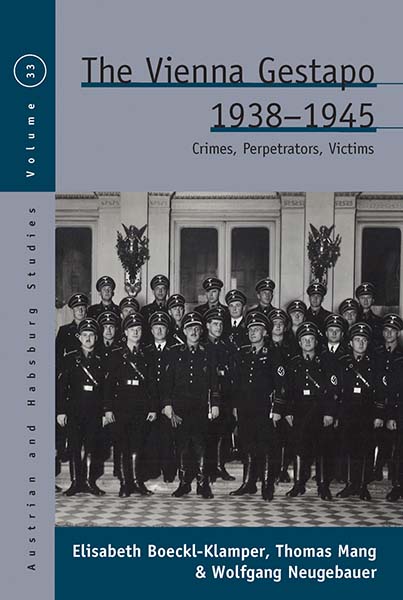
The Vienna Gestapo was the most important instrument of Nazi terror on Austrian soil. Through expert historical analysis of the Vienna Gestapo in the years 1938-1945, this volume provides a comprehensive presentation of not only the victims of persecution but also of the structures, organization and individuals actively involved on the Gestapo side.
Subjects: History: World War II Jewish Studies
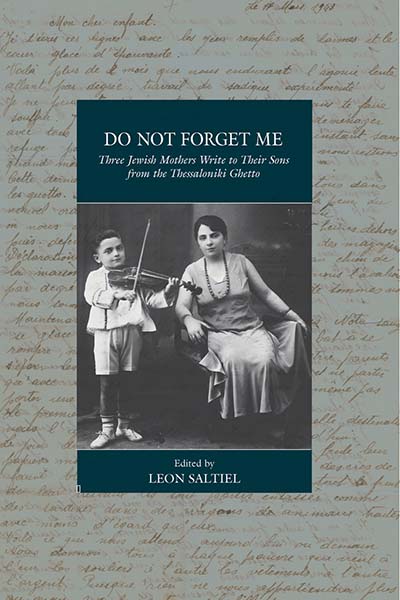
Following the Axis invasion of Greece, the Nazis began persecuting the country’s Jews as they had across occupied Europe, beginning with small indignities and culminating in mass imprisonment and deportations. Among the many Jews confined to the Thessaloniki ghetto during this period were Sarina Saltiel, Mathilde Barouh, and Neama Cazes—three women bound for Auschwitz who spent the weeks before their deportation writing to their sons.
Subjects: Jewish Studies History: World War II Genocide History
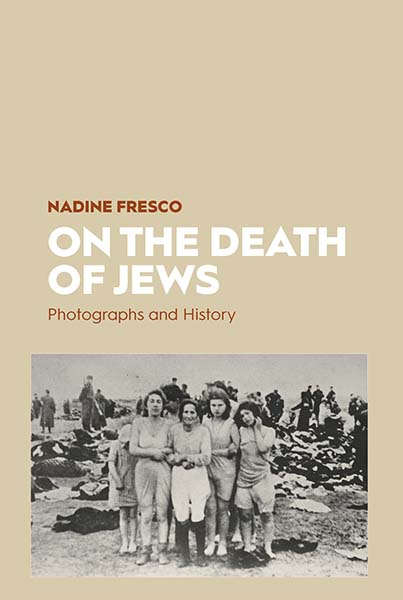
In this trenchant meditation on photographs from an atrocity in Latvia during the Holocaust, Nadine Fresco argues for the vital importance of photographs—and nontraditional sources more broadly—for understanding the Holocaust. She confronts charged questions around guilt and testimony while teasing out the subtle implications of camera angles, photo sequencing, and body language, helping us to see anew the perspectives of victims, perpetrators, and others who witnessed the brutality of the Holocaust.
Subjects: Genocide History Media Studies Jewish Studies
This new edition makes Theodor Lessing’s seminal work Der Jüdische Selbsthaß accessible to English readers for the first time, supplemented with explanatory footnotes by translator Peter Appelbaum and illustrative essays by historian Sander L. Gilman and German scholar Paul Reitter.
Subject: Jewish Studies
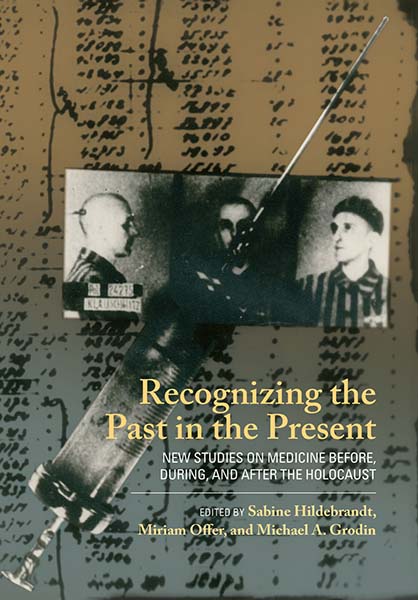
This interdisciplinary collection assembles a chain of documentation on the critical role of medicine in realizing the policies of Hitler’s regime. It traces the historical legacies of National Socialist medicine from their roots in the racial theories of the 1920s, through their manifestation in the Nazi period, and on to legacies and continuities from the postwar years to the present.
Subjects: History: 20th Century to Present Genocide History Jewish Studies
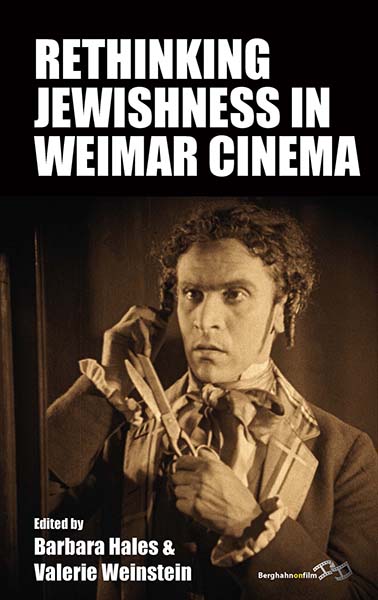
The film industry in the Weimar Republic was a major site for German-Jewish experience that provided a sphere for Jewish "outsiders" to shape mainstream culture. The essays in Rethinking Jewishness in Weimar Cinema offer new historical, theoretical, and methodological approaches to the significant involvement of Jewish people in Weimar cinema.
Subjects: Film and Television Studies Jewish Studies History: 20th Century to Present

Antisemitism in Galicia investigates the interaction of agitation, violence, and politics against Jews on the periphery of the Danube monarchy. In its comprehensive analysis of the functions and limitations of propaganda, rumors, and mass media, it shows just how significant antisemitism was to the politics of coexistence among Christians and Jews on the eve of the Great War.
Subjects: History: 18th/19th Century Jewish Studies
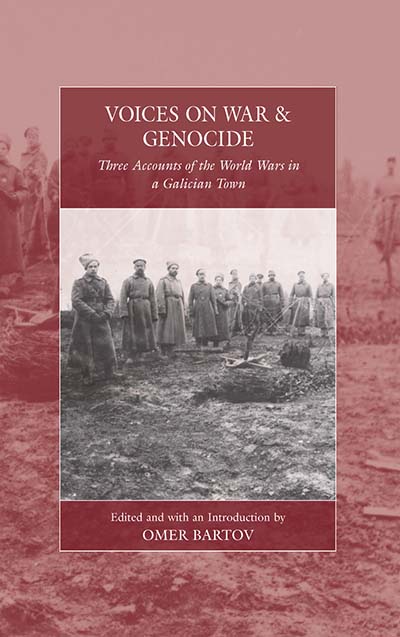
Taking as its point of departure Omer Bartov’s acclaimed recent monograph Anatomy of a Genocide, this volume brings together three extensive and previously unknown accounts of residents from the Ukrainian town of Buczacz, covering events during and between both world wars.
Subjects: History: World War II Jewish Studies Genocide History
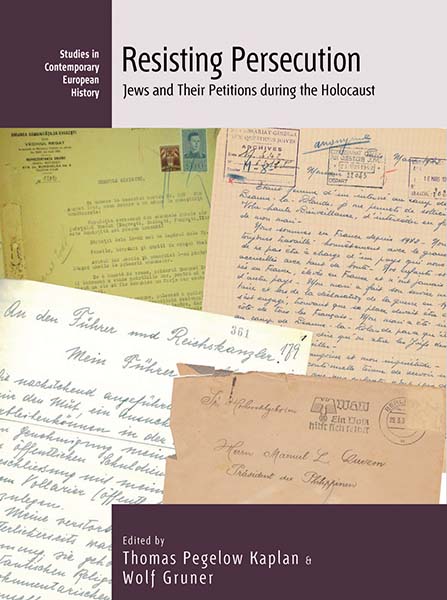
This volume offers the first extensive analysis of entreaties from persecuted Jews in the Nazi era, demonstrating their largely unappreciated value as a historical source and as an attempt to reclaim agency in increasingly desperate political circumstances.
Subjects: History: 20th Century to Present Jewish Studies Genocide History
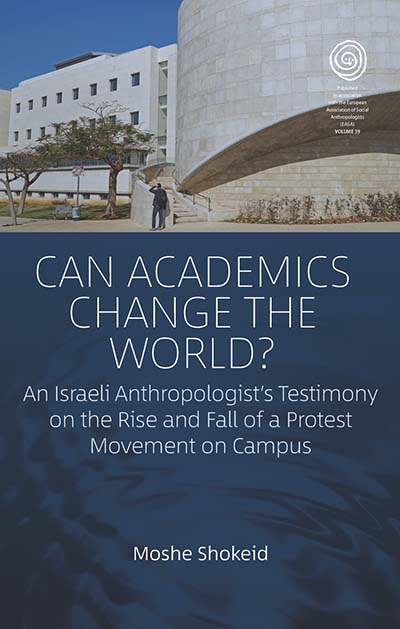
Moshe Shokeid narrates his experiences as a member of AD KAN (NO MORE), a protest movement of Israeli academics at Tel Aviv University, who fought against the Israeli occupation of Palestinian territories, founded during the first Palestinian intifada/uprising (1987-1993).
Subjects: Political and Economic Anthropology Jewish Studies Anthropology (General) Educational Studies
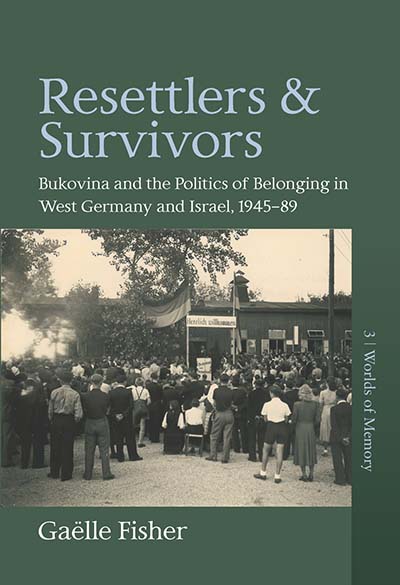
Resettlers and Survivors focuses on two groups of Bukovinians—ethnic Germans and German-speaking Jews—who navigated dramatically changed political and social circumstances in 1945. This study gives a nuanced account of how they dealt with the difficult legacies of World War II, while exploring Bukovina’s significance for them as both a geographical location and a “place of memory.”
Subjects: History: 20th Century to Present Jewish Studies Refugee and Migration Studies Memory Studies
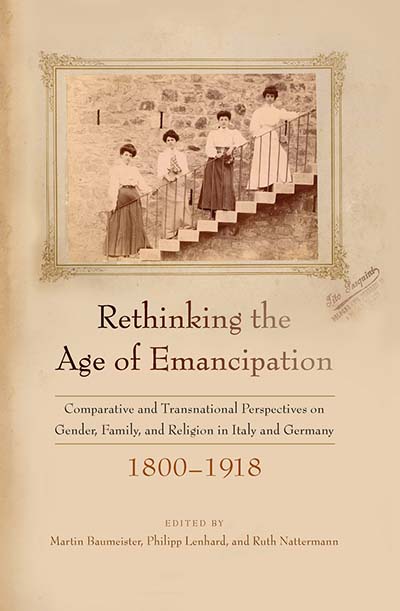
Rethinking the Age of Emancipation aims at a critical reassessment of the development of the two “late” nations, Italy and Germany, from a new and transnational perspective. Essays by an international and interdisciplinary group of scholars examine the discursive relationships among nationalism, war, and emancipation as well as the ambiguous roles of historical protagonists with competing loyalties.
Subjects: History: 18th/19th Century Jewish Studies Gender Studies and Sexuality Sociology
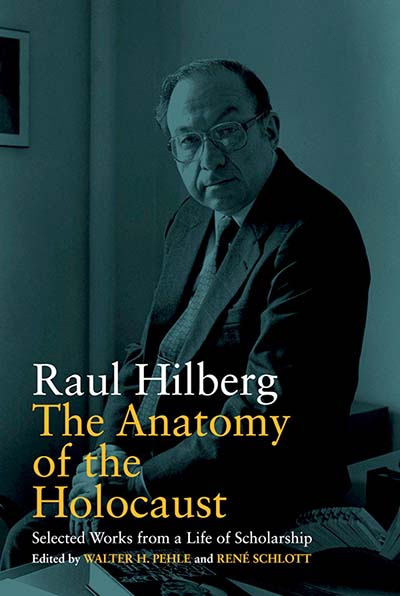
Pehle, W. H. & Schlott, R. (eds)
Historian Raul Hilberg produced a variety of archival research, personal essays, and other works over a career that spanned half a century. The Anatomy of the Holocaust collects some of Hilberg’s most essential and groundbreaking writings—many of them published in obscure journals or otherwise inaccessible to nonspecialists—in a single volume.
Subjects: Genocide History Jewish Studies
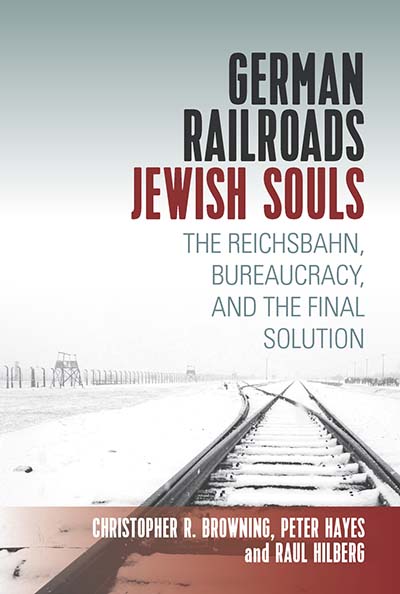
This book centers around preeminent Holocaust scholar Raul Hilberg’s landmark study of Nazi railways and their roles within the Jewish genocide. Supplemented with additional writings from Hilberg, primary source materials, and a comprehensive historical survey from leading scholars Christopher Browning and Peter Hayes, this is a rich and accessible introduction to a topic in Holocaust history that remains understudied even today.
Subjects: Jewish Studies Genocide History Transport Studies
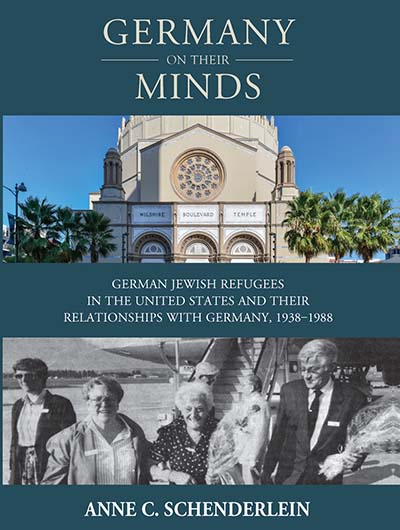
Throughout the 1930s and early 1940s, the United States granted asylum to approximately ninety thousand German Jews fleeing the horrors of the Third Reich. Author Anne C. Schenderlein gives a fascinating account of these entangled histories on both sides of the Atlantic and demonstrates the remarkable extent to which German Jewish refugees helped shape the course of West German democratization.
Subjects: Jewish Studies Refugee and Migration Studies History: 20th Century to Present
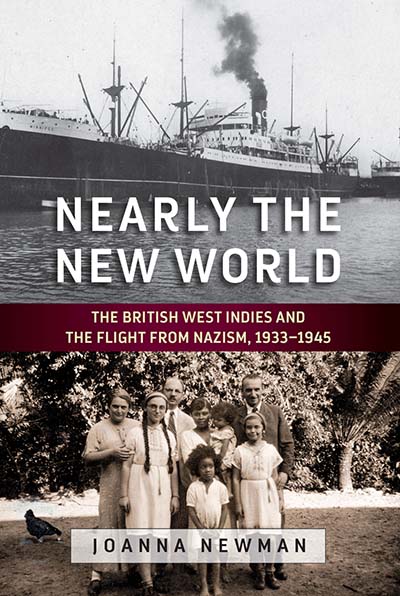
In the years leading up to the Second World War, increasingly desperate European Jews looked to far-flung destinations such as the Barbados, Trinidad, and Jamaica in search of refuge. Nearly the New World tells the remarkable story of Jewish refugees who overcame persecution and sought safety in the West Indies from the 1930s through the end of World War II
Subjects: Jewish Studies Genocide History History: World War II Refugee and Migration Studies
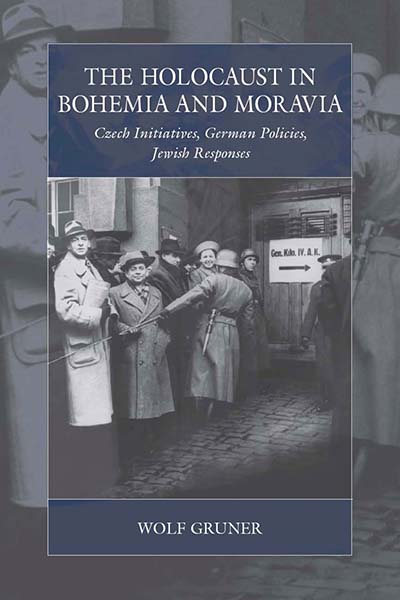
After the establishment of the Protectorate of Bohemia and Moravia, Czech and German authorities adopted radicalized anti-Jewish policies, including depriving Jews of their property, hauling them into forced labor, and deporting them to concentration camps. In this pioneering study, Wolf Gruner demonstrates that these proceedings were not only controlled by Berlin, but also driven forward by the Czech government and local authorities.
Subjects: Jewish Studies Genocide History
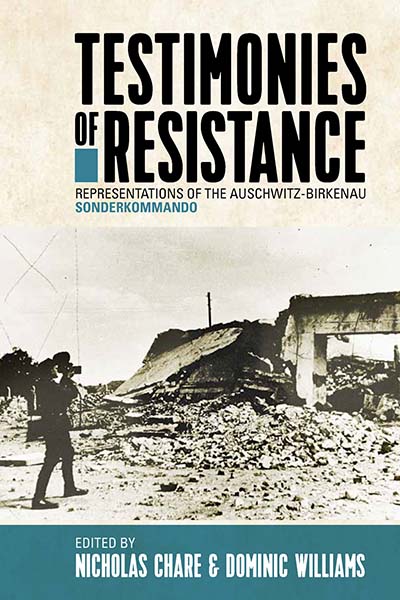
As eyewitnesses to and unwilling abettors of the murder of their fellow Jews, the Sonderkommando comprise one of the most fascinating and troubling topics within Holocaust history. This interdisciplinary collection assembles careful investigations into how the Sonderkommando have been represented—both by themselves and by others—during and since the Holocaust.
Subjects: History: World War II Genocide History Jewish Studies
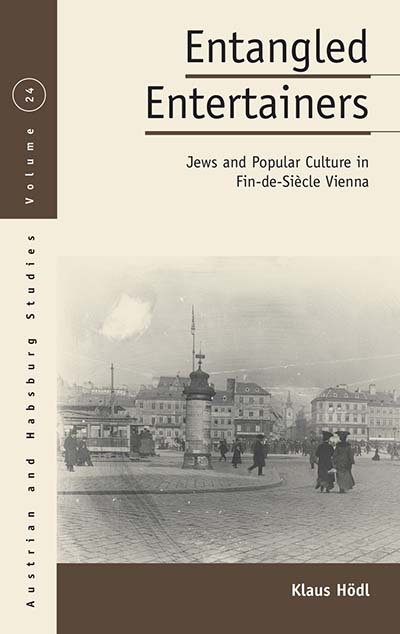
Viennese popular culture at the turn of the twentieth century was shaped jointly by Jews and non-Jews alike, though their relationship was not immune to bouts of anti-Semitism. The case studies in this book provide new findings in understanding what it meant to be Jewish among artists, performers and impresarios at the turn of the twentieth century.
Subjects: Jewish Studies History: 20th Century to Present Cultural Studies (General)
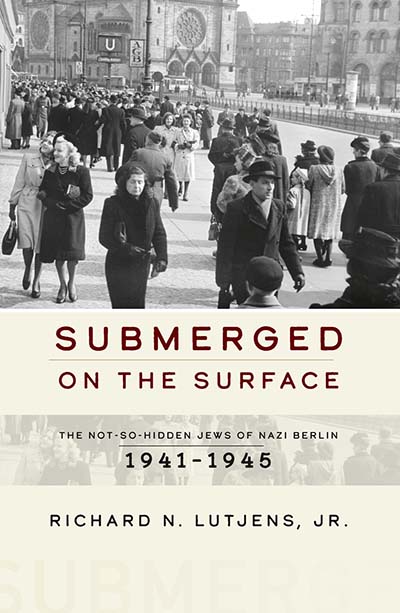
Between 1941 and 1945, some 6,500 Berlin Jews, in fear for their lives, made the choice to flee their impending deportations and live submerged in Nazi Germany. This book sheds light on the daily life of those who hid and on the city that was both the source of their persecution and the site of their survival.
Subjects: Jewish Studies Genocide History
Hundreds of Jewish men, women and children escaped from deportation trains bound for extermination camps by making a dangerous leap from the moving train. Drawing from extensive interviews and new sources, Tanja Fransecky sheds light on a hitherto neglected chapter of Jewish resistance to the National Socialist extermination policy.
Subjects: Genocide History Jewish Studies Mobility Studies
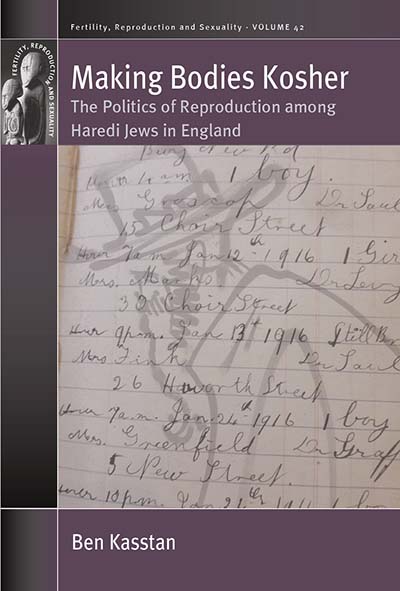
Analyses the ways in which Haredi Jews negotiate healthcare services using theoretical perspectives in political philosophy. This is the first archival and ethnographic study of Haredi Jews in the UK, and will allow readers to understand how reproductive care issues affect this growing minority population.
Subjects: Medical Anthropology Jewish Studies Anthropology of Religion
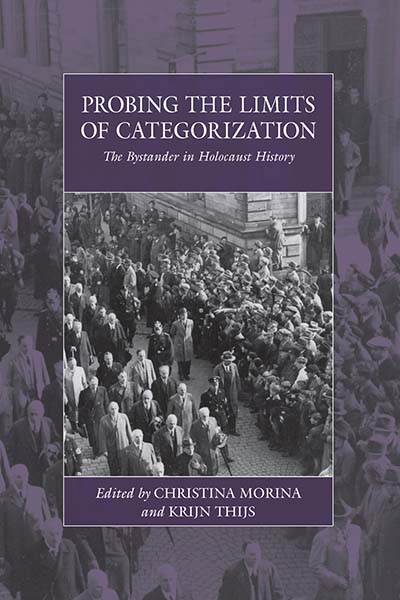
This volume discusses a number of case studies addressing the history of bystanding during and after the Nazi era. Combining historiographical, conceptual and empirical contributions, Probing the Limits of Categorization explores the roles and experiences of individuals caught up in the dynamics of state-sponsored genocidal violence.
Subjects: Genocide History Jewish Studies History: 20th Century to Present
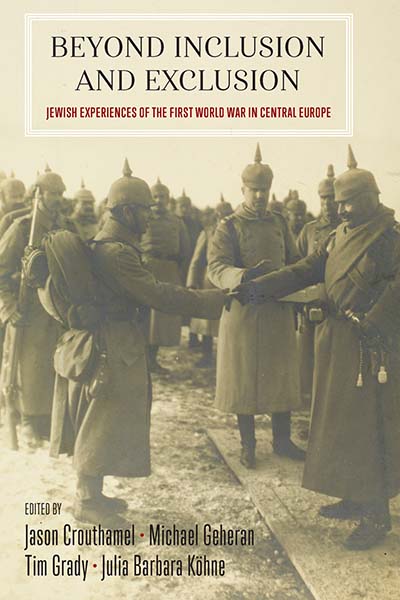
Beyond Inclusion and Exclusion recaptures the multifariousness of Central European Jewish life through the experiences of both soldiers and civilians during World War I. This collection explores rare sources and employs novel interdisciplinary methods to illuminate four interconnected themes: minorities and the meaning of military service, Jewish-Gentile relations, the cultural legacy of the war, and memory politics.
Subjects: Jewish Studies History: World War I History: 20th Century to Present
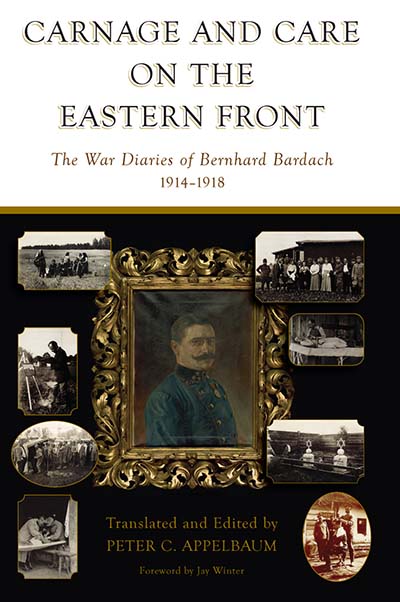
Care and Carnage on the Eastern Front documents the day-to-day life of a doctor serving on the Eastern Front between 1914-1918. Bardach’s meticulous records offer a personal glimpse into the critical first weeks of fighting as well as the ultimate collapse of the Austro-Hungarian Army.
Subjects: History: World War I Jewish Studies
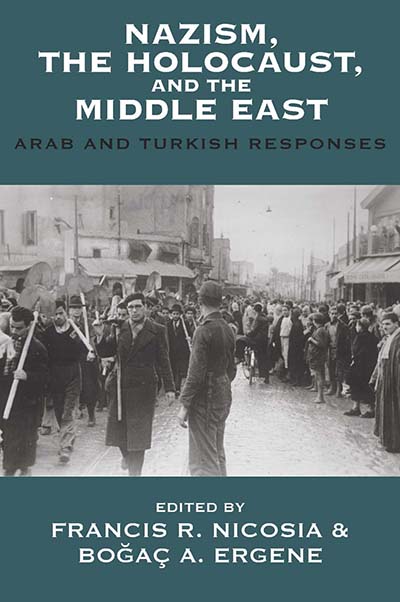
How was Nazism received in the Middle East? By focusing on Arab and Turkish reactions to Nazi anti-Semitism and persecution of the Jews in Germany and Europe, this collection offers a fresh perspective on institutional and popular attitudes towards Jewish communities throughout the Middle East during the 1930s and 1940s.
Subjects: Genocide History Jewish Studies
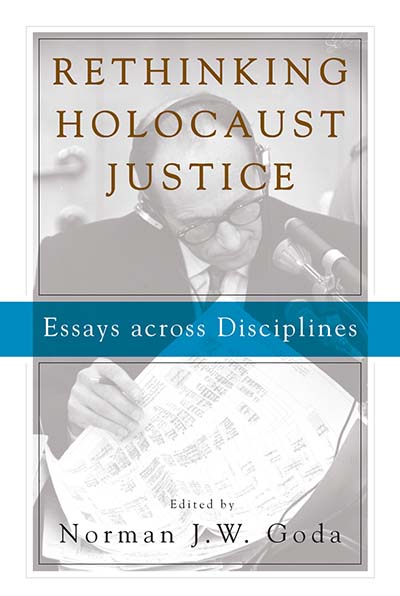
In the past two decades, the subject of post-Holocaust justice has experienced a surge of interest among historians and legal scholars. Rethinking Holocaust Justice offers a multifaceted approach to post-Holocaust justice, bringing together leading scholars from a variety of disciplines to explore the complexity of these issues.
Subjects: Genocide History History: 20th Century to Present Jewish Studies
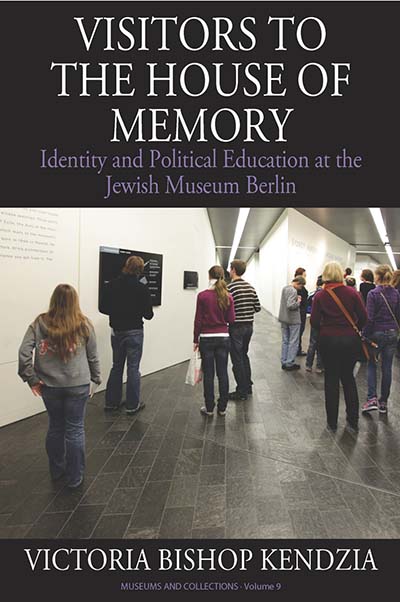
By accompanying a range of senior high school history students before, during and after their visits to the museum, Visitors to the House of Memory is an intimate exploration of how young Berliners from across the city experience the Jewish Museum Berlin.
Subjects: Museum Studies Jewish Studies Educational Studies Memory Studies
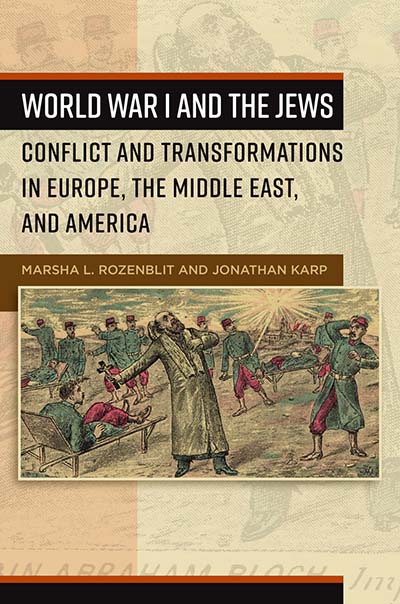
World War I utterly transformed the lives of Jews around the world, allowing them to demonstrate patriotism, dispel antisemitic myths, and fight for their rights. This book provides a fascinating survey of the ways in which Jewish communities in Europe, North America, and the Middle East participated in and were changed by the Great War during and after the conflict.
Subjects: Jewish Studies History: World War I
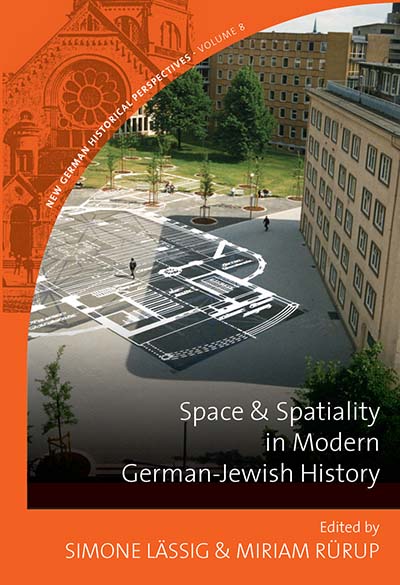
This wide-ranging volume revisits both literal and metaphorical spaces in modern German history, working from an expansive concept of “the spatial” to examine the ways in which Jewishness has been attributed to them, and what the implications have been in different eras and social contexts.
Subjects: Jewish Studies History: 20th Century to Present History: 18th/19th Century
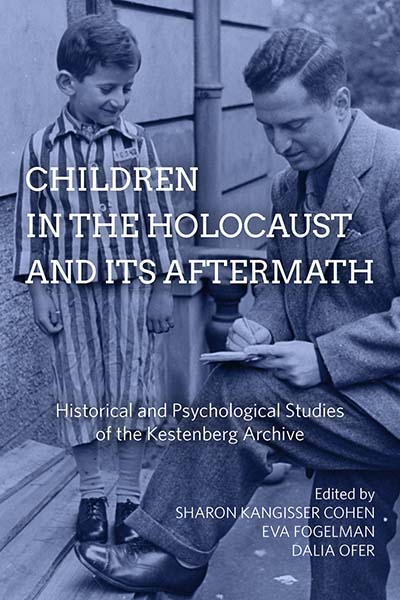
The testimonies of individuals who survived the Holocaust as children pose distinct challenges for researchers, requiring them to often follow simultaneous, disparate narratives. This interdisciplinary volume brings together historians, psychologists, and other scholars to explore child survivors’ accounts, with a central focus on the Kestenberg Holocaust Child Survivor Archive’s over 1,500 testimonies.
Subjects: Genocide History Jewish Studies
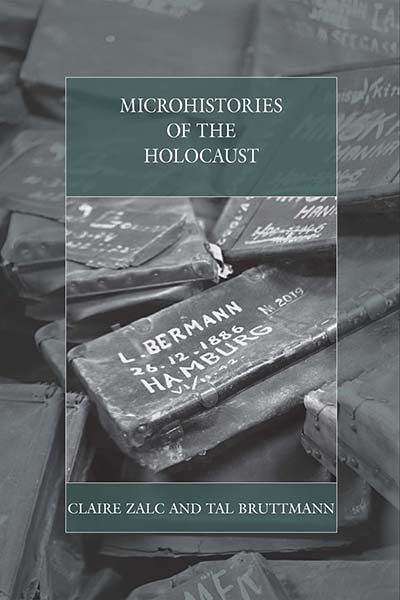
Increasingly, recent historical scholarship has demonstrated a willingness to study the Holocaust at scales as focused as a single neighborhood or family. This volume brings together scholars to reflect on the ongoing microhistorical turn in Holocaust studies, assessing its historiographical pitfalls as well as the distinctive opportunities it affords researchers.
Subjects: Genocide History History: World War II Jewish Studies
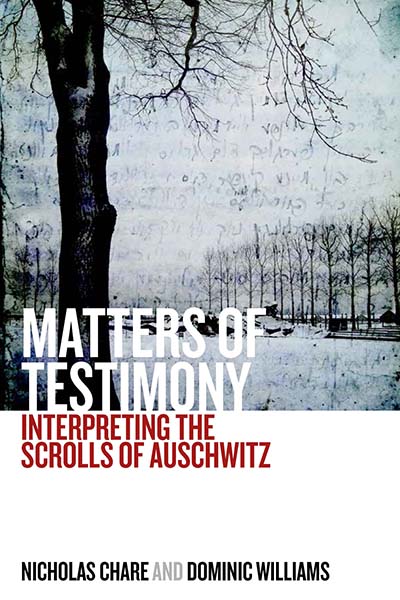
In 1944, a number of Sonderkommando—“special squads” of Jewish prisoners who kept the gas chambers running smoothly—buried on the grounds of Auschwitz a series of remarkable eyewitness accounts. This study reconstructs their history and textual content, revealing literary works that raise troubling questions about the nature of testimony.
Subjects: Genocide History History: World War II Jewish Studies
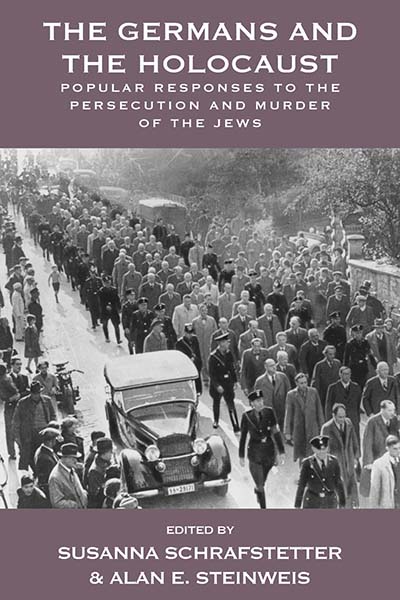
For decades, historians have debated how and to what extent the Holocaust penetrated the German national consciousness between 1933 and 1945. This compact volume brings together six historical investigations into the subject from leading scholars, employing newly accessible and previously underexploited evidence.
Subjects: History: 20th Century to Present Jewish Studies Genocide History
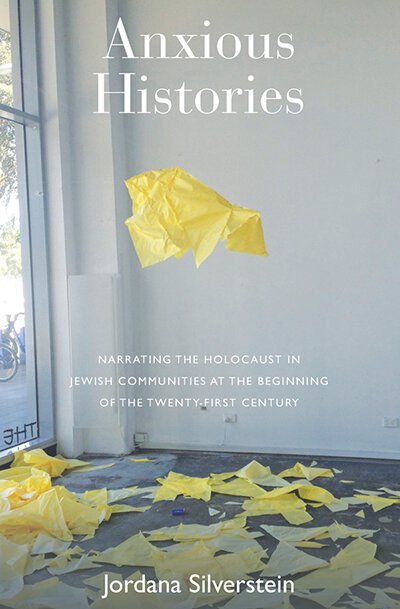
Over the last 70 years, memories and narratives of the Holocaust have played a significant role in constructing Jewish communities. This book explores one field where these narratives are disseminated: Holocaust pedagogy in Jewish schools in Melbourne and New York.
Subjects: Genocide History Jewish Studies
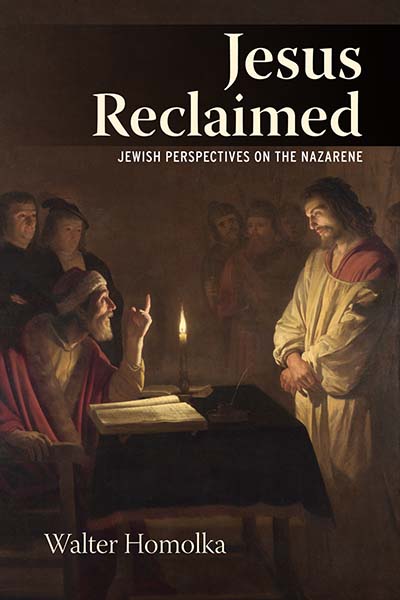
After centuries of persecution, oppression, forced migrations, and exclusion in the name of Christ, the development of a Jewish “Quest for the Historical Jesus” might seem unexpected. This book gives an overview and analysis of the various Jewish perspectives on the Nazarene throughout the centuries.
Subject: Jewish Studies
For many years, histories of the Holocaust focused on its perpetrators, and only recently have more scholars begun to consider in detail the experiences of victims and survivors, as well as the documents they left behind. This volume contains new research from internationally established scholars. It provides an introduction to and overview of Jewish narratives of the Holocaust.
Subjects: Genocide History Jewish Studies
“This book opens up important issues not dealt with extensively in the historiography so far. Unlike with some other post-Communist countries, and Poland in particular, there hasn't been that much interest in the topic of commemoration and historicisation of the Holocaust in post-Communist Czechoslovakia…The author should be praised for the critical distance with which he approaches the historical cultures in both parts of former Czechoslovakia and its actors.” · Michal Frankl, Jewish Museum in Prague
Subjects: Genocide History History: World War II Jewish Studies
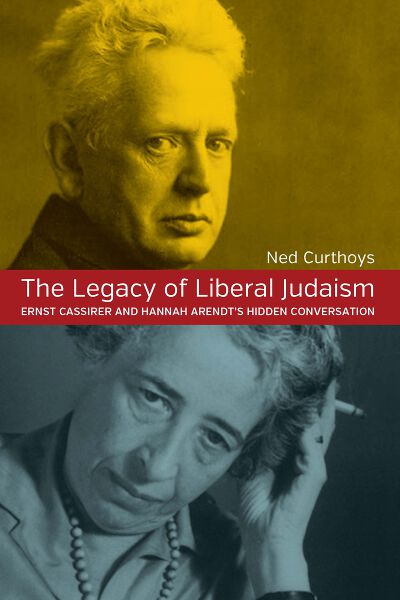
“This is an important fresh look at modern intellectual history at the interface of philosophy and Jewish thought. It has a persuasive line of argument and illuminating discussions of the subject. It adds a crucial strand to the weave of modern intellectual history and argues that, unless close attention is paid to the dimension of Jewish thought in this project, this history remains misunderstood.” · Willi Goetschel, University of Toronto
Subjects: Jewish Studies History (General)
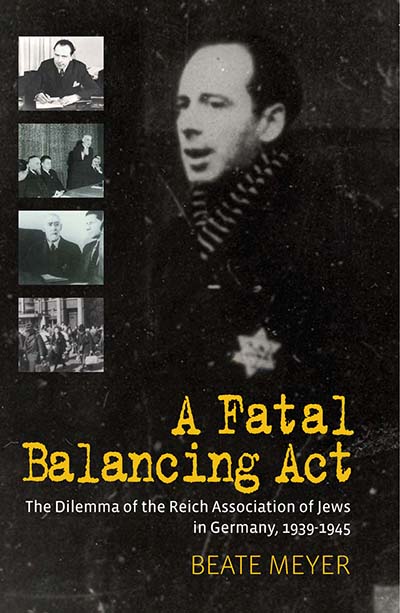
“Beate Meyer has chosen to research a serious subject that is by any standard difficult and painful to confront in an honest way… The book is a careful, detailed study of the Reich Association of Jews in Germany.” · Canadian Journal of History
“[The author] keeps the focus on the individual without ever losing sight of the overall crime. This book…can be considered as an essential contribution to the history of the extermination of the German Jews.” · Bulletin of the Fritz Bauer Institute, Frankfurt
“Beate Meyer succeeds in producing a nearly complete picture of procedures and decisions within the organization. In addition she describes openly but not without empathy the diverse, often narrow perspectives and possibilities of responsible individuals in their respective situation.” · Sehepunkte
Subjects: History: World War II Jewish Studies Genocide History
Subjects: Genocide History History (General) Jewish Studies
Subjects: Jewish Studies Cultural Studies (General) Sociology
Subjects: Sociology Jewish Studies
Subjects: Jewish Studies History (General)
Subjects: Jewish Studies Sociology
Subjects: Jewish Studies History: 20th Century to Present Literary Studies
Subjects: Jewish Studies History: World War II Genocide History
Subjects: History: World War II Genocide History Jewish Studies
Subjects: Anthropology (General) Jewish Studies Memory Studies Travel and Tourism
Subjects: Jewish Studies Genocide History
Subjects: Jewish Studies History: World War II Literary Studies
Subjects: Jewish Studies Refugee and Migration Studies History: 20th Century to Present Sociology
Subjects: Jewish Studies History: 18th/19th Century Media Studies
Subjects: Jewish Studies Cultural Studies (General)
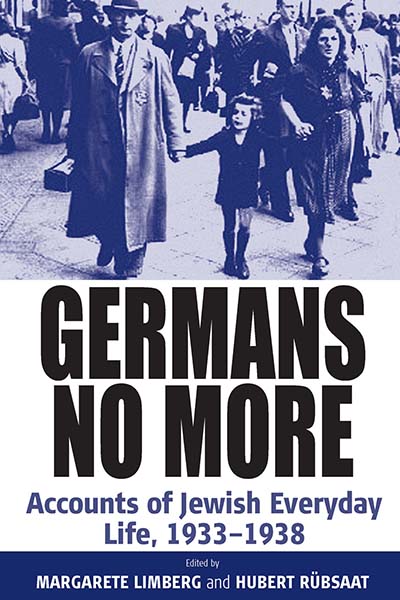
Subjects: History: 20th Century to Present Jewish Studies
Subjects: Film and Television Studies Jewish Studies
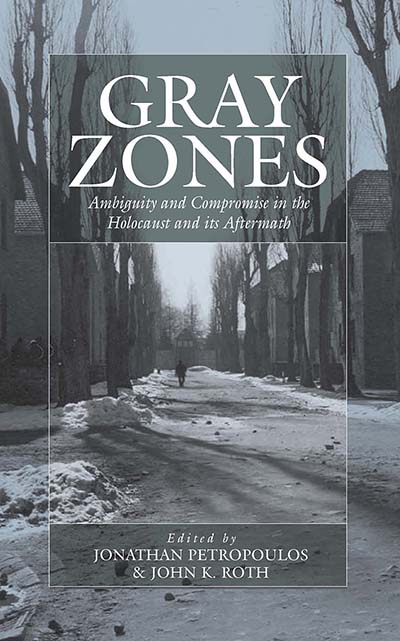
Subjects: Genocide History Jewish Studies
Subjects: Jewish Studies Environmental Studies (General)
Subject: Jewish Studies
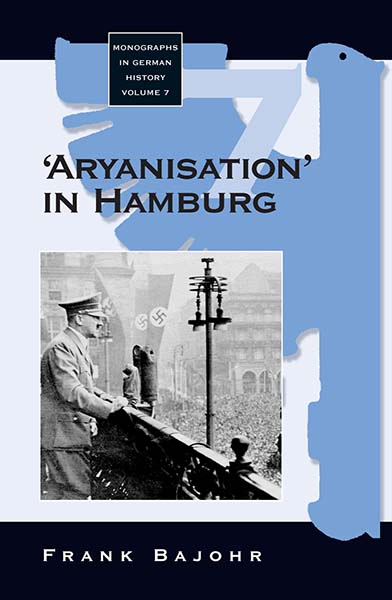
Subjects: History: World War II Jewish Studies
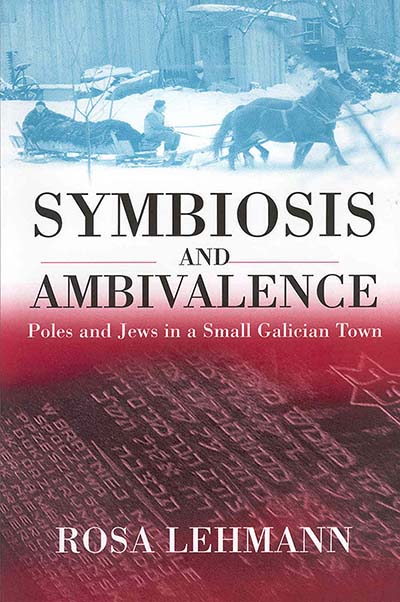
Subjects: Jewish Studies Genocide History
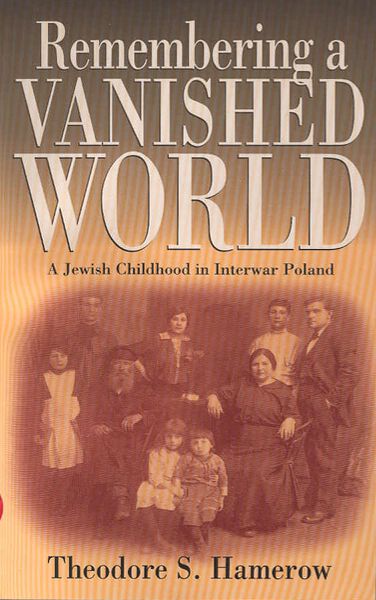
Subjects: Jewish Studies History: 20th Century to Present Memory Studies
Subject: Jewish Studies
Subjects: Jewish Studies History: Medieval/Early Modern Colonial History Refugee and Migration Studies
Subjects: Jewish Studies Gender Studies and Sexuality
Subjects: Genocide History Gender Studies and Sexuality Jewish Studies
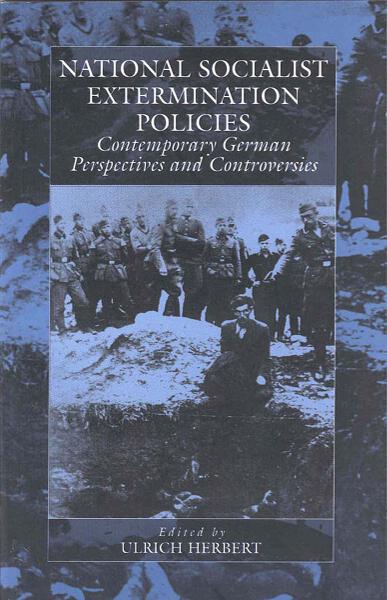
Subjects: History: World War II Genocide History Jewish Studies
Subjects: Jewish Studies Gender Studies and Sexuality
Subject: Jewish Studies

Subject: Jewish Studies
Subject: Jewish Studies
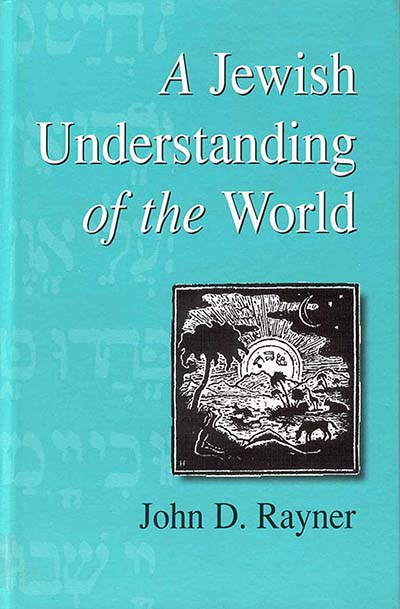
Subject: Jewish Studies

Subject: Jewish Studies
Subject: Jewish Studies
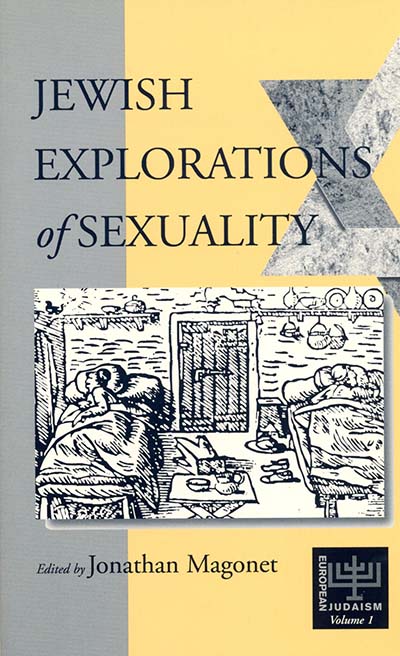
Subjects: Jewish Studies Gender Studies and Sexuality
Subject: Jewish Studies
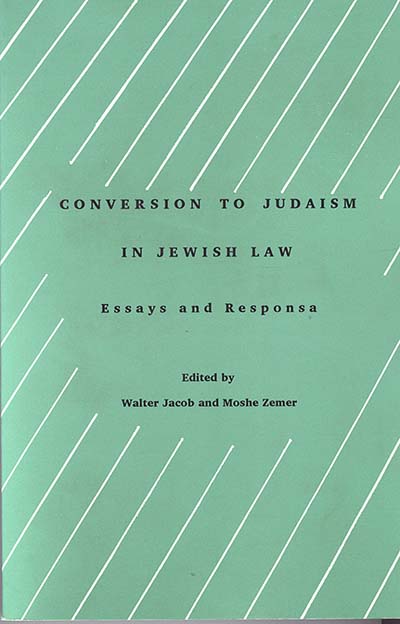
Subject: Jewish Studies