



Browse
by Paperbacks
By Area: Europe

Advocating for an interdisciplinary Marxist anthropology of the present, this book uses historical and global anthropology to engage with history, theory, unevenness, and comparison, while using “global ethnography” and “hidden histories” as the keys to social discovery.
Subject: Political and Economic Anthropology
Invisible Labours traces women’s experiences of miscarriage and termination for foetal anomaly in the second trimester before legal viability and shows how such events are positioned as less ‘real’ or significant when the foetal being does not, or will not, survive. It describes the reproductive politics of this specific category of pregnancy loss in England.
Subjects: Anthropology (General) Medical Anthropology Gender Studies and Sexuality
Offering a critical perspective on the concept of radicalisation, this volume views it from the perspective of social actors who engage in radicalising milieus but have not crossed the threshold into violent extremism. The volume brings together contributions based on extensive empirical research conducted as part of a cross-European study of young people's engagement in ‘extreme right’ and ‘Islamist’ milieus.
Subjects: Sociology Political and Economic Anthropology
How much do we really know about our parents’ lives? What secrets lie in plain sight? This is the true story of hidden love within a small circle of some of the most acclaimed anthropologists of the 20th century.
Subjects: Anthropology (General) History: 20th Century to Present
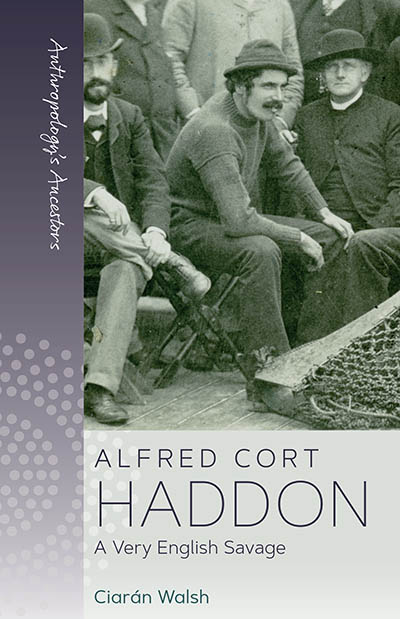
Using previously overlooked, primary sources Ciarán Walsh argues that Haddon, the grandson of anti-slavery activists, set out to revolutionize anthropology in the 1890s in association with a network of anarcho-utopian activists and philosophers. His book regards most of what has been written about Haddon in the past as a form of disciplinary folklore shaped by a theory of scientific revolutions.
Subjects: Anthropology (General) Theory and Methodology
A ground-breaking volume that gathers the testimonies of NGO workers, street vendors, activists, scholars, health professionals, and creative writers to chronicle the devastating impact of COVID-19 on Romani communities globally.
Subjects: Anthropology (General) Sociology Medical Anthropology
Bringing together the voices of nine individuals from an archive of over 200 in-depth interviews with transnational migrants and refugees across five European countries, Finding Home in Europe critically engages with how home is experienced by those who move.
Subjects: Refugee and Migration Studies Theory and Methodology
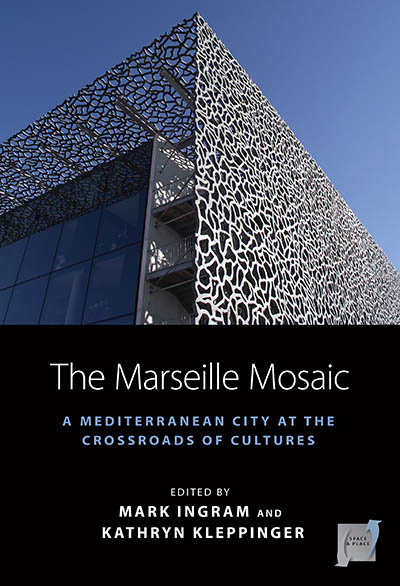
Moving across disciplines, The Marseille Mosaic integrates a diverse range of sources and methods to reveal France’s second city in the national imagination as a critical site for postcolonial memory and urban transformation as they crucially interact with debates in contemporary French society.
Subjects: Cultural Studies (General) History: 20th Century to Present Sociology Urban Studies
Leading us beyond current narratives on the decline of kinship which assume kinship’s existence since the dawn of civilization, The Politics of Making Kinship interrogates kinship’s geneses, constructions, elaborations, implementations, and enforcing agents across a long view of European history, and demonstrates how kinship is woven through modern societies.
Subjects: History (General) Political and Economic Anthropology Anthropology (General)

In the Netherlands, girls and young women are increasingly active in women-only kickboxing. The general assumption, in the Netherlands and in western Europe more broadly, is that women’s sport is a form of secular, feminist empowerment. Muslim women’s participation would then exemplify the incongruence of Islam with the modern, secular nation-state. Punching Back provides a detailed ethnographic study that contests this view.
Subjects: Sociology Anthropology (General) Gender Studies and Sexuality
This title assesses the idea of Europe through its intellectual history. Exploring the concept of integration and the relationship between this and arguments for division and borders it reveals their interplay in the composition of the contemporary European identity.
Subjects: History: 20th Century to Present History: 18th/19th Century
Using a thorough analysis of the diversity of the forms, places and actors of gentrification in an attempt to isolate the ‘DNA’ of gentrification, the book addresses the place of social groups in cities, their competition over the appropriation of space, the infrastructure unequally offered to them by economic and political actors and the stakes of everyday social relationships.
Subjects: Urban Studies Sociology Anthropology (General) Sustainable Development Goals
What happens when religious sites, objects and practices become cultural heritage? Case studies from Denmark, the Netherlands, Poland, Portugal and the United Kingdom present an analysis of the paradoxes and challenges that arise when religious sites are transformed into heritage.
Subjects: Heritage Studies History (General) Anthropology of Religion
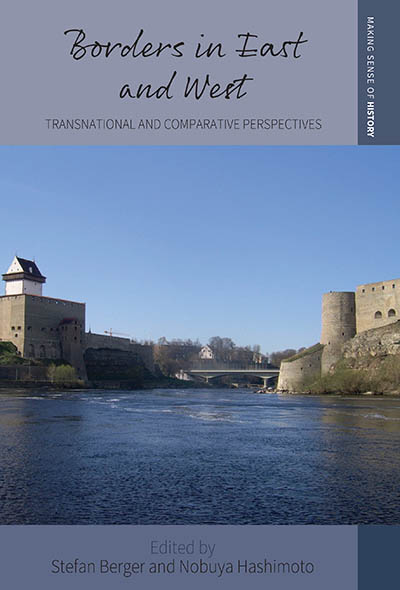
The different ways of understanding borders, through culture, politics, or even religion, is transforming and requires multi-disciplinary approaches the complexity of interactions and tensions that may arise. Borders in East and West focuses on the relationships between Europe and East Asia through comparative case studies to challenge discourses and build new perspectives.
Subjects: History: 20th Century to Present History: 18th/19th Century Colonial History
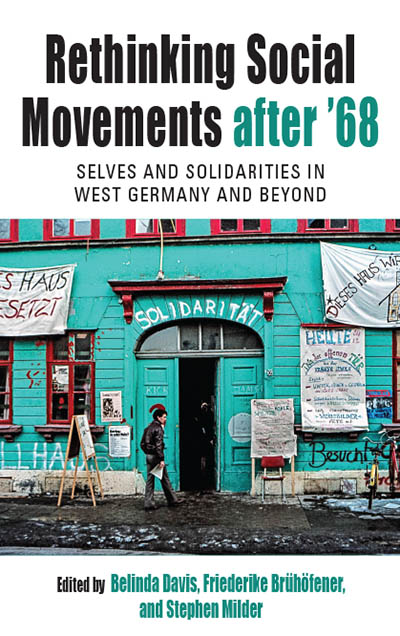
With a focus on West Germany and Europe, Social Movements after ’68 bridges the 1970s and 1980s as a vital period of European political development and social change. Looking past the known ruptures and changes in the history of European social movements, this volume brings together interconnected social movements including environmental, women’s and gay rights movements.
Subjects: History: 20th Century to Present Cultural Studies (General)
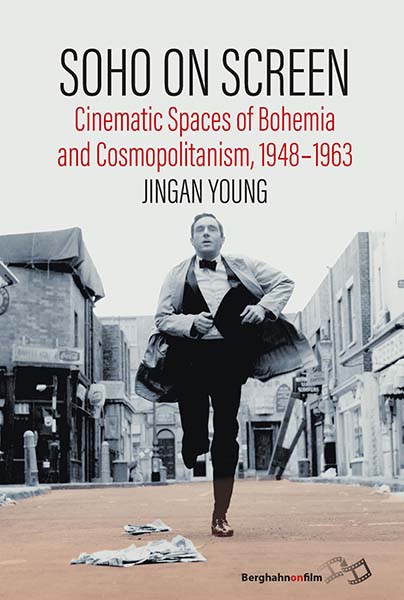
Soho on Screenprovides the first history of London’s commercial and cultural center, Soho, in British cinema. It highlights forgotten British films, filmmakers, and stars in detail and introduces thoroughly researched studies that highlight not only the cultural importance of Soho as a locus for cinema but also the impact of gentrification on the cultural and social development of Soho today.
Subjects: Film and Television Studies Media Studies
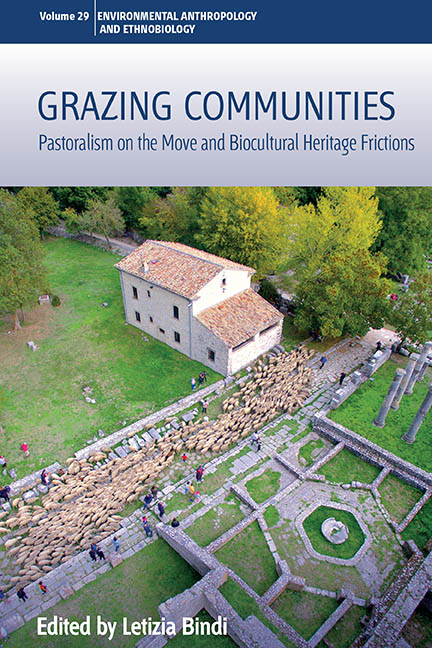
The present critical discourse on sustainable and responsible development implies a change of practices, a huge socio-economic transformation, and the return of new shepherds and herders in different European regions. This book is an occasion to reconsider grazing communities’ frictions in the new global heritage scenario.
Subjects: Anthropology (General) Sociology Development Studies Sustainable Development Goals
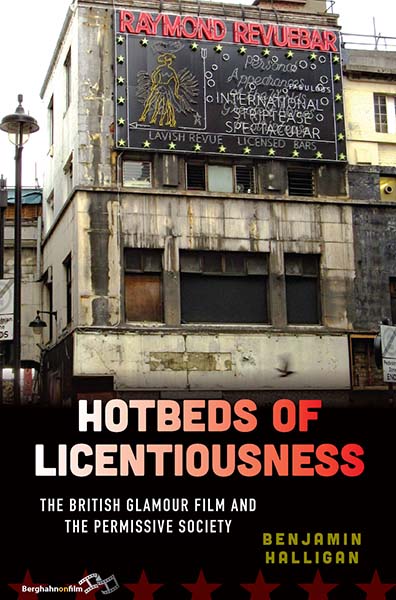
By focusing on a series of colorful filmmakers whose work, while omnipresent during the 1970s, now remains critically ignored, Hotbeds of Licentiousness explores pornography as a lens through which to view radical changes in British society.
Subjects: Film and Television Studies History: 20th Century to Present Cultural Studies (General)
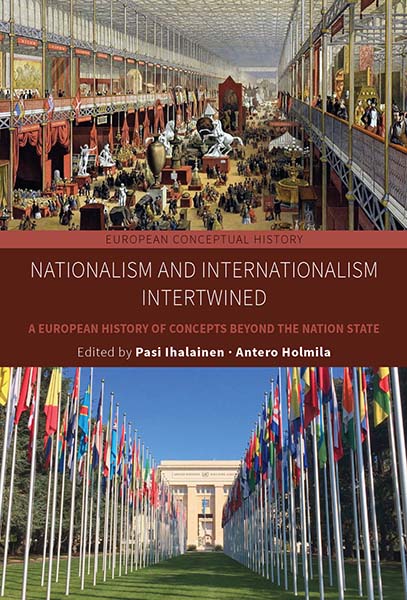
Subjects: History: 20th Century to Present History: 18th/19th Century
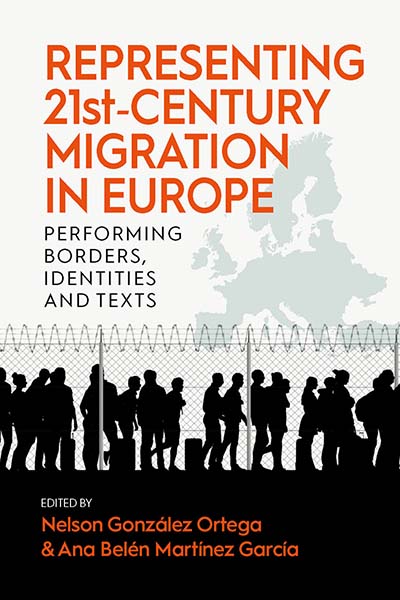
The 21st century has witnessed some of the largest human migrations in history. Europe in particular has seen a major influx of refugees, redefining notions of borders and national identity. This interdisciplinary volume offers innovative interpretations of contemporary migration to Europe, engaging with the ongoing debate on forced mobility.
Subjects: Refugee and Migration Studies Cultural Studies (General) Literary Studies
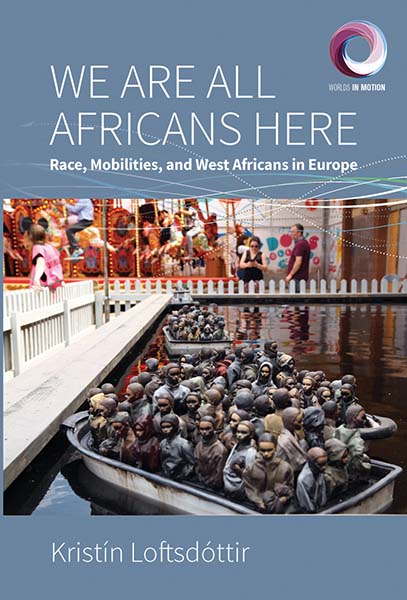
This book looks critically at racialization of mobility in Europe, anchoring the discussion in the aspiration of precarious migrants from Niger in Belgium and Italy. The book contextualizes their experiences within the ongoing securitization of mobility in their home country and the persistent denial of racism and colonialism that seeks to portray the innocence of Europe.
Subjects: Refugee and Migration Studies Anthropology (General)
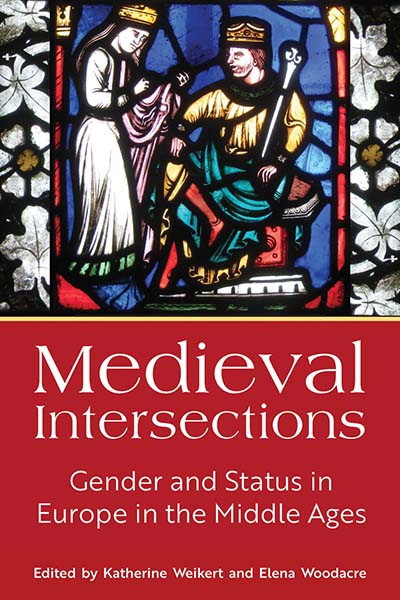
With contributions on topics ranging from medieval gynecology to clerical masculinity, this interdisciplinary collection highlights the various ways “status” can be interpreted relative to gender, and what these two interlocked concepts can reveal about the construction of gendered identities in the Middle Ages.
Subjects: Gender Studies and Sexuality History: Medieval/Early Modern
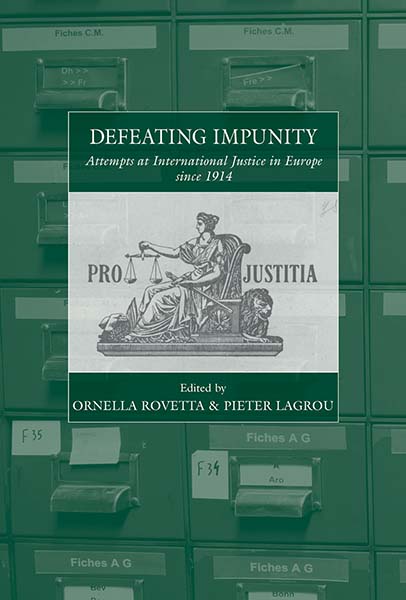
Over the course of the long and violent twentieth century, only a minority of the perpetrators of international crimes ever stood trial. In analyzing and documenting the challenge addressing that status of international justice and its realization, this collection uses an international perspective to take the reader through both little known and prominent trials.
Subjects: History: 20th Century to Present Genocide History
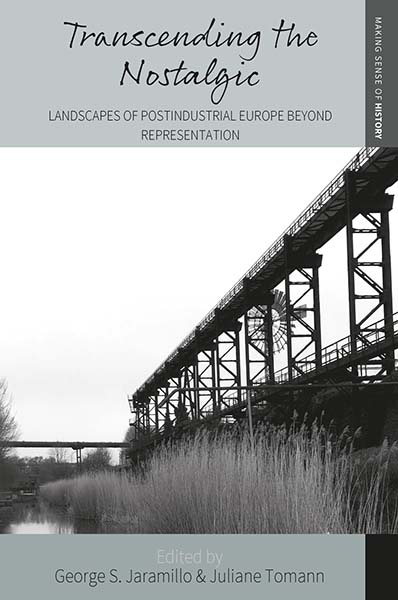
This collection explores the affective and “more-than-representational” dimensions of post-industrial landscapes, analyzing narratives, practices, social formations, and other phenomena. Focusing on case studies from across Europe, it examines both the objective and the subjective aspects of societies that produce fewer things and employ fewer workers.
Subjects: History: 20th Century to Present Heritage Studies
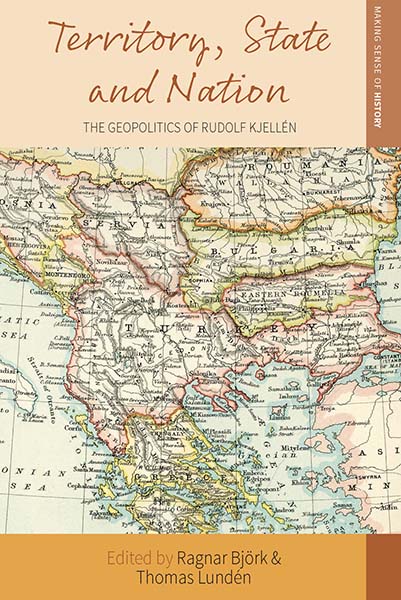
Rudolf Kjellén, regularly referred to as “the father of geopolitics”, developed in the first decade of the twentieth century an analytical model for calculating the capabilities of great-power states and promoting their interests in the international arena. Territory, State and Nation explores his century-long international scholarly impact, his analytical model, and his analyses of contemporary history.
Subject: History: 20th Century to Present
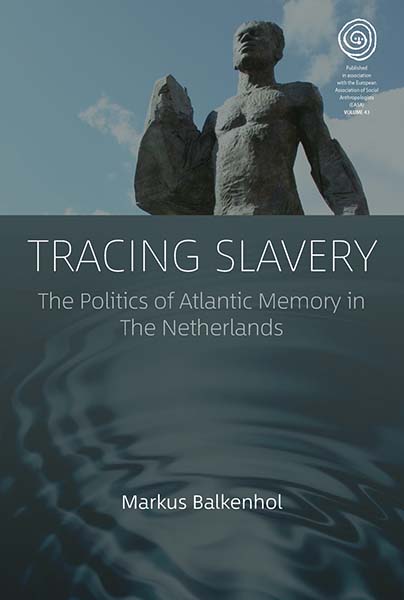
Looking at the ways in which the memory of slavery affects present-day relations in Amsterdam, this ethnographic account reveals a paradox: while there is growing official attention to the country’s slavery past (monuments, festivals, ritual occasions), many interlocutors showed little interest in the topic. This book follows the issue of slavery in everyday realities and offers a fine-grained ethnography of how people refer to this past.
Subjects: Memory Studies Anthropology (General) Heritage Studies
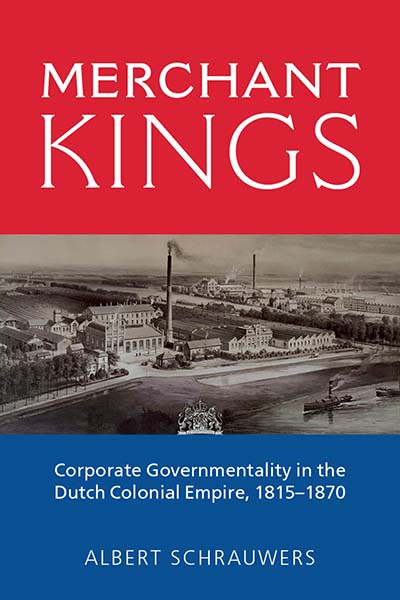
Merchant Kings offers an interdisciplinary exploration of the rapid industrialization of the Netherlands and its colonial holdings in Java during the nineteenth century. By placing colony and metropole into a single analytical frame, it offers a bracing new approach to understanding the development of modern corporations within the context of empire.
Subjects: Colonial History History: 18th/19th Century Political and Economic Anthropology
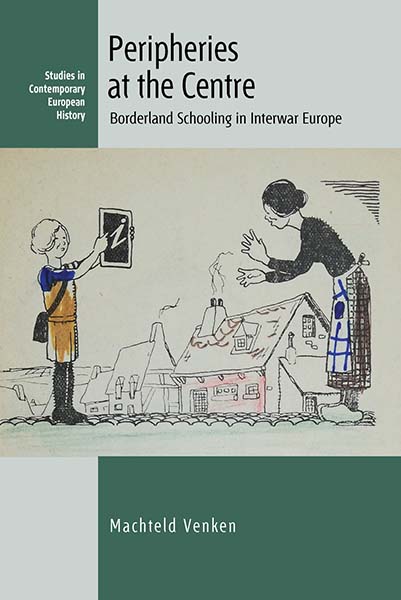
Peripheries at the Centre reveals how Prussia, and later the German Empire, used educational policy to promote national identity along its geographical margins. It shows how policymakers sought to cultivate ideal German students who, it was hoped, would help to usher in a new, peaceful era in European history while reinforcing their status as German citizens.
Subjects: History: 20th Century to Present Educational Studies
This new edition makes Theodor Lessing’s seminal work Der Jüdische Selbsthaß accessible to English readers for the first time, supplemented with explanatory footnotes by translator Peter Appelbaum and illustrative essays by historian Sander L. Gilman and German scholar Paul Reitter.
Subject: Jewish Studies
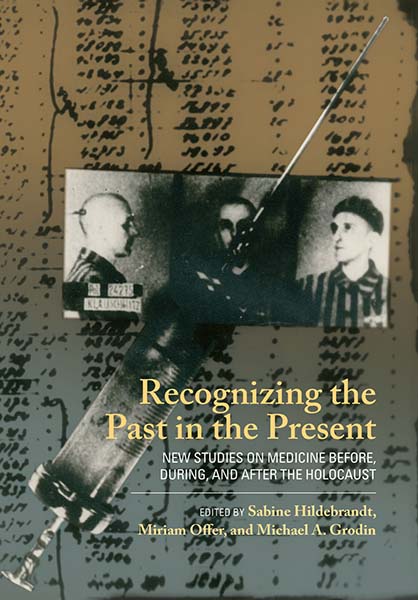
This interdisciplinary collection assembles a chain of documentation on the critical role of medicine in realizing the policies of Hitler’s regime. It traces the historical legacies of National Socialist medicine from their roots in the racial theories of the 1920s, through their manifestation in the Nazi period, and on to legacies and continuities from the postwar years to the present.
Subjects: History: 20th Century to Present Genocide History Jewish Studies

Focusing on the cases of Great Britain and France, this innovative study explores the discourses and narratives that arose in the wake of the incident among both state and nonstate actors. It gives a thorough account of the strategies that shaped Western European responses to the disaster as well as nuclear policy up to the present day.
Subjects: History: 20th Century to Present Environmental Studies (General) Media Studies
During five years of field research in Italy and the Netherlands, the “Bodies Across Borders: Oral and Visual Memory in Europe and Beyond” (BABE) team examined the connection between mobility and memory in Europe. This volume, the outcome of that project, engages with the tensions between roots and routes, history and memory, minds and bodies, macrostructures and micro stories, and control and resistance.
Subjects: Mobility Studies Refugee and Migration Studies Sociology Memory Studies
Borders across Healthcare explores contemporary moral economies of the healthcare-migration nexus through a scalar and relational perspective. The volume documents the many ways in which borders come to disrupt healthcare settings and illuminates how judgements of a health-related deservingness become increasingly important, producing hierarchies that undermine a universal right to healthcare.
Subjects: Medical Anthropology Mobility Studies Sociology Sustainable Development Goals
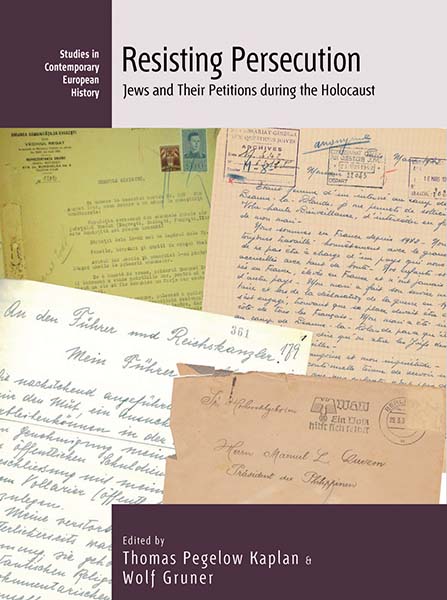
This volume offers the first extensive analysis of entreaties from persecuted Jews in the Nazi era, demonstrating their largely unappreciated value as a historical source and as an attempt to reclaim agency in increasingly desperate political circumstances.
Subjects: History: 20th Century to Present Jewish Studies Genocide History
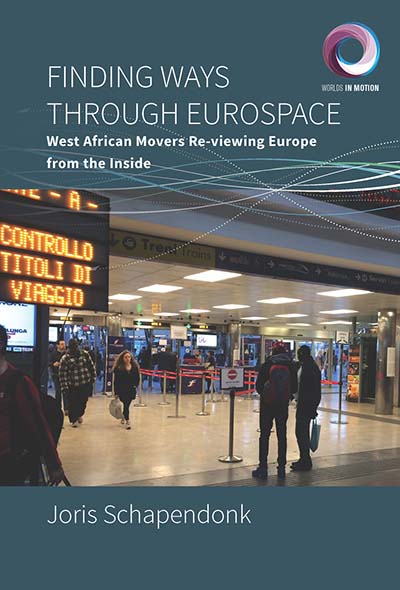
Studying the im/mobility trajectories of West Africans in the EU, this book presents a new approach to West African migrants in Europe. Based on a trajectory ethnography, this book discusses how African migrants are confronted with rigid mobility regimes, but also how they manage to transgress and circumvent them.
Subjects: Mobility Studies Anthropology (General)
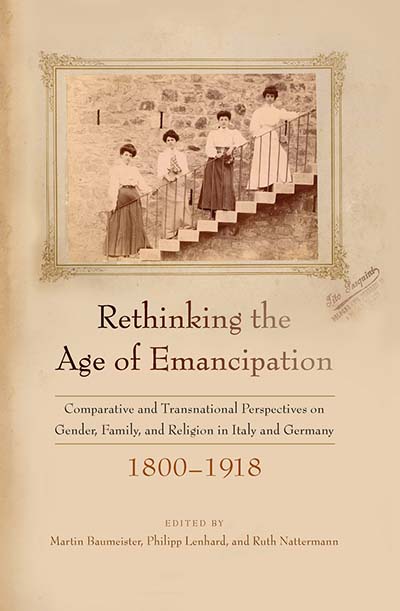
Rethinking the Age of Emancipation aims at a critical reassessment of the development of the two “late” nations, Italy and Germany, from a new and transnational perspective. Essays by an international and interdisciplinary group of scholars examine the discursive relationships among nationalism, war, and emancipation as well as the ambiguous roles of historical protagonists with competing loyalties.
Subjects: History: 18th/19th Century Jewish Studies Gender Studies and Sexuality Sociology
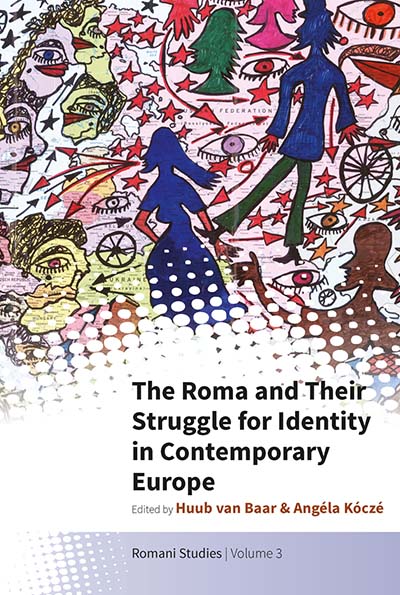
Thirty years after the collapse of Communism, and at a time of radically diverse kinds of identity politics, including anti-migrant, anti-Roma, anti-Muslim and anti-establishment movements, this book analyses how Roma identity is expressed in contemporary Europe.
Subjects: Anthropology (General) Sociology Political and Economic Anthropology
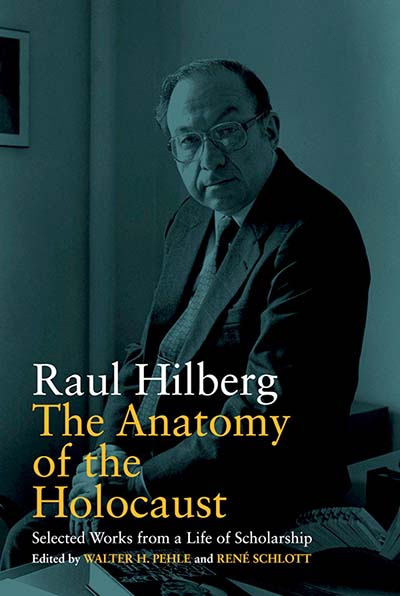
Pehle, W. H. & Schlott, R. (eds)
Historian Raul Hilberg produced a variety of archival research, personal essays, and other works over a career that spanned half a century. The Anatomy of the Holocaust collects some of Hilberg’s most essential and groundbreaking writings—many of them published in obscure journals or otherwise inaccessible to nonspecialists—in a single volume.
Subjects: Genocide History Jewish Studies
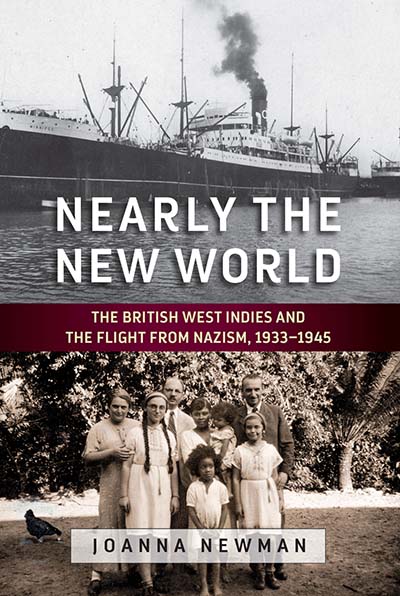
In the years leading up to the Second World War, increasingly desperate European Jews looked to far-flung destinations such as the Barbados, Trinidad, and Jamaica in search of refuge. Nearly the New World tells the remarkable story of Jewish refugees who overcame persecution and sought safety in the West Indies from the 1930s through the end of World War II
Subjects: Jewish Studies Genocide History History: World War II Refugee and Migration Studies
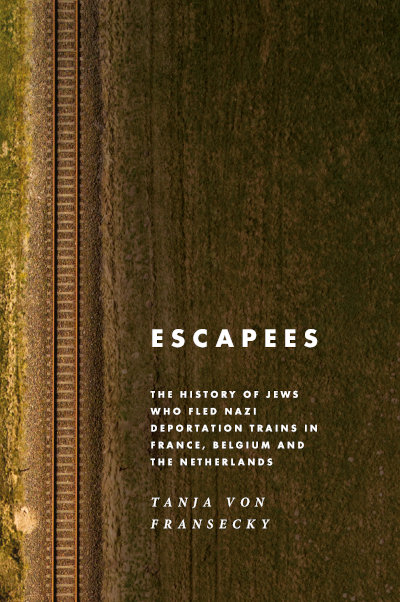
Hundreds of Jewish men, women and children escaped from deportation trains bound for extermination camps by making a dangerous leap from the moving train. Drawing from extensive interviews and new sources, Tanja Fransecky sheds light on a hitherto neglected chapter of Jewish resistance to the National Socialist extermination policy.
Subjects: Genocide History Jewish Studies Mobility Studies
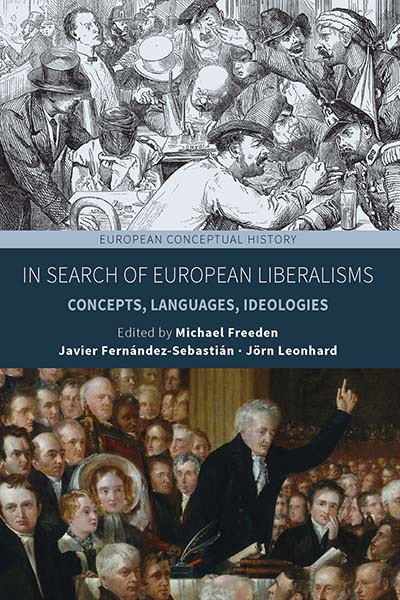
This comprehensive study takes a fresh look at the diverse understandings and interpretations of the concept of liberalism in Europe during the last several centuries, encompassing not just the familiar movements, doctrines, and political parties that fall under the heading of “liberal” but also the intertwined historical currents of thought behind them.
Subject: History (General)
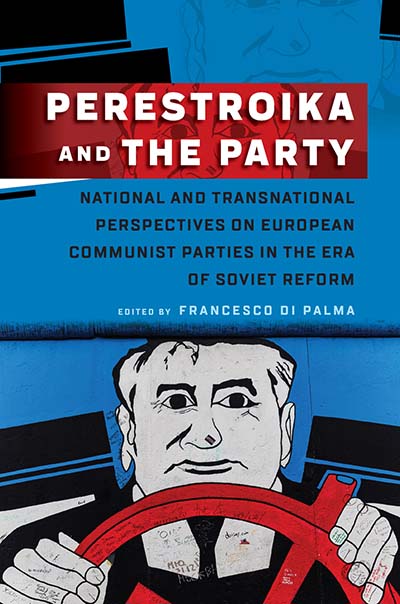
While studies of the impact of Gorbachev-era reforms have overwhelmingly focused on the Soviet Union and Eastern bloc nations, this ambitious collection assesses their historical trajectories on both sides of the Iron Curtain. It moves beyond domestic politics and narrowly defined foreign relations to examine the reforms’ collective impact.
Subject: History: 20th Century to Present
The story of one remarkable woman, Leyla, a mother, who has struggled against pain and shame to live a life that makes her proud and which also inspires others. Using her story, In Pursuit of Belonging enhances our understanding of key issues in the anthropology of ethics and migration.
Subjects: Anthropology (General) Refugee and Migration Studies Sociology
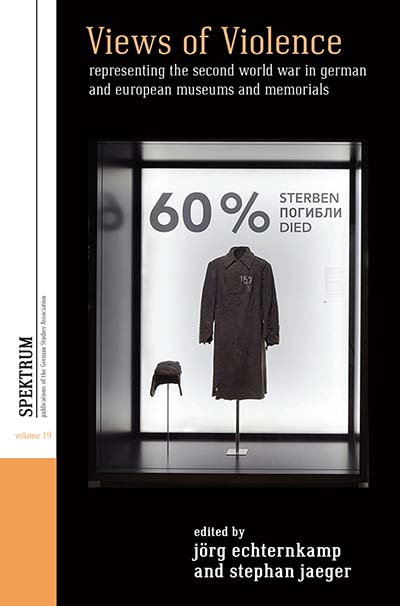
The modern vision of historical violence has been immeasurably influenced by cultural representations of the Second World War. This volume takes a historical perspective on World War II museums and explores how these institutions came to define the broader European, and even global, political contexts and cultures of public memory.
Subjects: Museum Studies History: World War II Memory Studies
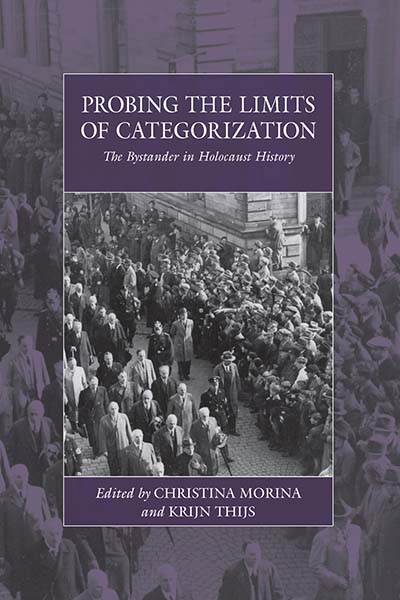
This volume discusses a number of case studies addressing the history of bystanding during and after the Nazi era. Combining historiographical, conceptual and empirical contributions, Probing the Limits of Categorization explores the roles and experiences of individuals caught up in the dynamics of state-sponsored genocidal violence.
Subjects: Genocide History Jewish Studies History: 20th Century to Present
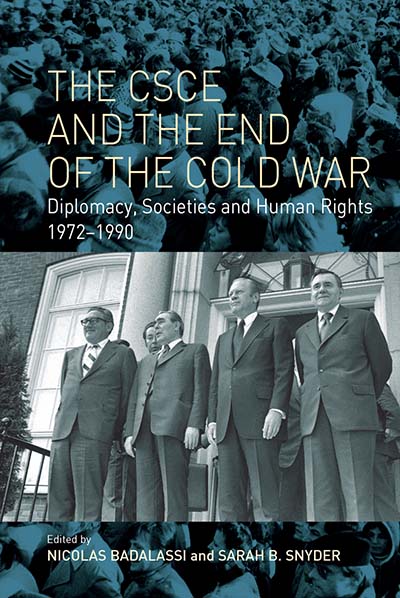
Since its inception over forty years ago, the Conference on Security and Cooperation in Europe has been met with political and historical controversies. While it’s known today as a significant contributor to the end of the Cold War, The CSCE and the End of the Cold War revisits some of the most fascinating questions in Cold War historiography.
Subjects: History: 20th Century to Present Peace and Conflict Studies
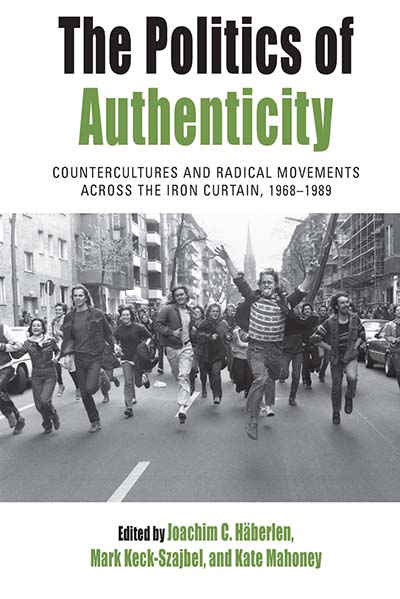
The Politics of Authentic Subjectivity explores how the politics of authenticity manifested itself among Italian leftists, East German lesbian activists, and punks on both sides of the Iron Curtain. This volume shows not only how authenticity came to define a variety of social contexts, but also how it helped to lay the groundwork for the neoliberalism of a subsequent era.
Subjects: History: 20th Century to Present Sociology History: 20th Century to Present
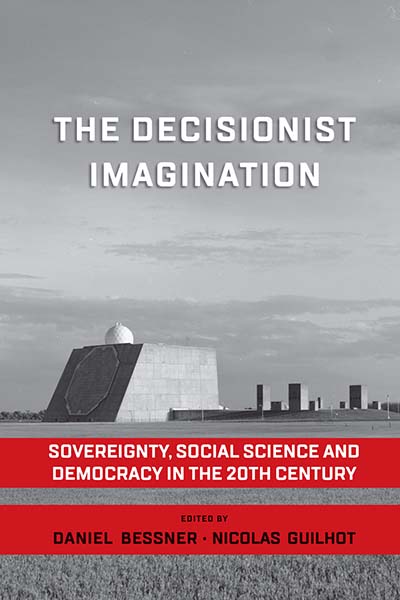
The Decisionist Imagination explores the relationship between the key concept of “decisionism,” as it emerged from 1920s political theory, and the postwar development of formal decision theory when sovereign decision-making became an object of scientific inquiry in a new cultural, institutional, and international landscape.
Subject: History: 20th Century to Present
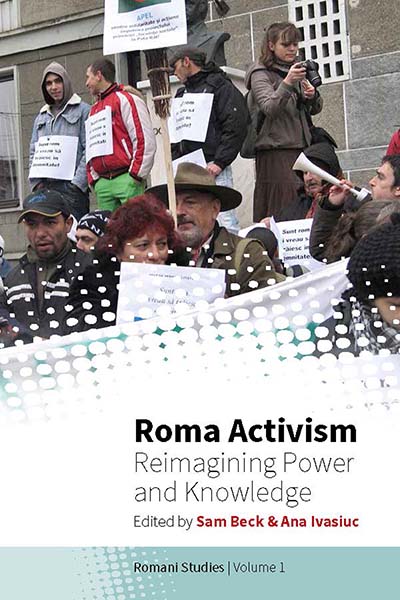
Exploring contemporary debates and developments and gathering together contributors from activism, academia, and the worlds of policy and development, this volume argues for taking up reflexivity as practice in in Roma-related research and forms of activism, and advocates a necessary renewal of research sites, methods, and epistemologies.
Subjects: Anthropology (General) Sociology Political and Economic Anthropology
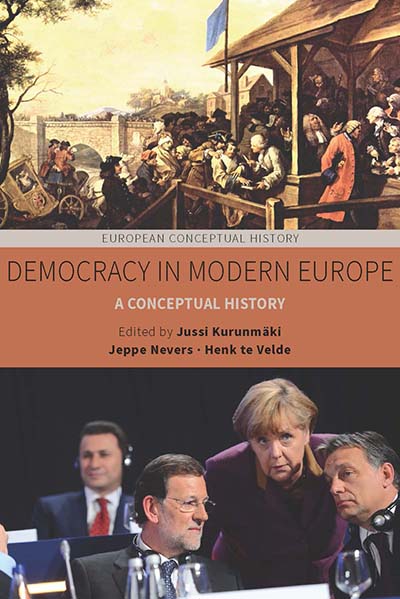
As one of the most influential ideas in modern European history, democracy has reshaped not only the landscape of government, but also fundamental social and political thought on a global level. Democracy in Modern Europe covers the history of democracy in modern Europe.
Subjects: History: 18th/19th Century History: 20th Century to Present
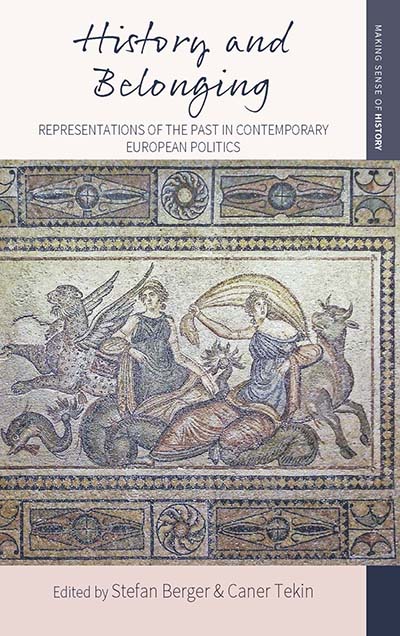
One of the EU’s primary strategies in European unification has been to construct a common representation of European history, yet the question remains: is there an uncontested history of Europe? History and Belonging addresses this question along with many others related to the EU’s post-national identity policies.
Subject: History: 20th Century to Present
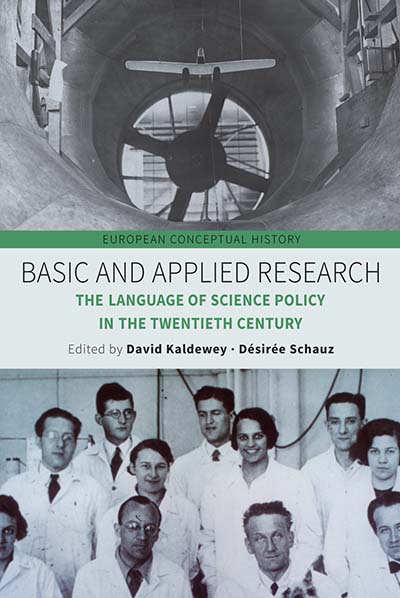
Basic and Applied Research traces the conceptual history of the distinction between basic and applied research to its origins in nineteenth-century Europe, explores its role in different ideological contexts after World War II, and ultimately provides valuable insights into present-day EU research policy.
Subjects: History: 20th Century to Present Sociology

Oil and Sovereignty explores the national and international strategies formulated to deal with the first oil crises in 1973-1974, as steadily increasing prices and reduced production raised the specter of an uncertain future for many.
Subjects: History: 20th Century to Present Political and Economic Anthropology
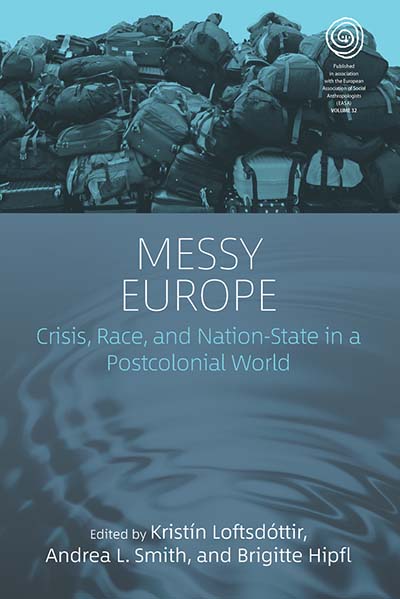
Messy Europe links theoretical insights to current discussions of crisis – economic and otherwise – showing how these shape the creation of subjectivities and identities. The chapters theorize “Europe” as a contested and fluid construction, and, by focusing on particular case studies, analyze how specific understandings of self and others occur in the crisis context.
Subjects: Anthropology (General) Sociology Refugee and Migration Studies Political and Economic Anthropology
The songs of the beloved Irish poet Máire Bhuí Ní Laeire (Yellow Mary O’Leary) explore themes of colonial subjection, oppression and injustice, representing an integral contribution to the development of anti-colonial thought in Ireland. Singing Ideas explores the significance of her work, and the immense power of her chosen medium.
Subjects: Performance Studies History: 18th/19th Century Anthropology (General) Literary Studies
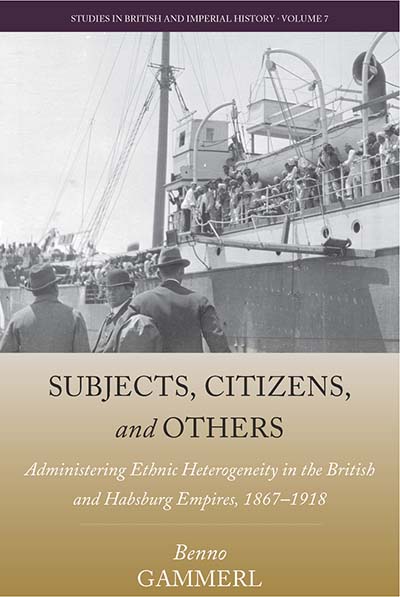
Exploring racism, migration, and citizenship, Subjects, Citizens and Others offers a pioneering analysis of how the British and the Austro-Hungarian Empire governed their ethnically diverse populations. Author Benno Gammerl rejects common assumptions about ethnic exclusivity in Eastern and Western Europe, analyzing the legal and political conditions that help to foster ethnic heterogeneity.
Subjects: History: 18th/19th Century Colonial History History: 20th Century to Present
The cultural borders of Europe are today more visible than ever, creating uncertainty for liberal democratic traditions, and questions of legitimacy, political representation, and the legal bases for citizenship. This book provides a wide-ranging exploration of these lines of demarcation in a variety of European regions and historical eras.
Subjects: History (General) Cultural Studies (General)
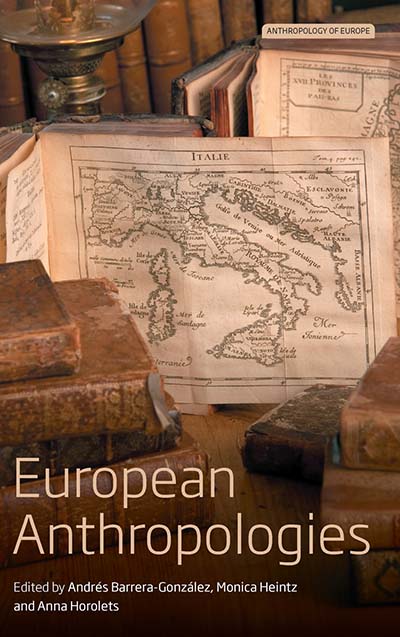
By assessing the diversity of European intellectual histories within sociocultural anthropology, this volume aims to sketch its intellectual and institutional portrait. It will be a useful reading for the students of anthropology, ethnology, history and philosophy of science, research and science policy makers.
Subjects: Anthropology (General) Theory and Methodology Colonial History
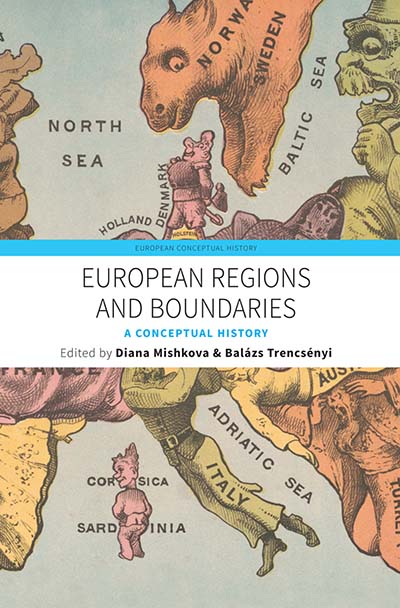
References to regional differences remain central to cultural and political discourse all over the European continent. This collection presents a synoptic view of these regional concepts together with the historical and disciplinary contexts where they had emerged by bringing together prominent European and US scholars from multiple disciplines to explore how regionalization has been conceptualized throughout European history.
Subjects: History (General) Mobility Studies
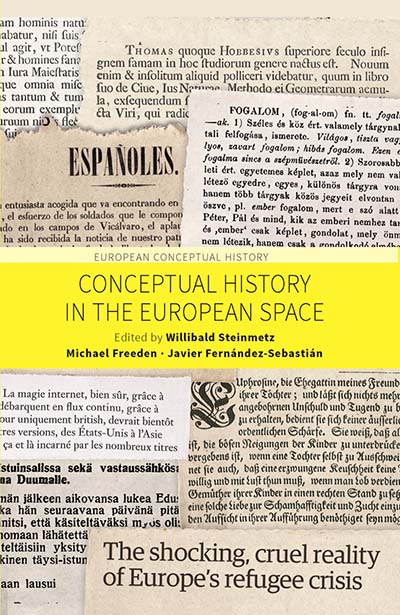
Bringing together leading scholars from across Europe, this volume represents a landmark intervention in the historiography of concepts. With clarifying overviews of such contested theoretical terrain as translatability, spatiality, and center-periphery dynamics, it also provides valuable insights into the current era of disenchantment with the European project.
Subject: History (General)
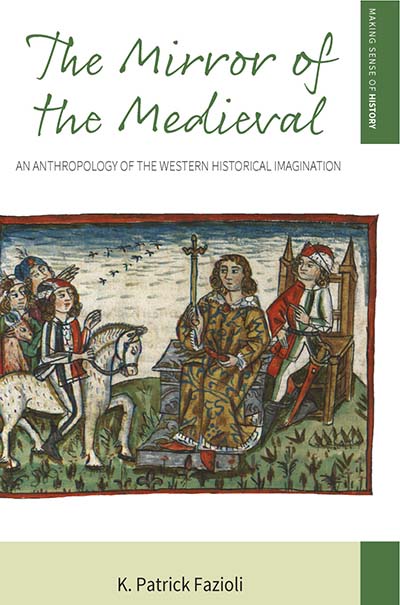
The Middle Ages have always held a uniquely important place in the Western imagination. This book gives an eye-opening account of the ways various political and intellectual projects have appropriated the medieval past for their own ends, grounded in an analysis of contemporary struggles over power and identity in the Eastern Alps.
Subjects: History: Medieval/Early Modern Theory and Methodology Archaeology
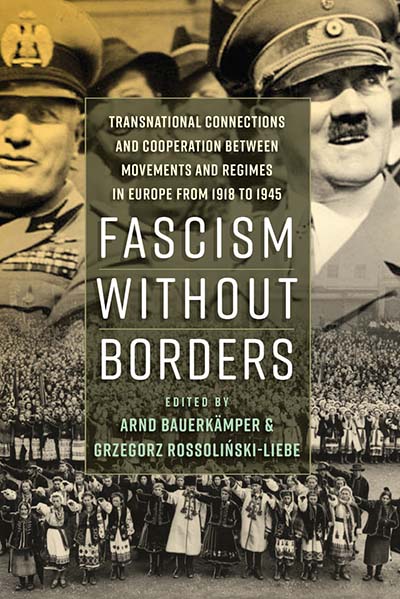
Despite its reputation for ultra-nationalism, Fascism understood itself as a transnational political movement. Through a series of fascinating case studies, this expansive collection examines fascism’s transational dimension, from the movements inspired by the early example of Fascist Italy to the international antifascist organizations that emerged in subsequent years.
Subject: History: 20th Century to Present
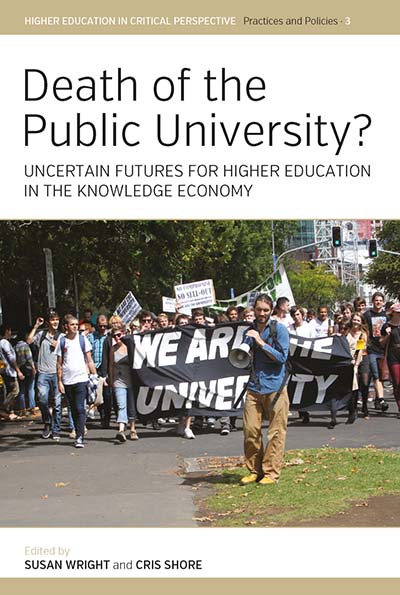
Continuous government reforms to make universities ‘world class’, entrepreneurial and drivers of the knowledge economy, are transforming the traditional mission and meaning of the public university and its ability to act as ‘critic and conscience’ of society. This collection explores the new landscapes of higher education emerging across Europe and Australasia.
Subjects: Educational Studies Anthropology (General)
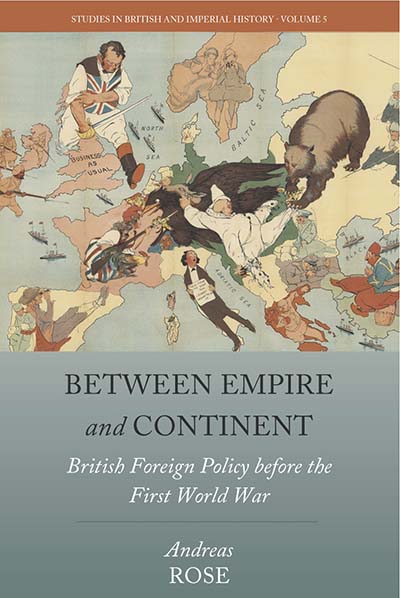
Historians have commonly interpreted Britain’s attempts to break through older alliances of European states before World War I as a reaction to aggressive German foreign policy. This groundbreaking political history demonstrates that British strategy instead arose from the complex interplay of national, continental and imperial considerations.
Subjects: History: 20th Century to Present History: World War I
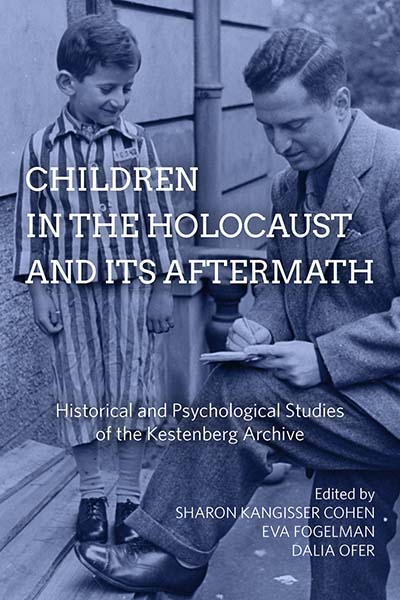
The testimonies of individuals who survived the Holocaust as children pose distinct challenges for researchers, requiring them to often follow simultaneous, disparate narratives. This interdisciplinary volume brings together historians, psychologists, and other scholars to explore child survivors’ accounts, with a central focus on the Kestenberg Holocaust Child Survivor Archive’s over 1,500 testimonies.
Subjects: Genocide History Jewish Studies
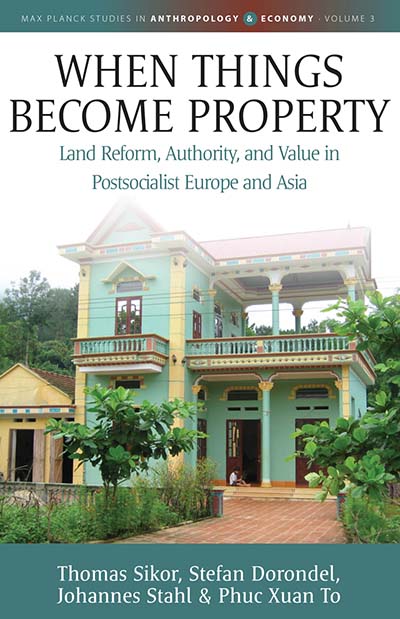
Almost all elements of nature have become the target of property laws, from the classic preoccupation with land to more ephemeral material, such as air and genetic resources. When Things Become Property examines postsocialist land and forest reforms in Albania, Romania and Vietnam, finding that property reforms are not miracle tools available to governments for refashioning economies, politics or environments.
Subjects: Anthropology (General) Political and Economic Anthropology
Academics across the globe are being urged by universities and research councils to do research that impacts the world beyond academia. The contributions to this collection advance our understanding of the ethics, values, opportunities and challenges that emerge in making of engaged and interdisciplinary scholarship.
Subject: Applied Anthropology
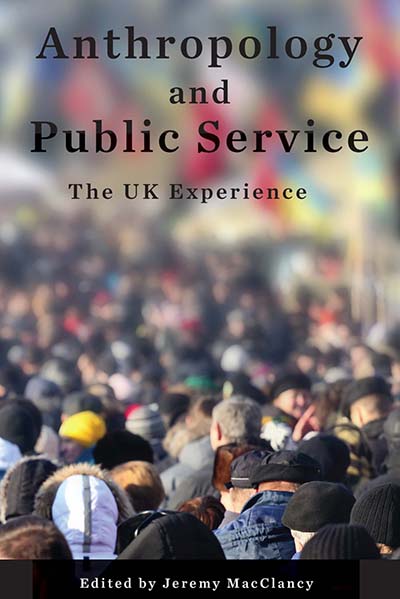
Many anthropologists are now finding jobs in commercial organizations or in government. This volume shows how anthropologists can set new agendas, and revise old ones in the public sector. Included are discussions of anthropologists’ work with the Department for International Development, the Ministry of Defence, the UK Border Agency, and their contributions to prison governance.
Subject: Applied Anthropology
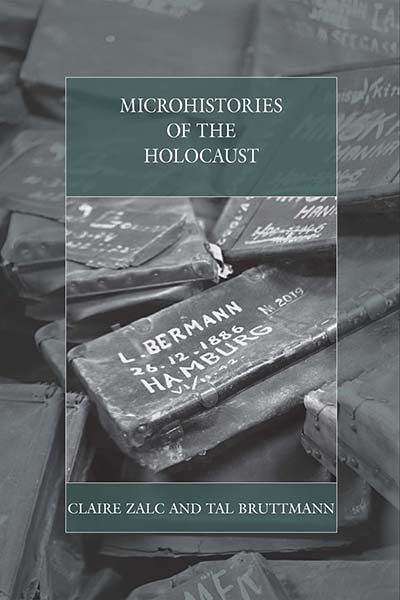
Increasingly, recent historical scholarship has demonstrated a willingness to study the Holocaust at scales as focused as a single neighborhood or family. This volume brings together scholars to reflect on the ongoing microhistorical turn in Holocaust studies, assessing its historiographical pitfalls as well as the distinctive opportunities it affords researchers.
Subjects: Genocide History History: World War II Jewish Studies
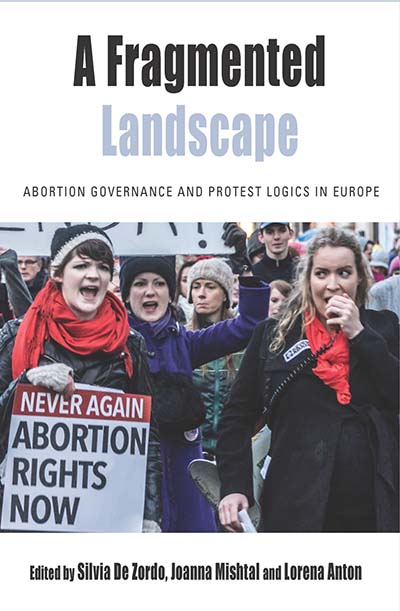
Since 1945, European states’ social policy landscapes have proven remarkably varied, especially when it comes to contentious issues such as abortion, which is governed by a wide range of policy regimes. This volume provides a comprehensive, interdisciplinary survey of the struggles over abortion rights in Europe from the immediate postwar era to the present era.
Subjects: Medical Anthropology History: 20th Century to Present
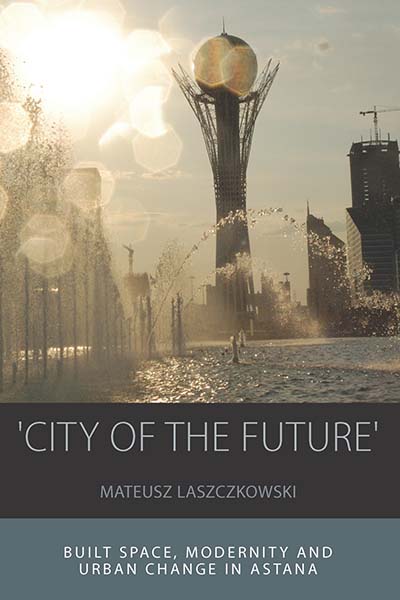
The long-awaited comprehensive account of the rise of Astana, the capital city of Kazakhstan, this book argues for an understanding of space as inextricably material-and-imaginary, and unceasingly dynamic – allowing for a plurality of incompatible pasts and futures materialized in spatial form.
Subjects: Urban Studies Anthropology (General) Geography
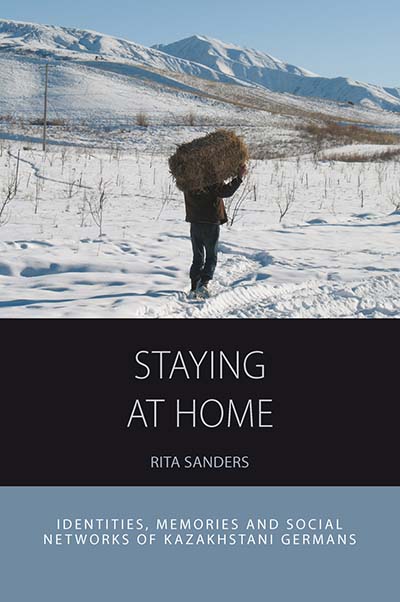
This book explores the interplay of those memories, social networks and state policies which play a role in the ‘construction’ of a Kazakhstani German identity. Based on extensive ethnographic fieldwork in Kazakhstan, Rita Sanders shows that social capital, including the power to influence identities, plays a key role in Kazakhstani German attitudes
Subjects: Refugee and Migration Studies Anthropology (General)
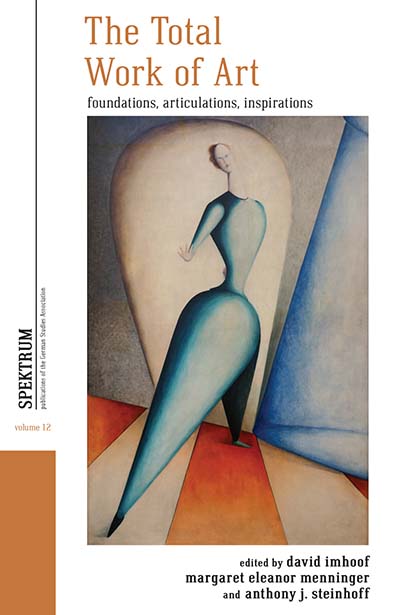
In this wide-ranging volume’s twelve compact essays, scholars from across the disciplines trace Gesamtkunstwerk—the ideal of the “total work of art”—from its foundations in the early nineteenth century to its manifold articulations and reimaginings in the twentieth century and beyond.
Subjects: History (General) Cultural Studies (General) Performance Studies
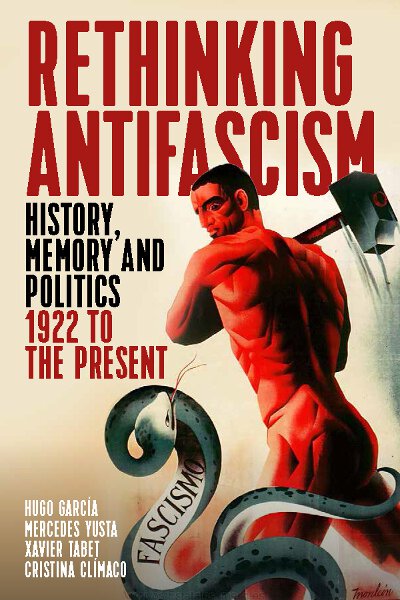
Rethinking Antifascism surveys recent research on the anti-fascist movement between 1922 and 1945. It first challenges the revisionist view of anti-fascism as a tool of Stalinism, then discusses the post-War memories and political uses of anti-fascism. These essays historicize anti-fascism as a transnational movement that shaped contemporary democracies.
Subjects: History: 20th Century to Present Memory Studies
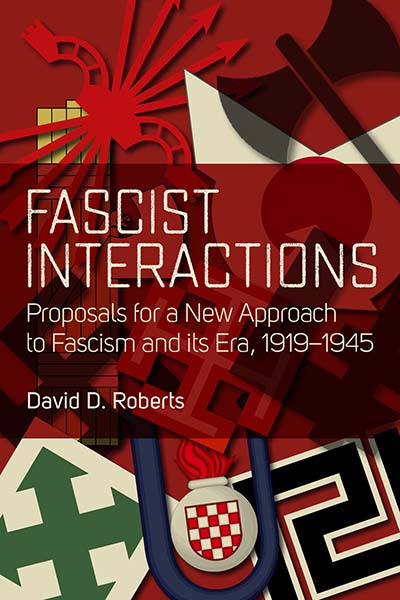
Increasingly, scholars of fascism have called for a new agenda with research beyond Italy and Germany, less preoccupation with classification, and sustained attention to the relationships among different fascist formations. Starting from a critical assessment of these imperatives, this volume charts a path that deemphasizes rigid distinctions while still deploying reasonably rigorous criteria of differentiation.
Subject: History: 20th Century to Present
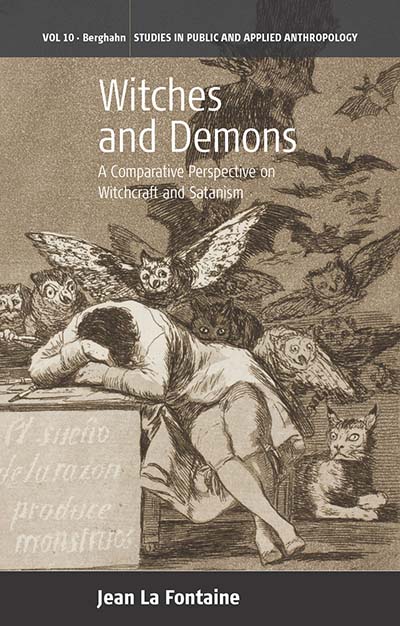
Devil worship, black magic, and witchcraft have long captivated anthropologists as well as the general public. This volume explores the intersection of expert and lay understandings of evil and the cultural forms that evil assumes. It presents a powerful warning of the dangers and mistaken conclusions that are inevitable in untrained ideas about other ways of life.
Subjects: Anthropology (General) Anthropology of Religion
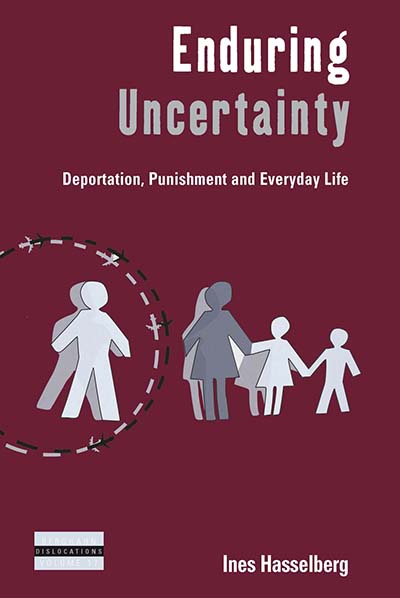
Focusing on the lived experience of immigration policy and processes, this volume presents a fascinating ethnography of deportation as it is felt and understood by those subjected to it. This book is important for broader understandings of epistemology, border control policy, and human rights.
Subjects: Refugee and Migration Studies Anthropology (General)
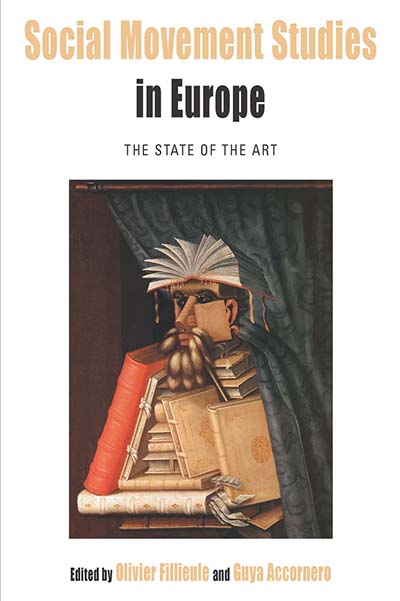
This landmark volume is the first to comprehensively examine the field of social movement studies in a specifically European context. Combining comparative studies of significant issues and movements with focused national studies, this is a bold and uncommonly unified survey that will be essential for scholars and students of European social movements.
Subjects: History: 20th Century to Present Sociology
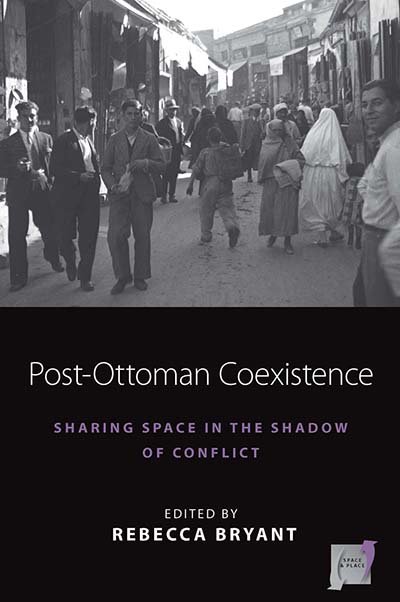
Scholars often refer to the “peaceful coexistence” of various religious and ethnic groups under the Ottoman Empire before ethnonationalist conflicts dissolved that shared space and created legacies of division. Post-Ottoman Coexistence interrogates this “coexistence” and asks what practices enabled centuries of cooperation and sharing, as well as how and when such sharing was disrupted
Subjects: Peace and Conflict Studies Sociology
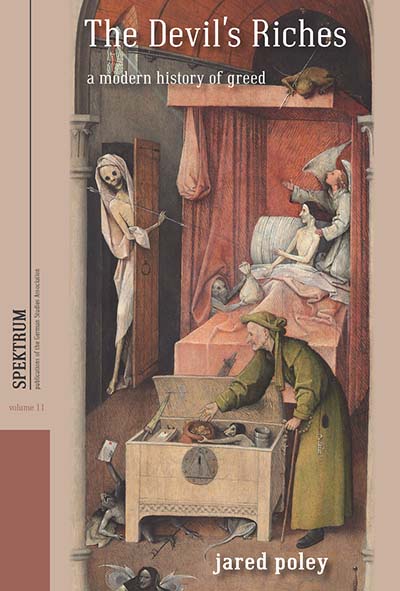
A seeming constant in the history of capitalism, greed has nonetheless undergone considerable transformations over the last five hundred years. This multilayered account offers a fresh take on an old topic, showing how evolving ideas about greed became formative elements of the modern experience.
Subject: History (General)
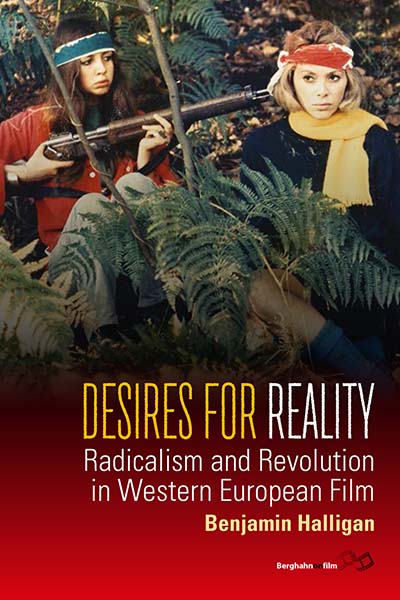
This is a fresh and groundbreaking account of the innovations and provocations of the “cinema of 1968,” and its social and aesthetic contexts. Benjamin Halligan offers a genuinely fresh analysis of films reflecting the cultural upheaval of youth in revolt—cinema that did not merely entertain, but was made the barricades.
Subjects: Film and Television Studies History: 20th Century to Present
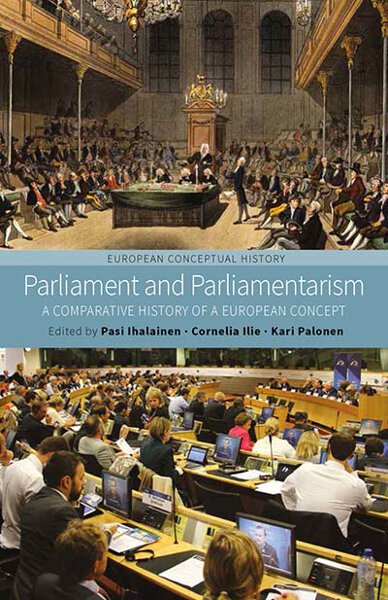
This tightly organized collection locates the essence of European parliamentarism in four key aspects—deliberation, representation, responsibility, and sovereignty—and explores the ways in which they have been contested, reshaped, and implemented in various states and regions, including familiar western European formations alongside those from central, eastern, and southern Europe.
Subject: History (General)
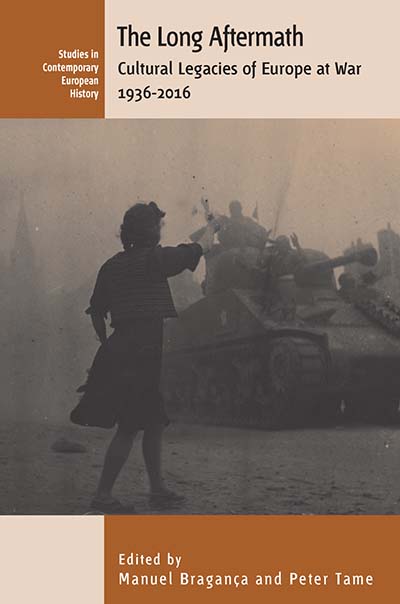
The hostilities in Europe from 1936 to 1945 have exerted enormous influence over the cultural life of Europe. Bringing together over twenty leading scholars across disciplines, this interdisciplinary volume investigates the intertwining dynamics of Europeans’ individual and collective memories and the ways in which they have shaped cultural forms.
Subjects: History: 20th Century to Present Cultural Studies (General)
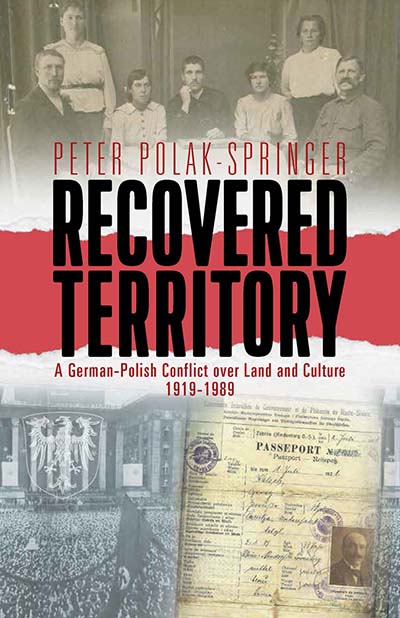
From 1919 to 1989, the German-Polish borderland, one of Central Europe’s important industrial regions, was at the center of a conflict between Germany and Poland. In their interaction with — and mutual influence on — one another, both nations developed a transnational culture, giving the borderland a “Polish” / “German” face.
Subjects: History: 20th Century to Present Cultural Studies (General)
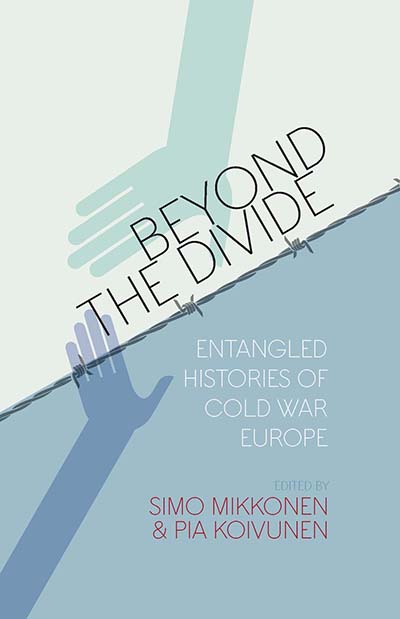
Cold War history has emphasized the division of Europe into two warring camps with separate ideologies and little in common. This volume presents an alternative perspective by suggesting that there were transnational networks bridging the gap and connecting like-minded people on both sides of the divide.
Subject: History: 20th Century to Present
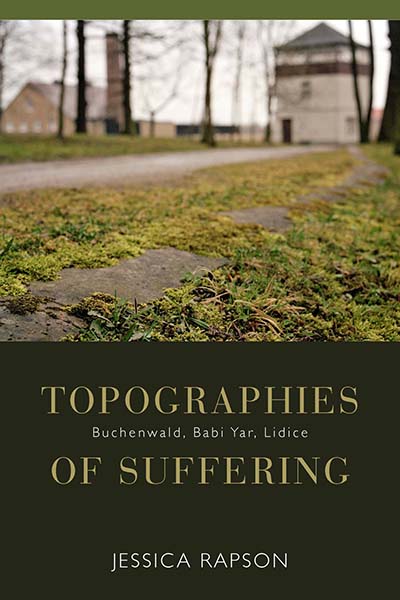
Examining the Holocaust in literature, landscape and memory, this book examines three sites of murder by the Nazis: Buchenwald, Germany; Babi Yar, Ukraine; and Lidice, Czech Republic. Balancing scrutiny with the way their violent histories are remembered globally, these sites emerge as dynamic transcultural landscapes in which difficult pasts can be comprehended in the present.
Subjects: Genocide History Cultural Studies (General)
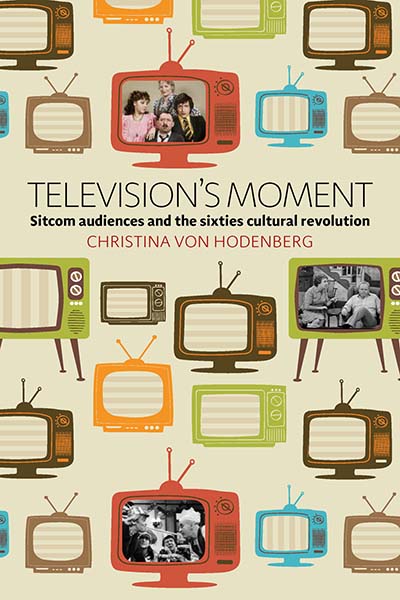
Television was one of the forces shaping the cultural revolution of the 1960s and 1970s, when a blockbuster TV series could reach up to a third of a country’s population. This book explores television’s impact on social change by comparing three sitcoms and their audiences.
Subjects: History: 20th Century to Present Media Studies Film and Television Studies
Though all Pagan and Native Faith movements valorize human relationships with nature and embrace polytheistic cosmologies, practitioners’ beliefs, practices, goals and agendas are diverse. Contributors to this volume draw on ethnographic cases within Europe to explore the interplay of nationalism and transnationalism within these recently emerging and diverse groups.
Subjects: Anthropology (General) Anthropology of Religion
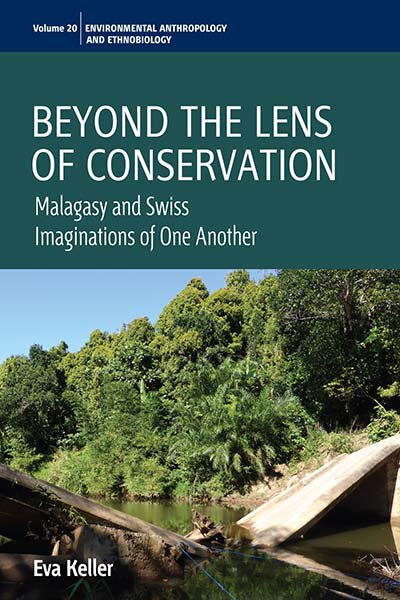
This ethnography examines how the cooperation between a national park in Madagascar and a Swiss zoo is perceived by ordinary people at either end. One view focuses on power and history, the other on morality and progress. Nature conservation therefore widens the gap between people in the North and South.
Subjects: Anthropology (General) Environmental Studies (General) Development Studies Political and Economic Anthropology
Contrary to the assumption that Western and Eastern European economies and cinemas were very different from each other, they actually had much in common. After the Second World War both the East and the West adopted a mixed system, containing elements of both socialism and capitalism, and from the 1980s on the whole of Europe, albeit at an uneven speed, followed the neoliberal agenda. This book examines how the economic systems of the East and West impacted labor by focusing on the representation of work in European cinema.
Subject: Film and Television Studies
The conditions for non-EU migrant workers to gain legal entry to Britain, France, and Germany are at the same time similar and quite different. To explain this variation this book compares the fine-grained legal categories for migrant workers in each country, and examines the interaction of economic, social, and cultural rationales in determining migrant legality.
Subjects: Political and Economic Anthropology Refugee and Migration Studies
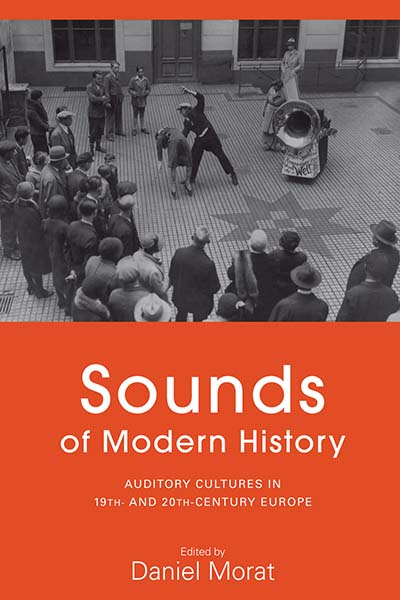
Since the late 19th century, there has been a paradigmatic shift in auditory cultures and practices in European societies. This change was brought about by modern phenomena such as urbanization, industrialization and mechanization, the rise of modern sciences, and of course the emergence of new sound recording and transmission media. This book contributes to our understanding of modern European history through the lens of sound by examining diverse subjects such as performed and recorded music, auditory technologies like the telephone and stethoscope, and the ambient noise of the city.
Subjects: History: 18th/19th Century History: 20th Century to Present Media Studies
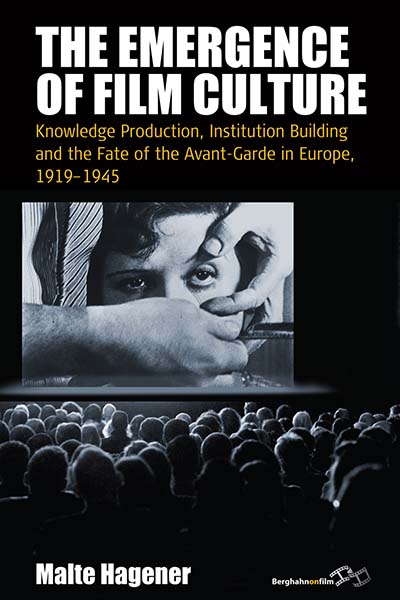
Between the two world wars, a distinct and vibrant film culture emerged in Europe. Film festivals and schools were established; film theory and history was written that took cinema seriously as an art form; and critical writing that created the film canon flourished. This new European film culture established film as a valid form of social expression, as an art form, and as a political force to be reckoned with.
Subject: Film and Television Studies
Based on archival materials and featuring memoirs of Holocaust survivors, this volume offers a rich array of both tragic and inspiring studies of the sanctification of life as practiced by Jewish medical professionals. More than simply a medical story, these histories represent the finest exemplification of a humanist moral imperative during a dark hour of recent history.
Subjects: Genocide History History: World War II
For many years, histories of the Holocaust focused on its perpetrators, and only recently have more scholars begun to consider in detail the experiences of victims and survivors, as well as the documents they left behind. This volume contains new research from internationally established scholars. It provides an introduction to and overview of Jewish narratives of the Holocaust.
Subjects: Genocide History Jewish Studies
Using the memorialization of the Troubles in contemporary Northern Ireland as a case study, this book investigates how non-state, often proscribed, organizations have filled a societal vacuum in the creation of public memorials. In particular, these groups have sifted through the past to propose “official” collective narratives of national identification, historical legitimation, and moral justifications for violence.
Subjects: Memory Studies Heritage Studies Anthropology (General)
“…offers a sustained and persuasive analysis of the institutional dynamics and individual actions by which various forms of warrelated neuroses are recognised, treated, negotiated, claimed and reproduced…The rich and impressive array of sources – military and medical texts, biographies and autobiographies, popular novels and films and journalistic accounts – on which the analysis is based makes the volume all the more persuasive.” · Social Anthropology
“This is a solid piece of scholarship. The authors successfully apply key concepts from Foucault, along with those of his feminist critics, to the analysis of soldiers returning from war. In so doing, they deepen our understanding of how weary warriors are constructed through time and space, and what his/her diagnosis, treatment, and release says about wider relations of power in, between, and across the state, the military, psychiatry, and the body itself.” · Carolyn Gallaher, American University
Subjects: Sociology History (General) Peace and Conflict Studies
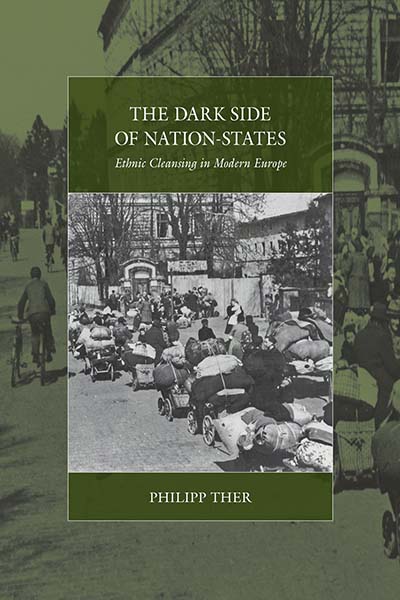
“Philipp Ther's newest contribution to the burgeoning literature on ethnic cleansing, forced deportation, and population transfer in the Twentieth Century is admirable in a number of ways. [It] is a genuinely comprehensive treatment of one of the most central problems of modern European history.” · Norman Naimark, H-Soz-u-Kult
“A groundbreaking study…based on an impressive amount of facts and balances… This analytically dense, well-written book is highly recommended for a broad audience.” · Frankfurter Allgemeine Zeitung
Subjects: Genocide History History (General)
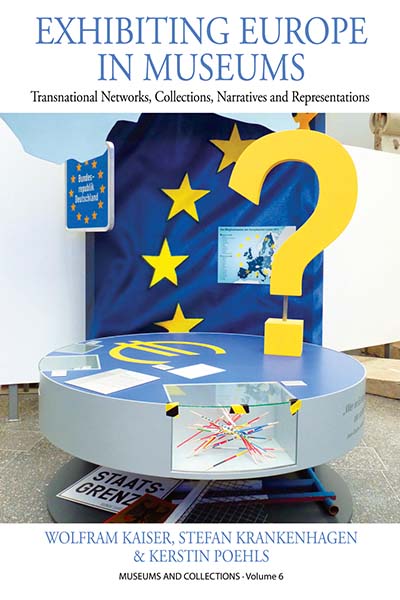
Museums of history and contemporary culture face many challenges in the modern age, particularly in Europe where processes of Europeanization and globalization require more cross-border cooperation and different ways of telling stories for visitors. Based on research in nearly 100 museums across the Continent and interviews with cultural policy makers and museum curators, it studies the growing transnational activities of state institutions, societal organizations, and people in the museum field such as attempts to Europeanize collection policy and collections as well as different strategies for making narratives more transnational like telling stories of European integration as shared history and discussing both inward and outward migration as a common experience and challenge.
Subjects: Museum Studies Memory Studies

"On the evidence of this brilliantly allusive study of Ingmar Bergman, John Orr, had it not been for his premature passing, would have become one of the world's most influential of film analysts. Even beneath the shadow of the plethora of books on Bergman, Orr's approach is distinctive… He emphasizes the maestro's courageous leap into Modernism in the early 1960's, and the profound influence he exerted on his contemporaries. It is a pleasure to read Orr's elegant prose, which eschews the obtuse terminology of semiotics in favor of a lucid, almost passionate approach to the material. Bergman, one feels, would have enjoyed this book." · Peter Cowie, author of Ingmar Bergman, A Critical Biography.
Subject: Film and Television Studies

Subjects: History (General) History: Medieval/Early Modern History: 18th/19th Century
Subjects: Refugee and Migration Studies History (General)
Subjects: Anthropology (General) Mobility Studies
Subject: History: 20th Century to Present
Subject: Film and Television Studies
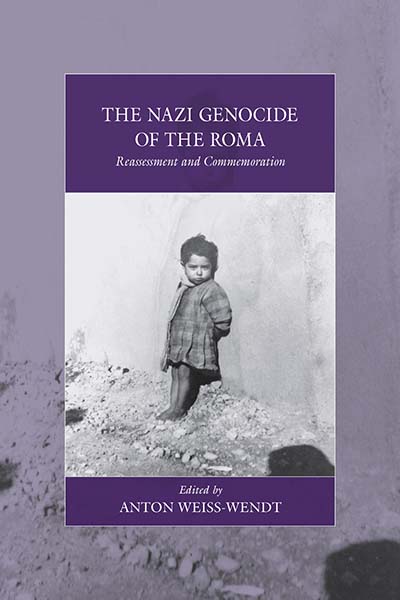
Subjects: Genocide History History: World War II
Subjects: Anthropology (General) Peace and Conflict Studies Cultural Studies (General)
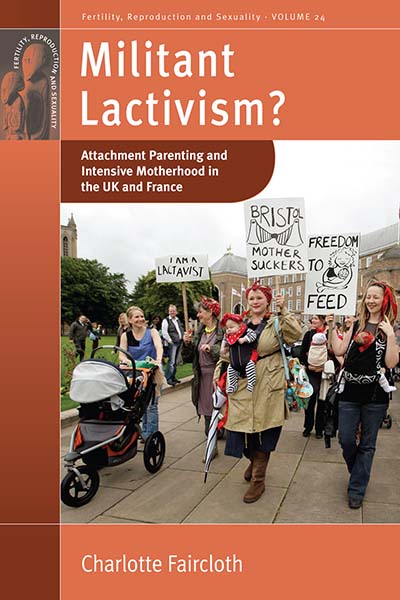
Subjects: Medical Anthropology Gender Studies and Sexuality
Subjects: History: 20th Century to Present Memory Studies
Subject: History: 20th Century to Present
Subjects: History (General) Anthropology (General)
Subject: History (General)
Subjects: Genocide History History: World War II
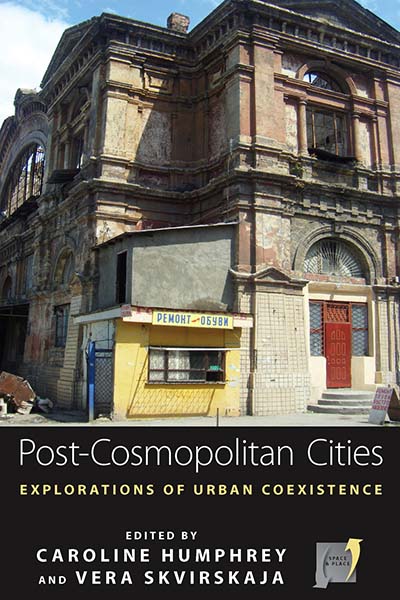
Subjects: Urban Studies Anthropology (General) Refugee and Migration Studies
Subject: Film and Television Studies
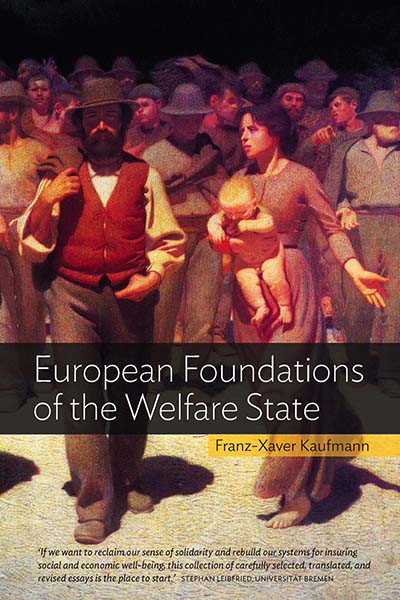
Subjects: History (General) Sociology
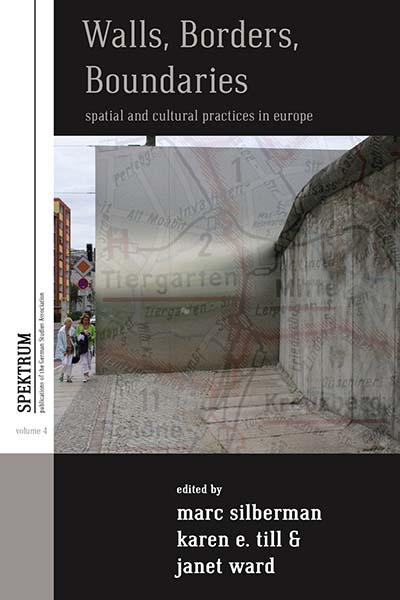
Subjects: History (General) Urban Studies Refugee and Migration Studies Memory Studies
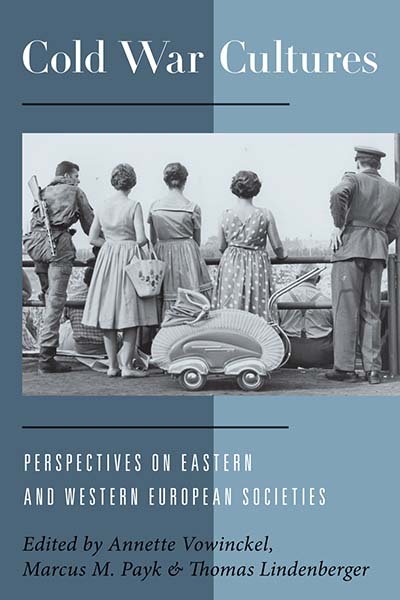
Subject: History: 20th Century to Present
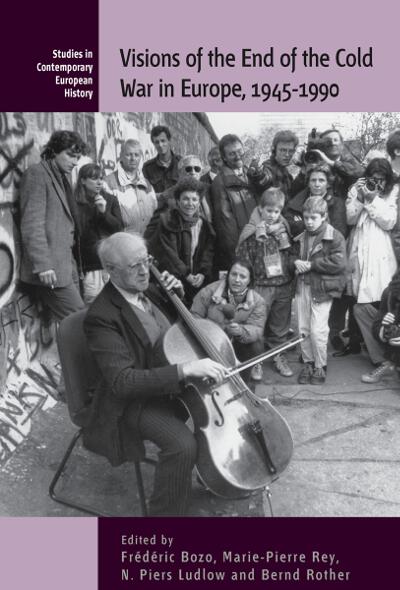
Subject: History: 20th Century to Present
Subjects: Anthropology (General) Political and Economic Anthropology Sociology
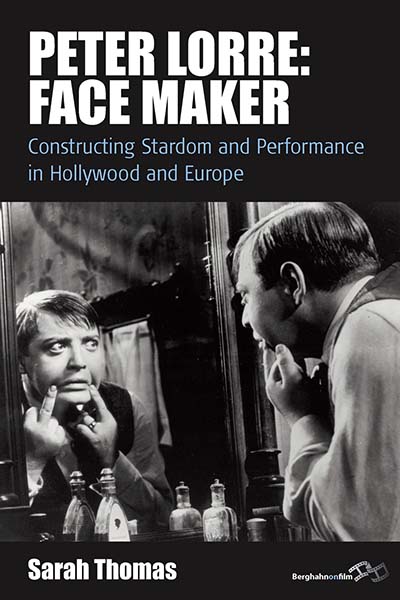
Subjects: Film and Television Studies History: 20th Century to Present
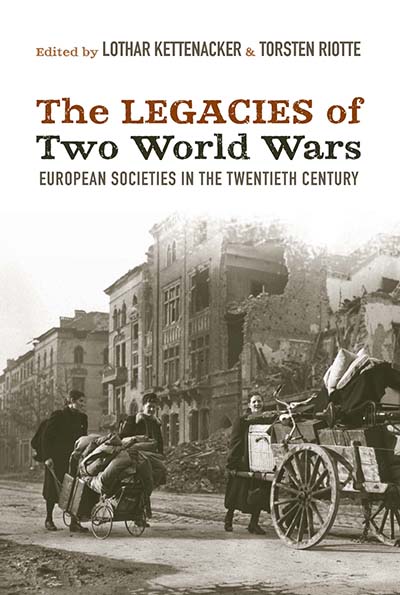
Subjects: History: 20th Century to Present History: World War I History: World War II
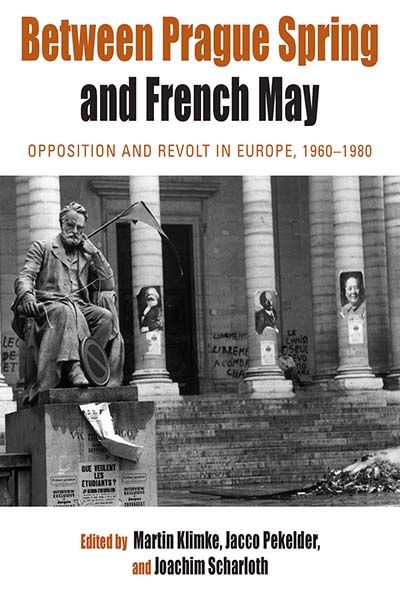
Subject: History: 20th Century to Present
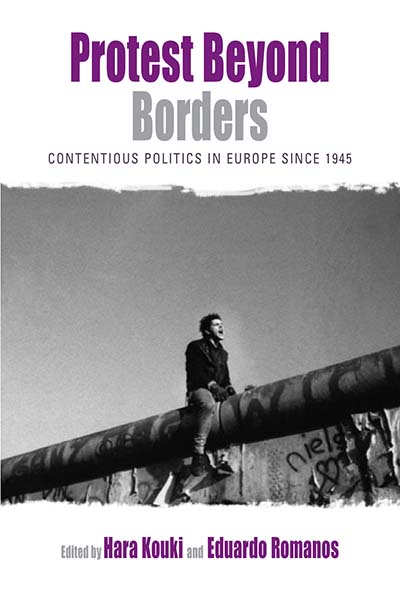
Subject: History: 20th Century to Present
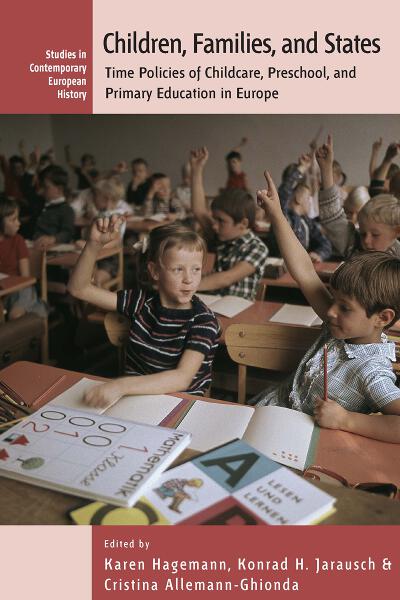
Subjects: History (General) Educational Studies Gender Studies and Sexuality
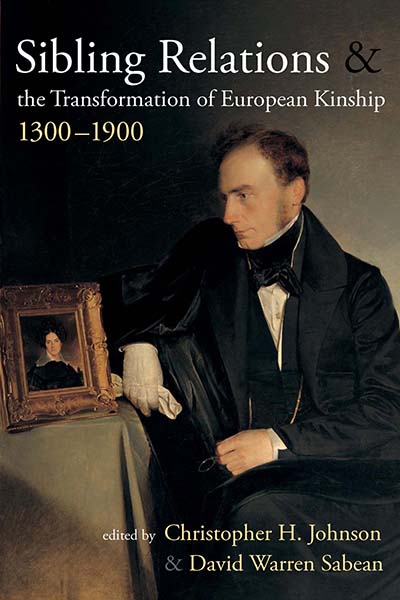
“In all cases, the research is solid, not drawing from a single source, such as a series of letters, but including a broad range of historical evidence. The analyses themselves are nicely nuanced and all connect with the main theoretical issues of the field, providing a lively discussion and indicating new directions for research. Scholars from many fields focusing on family and kinship, as well as general readers with an interest in family relations, will enjoy and find stimulation in this volume.” · Journal of the Royal Anthropological Institute
Subjects: History (General) Sociology
Subject: Film and Television Studies
Subjects: History: 18th/19th Century History: 20th Century to Present Cultural Studies (General)
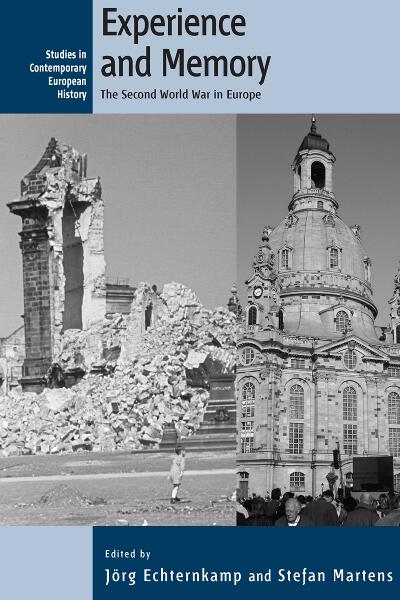
Subjects: History: World War II Memory Studies
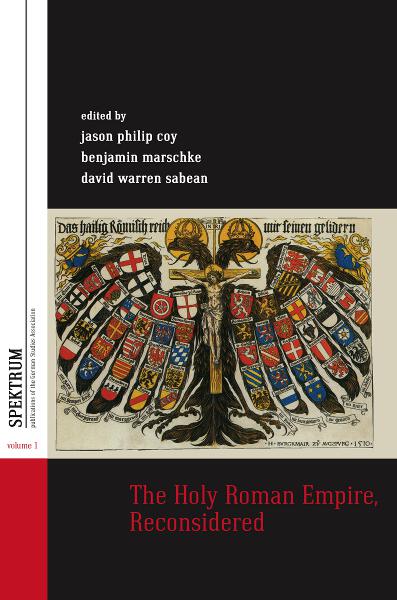
Subject: History: Medieval/Early Modern

Subjects: History (General) History: 18th/19th Century
Subject: Refugee and Migration Studies
Subjects: Environmental Studies (General) Development Studies Anthropology (General) Medical Anthropology

Subject: History: 20th Century to Present
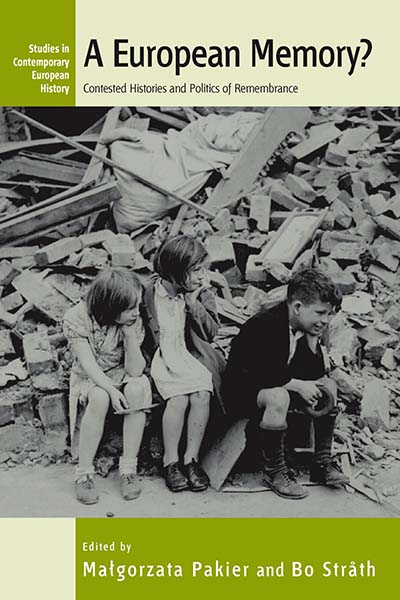
Subjects: History (General) Cultural Studies (General) Memory Studies
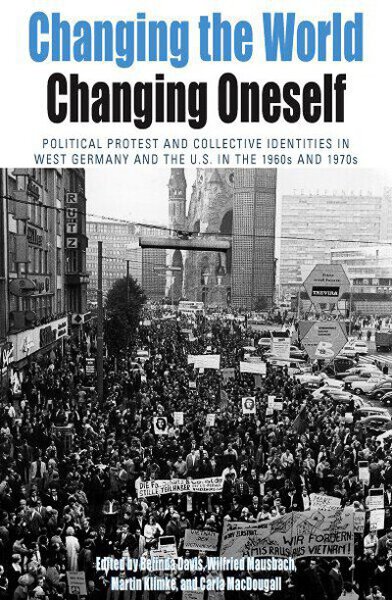
Subjects: History: 20th Century to Present Sociology
Subject: History: 20th Century to Present
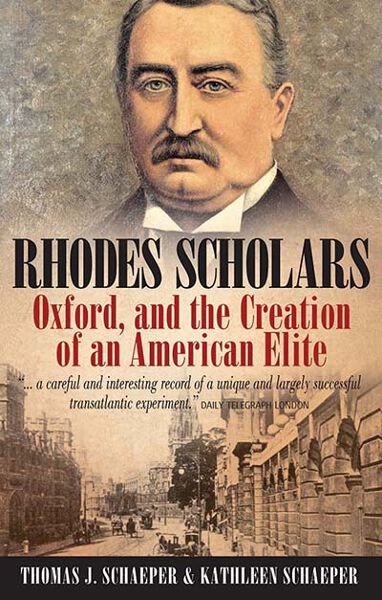
Subjects: Educational Studies History: 20th Century to Present Cultural Studies (General)
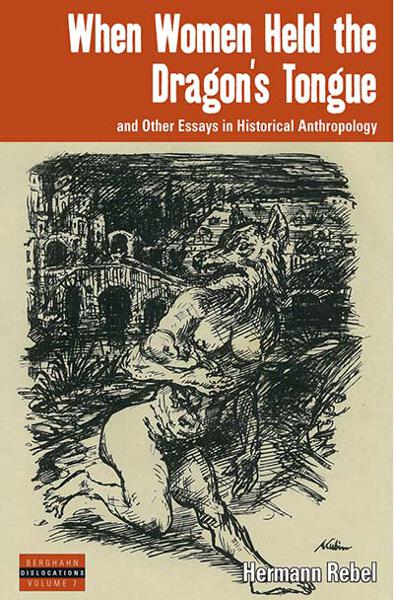
Subjects: Anthropology (General) History (General) Literary Studies Cultural Studies (General)
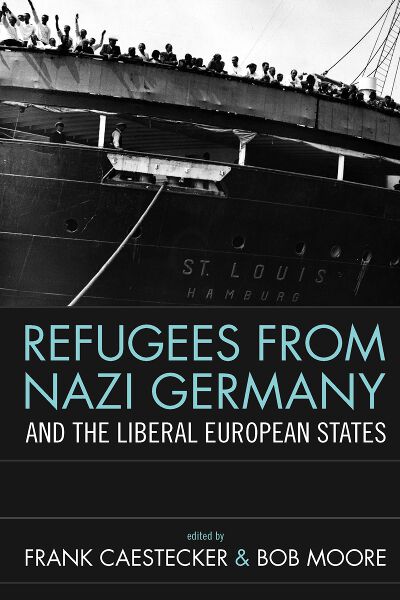
Subjects: History: World War II Refugee and Migration Studies
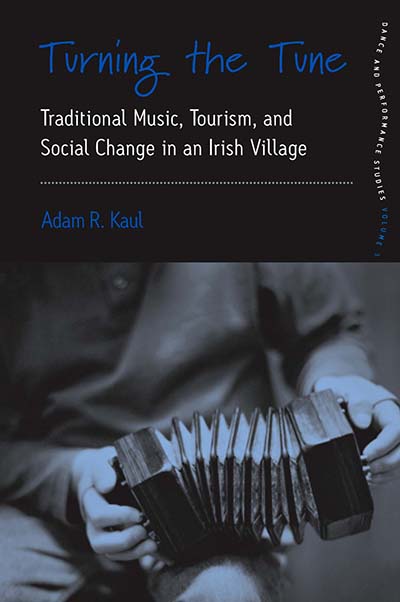
Subjects: Performance Studies Travel and Tourism Anthropology (General)
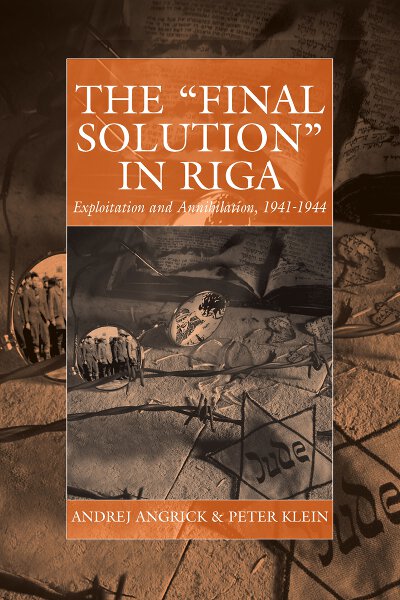
Subjects: History: World War II Genocide History Jewish Studies
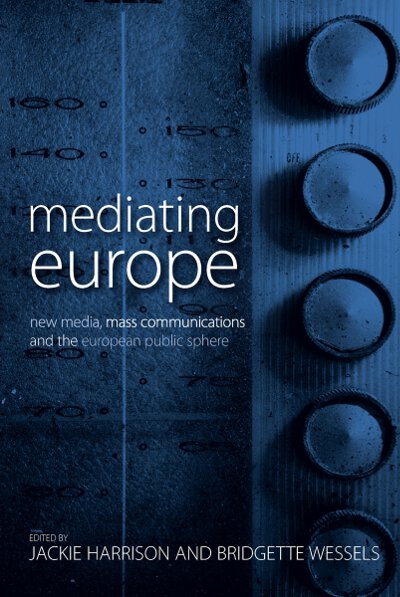
Subjects: Media Studies Sociology
Subject: Political and Economic Anthropology
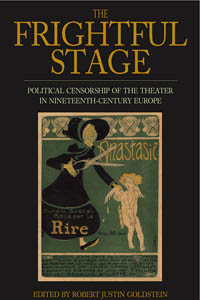
Subjects: History: 18th/19th Century Performance Studies Cultural Studies (General) Literary Studies
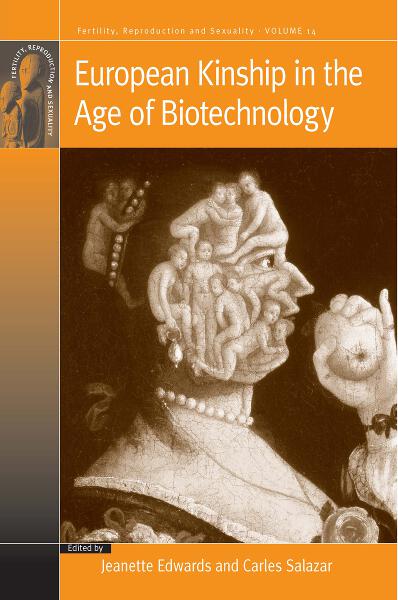
Subject: Medical Anthropology
Subject: History: 20th Century to Present
Subjects: Cultural Studies (General) History (General) Gender Studies and Sexuality
Subjects: History (General) Media Studies Literary Studies Film and Television Studies
Subjects: Gender Studies and Sexuality Political and Economic Anthropology

Subjects: Film and Television Studies Refugee and Migration Studies History: 20th Century to Present
Subjects: Cultural Studies (General) Refugee and Migration Studies History (General)
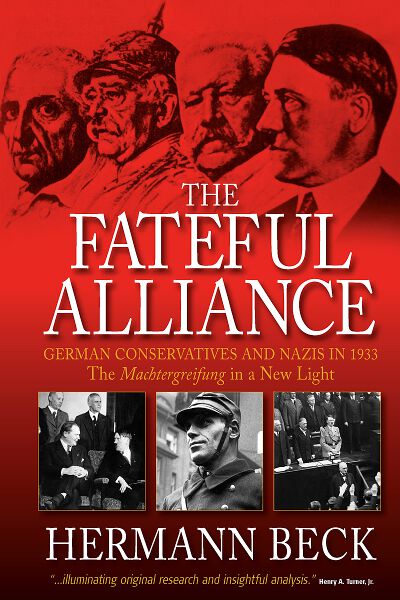
Subject: History: 20th Century to Present
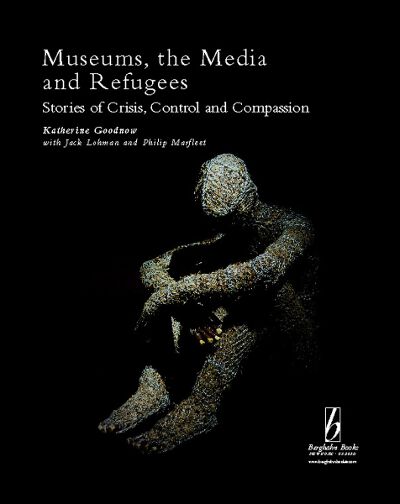
Subjects: Museum Studies Refugee and Migration Studies
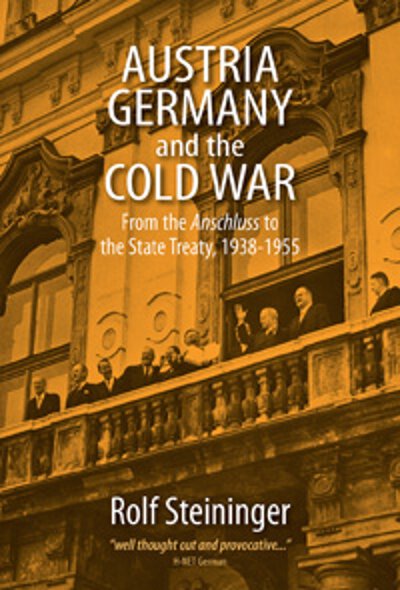
Subject: History: 20th Century to Present
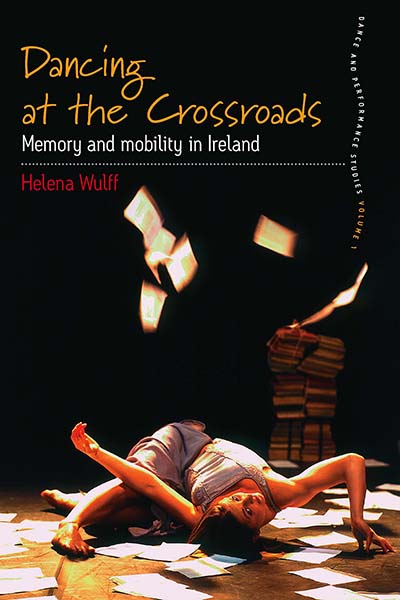
Subjects: Performance Studies Anthropology (General) Mobility Studies
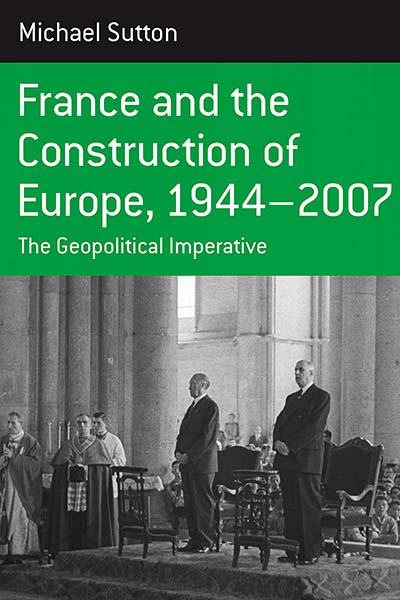
Subjects: History (General) History: 20th Century to Present

Subjects: Refugee and Migration Studies Gender Studies and Sexuality Mobility Studies History: 20th Century to Present
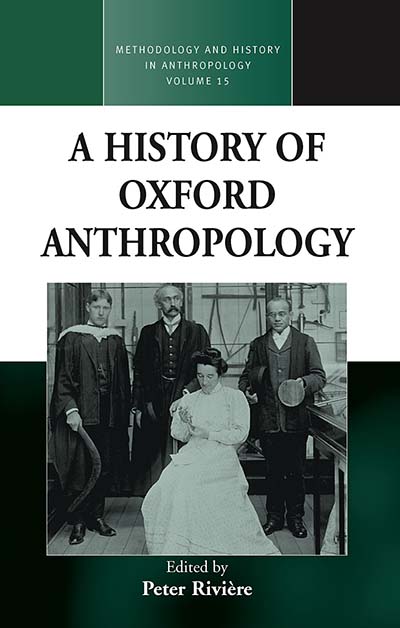
Subjects: Theory and Methodology History (General)
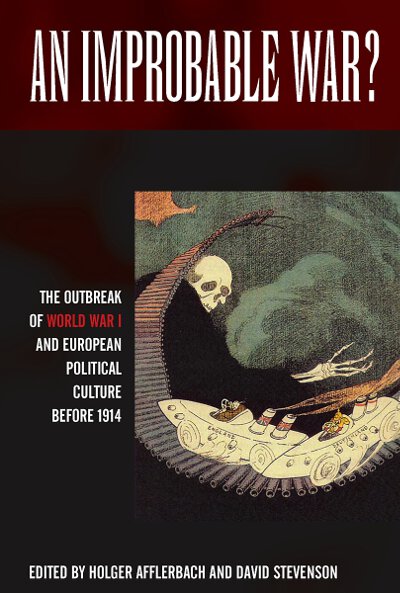
Subject: History: World War I
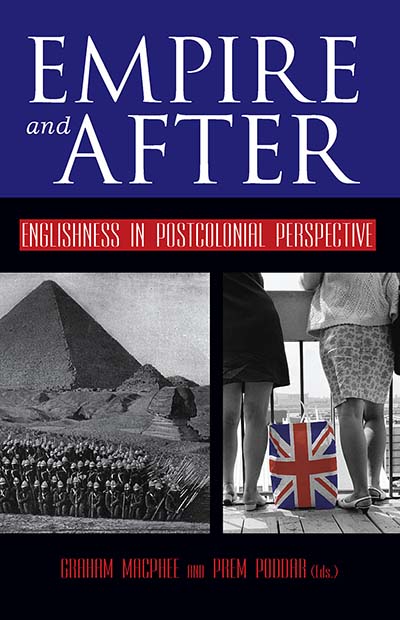
Subjects: Colonial History Cultural Studies (General) Memory Studies
Subjects: Peace and Conflict Studies Development Studies
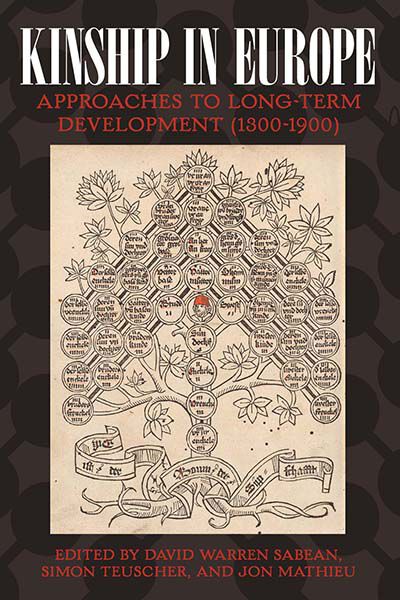
Subjects: History: Medieval/Early Modern Anthropology (General) History: 18th/19th Century

Subjects: Theory and Methodology Political and Economic Anthropology
Subjects: History: 20th Century to Present Memory Studies
Subjects: Applied Anthropology Sociology Anthropology (General)
Subjects: Jewish Studies Genocide History
Subjects: Jewish Studies Refugee and Migration Studies History: 20th Century to Present Sociology
Subject: Theory and Methodology
Subjects: Peace and Conflict Studies Theory and Methodology
Subjects: Cultural Studies (General) Urban Studies
Subject: History (General)
Subjects: Development Studies Anthropology (General)
Subjects: Jewish Studies Cultural Studies (General)
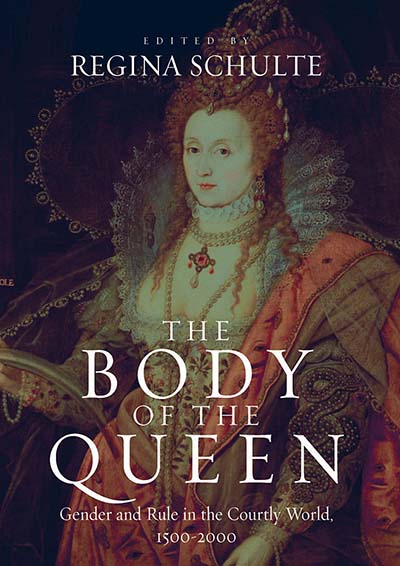
Subjects: Gender Studies and Sexuality History (General) Cultural Studies (General)
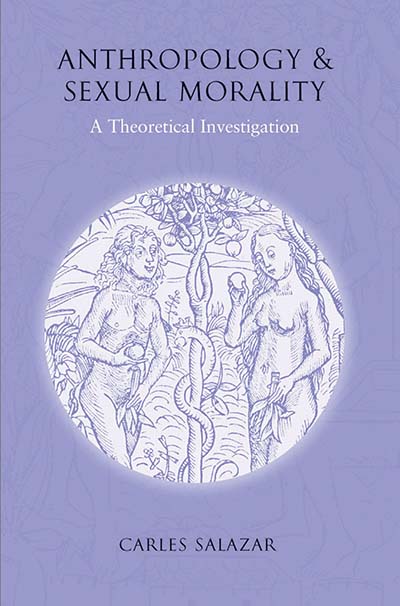
Subjects: Theory and Methodology Gender Studies and Sexuality
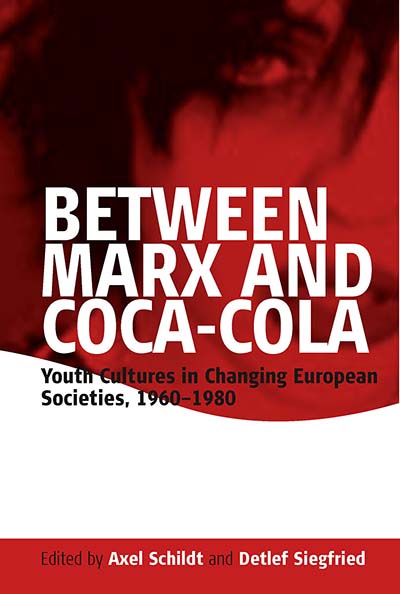
Subjects: History: 20th Century to Present Cultural Studies (General) Sociology
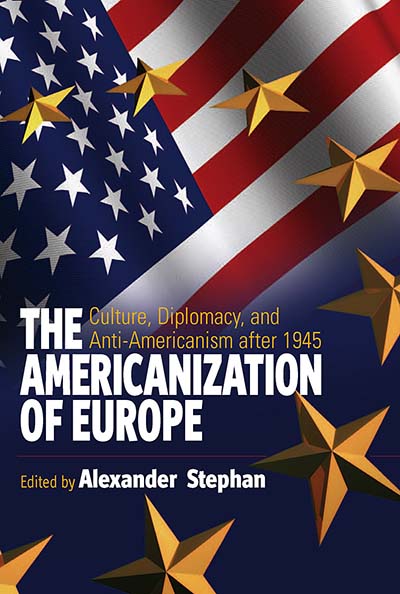
Subjects: History: 20th Century to Present Cultural Studies (General)
Subjects: Refugee and Migration Studies Anthropology (General)
Subjects: Genocide History Jewish Studies
Subjects: Educational Studies History: 20th Century to Present
Subject: History: 18th/19th Century
Subjects: History: World War II Genocide History
Subjects: Museum Studies Anthropology of Religion Anthropology (General)
Subjects: Refugee and Migration Studies Anthropology of Religion Anthropology (General)
Subject: Anthropology (General)
Subject: Theory and Methodology
Subjects: Cultural Studies (General) Anthropology (General) Sociology
Subjects: History: 18th/19th Century History: 20th Century to Present
Subject: Educational Studies
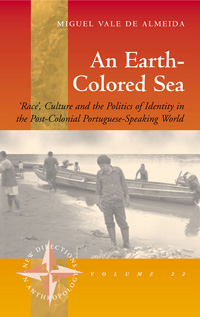
Subjects: Colonial History Anthropology (General) Sociology

Subjects: Film and Television Studies History: 20th Century to Present
Subjects: Applied Anthropology Educational Studies
Subjects: Anthropology (General) History: 20th Century to Present Memory Studies
Subjects: Theory and Methodology Cultural Studies (General)
Subject: History: World War I
Subjects: Political and Economic Anthropology Sociology
Subjects: Colonial History History: 18th/19th Century
Subject: History (General)
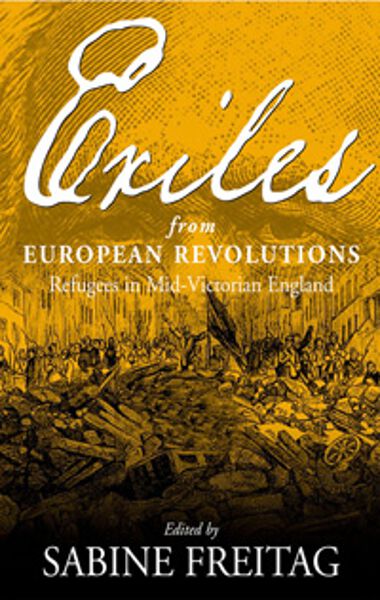
Subjects: History: 18th/19th Century Refugee and Migration Studies
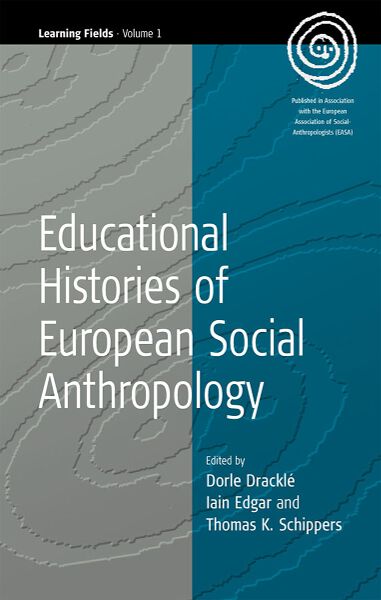
Subjects: Educational Studies Theory and Methodology
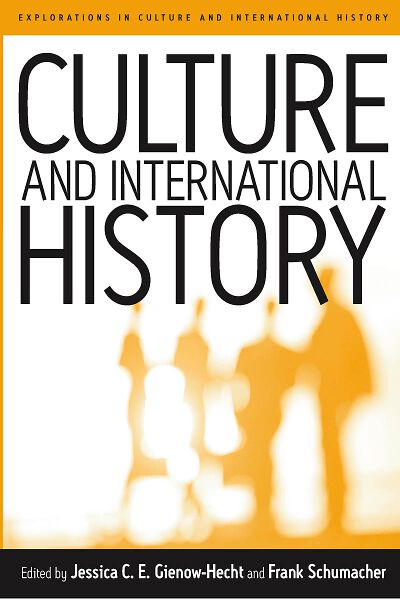
Subjects: History (General) Cultural Studies (General)
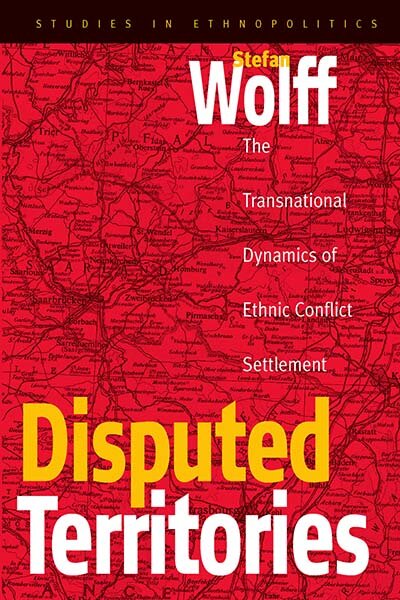
Subjects: Peace and Conflict Studies Sociology
Subjects: History (General) Sociology
Subject: History: 20th Century to Present
Subjects: Literary Studies History: 20th Century to Present
Subjects: History (General) History: 18th/19th Century History: 20th Century to Present Sociology
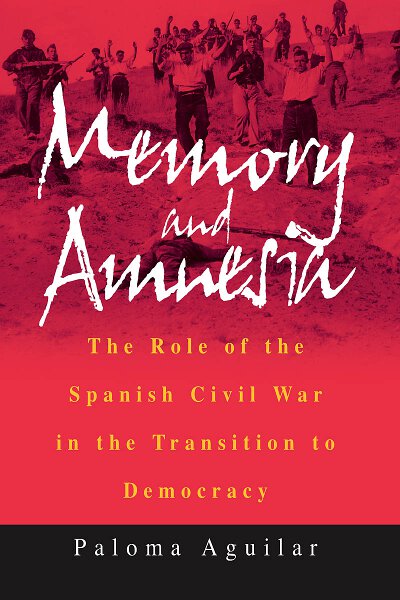
Subjects: History: 20th Century to Present Memory Studies
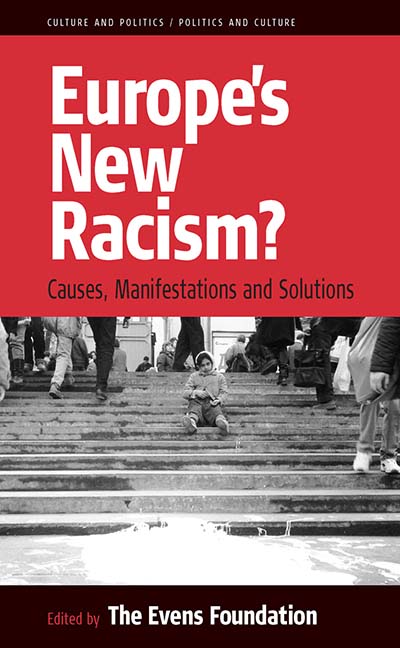
Subjects: Peace and Conflict Studies Sociology Urban Studies
Subjects: History (General) History: 20th Century to Present Gender Studies and Sexuality

Subject: History (General)
Subject: History: 20th Century to Present
Subjects: Gender Studies and Sexuality Cultural Studies (General)
Subjects: Cultural Studies (General) History: 20th Century to Present
Subject: History: 20th Century to Present
Subject: History: 20th Century to Present
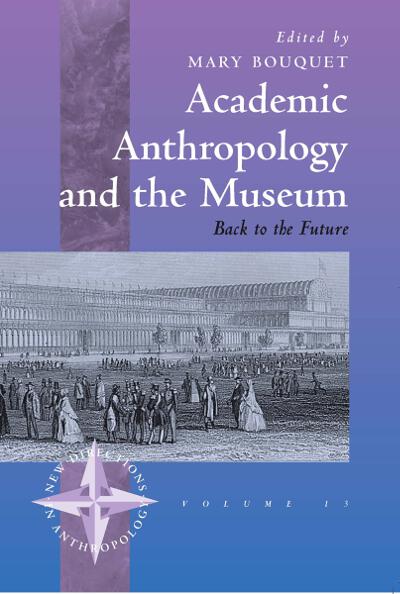
Subjects: Museum Studies Anthropology (General) Cultural Studies (General)
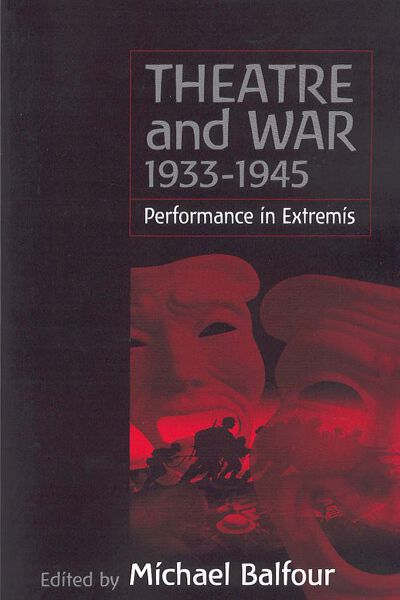
Subjects: Performance Studies History: World War II Literary Studies
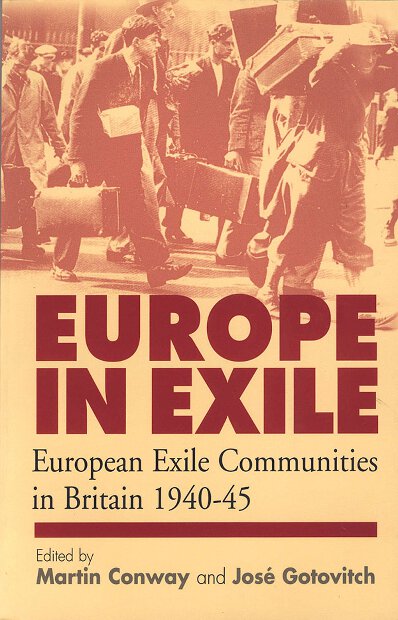
Subjects: History: World War II History: 20th Century to Present
Subject: Jewish Studies
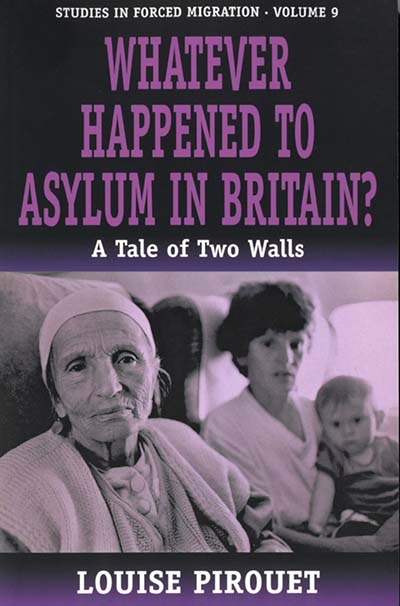
Subjects: Refugee and Migration Studies Anthropology (General)
Subjects: Cultural Studies (General) Refugee and Migration Studies
Subjects: Jewish Studies History: Medieval/Early Modern Colonial History Refugee and Migration Studies
Subjects: Anthropology of Religion Anthropology (General) Sociology
Subject: History (General)
Subjects: History: 20th Century to Present Sociology
Subjects: Literary Studies History (General)

Subject: Anthropology (General)
Subjects: Urban Studies Anthropology (General)
Subjects: Cultural Studies (General) History (General)
Subject: History: 20th Century to Present
Subjects: Theory and Methodology Anthropology of Religion
Subjects: Theory and Methodology
Subjects: Anthropology of Religion Theory and Methodology
Subject: History (General)
Subjects: Film and Television Studies Sociology
Subjects: History: World War II Memory Studies
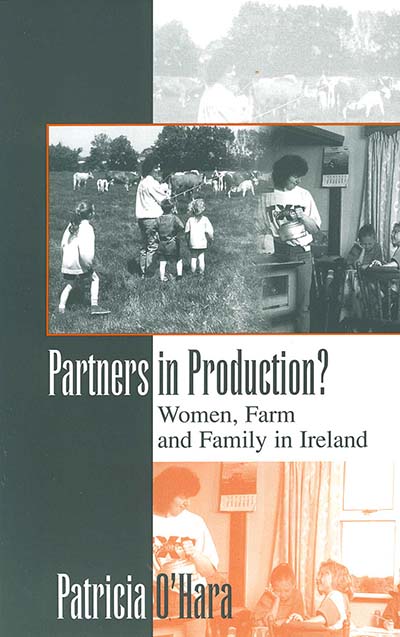
Subjects: History (General) Gender Studies and Sexuality
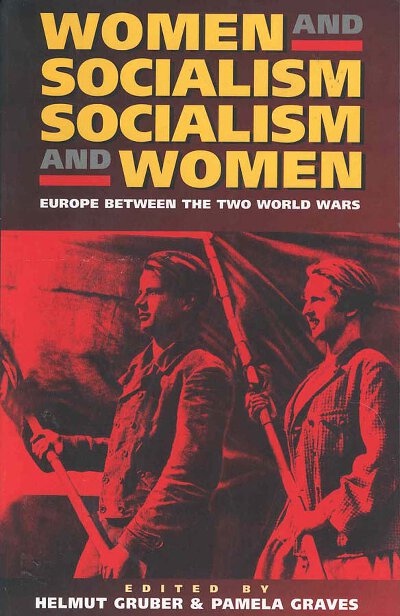
Subjects: Gender Studies and Sexuality History: 20th Century to Present
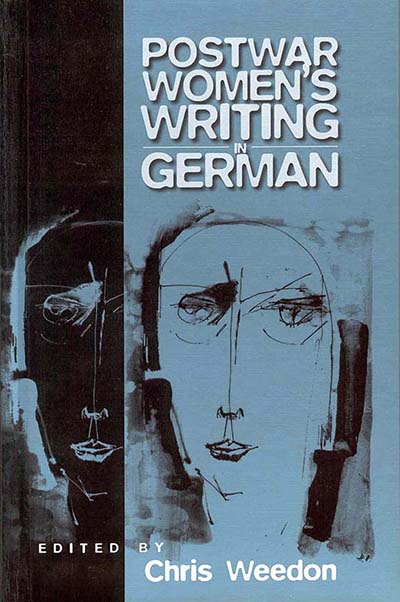
Subjects: Gender Studies and Sexuality Cultural Studies (General) Literary Studies
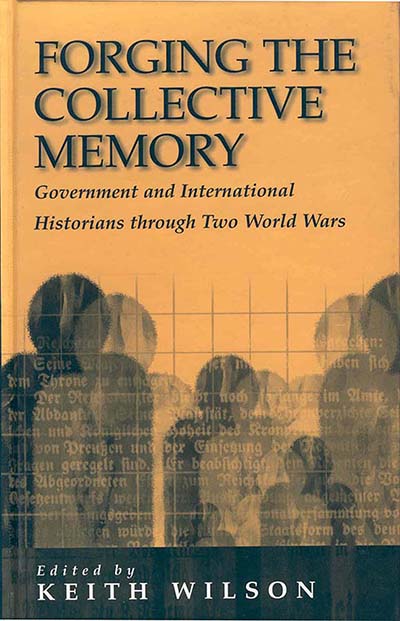
Subjects: History: World War I History: World War II Memory Studies
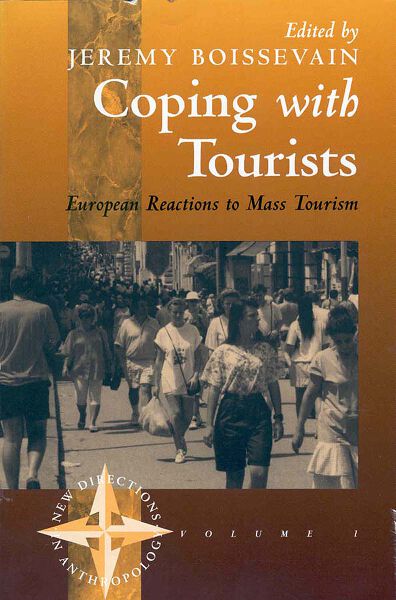
Subjects: Travel and Tourism Development Studies Anthropology (General)
Subjects: Gender Studies and Sexuality Anthropology (General)
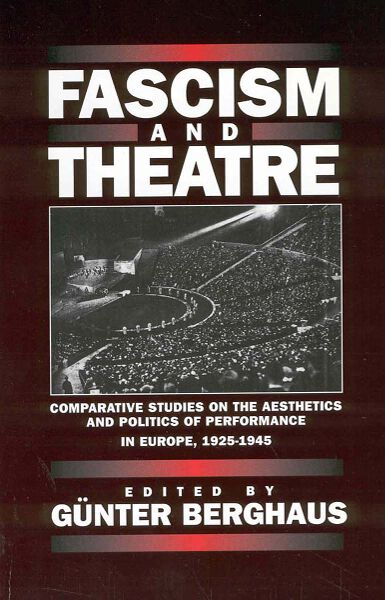
Subjects: Performance Studies History: World War II Literary Studies
Subjects: Performance Studies Anthropology (General) Anthropology of Religion
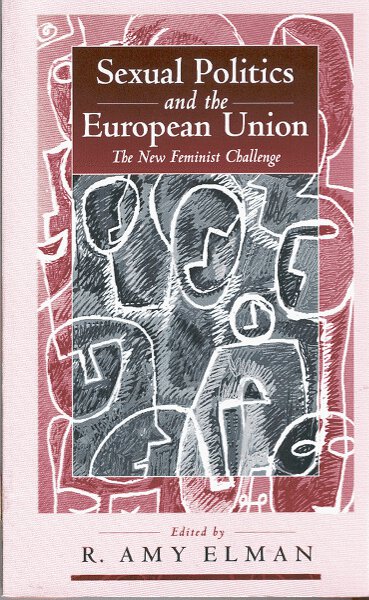
Subjects: Gender Studies and Sexuality Political and Economic Anthropology
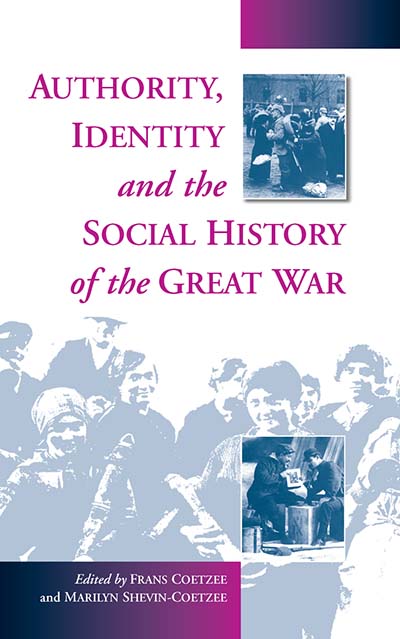
Subject: History: World War I
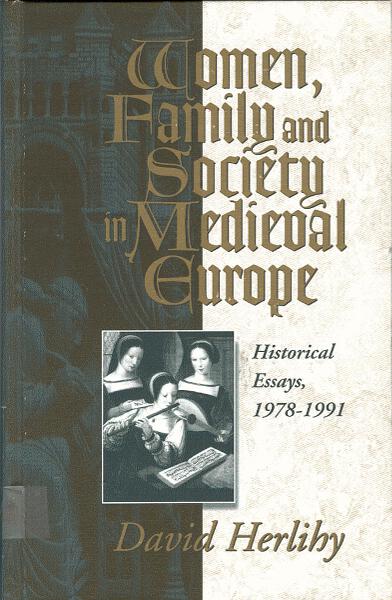
Subjects: Gender Studies and Sexuality History: Medieval/Early Modern